The Star Wars franchise completely changed the modern entertainment industry, establishing a blueprint for expansive blockbuster universes. This unrivaled cultural dominance originated in theaters, utilizing groundbreaking visual effects and meticulous sound design to deliver a massive audiovisual experience. Despite this ingrained cinematic legacy, Lucasfilm radically shifted its creative focus toward streaming television platforms over the past decade, leaving the theatrical market vacant since the conclusion of Star Wars: Episode IX – The Rise of Skywalker in 2019. This extended cinematic drought will finally conclude with the impending arrival of Star Wars: The Mandalorian and Grogu, a feature film specifically engineered to elevate the popular streaming protagonists to definitive blockbuster status.
Videos by ComicBook.com
The Mandalorian and Grogu will spearhead a robust cinematic slate currently in development. After that, Lucasfilm officially scheduled Star Wars: Starfighter to hit theaters next year in May 2027, promising a fresh narrative story anchored by actor Ryan Gosling. Concurrently, a highly publicized project focused on Rey building a new Jedi Order remains in active development, guaranteeing a steady stream of high-profile theatrical content for the foreseeable future. Before The Mandalorian and Grogu dominate the global box office, let’s rank every prior live-action theatrical release that established Star Wars‘ unparalleled theatrical empire.
11) Star Wars: Episode IX – The Rise of Skywalker
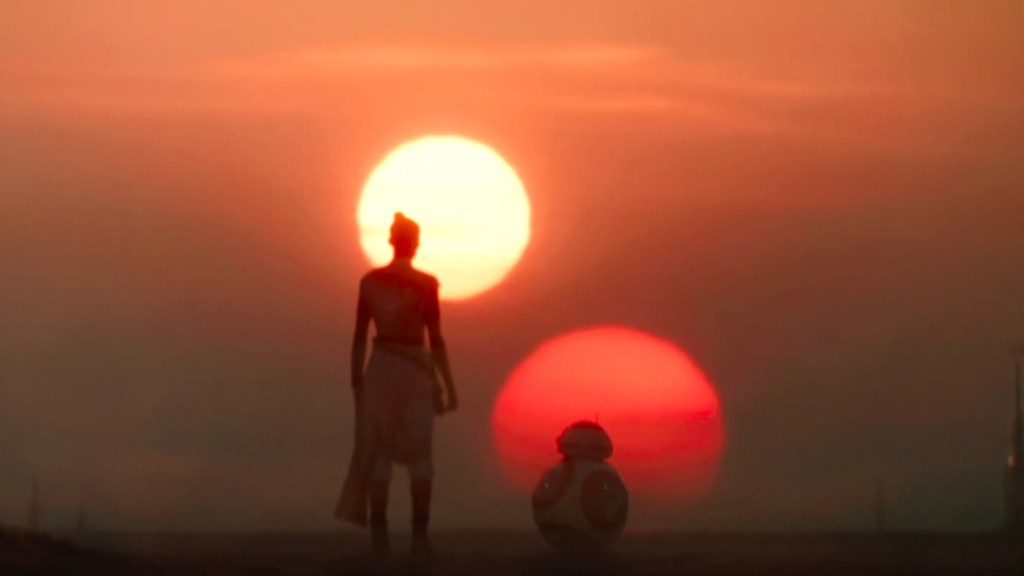
Star Wars: Episode IX – The Rise of Skywalker had the impossible task of concluding a nine-film saga while attempting to appease a fractured fan base following the divisive reception of its immediate predecessor. The production rushed to course-correct the overarching narrative, resulting in a convoluted plot that resurrected Emperor Palpatine (Ian McDiarmid) without a coherent thematic justification. This desperate reliance on nostalgia undermined the character development of Kylo Ren (Adam Driver) and Rey (Daisy Ridley), forcing them into a chaotic fetch quest across the galaxy that left little room for genuine emotional resonance. As a result, the rapid pacing and overstuffed script prevented the picture from delivering a satisfying emotional climax, turning the definitive end of the Skywalker Saga into a disjointed spectacle. This final installment fundamentally misunderstood the core themes of Star Wars, prioritizing frantic action over narrative substance and earning its place at the absolute bottom of the cinematic hierarchy.
10) Star Wars: Episode II – Attack of the Clones
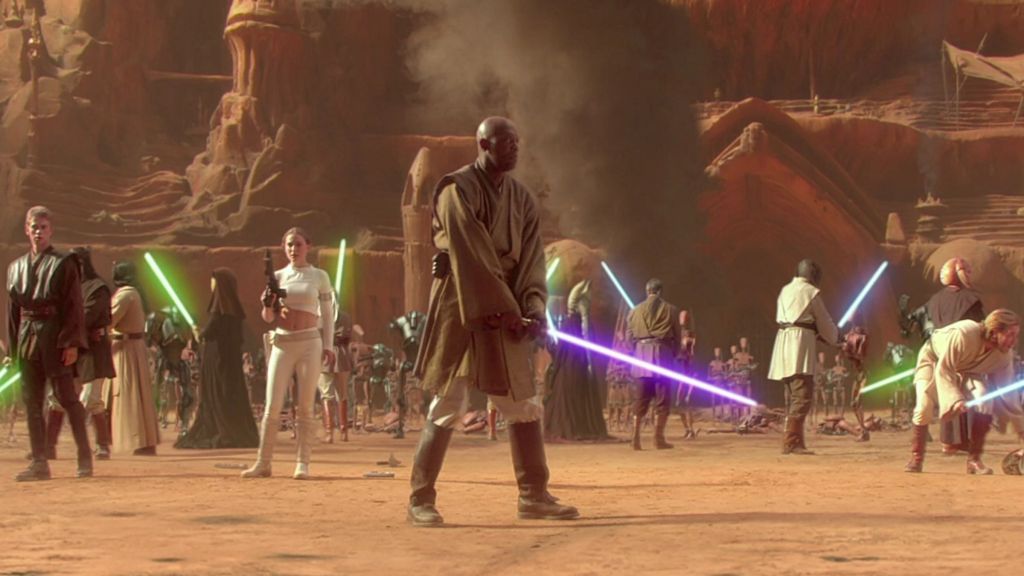
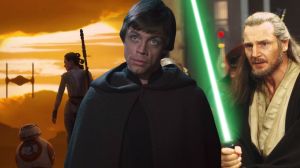
George Lucas attempted to expand the geopolitical scope of the prequel trilogy with Star Wars: Episode II – Attack of the Clones, diving deep into the bureaucratic corruption that allowed the Sith to orchestrate a galactic war. While the introduction of the clone army provided an interesting look at the origins of the Empire, the central narrative completely faltered under the weight of an unconvincing romance. The awkward dialogue between Anakin Skywalker (Hayden Christensen) and Padmé Amidala (Natalie Portman) created a severe lack of emotional chemistry, making the tragic foundation of their relationship feel forced and artificial. Furthermore, the film relied far too heavily on early digital effects, rendering many of the environments and battle sequences with a weightless quality that aged poorly compared to the practical sets of the original era. Despite an impressive gladiatorial climax on Geonosis, the stilted character interactions drag the overall execution down significantly.
9) Star Wars: Episode I – The Phantom Menace
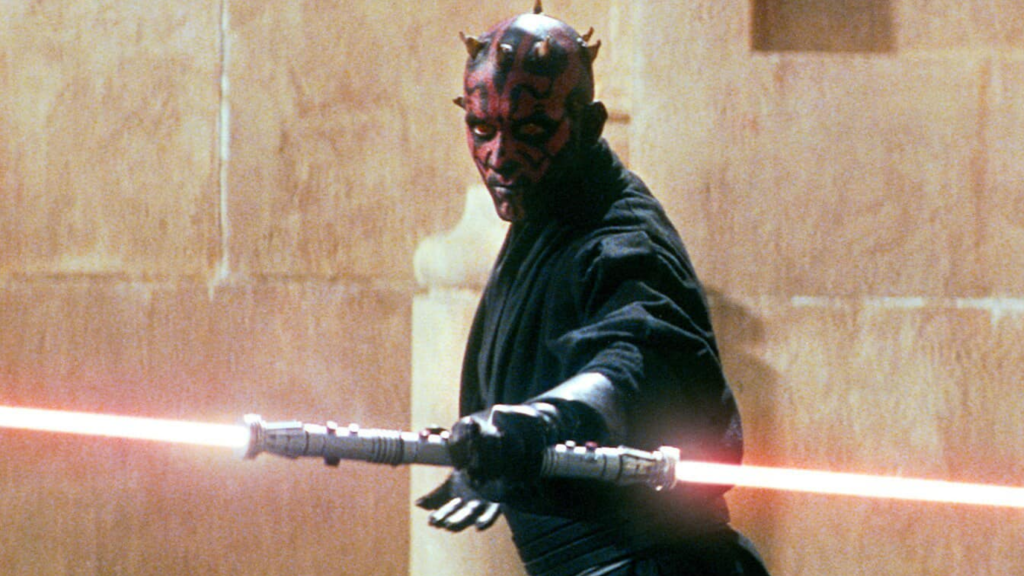
The return of the franchise after a sixteen-year hiatus generated unprecedented global anticipation, but Star Wars: Episode I – The Phantom Menace ultimately delivered a heavily flawed foundational chapter. The narrative prioritized complex trade disputes and political maneuvering over the relatable, character-driven adventure that originally defined Star Wars. On top of that, the introduction of young Anakin Skywalker and the bumbling Jar Jar Binks (Ahmed Best) injected an overly juvenile tone that clashed aggressively with the stoic presence of Jedi Master Qui-Gon Jinn (Liam Neeson). Despite these glaring structural issues, the production still managed to deliver some of the most iconic moments in the entire mythos. The thrilling pod-racing sequence showcased incredible sound design, and the climactic lightsaber duel against the terrifying Darth Maul (Ray Park) revolutionized the kinetic choreography of the franchise.
8) Solo: A Star Wars Story

As the first cinematic spin-off to explicitly focus on the origin of an established legacy character, Solo: A Star Wars Story struggled to justify its own existence. The narrative attempted to demystify the legendary smuggler Han Solo (Alden Ehrenreich) by meticulously explaining the origin of every signature prop and character trait, turning a classic rogue into a checklist of predictable prequel tropes. The production also famously suffered from massive behind-the-scenes turmoil, leading director Ron Howard to reshoot a significant portion of the film to salvage the tone. This chaotic creative process resulted in a perfectly competent but entirely safe heist movie that lacked the visual flair or narrative stakes required to stand out. While Donald Glover delivered a phenomenally charismatic performance as a young Lando Calrissian, the overall adventure felt largely unnecessary.
7) Star Wars: Episode VII – The Force Awakens

Tasked with revitalizing a dormant cinematic juggernaut for a new generation, Star Wars: Episode VII – The Force Awakens succeeded by strictly adhering to the structural formula of the 1977 original. Director J.J. Abrams successfully blended tactile practical effects with modern digital wizardry, returning the franchise to a grounded, lived-in aesthetic that instantly resonated with nostalgic fans. In addition, the introduction of Finn (John Boyega), a defecting stormtrooper, provided a brilliant new perspective on the galactic conflict, while the rugged charm of Poe Dameron (Oscar Isaac) captured the swashbuckling spirit of the original trilogy. Furthermore, the tragic death of the older Han Solo established real stakes for the conflict against the formidable First Order. While the movie undeniably relied heavily on recycled plot points like the destruction of another massive superweapon, the sheer kinetic energy and charming character dynamics effectively reawakened the global cultural phenomenon.
6) Star Wars: Episode III – Revenge of the Sith

The final chapter of the prequel trilogy finally delivered the dark, operatic tragedy that audiences had been anticipating since the era began. Star Wars: Episode III – Revenge of the Sith successfully chronicled the ultimate collapse of the Jedi Order and the agonizing transformation of the Chosen One into the terrifying enforcer Darth Vader. The narrative carried an intense emotional weight, driven by the palpable manipulation orchestrated by the Supreme Chancellor and the heartbreaking betrayal of Obi-Wan Kenobi (Ewan McGregor). The production matched this grim tone with breathtaking visual design, culminating in an apocalyptic duel across the volcanic rivers of Mustafar that remains a technical marvel. While some of the dialogue still suffered from the trademark stiffness of the prequel installments, the sheer magnitude of the geopolitical tragedy completely overshadowed these minor flaws.
5) Star Wars: Episode VI – Return of the Jedi

Star Wars: Episode VI – Return of the Jedi resolved the emotional core of the Skywalker family and delivered a definitive victory over the Galactic Empire by splitting its focus between an elaborate ground assault on the forest moon of Endor and a deeply intimate confrontation in the Emperor’s throne room. The redemption of the fallen Jedi knight, spurred by the unwavering compassion of his son Luke Skywalker (Mark Hamill), provided an incredibly satisfying thematic resolution to the overarching narrative. However, the pacing of the picture is occasionally hampered by the lengthy rescue sequence at Jabba’s palace, and the inclusion of the Ewoks introduced a lighter tone that clashed with the grim reality of the Imperial threat. Despite these uneven tonal shifts, the emotional catharsis of the final confrontation cements its status as a foundational cinematic achievement.
4) Rogue One: A Star Wars Story

Breaking away from the mythological focus of the main saga, Rogue One: A Star Wars Story redefined the Star Wars franchise by embracing the gritty realism of a boots-on-the-ground war film. The narrative brilliantly explored the desperate sacrifices made by the ordinary soldiers of the Rebellion, focusing on the cynical criminal Jyn Erso (Felicity Jones) and the ruthless intelligence officer Cassian Andor (Diego Luna). The production also stripped away the magical invincibility of the Jedi, grounding the conflict in espionage, moral ambiguity, and overwhelming Imperial oppression. This surprising tonal shift culminated in the battle of Scarif, an action sequence that perfectly captured the terrifying scale of the Imperial war machine. By seamlessly connecting its tragic conclusion directly into the opening moments of the 1977 original, Rogue One enriched the existing lore while proving that the universe could successfully support complex, mature narratives outside the established familial bloodlines.
3) Star Wars: Episode VIII – The Last Jedi
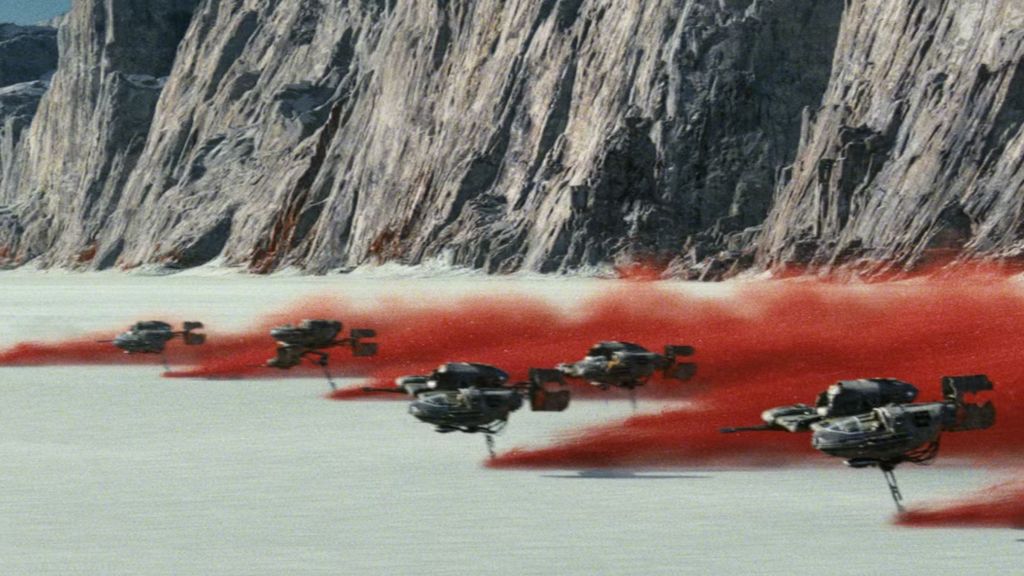
Director Rian Johnson challenged the fundamental mythos of the franchise with Star Wars: Episode VIII – The Last Jedi, delivering a deeply subversive and visually stunning theatrical experience. Instead of offering easy answers, the narrative forced its heroes to confront their own failures, actively deconstructing the dangerous idolization of the Jedi. The decision to portray the exiled Luke Skywalker as a broken hermit provided a massive thematic leap, emphasizing that true heroism requires a constant struggle against personal despair. Furthermore, the complex psychic bond between the primary protagonist and the conflicted antagonist elevated the narrative beyond a simple tale of good versus evil. The production also featured some of the most breathtaking cinematography in the history of the series, from the silent destruction of the Supremacy to the crimson salt plains of Crait. By daring to push the thematic boundaries of the property, The Last Jedi achieved a level of artistic resonance rarely seen in blockbuster cinema.
2) Star Wars: Episode IV – A New Hope

The movie that fundamentally altered the trajectory of modern pop culture remains a practically flawless exercise in cinematic world-building. Star Wars: Episode IV – A New Hope revolutionized the industry by combining high-fantasy archetypes with a heavily textured science-fiction aesthetic. The narrative perfectly executed the classic hero’s journey, introducing a whiny farm boy who learns to embrace a mystical destiny with the guidance of the wise mentor Obi-Wan Kenobi (Alec Guinness). Furthermore, the production overcame massive budgetary limitations to pioneer groundbreaking visual effects, creating a believable universe populated by imposing fascist empires, charming rogues, and towering robotic enforcers. Finally, the rescue of the defiant Princess Leia (Carrie Fisher) established a fiercely independent heroine who defied contemporary genre conventions, anchoring the dynamic chemistry of the core trio.
1) Star Wars: Episode V – The Empire Strikes Back
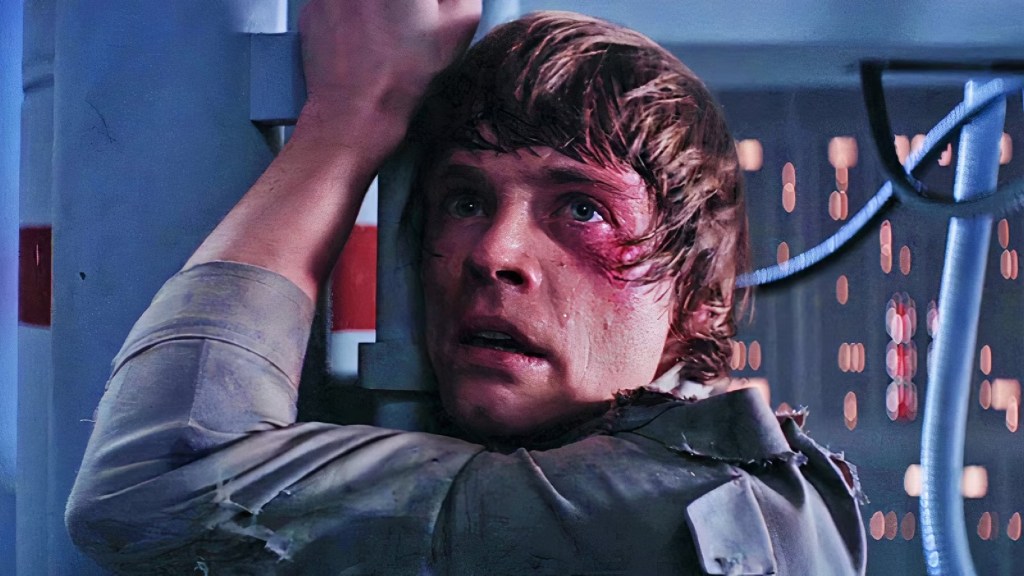
Surpassing the monumental cultural impact of the original film required a narrative that was willing to actively punish its heroes, and Star Wars: Episode V – The Empire Strikes Back delivered exactly that. The production deepened the mythology by prioritizing psychological torment over simple swashbuckling victories, splitting the core cast apart to test their individual resolve. The introduction of the diminutive Jedi Master Yoda (Frank Oz) also expanded the philosophical scope of the Force, elevating the conflict from a physical war into a spiritual test of character. Meanwhile, the ruthless pursuit across the galaxy led to the staggering betrayal at Cloud City, culminating in the most iconic cinematic twist of the twentieth century. By allowing the villains to achieve a devastating absolute victory, The Empire Strikes Back shattered everyone’s expectations and cemented its place as one of the best (if not the best) sequels Hollywood has ever produced. This masterful balance of bleak atmospheric tension and profound character development solidifies The Empire Strikes Back as the undisputed pinnacle of Star Wars.
Which cinematic release of the Star Wars franchise do you consider the absolute best? Leave a comment below and join the conversation now in the ComicBook Forum!
Most Viewed
-
Image courtesy of Amazon MGM Studios -
Image courtesy of Tor Books/Macmillan