Darth Maul is a Dathomirian Zabrak who becomes a Sith Lord’s apprentice during the final years of the Galactic Republic. In Star Wars continuity, Maul’s defining traits are his devotion to the dark side, his role in Sith plotting during the Republic’s collapse, and his long-standing rivalries that grow out of those early Sith objectives. Over time, he is portrayed not just as a silent enforcer but as an intelligent, strategic figure with his own ambitions.
Videos by ComicBook.com
In the broader sweep of Star Wars history, Darth Maul stories are significant because they link major eras through ongoing conflict and consequence, while widening the saga’s scope beyond battlefield heroics into covert politics, syndicates, and the long aftershocks of the Republic’s fall.
10. ‘The Sith Apprentice’ – Star Wars: The Phantom Menace (1999)
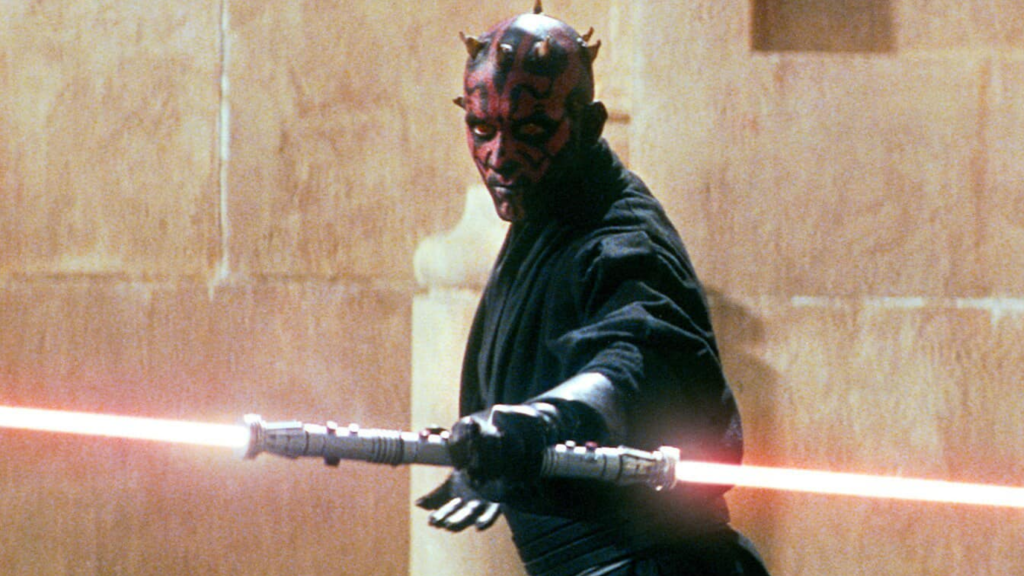
Darth Maul’s first on-screen appearance remains iconic. His silent menace, double-bladed lightsaber, and ballet-like combat form against Qui-Gon Jinn and Obi-Wan Kenobi introduced audiences to a villain who communicated more through movement than words. The film gave us a glimpse of the Sith’s renewed presence in the galaxy and established Maul as a symbol of lethal precision.
Although his screen time was brief, this story cemented Maul’s place in cinematic history. The Duel of the Fates alone elevated him beyond a typical enforcer, and his apparent death left viewers desperate for more. Decades later, this introduction continues to define Sith elegance blended with unrelenting aggression.
9. ‘Son of Dathomir’ – Star Wars: Darth Maul: Son of Dathomir

This comic bridges the gap between The Clone Wars seasons five and seven, fleshing out Maul’s alliances and rivalry with his former master, Darth Sidious. The narrative explores his escape from Sidious’ captivity and the resurrection of his criminal empire with the help of the Mandalorians. It shows a Maul operating entirely on willpower and hatred, even after losing everything.
What makes Son of Dathomir memorable is how it reshapes Maul into a fractured warlord rather than a Sith apprentice. His connection to his clan, the Nightsisters, anchors him emotionally, and his confrontation with General Grievous is brutal and cinematic. This is one of Maul’s most strategic and emotionally layered arcs.
8. ‘The Shadow Collective’ – The Clone Wars (Seasons 4–5)
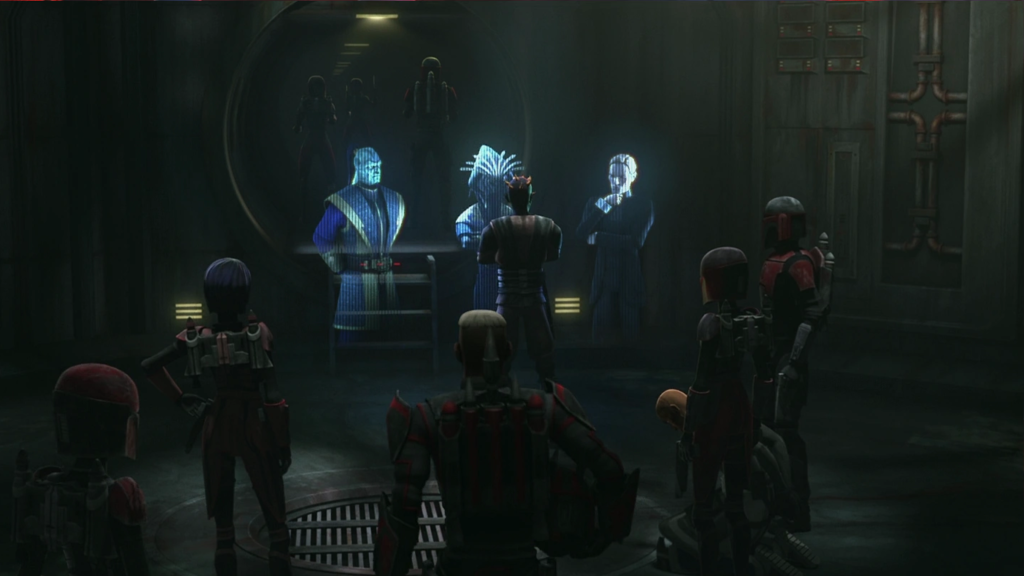
Maul’s return from presumed death in The Clone Wars was one of the saga’s boldest creative decisions. His transformation into a half-cybernetic, half-mad survivor gave Star Wars animation one of its most chilling villains. The rise of the Shadow Collective — a coalition of underworld syndicates led by Maul — showed his tactical intelligence and ambition to dethrone Sidious himself.
This arc stands out because it turns Maul into the architect of chaos. Watching him manipulate Death Watch, rule Mandalore, and wage war against the Jedi lends him mythic presence. His confrontation with Darth Sidious, where he’s effortlessly subdued, remains one of the defining moments of the master-apprentice dynamic.
7. ‘Maul’s Last Stand’ – The Clone Wars: The Siege of Mandalore (2020)

In The Siege of Mandalore, Maul becomes less of a villain and more of a truth-teller. As Order 66 approaches, he senses the rise of the Emperor and the inevitable fall of the Jedi. His duel with Ahsoka Tano on Mandalore is not only a visual marvel but also a philosophical clash between two survivors trapped by the designs of greater powers.
This arc strips Maul of the grandeur he once had and leaves him standing alone in darkness. His foresight about Sidious’ plan and his haunted desperation give the story tragic gravity. By the end, Maul’s madness feels like the only sane reaction to an unraveling galaxy.
6. ‘Wrath of the Sith’ – Star Wars: Darth Maul (Marvel, 2017)

The Darth Maul miniseries explores the frustrated hunger of a weapon waiting too long to be unsheathed. Set before The Phantom Menace, it follows Maul’s forbidden hunt for a Jedi Padawan, revealing his impatience and thirst for battle. The series dives into his psychology, painting him as both predator and prisoner.
This story works because it humanizes the monster. Maul’s defiance of Sidious’ orders to remain hidden shows his fatal flaw — he cannot exist without conflict. The comic also expands the lore around the Sith’s secretive rise and showcases a stunningly choreographed duel that feels personal, not political.
5. ‘Nightbrother’ – The Clone Wars (Season 4)
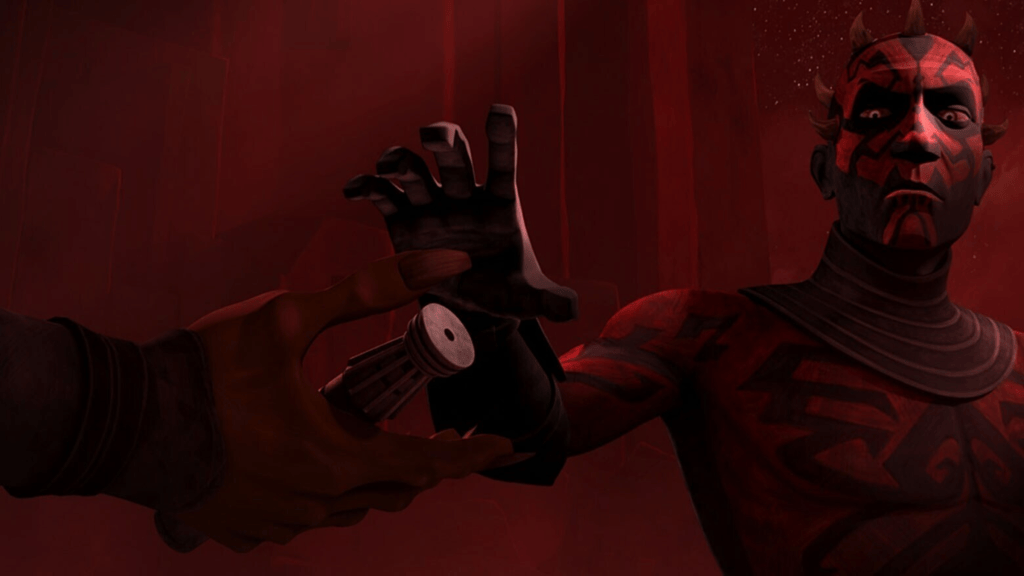
The “Nightbrother” arc gives audiences the first deep dive into Maul’s origins. His connection to the Nightsisters and his twisted past on Dathomir provide context for his rage. The reintroduction of Savage Opress, his brother, anchors the story in familial tragedy, turning their bond into a reflection of Sith corruption.
The atmosphere here sets it apart — drenched in red mist, dark magic, and raw emotion. Maul’s unstable mental state and Savage’s blind loyalty form a haunting duet. Their eventual downfall feels inevitable, a reminder of how the Sith consume even their own blood ties.
4. ‘The Return’ – Solo: A Star Wars Story (2018)
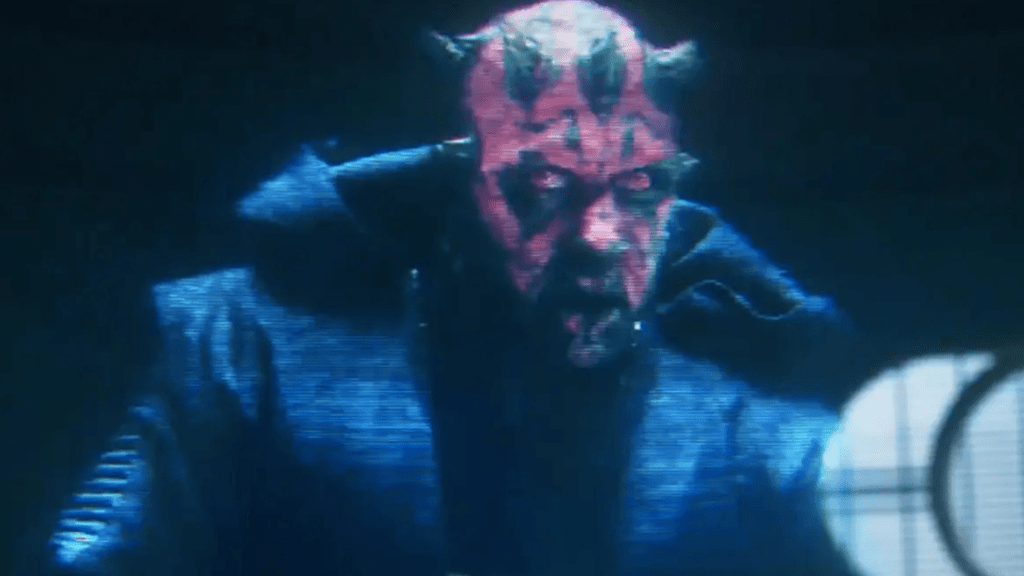
Few moments shocked audiences more than Maul’s return in Solo. His hologram cameo revealed he had not only survived but was orchestrating Crimson Dawn, a major criminal syndicate. The reveal reframed the underworld politics of the Star Wars galaxy and hinted at his growing influence beyond traditional Sith schemes.
This cameo worked because it recontextualized an entire timeline. Fans realized Maul’s shadow extended from the Clone Wars into the dawn of the Empire. His cold command and physical presence showed how the Sith’s legacy endured in the cracks of the galaxy’s power structures.
3. ‘The Phantom Apprentice’ – The Clone Wars (Season 7)
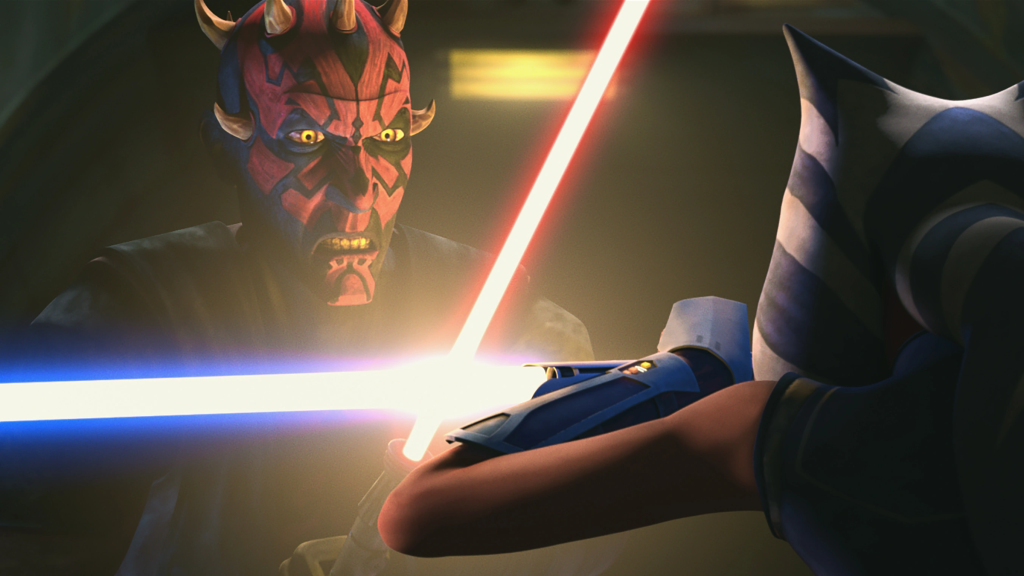
This episode encapsulates everything fascinating about Maul: insight, insanity, and inevitability. Facing Ahsoka, he lays bare his understanding of Sidious’ grand design. The duel, motion-captured by Ray Park himself, fuses technical brilliance with emotional power. The choreography feels less like combat and more like a dialogue through blades.
What elevates this episode is its existential weight. Maul knows exactly what’s coming but cannot stop it. His attempt to recruit Ahsoka reveals a rare moment of alignment between enemies, though doomed from the start. It’s tragedy told with lightsabers and silence.
2. ‘Twilight of the Apprentice’ – Star Wars Rebels (Season 2, 2016)

Maul’s re-emergence in Rebels showcases him as a manipulator rather than a warrior. The older, wearier Maul plays mentor to Ezra Bridger, hoping to mold him into an apprentice of vengeance. The temple duel that follows, involving Ahsoka, Vader, and Maul, is pure storytelling brilliance — each fighter carrying a lifetime of pain.
Here, Maul becomes almost Shakespearean. His bitterness has curdled into obsession, and his need for purpose drives every deceitful act. This story reshapes him from a Sith weapon into a tragic relic haunted by what could have been.
1. ‘Twin Suns’ – Star Wars Rebels (Season 3, 2017)
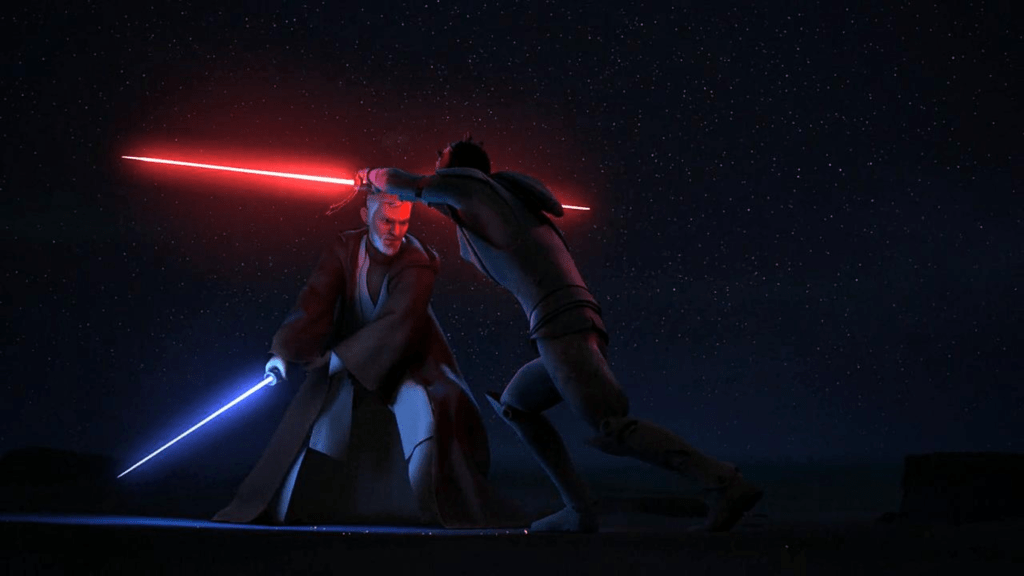
“Twin Suns” distills Maul’s entire existence into one haunting encounter. Tracking Obi-Wan Kenobi to Tatooine, Maul seeks closure. What follows is not a duel of spectacle but of meaning — a few devastating strokes ending a rivalry that began decades earlier. Obi-Wan’s mercy juxtaposed against Maul’s desperate hatred delivers one of Star Wars’ most poetic conclusions.
This story earns the top spot because it completes Maul’s arc with quiet grace. His death beneath Tatooine’s twin suns mirrors the final flicker of Sith ambition before the age of Luke Skywalker. Maul dies defeated yet at peace, finally understanding that vengeance was his prison all along.
What do you think? Leave a comment below and join the conversation now in the ComicBook Forum!
Most Viewed
-

Image Courtesy of TMS Entertainment -

CREATOR: gd-jpeg v1.0 (using IJG JPEG v80), quality = 88 -
Image Courtesy of DC Comics