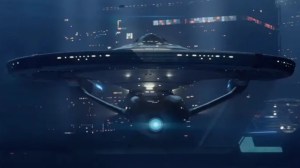
The sci-fi and fantasy genres have delivered some of the most iconic war sequences ever put on screen. These worlds, unrestricted by the limits of reality, let directors and writers reshape the concept of warfare entirely. From interstellar fleets trading laser fire to armies of mythical creatures clashing on elemental battlefields, the genre’s wars are designed to evoke awe and terror in equal measure.
Videos by ComicBook.com
You can tell which universes are built by storytellers who’ve lived with their creations long enough to feel the weight of every lost life, even the nameless ones. The spectacle may draw us in, but the scars left behind keep us thinking long after the credits roll.

10. The Covenant War — Halo (TV Series)
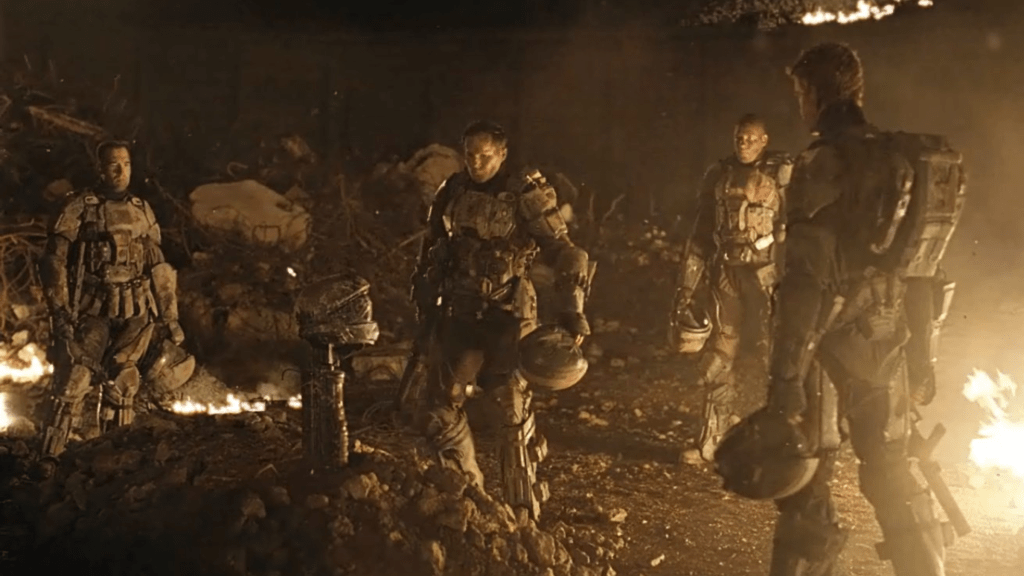
The Covenant War stands as one of the most far-reaching conflicts in science fiction lore. Humanity’s struggle against the Covenant, a theocratic alliance of alien species, spans decades and multiple worlds. The series adaptation captures the desperation of a technologically advanced but fragmented humanity facing a zealous enemy armed with both divine conviction and superior weaponry.
The Spartans represent humanity’s determination and cruelty, created to quell rebellion yet repurposed to fight extinction. The Covenant’s near-fanatical belief in their “Great Journey” transforms the conflict into a cosmic crusade, making it both an existential and philosophical struggle.
9. The Clone Wars — Star Wars: The Clone Wars (TV Series)

The Clone Wars reshape the galaxy from within, portraying a war fought as much in the Senate as on the battlefield. Jedi generals lead armies of cloned soldiers against separatist droid legions, unaware they are pawns in a grander Sith scheme. The animated series enriches this period with complex morality, showing the emotional bond between the Jedi and their clones, who are both soldiers and victims of manipulation.
Each campaign — Umbara, Mandalore, and countless others — reveals the slow rot within The scale of the conflict feels immense, yet deeply personal, and the series delivers some of the most nuanced depictions of loyalty and betrayal in the Star Wars saga.
8. The War for Cybertron — Transformers: War for Cybertron Trilogy
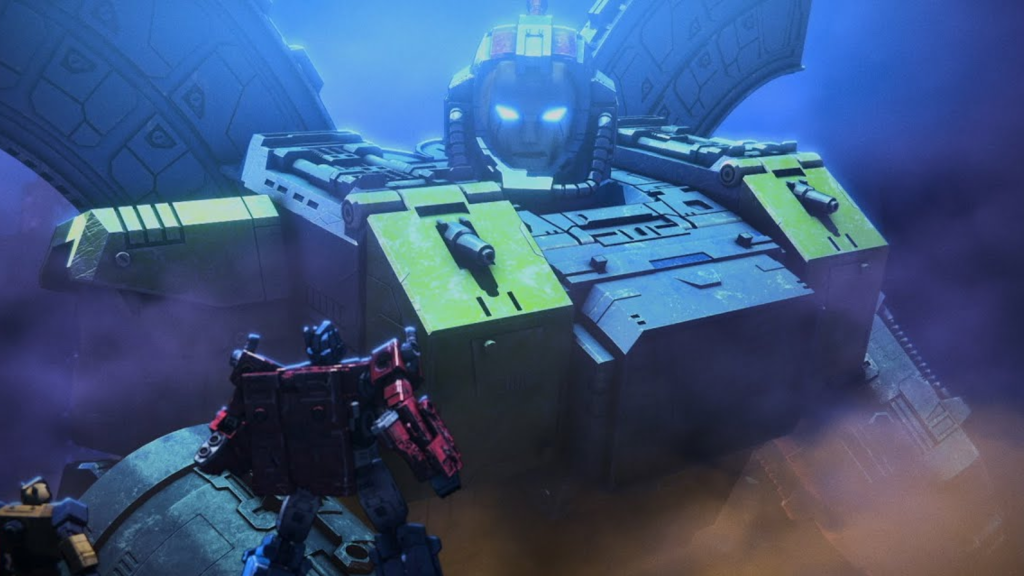
The War for Cybertron is a civil war that tears apart an entire planet. Autobots and Decepticons fight not for dominance of space but for the soul of their species. The metallic world of Cybertron becomes a graveyard of ideology, with Optimus Prime and Megatron clashing over freedom versus control. Megatron’s descent from revolutionary to tyrant feels earned, while Optimus Prime’s leadership is burdened with painful sacrifice. The trilogy’s greatest success lies in reminding audiences that even machines can fight deeply human wars.
7. The Time War — Doctor Who
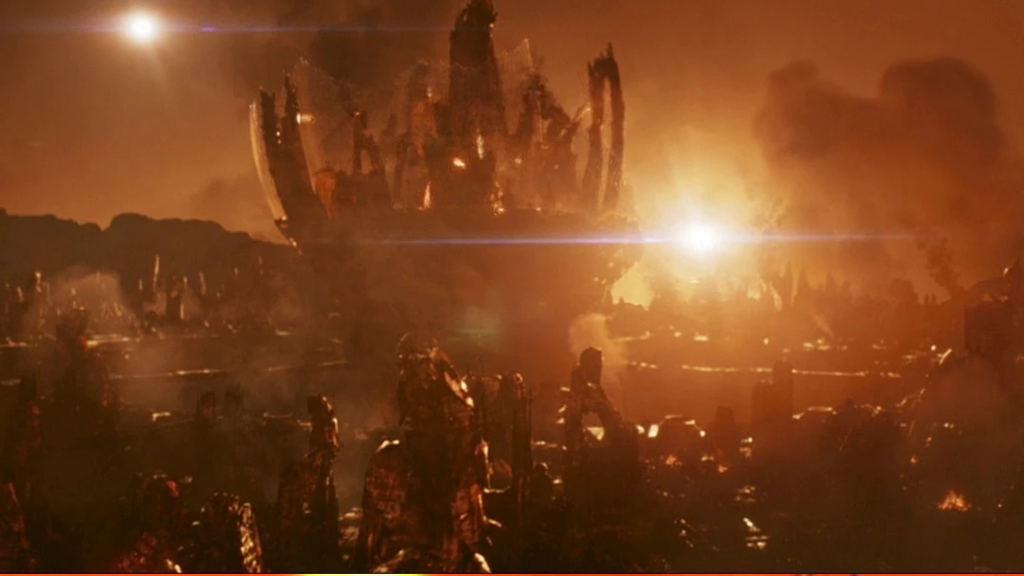
The Last Great Time War between the Time Lords and the Daleks reshapes time itself. It is less a conflict over territory and more a war that breaks the fabric of reality. Doctor Who presents it as a cosmic tragedy, described through whispers, memories, and emotional aftermath rather than linear storytelling. The Doctor’s survival amid the annihilation of both sides defines generations of the show’s mythology.
This war operates on a grand conceptual scale. Planets, histories, and timelines perish in paradoxes, leaving the Doctor burdened with guilt and loneliness. While fans never see the full scope of the war, its consequences ripple through every season.
6. The Rebellion Against the Fire Nation — Avatar: The Last Airbender

The Hundred Year War between the Fire Nation and the other elemental nations is one of the most emotionally resonant conflicts in fantasy animation. It begins with imperial ambition and unfolds into a worldview shaped by power and guilt. The Fire Nation’s industrial militarism contrasts beautifully with the spiritual harmony of its enemies, creating a dichotomy that defines the show’s moral center. Aang’s journey is both personal and political. His refusal to kill the Fire Lord breaks the cycle of violence while exposing the cost of peace.
5. The Cylons’ War Against Humanity — Battlestar Galactica (2004)

When the Cylons return to exterminate their creators, humanity’s arrogance meets its reckoning. The war begins with nuclear annihilation and devolves into a chase for survival across the stars. The reimagined series transforms a war between machines and humans into a brutal meditation on morality, faith, and identity. Both sides question what it means to be alive, and who truly deserves redemption. By the time the final conflict unfolds, viewers no longer see simple heroes or villains — only beings desperate to find meaning amid cycles of violence.
4. The First War — Warcraft (2016 Film & Lore Universe)
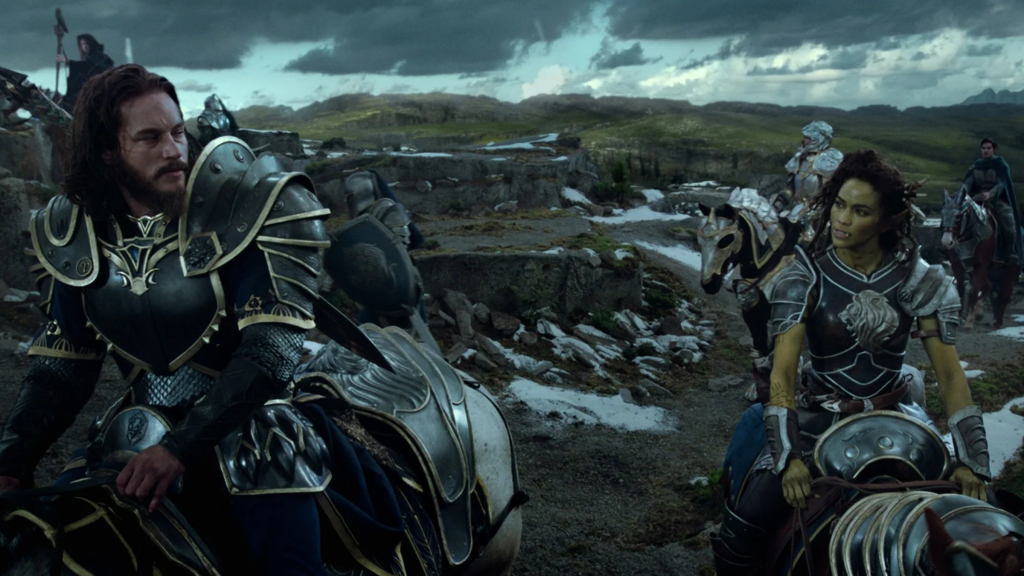
The First War between humans and orcs brought cinematic scale to bladed fantasy in a way few franchises achieve. The conflict begins as an invasion but evolves into a narrative about misunderstanding and destiny. Orcs flee their dying world, only to become invaders out of desperation. The humans of Azeroth, led by Lothar and King Llane, fight for survival but also for compassion in the face of monstrous appearances.
Unlike most fantasy wars, the First War never indulges in simplicity. It showcases tragedy over triumph, loss over glory. The magic-fueled combat and massive sieges look stunning, yet the story’s power rests in its emotional undercurrent. The death of heroes and the birth of bitterness that fuels generations of conflict.
3. The War Against Thanos — Marvel Cinematic Universe
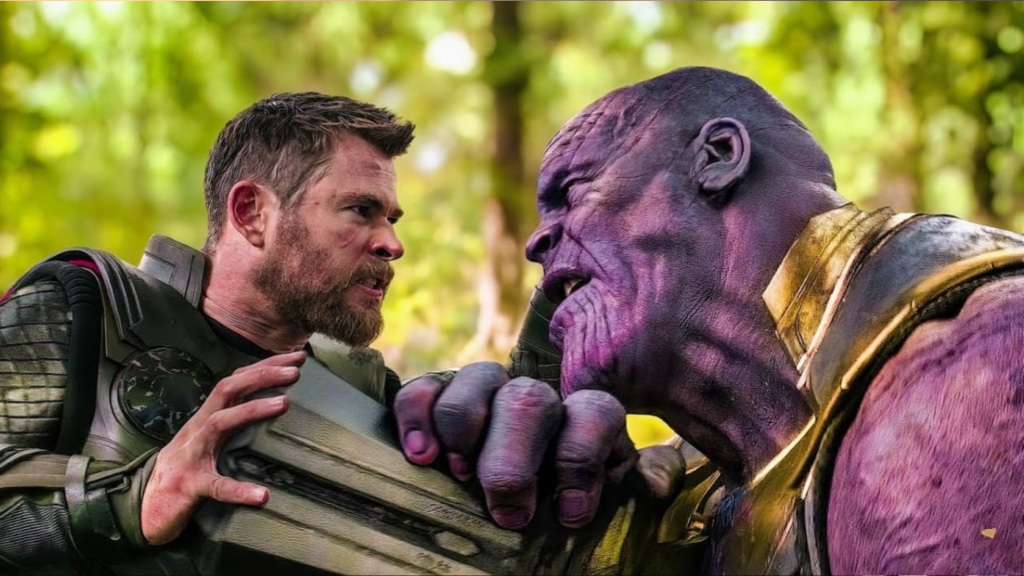
The conflict with Thanos stands as one of the defining cinematic wars of modern storytelling. Spanning galaxies, timelines, and ideologies, the Avengers’ battle against the Mad Titan unites nearly every corner of the MCU. The Infinity War and Endgame duology completes over a decade of narrative build-up, offering a rare sense of scale and emotional closure in blockbuster history.
Thanos embodies grim logic, battling for balance while committing genocide. The heroes’ sacrifice and loss in Infinity War redefine what defeat means in a commercial franchise. Endgame transforms victory into a meditation on grief, legacy, and the cost of resurrection. Few fictional wars marry spectacle with emotional finality this effectively.
2. The War for the Iron Throne — Game of Thrones
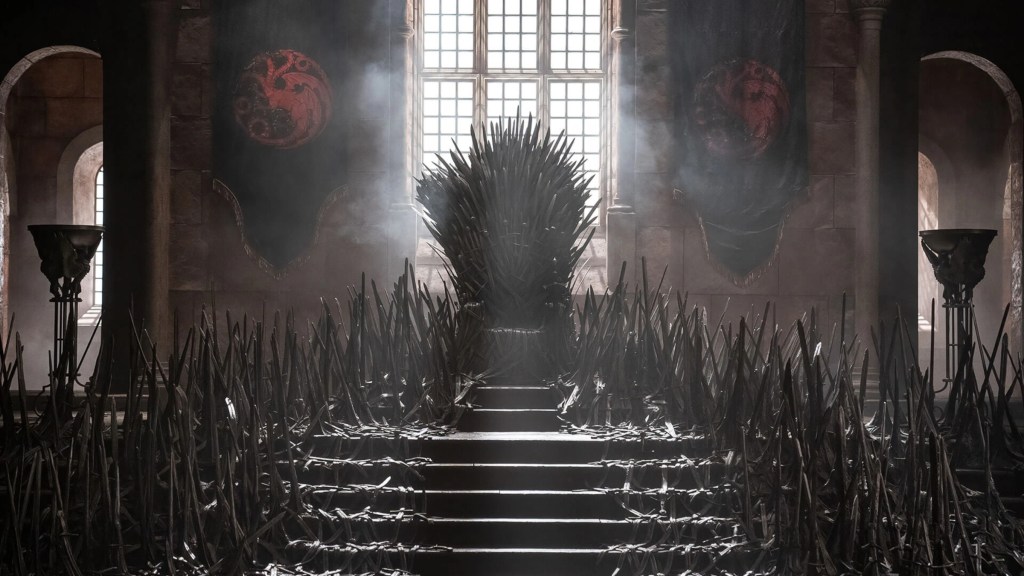
The War for the Iron Throne reshaped television’s approach to high fantasy. Power struggles among noble houses escalate into relentless wars that decimate kingdoms and betray alliances. The series crafts political warfare as intimately destructive, turning every victory into a seed for the next rebellion. The major battles — Blackwater, the Bastards, Winterfell — cemented Game of Thrones as a masterclass in tactical storytelling and emotional ruin. Beyond swords and dragons, this war is about ambition, fear, and the decay of morality under power’s weight. The show’s willingness to let chaos reign transformed how audiences perceived epic conflict.
1. The War of the Ring — The Lord of the Rings Trilogy
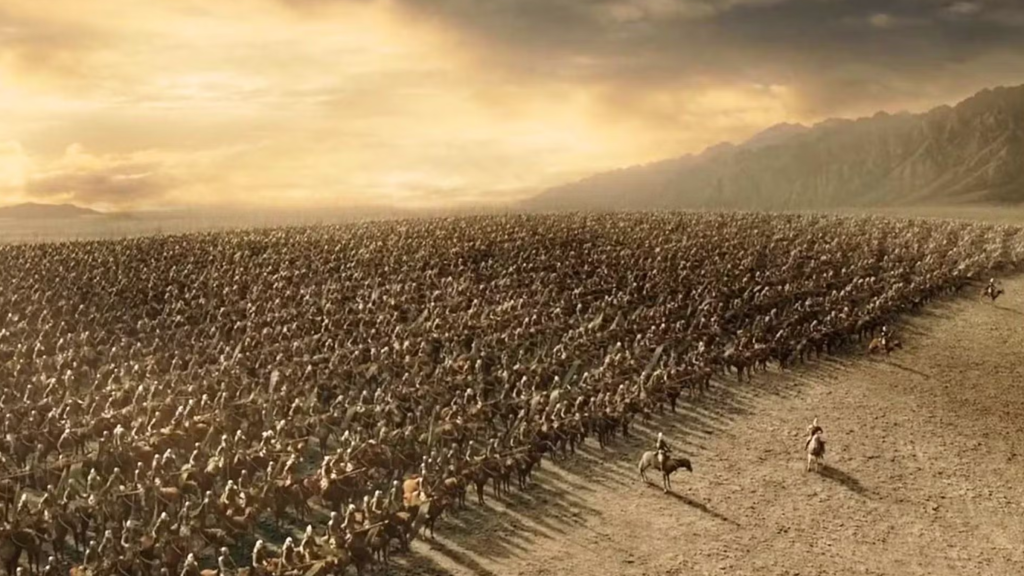
The War of the Ring remains the gold standard of epic conflict in fantasy cinema. The alliance of men, elves, dwarves, and hobbits against the dark lord Sauron defines the genre’s emotional and moral architecture. Peter Jackson’s trilogy brings Tolkien’s mythic prose to life with grandeur and humanity, transforming sieges like Helm’s Deep and the Pelennor Fields into cinematic poetry. The War of the Ring serves not only as a finale to an era of storytelling, but as the blueprint for how fantasy wars should balance awe with meaning.
What do you think? Leave a comment below and join the conversation now in the ComicBook Forum!
Most Viewed
-

Courtesy of Sony Pictures Animation / McDonald's -
Courtesy of Sony Pictures Animation / McDonalds -

Images courtesy of Warner Bros. Pictures -
Image Courtesy of Netflix -

Image courtesy of The Pokemon Company -

Image Courtesy of Marvel Comics