Hollywood has been remaking the same movies and projects ever since commercial cinema began; just look at how many times they’ve gone back to the well of Dracula and Frankenstein. It’s not simply a matter of creative bankruptcy, but different ideas on the material leading to fresh takes that inspire people. Plus, people like them. For all the poo-pooing that you hear when a new movie remake is announced, that’s really what it all comes down to: audiences like watching remakes. 49 years ago this week, one of the biggest remakes in Hollywood history was released in the form of 1976’s King Kong.
Videos by ComicBook.com
A passion project for producer Dino De Laurentiis, the 1976 remake of King Kong marked a return to Skull Island and the giant ape since 1933, when Merian C. Cooper’s original film (and its hastily put together sequel) were released. The decades afterward had made King Kong into a cinematic icon, which gave this remake a lot of potential, given the advancement in filmmaking. The result, however, wasn’t just a remake largely forgotten over time, but a legal case that still defines what creatives can do in Hollywood.
The 1976 King Kong Remake Caused Multiple Lawsuits

Accounts differ on who decided to remake King Kong first, but in truth, Dino De Laurentiis is the one who came out on top, as he secured the rights to a remake from RKO General, the parent company that owned RKO Pictures and its assets. He moved quickly on this matter, hiring director John Guillermin, plus Jeff Bridges, Charles Grodin, and Jessica Lange to star in the film. He also secured special effects maestros Carlo Rambaldi and Rick Baker to bring the great ape to life. There were two problems with this, of course, the first is that Universal Pictures was already in talks to make their own remake of King Kong at the same time, and the second is that RKO didn’t actually own King Kong anymore.
Ahead of the release of King Kong, Universal filed a lawsuit against RKO for breach of contract (having given De Laurentiis the rights rather than them), only to realize in the discovery process that the novelization of King Kong had fallen into the public domain. As such, they decided to proceed with their own remake of the film, basing it on those public domain assets and not the movie itself. As a result, RKO countersued, alleging copyright infringement. De Laurentiis remained involved as well, suing with the complaint that all these lawsuits were going to hurt his movie.
At this point, a surprise party got involved, Richard Cooper, the son of Merian C. Cooper, who alleged that the original contract between his father and RKO was satisfied with the release of King Kong and its sequel, and that RKO didn’t actually own the rights. All of this legal curfuffle boiled over into one final judgment, where it was determined that not only did RKO not have the actual rights to King Kong to license out to anyone, but that, yes, the novelization of King Kong is public domain and free for anyone to use. This all now confirmed, Cooper quickly turned around and sold what rights he did own of the original King Kong back to Universal, but the story doesn’t end there.
Fifty Years Later, Hollywood Is Still Working Around The Kong Court Cases
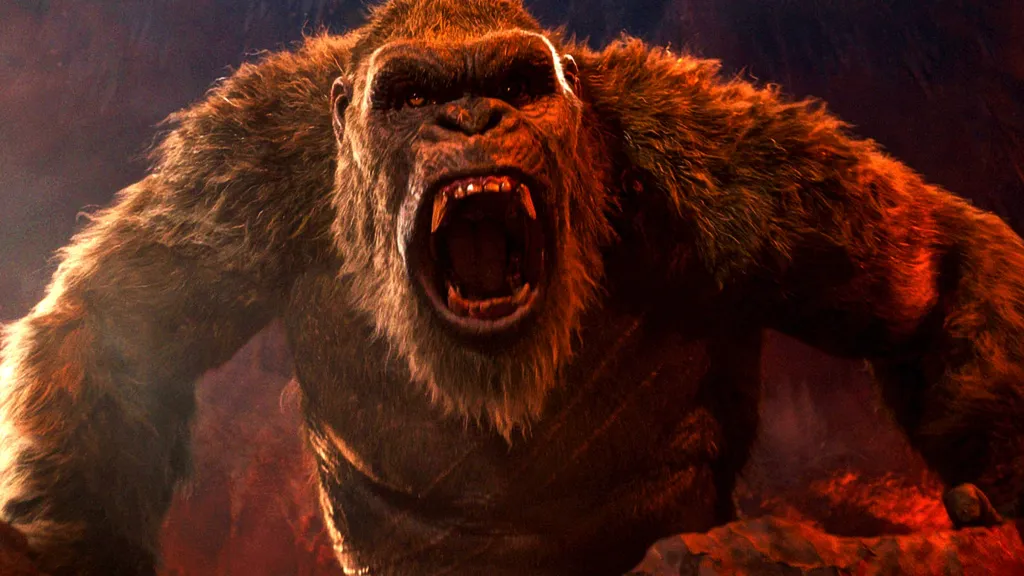
The confirmation that King Kong‘s novelization is in the public domain normally would make things crystal clear about what filmmakers and storytellers can get away with. Unlike, say, Frankenstein and Dracula, though, there is the added wrinkle of the 1933 feature film still being copyright-protected. There are only a few key differences in the King Kong novelization and the feature film, but they’re enough to make an impact. They include:
- In the novel, the ship they travel on to Skull Island is the Wanderer, but in the film it’s the Venture
- The novel also includes a notable deleted scene from the movie, dubbed the “spider pit scene,” with monstrous giant arachnids.
- Carl Denham, the filmmaker at the center of the story, is never referred to by his first name in the novel
- Most importantly, Kong’s death at the Empire State Building is vastly different. In the film, he simply falls, whereas in the novel, he tumbles after trying to grab one of the planes.
These may not seem like major differences, but they force new takes on Kong to play by the rules. Even Legendary Pictures, the studio whose current take on King Kong is perhaps the best known, has to play within the bounds of the Kong novelization for their MonsterVerse movies. The good news for them, and most other studios that have made new King Kong material, is that everyone largely just wants to take the concept of a giant gorilla named Kong as their base and then do their own thing from there. Luckily, that’s enough to satisfy the public domain nature of the story, but that doesn’t make it any less convoluted from a rights perspective.
So it’s true, anyone can do anything they want with King Kong these days, thanks to the novelization of the 1933 movie being public domain, and the many lawsuits that resulted from the first remake. Now, though, you have to be careful about every other version of Kong. Don’t get too close to what anyone else has done, and you should be fine. The lingering popularity of King Kong makes the property a tough road to navigate, but that doesn’t stop anyone from thinking about it. In 2022, Disney announced plans to make a King Kong TV series for Disney+, but it remains lost in the mist of Skull Island.
Most Viewed
-
Image Courtesy of Disney+ -

Image Courtesy of Hakusensha