The foundations of the modern superhero genre can be traced back to the 1930s, when National Allied Publications transformed from a fledgling pulp distributor into the progenitor of a global mythology. Beginning with the debut of Detective Comics and the subsequent arrival of Superman in 1938’s Action Comics #1, the brand established itself as the paragon of sequential storytelling, crafting a pantheon of legends that would eventually transcend the printed page. Over the following nine decades, the DC universe underwent constant evolution, through seismic comic book reboots, high-budget theatrical features, and expansive video game franchises. This long history of narrative expansion has been shaped by a select group of visionaries who managed to distill complex histories into accessible forms. One of the primary architects of DC’s current pop culture dominance celebrates his birthday today.
Videos by ComicBook.com
Bruce Timm remains a central figure in the history of superhero media, as one of the main creators behind the most influential era of DC animation. Born on February 5, 1961, Timm initially cultivated his distinctive aesthetic through work on various 1980s productions before spearheading a creative revolution at Warner Bros. Animation. Alongside Eric Radomski, he co-created Batman: The Animated Series, a project that fundamentally redefined the Dark Knight for a global television audience. The series’s success served as the cornerstone for an interconnected narrative web known as the DC Animated Universe, which eventually encompassed Superman: The Animated Series, Batman Beyond, Justice League, and Justice League Unlimited. By the time the franchise reached its conclusion, Timm had overseen a cohesive continuity that spanned over fourteen years of television, providing a unified vision of the DC mythos that often rivaled the source material in terms of depth and emotional resonance.
How Bruce Timm’s DC Animated Universe Changed the Brand Forever
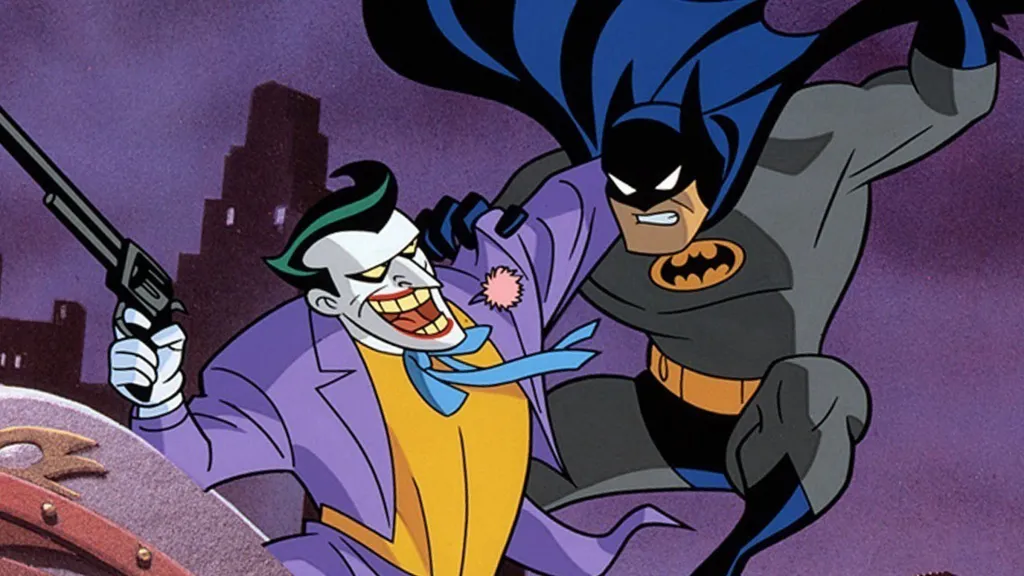
The implementation of the DC Animated Universe represented a revolutionary experiment in serialized storytelling, establishing a massive, interconnected continuity long before the Marvel Cinematic Universe attempted a similar feat in live-action cinema. This endeavor began with the simple introduction of Batman (voiced by Kevin Conroy) and expanded significantly with the arrival of Superman (voiced by Tim Daly), eventually culminating in an ensemble cast that utilized the full breadth of the DC roster. By maintaining a consistent visual shorthand and shared history across multiple series, the production team fostered a sense of narrative weight that encouraged long-term viewer investment. This connectivity also allowed for ambitious crossover events, such as the three-part “World’s Finest” arc, which effectively managed the tonal friction between the shadows of Gotham City and the bright futurism of Metropolis. For many viewers, these animated iterations became the definitive versions of DC characters, offering a level of consistency that was frequently absent from the fractured comic book continuity of the 1990s.

Timm’s storytelling approach was also characterized by an eagerness to streamline confusing histories and introduce new elements that would eventually migrate back into the primary comics. The most significant example of this narrative refinement is the total transformation of Mr. Freeze (voiced by Michael Ansara), a character who was originally a generic gimmick villain. Through the episode “Heart of Ice,” Timm and his team introduced a tragic motivation involving the cryogenic preservation of his wife, Nora, a change so impactful that it was immediately adopted by DC Comics. This same commitment to psychological depth is evident in the reimagining of Clayface (Ron Perlman). In the animated series, Matt Hagen was depicted as a fading actor who used a transformative chemical to maintain his looks, a tragic origin that replaced the more disparate versions found in the comics. This specific interpretation is even serving as the narrative foundation for the live-action Clayface film set for release later this year.
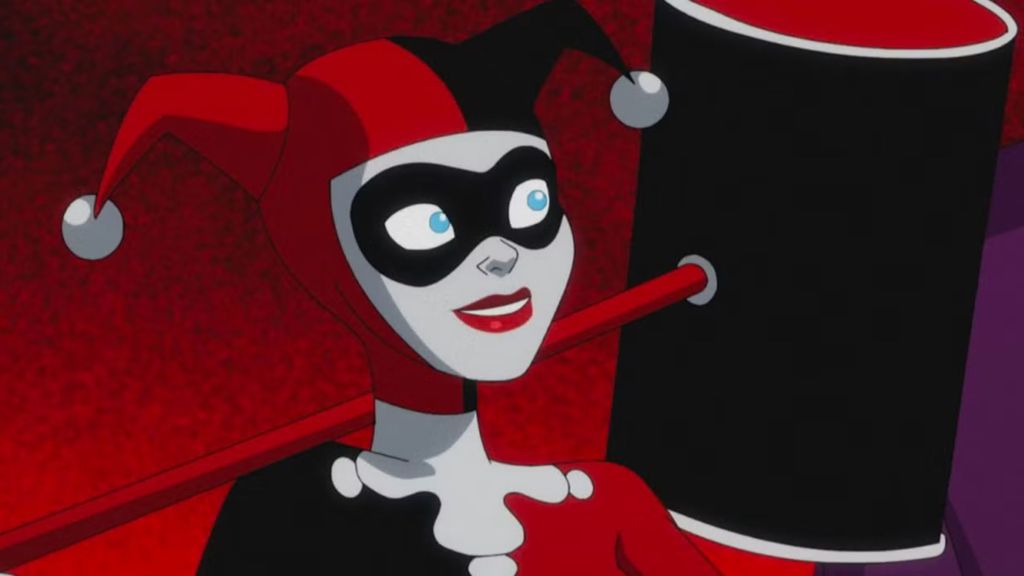
Furthermore, Batman: The Animated Series demonstrated a remarkable flexibility by introducing entirely original characters that helped underline the limitless potential of the DC Universe. The most famous addition is Harley Quinn (voiced by Arleen Sorkin), a character who eventually evolved into a pillar of the DC brand alongside the Joker (voiced by Mark Hamill). Timm also explored the concept of legacy through Batman Beyond, introducing Terry McGinnis (voiced by Will Friedle) as a futuristic successor to an aging Bruce Wayne. By moving the timeline forward and creating a new hero from scratch, Timm proved that the core themes of the Batman mythos could survive a total change of cast and setting. This ability to both respect the past and courageously invent for the future allowed the DCAU to remain fresh, proving that the DC lore was a living document rather than a static relic.
Bruce Timm is currently executive producing the second season of Batman: Caped Crusader, which is scheduled to premiere on Prime Video in late 2026.
How important was Bruce Timm’s DC Animated Universe for you to fall in love with the brand? Leave a comment below and join the conversation now in the ComicBook Forum!
Most Viewed
-

Image courtesy of Amazon MGM Studios -

Image Courtesy of MAPPA -
Image courtesy of Tor Books/Macmillan