When the final credits rolled on the eighth and final episode of Stranger Things Season 5, it marked more than just the end of the saga for Hawkins and its residents. It signaled the closing of a landmark chapter in entertainment history. While Netflix produced original hits before the Duffer Brothers pitched their nostalgic sci-fi love letter, nothing could have predicted the seismic cultural shift Stranger Things would trigger upon its relatively quiet debut in 2016. It transformed Netflix from a convenient digital library of licensed content into a global behemoth.
Videos by ComicBook.com
As fans process the ultimate and final showdown with Vecna and the Mind Flayer, the industry is forced to reckon with a sobering reality: the show that truly defined the streaming era is over, leaving behind a void that may be impossible to fill.
Stranger Things Proved That Original Programming Secured Streaming Survival

Before Eleven stepped into Benny’s Burgers in the very first episode back in 2016, the concept of streaming originals was still finding its footing. Netflix had critical darlings like House of Cards and Orange is the New Black—shows that earned their fair share of prestige and awards. Yet, these series lacked the universal appeal of a true blockbuster. Stranger Things changed that immediately. It was a lightning-in-a-bottle phenomenon that combined Steven Spielberg’s wonder with Stephen King’s dread, creating a cross-generational obsession that traditional broadcast television could no longer manufacture.
The series proved that a streaming service could launch a massive, franchise-spawning intellectual property without relying on a theatrical release. The following explosion of merchandise, the resurgence of Dungeons & Dragons and 80s pop music on the charts, and the endless Halloween costumes showed a gravitational pull that competitors could not match and desperately envied. Netflix was no longer just a place to rewatch The Office; it was the home of the biggest show on the planet.

The unprecedented success of the Hawkins Party didn’t just boost Netflix’s subscription numbers; it rewrote the playbook for the entire media sector. In the wake of the show’s explosion, it became clear to studios and other streaming services that simply housing libraries of older films and sitcoms was not enough for long-term growth. To flourish in the new economy, streamers needed unique, must-see television that drove sign-ups and dominated social media conversation.
Stranger Things effectively acted as the proof of concept for the entire streaming boom. The countless billions spent over the last decade by emerging rivals like Disney+, Amazon Prime Video, and HBO Max on high-budget fantasy, sci-fi, and nostalgic tentpoles can largely be traced back to this single show. Every studio began chasing its own Stranger Things, validating a business model that hinged on massive spending for exclusive IP. The industry pivoted from curation to creation, fueled by the belief that the next global obsession was just one great pitch away.
The Streaming Landscape Faces an Uncertain Future Without Its Biggest Flagship Series
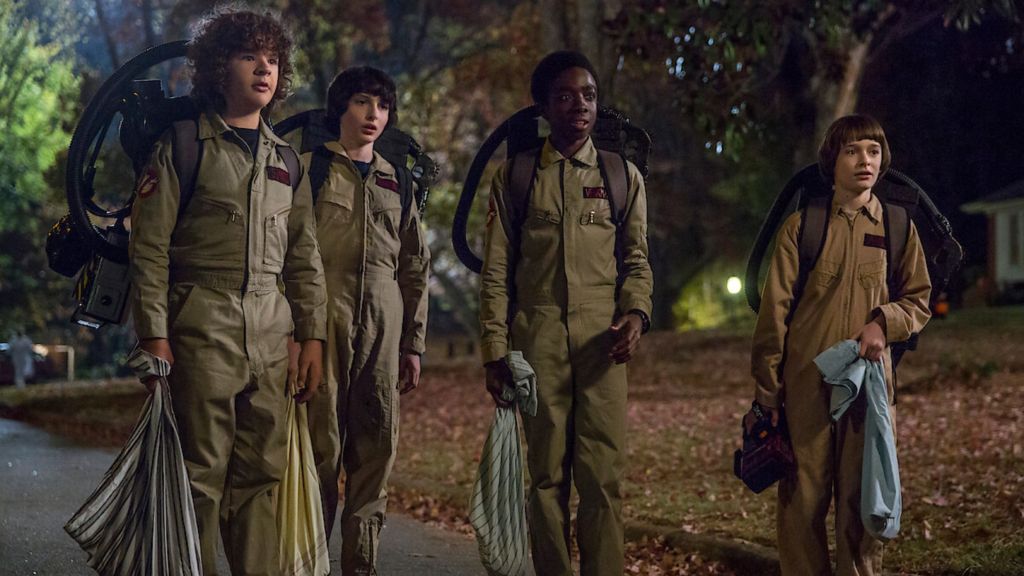
As fans and critics alike process the series finale (Episode 8: “The Rightside Up”), the pressure on Netflix executives is perhaps greater than the expectations the writers faced to deliver a satisfying conclusion. Netflix is losing its most reliable franchise at a precarious moment in the industry’s evolution, which is marked by market saturation and cost-cutting.
While Netflix has developed impressive successors like Wednesday and Squid Game, none have yet matched the sustained, foundational impact of Stranger Things. It was the bridge between the golden age of cable TV and the digital future, managing to create a shared/universal viewing experience, even in an on-demand world.
The finale is a victory lap for a show that accomplished what many thought impossible, but it also serves as a daunting threshold. Netflix built its empire on the back of the Upside Down. As that gate is finally sealed, the streaming giant must prove it can maintain the crown in a new, far more crowded era without the show that built the kingdom.
What do you think? Leave a comment below and join the conversation now in the ComicBook Forum!
Most Viewed
-
Image Courtesy of Prime Video -
Image Courtesy of Netflix -

Image Courtesy of MAPPA