The current dominance of the Marvel Cinematic Universe often obscures the precarious financial situation that once threatened the very existence of the Marvel brand. During the late 1990s, the company faced a dire bankruptcy crisis that forced executives to liquidate their most valuable assets by selling off the cinematic rights of iconic characters to various film studios. While the eventual creation of Marvel Studios and the subsequent acquisition of the brand by Disney led to a massive consolidation of these properties—a process significantly accelerated by the landmark merger with 20th Century Fox—Spider-Man remained the notable outlier. Because Sony Pictures continues to hold the theatrical rights to the Spider-Man brand, Marvel Studios is legally prohibited from producing feature films featuring the character, his allies, or his villains without Sony’s direct involvement. However, the legal framework governing the television sector operates under a vastly different set of parameters.
Videos by ComicBook.com
The origins of this complex television arrangement can be traced back to the initial acquisition era, when Sony secured the rights for both live-action and animated media featuring Spider-Man characters. In those early stages of the partnership, Sony used these rights to produce projects such as the short-lived Spider-Man: The New Animated Series on MTV. The dynamic shifted when the two corporations re-entered negotiations to facilitate the inclusion of Peter Parker in the MCU. To secure specific concessions and financial benefits on the theatrical front, Sony reportedly agreed to return the animated television rights to Marvel, provided those productions adhered to very specific formatting restrictions. This exchange created a bifurcated rights system where the medium of television is effectively split between the two studios.
What Are the Rules of Spider-Man’s TV Rights?
The boundaries of Marvel and Sony’s legal divide were brought to light following the massive leak of internal Sony documents in 2014, which revealed a meticulously detailed contract regarding the “Spider-Man” property. According to those files, Sony retains the exclusive rights to produce live-action television series of any length, as well as animated television series where the episodes exceed 44 minutes in duration. Conversely, Marvel Studios maintains the authority to develop animated projects featuring the wall-crawler, provided the individual episodes remain below that 44-minute threshold.

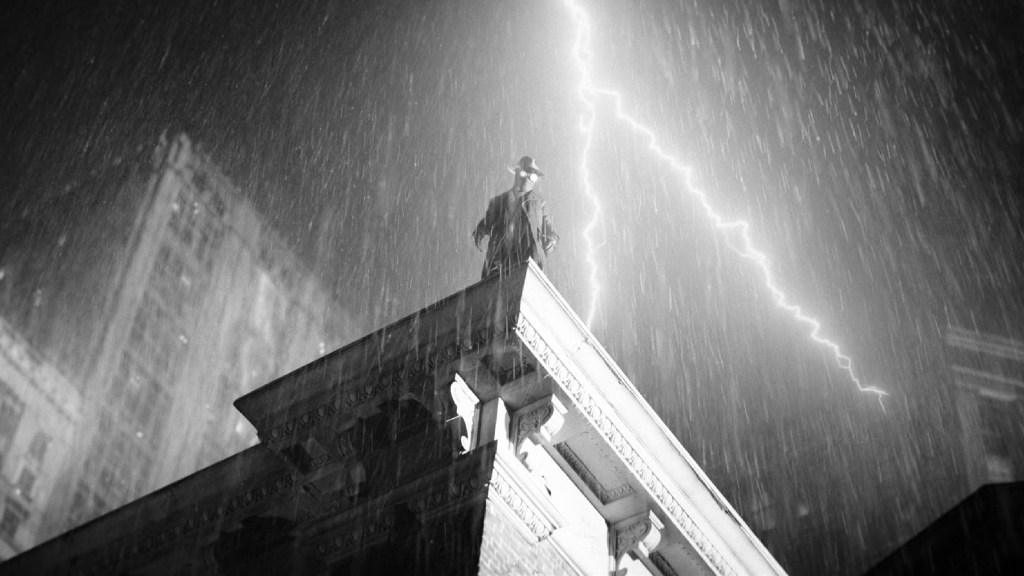
While the public has not seen a formal update to these contracts in over a decade, the current output from both studios suggests that these specific mandates are still being strictly enforced. This is why Sony is currently leading the production of the live-action Spider-Noir series, which stars Nicolas Cage as an aging private investigator in a 1930s-inspired reality. Because the series is live-action, it falls entirely within Sony’s jurisdiction, allowing it to premiere on MGM+ and Prime Video without being a Marvel Studios production or following the MCU’s narrative constraints.
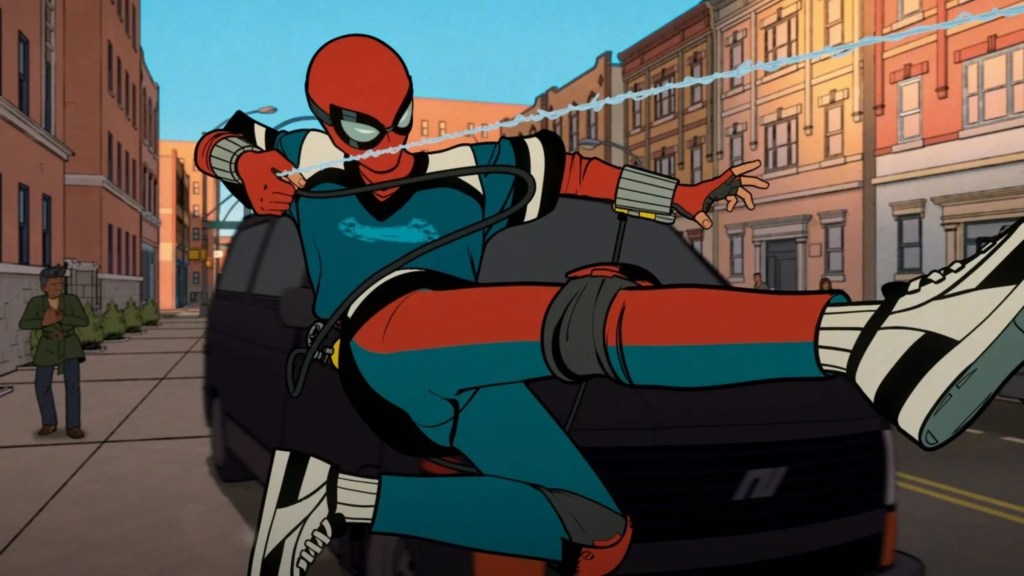
Simultaneously, Marvel Studios has successfully utilized its own slice of the rights by launching the animated series Your Friendly Neighborhood Spider-Man. The show features Peter Parker (voiced by Hudson Thames) navigating an alternate origin story set in one of the MCU’s timelines, reinventing many classic villains to fit this new continuity. Still, by keeping the episodes of the show within a 30-minute runtime, Disney is able to maintain full creative control without infringing on Sony’s territory.
Beyond television, the relationship between the two entertainment giants has only deepened as they prepare for the release of Spider-Man: Brand New Day in theaters. This fourth installment of the Tom Holland-led franchise is set to feature high-profile appearances from Frank Castle (Jon Bernthal) and Bruce Banner (Mark Ruffalo), signaling a level of brand synergy that was once thought impossible. Furthermore, rumors within the industry suggest that Sony has become increasingly lenient regarding the use of its licensed characters within the broader MCU, a trend that could eventually lead to even more collaborative efforts on the television side of the business after the Multiverse Saga resets the MCU.
Spider-Noir is scheduled to premiere on MGM+ on May 25th, followed by a global release on Prime Video on May 27th. Spider-Man: Brand New Day will hit theaters on July 31st. There’s also the second season of Your Friendly Neighborhood Spider-Man coming in 2026, although we still don’t know exactly when.
Do you think Marvel Studios should eventually regain the full live-action television rights for Spider-Man? Leave a comment below and join the conversation now in the ComicBook Forum!
More TV Shows
-

Image courtesy of Syfy -
Image Courtesy of Marvel -

Image courtesy of Prime Video -

Image courtesy of Prime Video