The Simpsons was built to be rewatchable before streaming made that a lifestyle. For a long stretch, the show mastered a kind of comedy density that rewards repetition. You can watch an episode casually and laugh at the obvious plot jokes, then watch it again and catch the background gags, the throwaway lines that become the funniest part, and the way a single scene is often doing three different jokes at once.
Videos by ComicBook.com
The show is constantly borrowing the structure of other kinds of stories and then twisting them through Springfield logic. That gives episodes a familiar shape while still letting them surprise you. On rewatch, you notice the craftsmanship.
12. “Last Exit to Springfield” (Season 4, Episode 17)

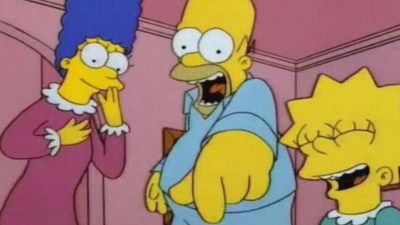
The single most replayable “Simpsons does labor politics” episode because every scene lands with a joke and a real point. Homer becomes union president to save the dental plan, and the episode turns workplace negotiation into a rapid-fire comedy clinic. Mr. Burns gets some of his sharpest material here, and the show nails the feeling of regular people bluffing their way through serious stakes.
It also rewards rewatches because the jokes stack. “Lisa needs braces” stays funny because it’s built into the episode’s structure, not tacked on as a random gag. The pacing barely breathes, the satire stays clear, and the ending feels earned without turning sentimental.
11. “Marge vs. the Monorail” (Season 4, Episode 12)
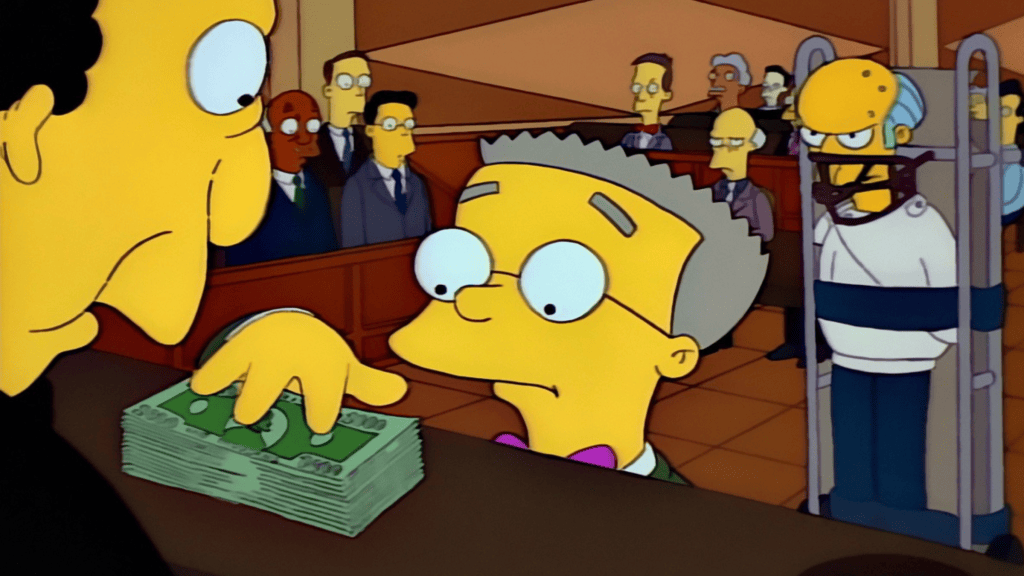
This one replays like a blockbuster in miniature. Lyle Lanley blows into Springfield, sells a civic boondoggle with pure charisma, and the town falls for it because they want a miracle. It’s a perfect send-up of flashy public projects and small-town herd mentality, and it moves fast enough to feel like a ride.
The monorail itself becomes a playground for set pieces, but the best rewatch value comes from the details. “Monorail” songs, background reactions, and the way the town treats evidence like an inconvenience all hit again and again. Even the throwaway lines feel polished, which is why it stays endlessly quotable.
10. “You Only Move Twice” (Season 8, Episode 2)

Hank Scorpio alone makes this episode rewatchable, but the whole thing works because it’s a clean concept executed perfectly. The family moves to Cypress Creek, Homer finds a dream job, and the show builds a weirdly plausible version of corporate utopia. It’s a fish-out-of-water episode that never wastes the premise.
Scorpio is the payoff. He treats Homer with sincere kindness while casually running a Bond-villain operation, and that contrast keeps revealing new laughs on repeat viewings. The episode also gives every family member a strong subplot, so it never turns into “the Homer show” at everyone else’s expense.
9. “Cape Feare” (Season 5, Episode 2)

Sideshow Bob stalking the Simpsons could have been one-note, but the episode uses thriller structure to set up relentless comedy. The witness-protection angle keeps the plot moving, and Bob feels genuinely dangerous, which makes the jokes pop harder. The rake sequence remains a masterclass in escalation.
Rewatching also highlights how smart the script is about timing. The episode lets tension build, then punctures it with absurdity, then rebuilds it again. Bob’s cultured menace and the family’s incompetence create a clean comic engine that still runs perfectly.
8. “Homer’s Enemy” (Season 8, Episode 23)

This is one of the show’s most bitterly funny episodes, and that edge makes it hard to forget. Frank Grimes arrives as a grounded, hardworking guy who cannot process that Homer keeps failing upward. The comedy comes from the collision between sitcom logic and real-world frustration.
It’s rewatchable because it plays like a critique of the series’ own premise without turning into a lecture. The episode keeps finding new ways to show Grimes’ unraveling, and the Power Plant setting becomes funnier when you know how far it’s going to go. Dark, sharp, and weirdly honest.
7. “Treehouse of Horror V” (Season 6, Episode 6)

If you want the most replayable Halloween special, this one has the cleanest hit rate. “The Shinning,” “Time and Punishment,” and “Nightmare Cafeteria” each feel like full episodes compressed into tight, joke-dense segments. There’s no soft middle here.
Rewatches are rewarding because every segment is packed with quick visual gags and lines you miss the first time. The time-travel story alone is loaded with small continuity jokes and alternate Springfield details. It’s also a great “put it on anytime” episode because the anthology format keeps it breezy.
6. “Homer at the Bat” (Season 3, Episode 17)

This episode plays like a sports movie that refuses to take itself seriously, which makes it perfect comfort viewing. Mr. Burns hires ringers for the company softball team, and the writers cram the roster with MLB stars from the era. Each player gets a memorable moment without derailing the plot.
It’s also a rare celebrity-heavy episode that never feels like it’s begging you to clap. The jokes work even if you don’t recognize every player, and the “mysterious afflictions” are structured like punchlines with clean setups and payoffs. Easy to revisit, easy to quote.
5. “Homer the Great” (Season 6, Episode 12)
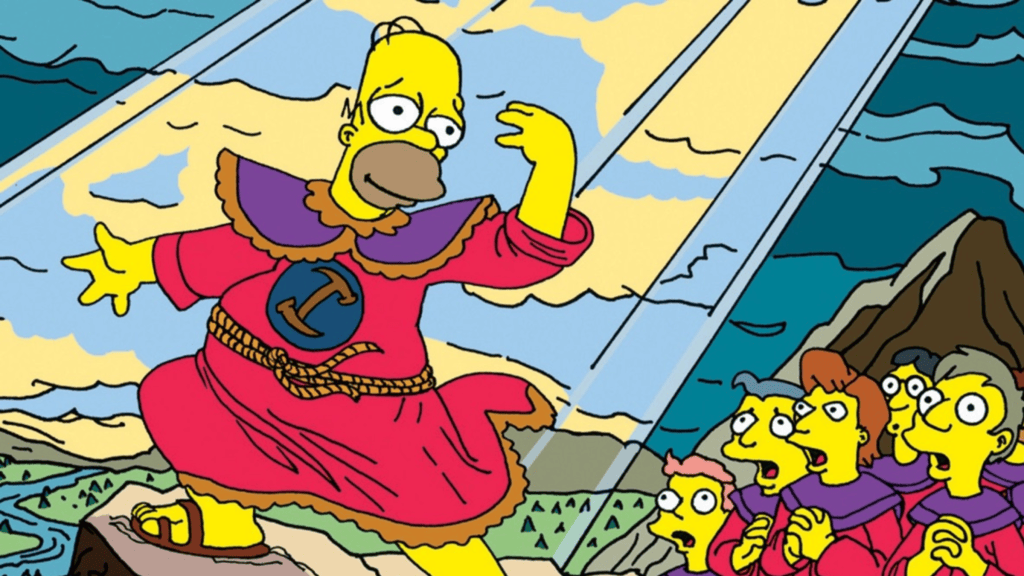
The Stonecutters episode stays rewatchable because it hits the sweet spot of ridiculous lore and sharp social satire. Homer stumbles into a secret society, instantly gets rewarded, and the episode skewers how clubs and institutions create meaning through pomp. “We Do” and the whole initiation sequence still crackle.
It also has some of the show’s best group comedy. The townspeople feel like a real ensemble here, and the episode makes Springfield’s adult world look both powerful and pathetic. The ending flips the premise in a way that keeps the story from getting lazy.
4. “Bart Gets an ‘F’” (Season 2, Episode 1)
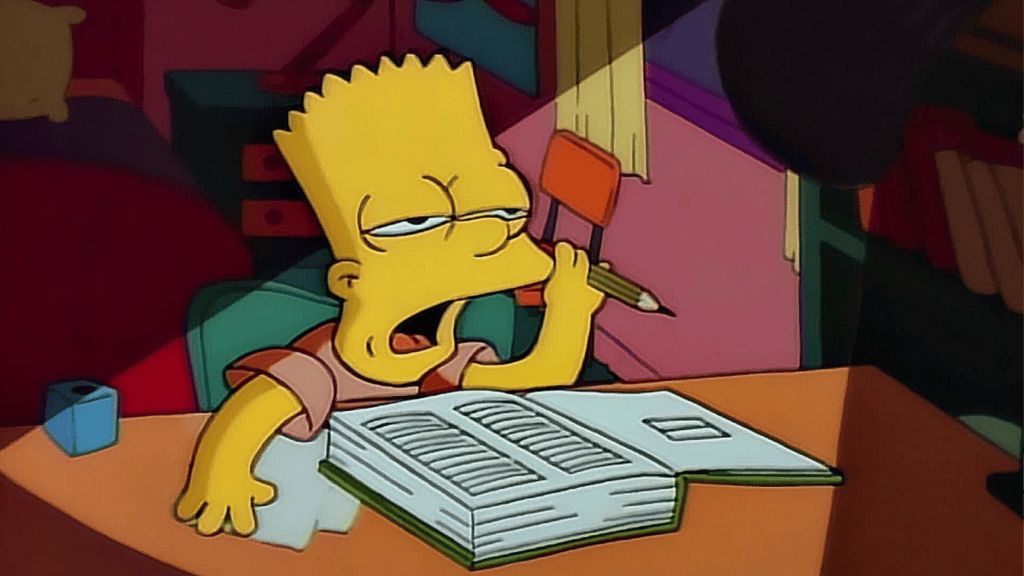
Rewatchability does not require nonstop jokes, and this episode proves it. Bart facing failure at school is simple, relatable, and emotionally honest without getting syrupy. The comedy works because it grows out of stress, avoidance, and Bart’s panic as the deadline closes in.
It also captures an early-series tone that later seasons rarely matched. You can rewatch it for the character work alone, and the final test scene still holds tension even when you know the outcome. It’s one of the clearest examples of the show balancing heart and humor.
3. “King-Size Homer” (Season 7, Episode 7)

This episode has a ridiculous premise that becomes increasingly logical inside the show’s world. Homer tries to gain weight to qualify for disability and work from home, and the writers squeeze every ounce of comedy out of laziness, loopholes, and unintended consequences. The imagery alone makes it stick.
Rewatching is fun because the gags are layered. The “working from home” setup generates a ton of small jokes about ergonomics, food, and Homer’s warped problem-solving. It also delivers one of the show’s best sequences of Homer improvising solutions that clearly will not hold.
2. “Homer Badman” (Season 6, Episode 9)

This episode keeps getting more relevant, which makes it dangerously rewatchable. Homer gets falsely branded as a creep after a misunderstanding, and the media circus spirals out of control. The satire is pointed without turning into a speech, and the town’s moral panic feels uncomfortably believable.
It rewards repeat viewings because of how carefully the misinformation spreads. Talk shows, sound bites, and selective editing stack up, and the episode shows how quickly reputations collapse once the narrative locks in. The jokes are sharp, but the underlying critique lands every time.
1. “Homer’s Phobia” (Season 8, Episode 15)
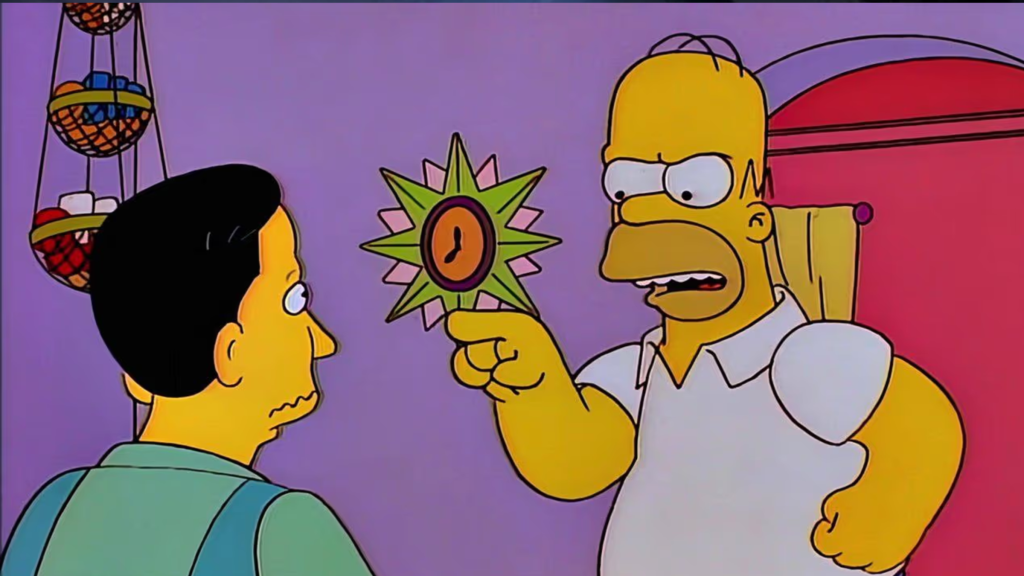
For pure rewatch value, this one delivers on plot, jokes, and a clear point without clumsiness. John (voiced by John Waters) befriends the family, Homer panics about Bart’s masculinity, and the episode dismantles Homer’s prejudice through escalating, ridiculous “solutions.” The writing stays confident and direct.
It also holds up because it treats the subject seriously while keeping the comedy aggressive. The episode never pretends Homer’s fear is reasonable, and it gives John real personality rather than using him as a lesson. The final act pays off with both laughs and growth, which makes it feel complete every time you revisit it.
What do you think? Leave a comment below and join the conversation now in the ComicBook Forum!
More TV Shows
-
Paramount & Toei Animation -

Warner Bros Discovery