Pop culture is changing, and so many of the best sci-fi franchises have been shaken. Back in 2023, Christopher Nolan hailed “Barbenheimer” – the success of both Oppenheimer and Barbie – as a sign the age of the franchise was finally coming to an end. Since then, Hollywood box office takings do indeed some to suggest he had a point; we’ve seen incredible hits with Sinners, Weapons, and even Project Hail Mary, while franchises have stumbled. The biggest film of last year, KPop Demon Hunters, is something fresh and new (even if Sony and Netflix are working to turn the Huntr/x girls into a franchise to rule the world).
Videos by ComicBook.com
And yet, I think Nolan is being a little simplistic. There is still a hunger for franchises; that’s why Netflix and Sony’s KPop Demon Hunters plans are so exciting, and it’s why there was immediate chatter about a Project Hail Mary sequel. The problem, though, is that the old, established science-fiction and fantasy franchises are being so badly managed. So here are four sci-fi franchises that deserve so much better – and why they’ve gone so wrong in the first place.
Star Wars
Starring Pedro Pascal as Din Djarin, with his delightful ward Grogu, The Mandalorian and Grogu was supposed to mark Star Wars’ thrilling return to the big screen. The problem, though, is that audiences aren’t convinced. Whether through poor marketing, lack of a central pitch, or just general weariness with the franchise, the film has currently only broken $320 million in the box office. It will be huge on Disney+, meaning Disney will just about be able to chalk it up as a success, but it’s just the latest sign something has gone badly wrong at Lucasfilm.
Seven years ago, Star Wars headed to the small screen. The Mandalorian was a hit, reinvigorating the brand as Disney+’s biggest streaming hit, but decision-makers made the mistake of overplaying the nostalgia card. Worse still, a string of poor creative choices undermined the shows; The Book of Boba Fett was very much the beginning of the end, while Hayden Christensen and Ewan McGregor’s reunion in Obi-Wan Kenobi was damaged by over-dependency on the same technology, set construction, and poor lighting. That show launched to high viewership, but dropped like a stone.
Part of the problem, though, is that Star Wars forgot who it is for: not just hardcore fans, but general audiences. George Lucas himself regularly clashed with the fanbase (I was part of it when the prequels released, and saw the furor first-hand). Over the last seven years, Lucasfilm became increasingly insular in the face of constant backlashes, with a strong emphasis on lore and continuity. Lucas protege Dave Filoni and ILM stalwart Lynwen Brennan are now co-presidents of Lucasfilm, and they desperately need next year’s Star Wars: Starfighter to offer something fresh and new for the 50th anniversary celebrations.
Doctor Who
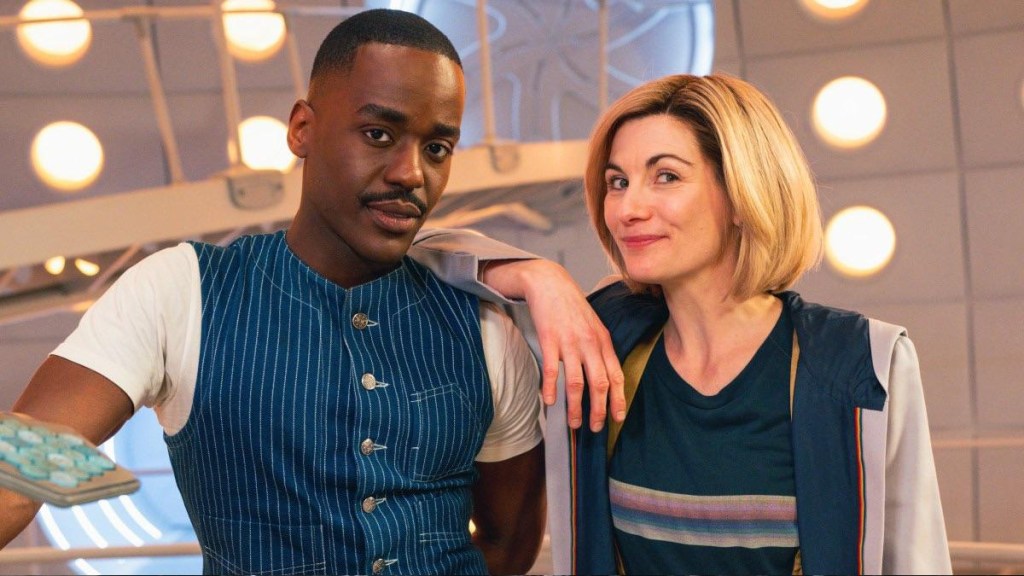
It’s been nearly ten years since Doctor Who was consistently good. The world’s longest-running sci-fi franchise, regeneration and renewal is literally baked into the heart of Doctor Who, with each change of lead giving an opportunity for new direction. Unfortunately, showrunners Chris Chibnall and Russell T. Davies have failed to make the most of that (even when, for two seasons, three specials and a spinoff, Doctor Who had Disney money behind it). Under Chibnall and Davies, Doctor Who became increasingly focused on continuity and deep lore. Chibnall’s controversial Timeless Child retcon rewrote the Doctor’s history, while simultaneously assuring viewers it didn’t change the Doctor’s character at all.
Davies ended Season 15 on a cliffhanger, hoping it would make enough waves to keep Disney on board. It didn’t, and this strategic mistake increasingly feels like a misstep the next production team will have to work around. Doctor Who‘s Christmas Special has been cancelled, and the show has now been put out for tender, with the BBC inviting pitches. To be fair, this is in accordance with the BBC Charter, so it doesn’t mean the show as a whole is cancelled; still, Doctor Who is undoubtedly in a bad way, and it will be 2028 at the earliest before the enigmatic Time Lord returns to our screens in (we hope) something fresh and new.
Star Trek

Starfleet Academy was supposed to be Star Trek‘s next big thing. Instead, it was cancelled, meaning the franchise as a whole has now broken an 11-year streak where a new Star Trek show was either greenlit or in production. Personally, I quite enjoyed the first season and I’m looking forward to the second; at the same time, I found the show absolutely bewildering. The stories went as deep into the lore as you can imagine; an entire episode was essentially an epilogue to the ’90s show Deep Space Nine. But the tone, style, and character arcs were aimed straight at Gen Z. Starfleet Academy tried to appeal to older viewers and young audiences at the same time, and hit neither.
The last phase of Star Trek TV has been the brainchild of Alex Kurtzman, whose time in the captain’s chair has come to an end. Behind the scenes, major company-level changes mean the creative vision and direction is up for grabs, and Paramount Skydance intend to head back to the screen. It’s the same approach Disney and Lucasfilm are trying to take with Star Wars, but it remains to be seen whether the results will be any more successful. Between 2016’s Star Trek Beyond and the present day, Paramount has greenlit and cancelled a staggering number of Trek films. We can only hope there’s a more concrete, thought-through creative vision behind whatever project winds up getting to theaters.
Stargate
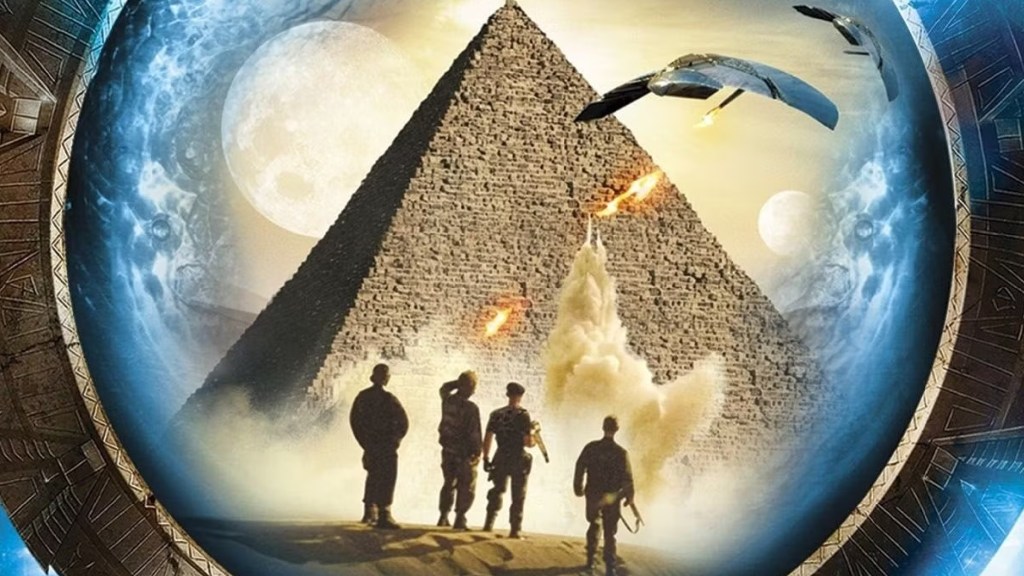
Finally, we come to a franchise that is well and truly in limbo right now. Amazon has officially cancelled the Stargate revival by Stargate SG-1 and Stargate: Atlantis writer Martin Gero. According to reports, “Amazon execs were concerned that Gero’s take on the series would not have broad appeal beyond the franchise’s already dedicated fanbase.” In other words, Amazon feared Stargate wouldn’t be able to thread the needle between appealing to new viewers and existing fans. Suffice to say, the fanbase is not persuaded; the creative team is an experienced one, and everyone involved in the production (who’s contractually able to) insists Amazon is in the wrong about this one.
As is so often the case, franchise struggles seem tied to behind-the-scenes drama over at Amazon. In February, Brett Fetter joined Amazon in a new role as Head of Worldbuilding & Genre Series; it feels as though Stargate simply didn’t align with his vision, and the show’s main supporters lost their jobs in Fetter-sponsored restructures. For now, all reports suggest Amazon intend to try again under someone who isn’t associated with the franchise, which inevitably means the existing fandom will not be willing to turn up. A vocal fan campaign has gone offline, encouraged by cast and crew, and a Change.org petition keeps breaking milestones.
Looking through, all four of these major franchises show studios and executives struggling to navigate the same problem: how to continue a long-running franchise, while simultaneously drawing in new viewers. I don’t think Christopher Nolan is right about us entering a post-franchise era; rather, I believe we’ve entered an age when continuity and lore is no longer the draw it was a decade ago. The challenge now is to move on from nostalgia, allowing franchises to regenerate anew. It doesn’t feel like anywhere has quite mastered this, and the studios and execs overseeing these four franchises certainly haven’t done so yet.
What do you think? Leave a comment below and join the conversation now in the ComicBook Forum!