Fantasy has proven itself one of animation’s most stable genres, capable of constructing mythologies dense enough to engage adults while maintaining the visual accessibility that draws younger audiences in. Avatar: The Last Airbender stands as the benchmark for what the genre can achieve on television, and two decades after its premiere, the franchise is expanding faster than at any point in its history. Avatar Studios has The Legend of Aang: The Last Airbender movie arriving on Paramount+ in Fall 2026, featuring an adult Team Avatar, while the sequel series Avatar: Seven Havens is also confirmed for the platform, with two seasons of thirteen episodes already ordered. Beyond the Avatar universe, recent hits such as The Dragon Prince and She-Ra and the Princesses of Power reinforce the appeal of animated fantasy series.
Videos by ComicBook.com
Those franchises enjoy strong cultural visibility and active fanbases, but they only represent a fraction of what animated fantasy has produced on television. In fact, many ambitious fantasy TV shows failed to reach audiences large enough to sustain them, or have unfairly vanished from memory. Whether due to early cancellations, limited broadcast distribution, or the specific misfortune of arriving before the streaming era could preserve and amplify smaller titles, some great TV shows remain underwatched.
5) The Legend of Prince Valiant
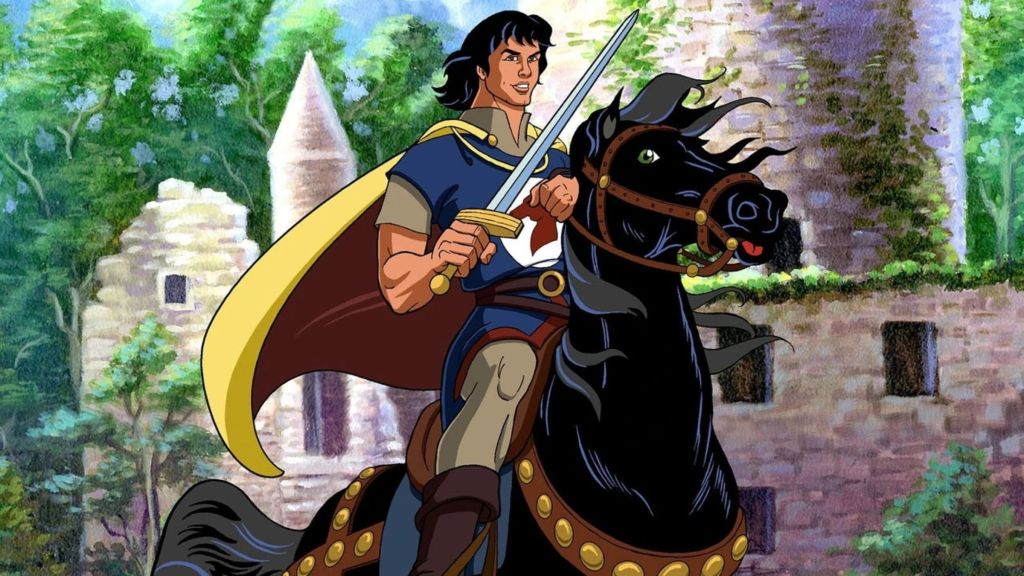
Based on Hal Foster’s long-running comic strip of the same name, The Legend of Prince Valiant aired 65 episodes on The Family Channel between 1991 and 1994, following Val (voiced by Robby Benson), a young nobleman from the besieged island kingdom of Thule, on his journey to Camelot to join the Knights of the Round Table. The production committed to a genuinely serious tone, depicting medieval combat and the political complexity of Arthurian court life with more honesty than most contemporary animation attempted. In addition, storylines regularly addressed duty, exile, and the cost of idealism without resolving them into tidy moral lessons. Finally, King Arthur, Merlin, and Guinevere all function as full characters rather than background authority figures, and the show’s willingness to let Val fail and grow across multi-episode arcs gave the series a narrative momentum rare for animation of its era.

4) Highlander: The Animated Series
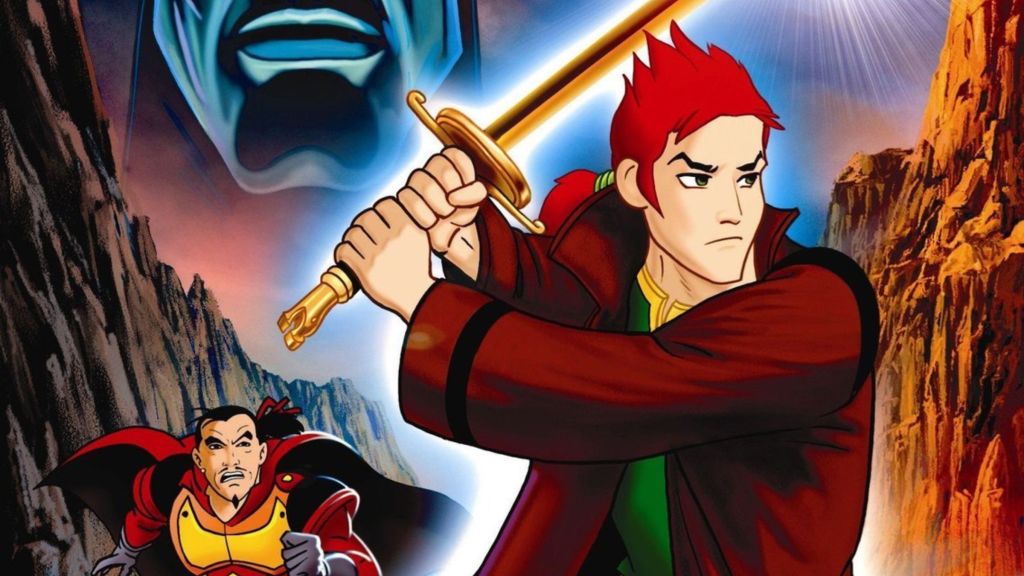
Highlander: The Animated Series transplanted the adult-oriented mythology of the live-action franchise into a post-apocalyptic animated format, airing 40 episodes between 1994 and 1996. The narrative takes place centuries after a devastating meteorite strike, following a young Immortal named Quentin MacLeod (voiced by Miklos Perlus) as he seeks out the wisdom of his elders to defeat the tyrannical warlord Kortan (voiced by Lawrence Bayne). The production bypassed the violence of the theatrical films by having Quentin acquire the knowledge of his mentors through a voluntary transfer of the Quickening rather than decapitation, a change that allowed the writers to focus on philosophical themes of history, sacrifice, and the heavy burden of eternal life. Because the series prioritized slow character development and complex lore over episodic action, it struggled to maintain a consistent daytime audience, ultimately ending its run without achieving the cultural permanence of its live-action counterpart.
3) Redwall
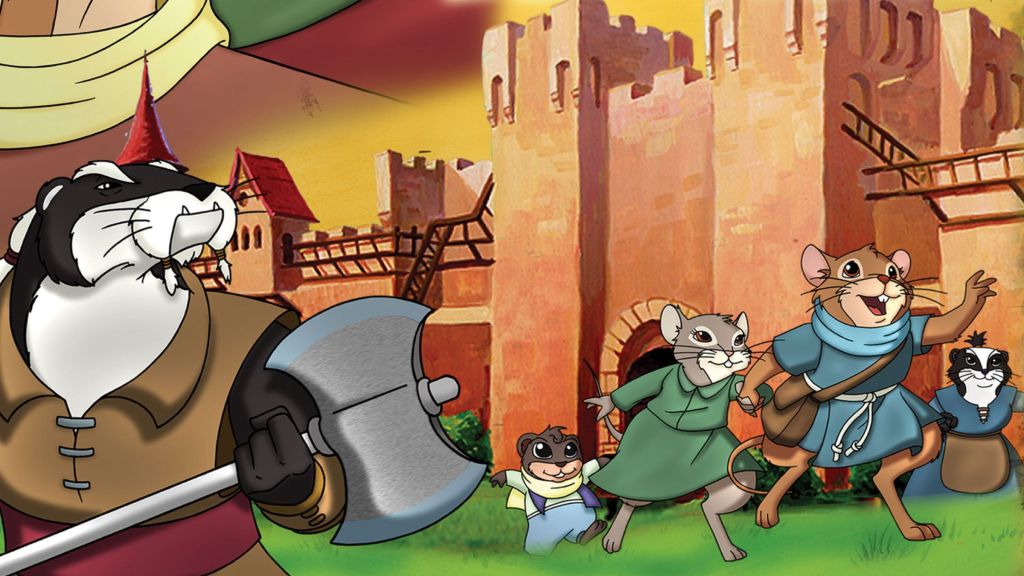
A co-production between Nelvana and Alphanim, Redwall brought the literary fantasy of Brian Jacques’ novels to television across three serialized seasons. The narrative centers on Matthias (voiced by Tyrone Savage), a peaceful mouse who must take up the sword to defend Redwall Abbey against the tyrannical rat Cluny the Scourge (voiced by Diego Matamoros). The adaptation successfully captured the expansive lore of the source material without softening the warfare for a younger demographic, which led to characters sustaining permanent injuries, and the threat of starvation or siege remaining a constant throughout the conflict. Because the series demanded a significant attention span to track its shifting alliances and generational storytelling, it struggled to maintain a consistent broadcast presence alongside the episodic comedies of the late 1990s. Because of that, Redwall remains an underappreciated achievement in bringing high-stakes epic fantasy to animation.
2) Mighty Max
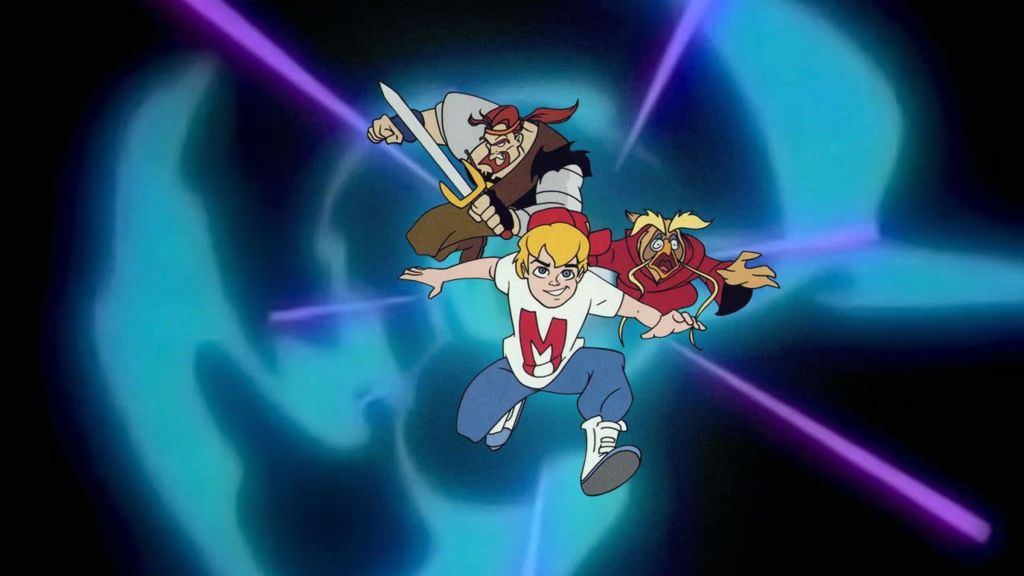
Mighty Max aired 40 episodes across two seasons in syndication beginning in 1993, adapting the Bluebird Toys cap playsets into a serialized fantasy adventure that bore almost no resemblance to its merchandise origins. The series follows Max (voiced by Rob Paulsen), a teenager whose magical baseball cap functions as a portal device, paired with the ancient warrior Norman (voiced by Richard Moll) and the scholar Virgil as they battle the warlord Skullmaster (voiced by Tim Curry) across locations pulled from global mythology and folklore. The show distinguished itself from every other action cartoon of its era by treating consequence as a narrative tool, killing off supporting characters without reversal and sustaining a genuine sense of escalating threat across both seasons. Mighty Max ran 40 episodes and then vanished from the cultural conversation almost entirely, leaving behind one of the most narratively serious children’s fantasy productions of the decade.
1) Pirates of Dark Water

Pirates of Dark Water aired 21 episodes before Hanna-Barbera’s cancellation ended the story with the central quest unfinished. The series is set entirely on Mer, an alien ocean world slowly being consumed by a toxic substance called Dark Water as its sun fades, and follows Prince Ren (voiced by George Newbern) on a mission to recover the Thirteen Treasures of Rule, the only artifacts capable of stopping the corruption. The world of Mer operated with a detailed internal logic, establishing political factions, maritime trade economies, and creature ecosystems that felt genuinely inhabited rather than decorative. Unfortunately, the series ended with eight of the thirteen treasures still uncollected and no resolution, leaving behind a mythology whose ambition remains visible in every episode that exists.
Which animated fantasy series do you think should be remembered more often? Leave a comment below and join the conversation now in the ComicBook Forum!
Most Viewed
-
Image Courtesy of Netflix -
Image courtesy of Warner Bros. Pictures -
Image Courtesy of Ufotable -

image courtesy of Studio Ghibli