Buffy the Vampire Slayer debuted in 1997, right as network television was shifting away from strictly episodic formats. While the series was initially seen as a low-budget teen outing, it quickly became a phenomenon and even today remains a defining show of TV’s golden age. Part paranormal action, part adolescent drama, Joss Whedon’s rich characters and sharp dialogue helped Sarah Michelle Gellar’s Buffy stand out from its contemporaries on The WB and beyond.
Videos by ComicBook.com
Dedicated viewers who tuned in weekly enjoyed smart genre fiction with a seriousness that didn’t negate its humor and found a sophisticated coming-of-age analogy within the fun supernatural elements. Throughout (and since) its seven-season run, the reach of the series’ influence on the television landscape is immeasurable. A bridge between the sitcom era and the prestige television model that has exploded in the new millennium, there are a few key reasons Buffy is considered one of the most important shows of the 1990s.
5) Genre Experimentation

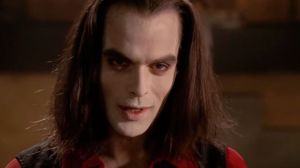
Buffy the Vampire Slayer was never afraid to stray into new genre territory. The show’s basic ingredients included supernatural adventure, urban fantasy, teen drama, and episodic comedy. But episodes like “Hush,” which removed nearly all dialogue, and “Once More, With Feeling,” which went full-blown musical extravaganza, took even greater risks and are now among the most iconic episodes. The series could easily switch between comedic beats, like the awkwardness of Willow’s early spellcasting, while also committing to darker, more brutal moments like Angel losing his soul or the appearance of the Gentlemen.
Additionally, Buffy helped reignite interest in vampires and supernatural stories among mainstream audiences, predating Twilight and emerging around the same time as the earliest Harry Potter book. While horror and fantasy already had steady adult fanbases, Buffy brought the genre to television and stirred a hunger for fantasy fiction in young adults that remains to this day.
4) Coming-of-Age Metaphor

Buffy used its supernatural concepts as metaphors for adolescence, which seems obvious in hindsight, but was groundbreaking for the time. High school experiences were expressed through battling demons and curses, one layer removed from reality. Episodes like “The Pack,” “Invisible Girl,” or “Nightmares” tied the character arcs seamlessly into the horror elements, creating both fantasy and relatability for the audience.
Whedon’s writing heavily popularized the approach during the show’s early seasons and has since become a nearly ubiquitous model for YA fantasy television. Later shows such as Smallville, Veronica Mars, and Supernatural borrowed from this blueprint, writing similar episodes where weekly threats paralleled the emotional hurdles of the characters. In addition to the coming-of-age analogy, Whedon’s signature witty dialogue style has been endlessly copied and referenced.
3) Queer Representation
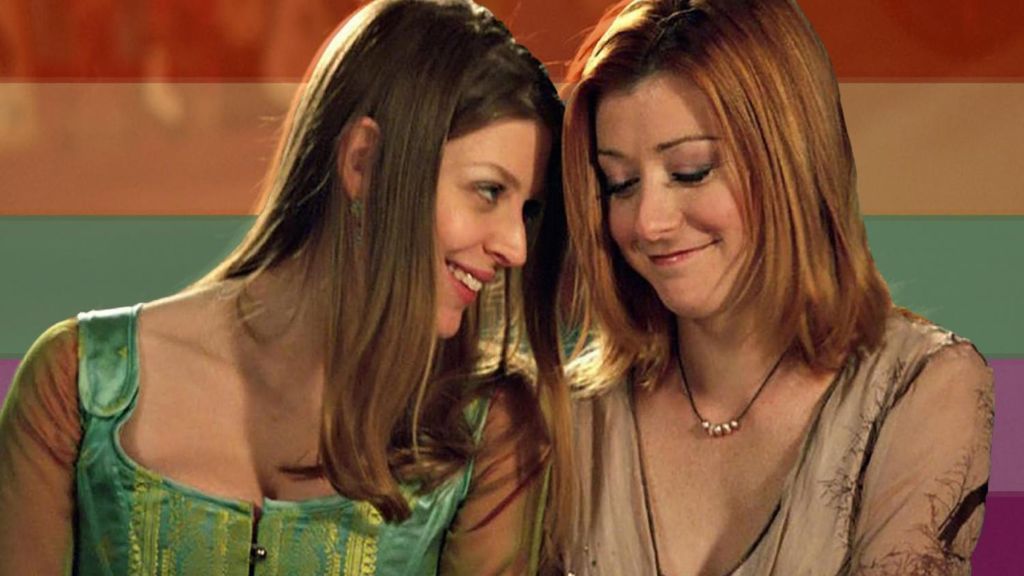
Willow and Tara’s storyline was one of the earliest portrayals of a long-term lesbian relationship on a mainstream U.S. network. It didn’t reduce the characters to stereotypes or depict a simplified or fetishized version of queer love. Their relationship developed gradually, beginning in Season 4 and progressing through shared storylines, while they also both experienced character growth independent of their sexuality or relationship. The show didn’t treat them any differently than the other characters, which was uncommon on TV at the time.
Pre–Buffy queer characters were mostly sidelined and given little to no development outside of the notion of their sexuality. Willow and Tara provided prominent visibility in a popular series that reached both teen and adult audiences. Their storyline influenced later shows’ approaches to queer representation. Although the handling of certain narrative decisions remains a point of discussion among fans, and the depiction may fall short by today’s standards, the depth of these characters was a major step forward.
2) Iconic Female Lead

Buffy Summers subverted decades of damsels in distress simply by being a young girl who was also the most capable and gifted character in the show. Her combat training and supernatural abilities were accompanied by emotional depth, humor, vulnerability, and good leadership skills. She wasn’t presented as unfeminine; rather, she was feminine and also strong. And instead of presenting her strength as a fixed trait, or some flawless superpower, the series tracked how Buffy’s flaws and strengths evolved through high school, college, and adulthood. Characters like Faith, Anya, Kendra, and Cordelia further expanded the show’s ensemble of complex female characters.
This emphasis on female agency included frank discussions of topics that network TV often avoided, including sexuality, trauma, grief, and power imbalance. Characters like Anya even explored ideas like sex positivity. Ultimately, all of these complex characters had an impact on the format, and Buffy’s role as a protagonist influenced a long line of genre leads, from Alias and Dark Angel to Orphan Black to Jessica Jones.
1) The Season-Long Story
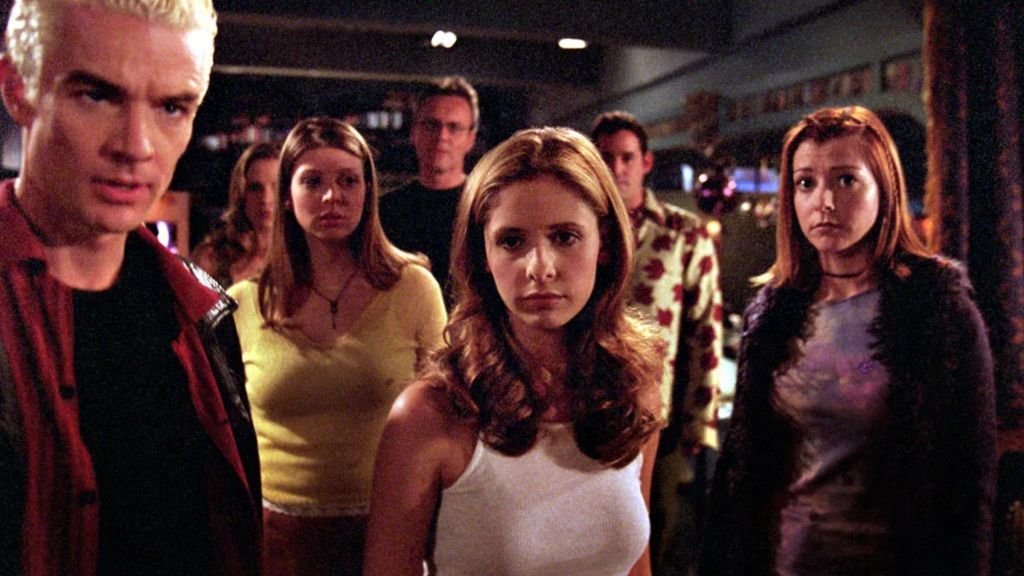
While Twin Peaks, Deep Space Nine, and Babylon 5 experimented with serialization earlier, Buffy was the first major mainstream hit to structure each season around a long-form villain arc, later known as the “Big Bad” format. Each season followed a clear beginning, middle, and end while also writing a stand-alone narrative into each episode. This hybrid structure fit the scheduling needs of network TV, but it also introduced a broad audience to longer character arcs and longer story continuity.
The connective tissue between the sitcoms of the ’90s and the prestige TV of the 2000s: Buffy’s structure inspired shows like Lost, Battlestar Galactica, and Prison Break, which would eventually evolve into streaming favorites like Game of Thrones. Characters moved in and out of center stage, but past events always remained relevant, and the implications of major happenings extended far into the future. The format didn’t originate with Buffy, but it was the first major success to use it consistently, making it a key transitional series between the episodic and serialized eras, and rewarding devoted fans with payoffs across seasons.
What do you think? Leave a comment below and join the conversation now in the ComicBook Forum!
Most Viewed
-

Sony Animation -

Image courtesy of Lucasfilm -

Image courtesy of DC Studios