Have you ever stopped to think about why the war genre is so effective on TV? Movies are obviously excellent, but the thing is that a series forces characters to operate under a kind of pressure that almost no other genre can replicate with the same intensity. It’s not just about combat, but about routine, hierarchy, mistakes, and especially the exhaustion of being inside a system where decisions carry immediate and devastating consequences. The best shows understand these details exactly and use war less as grand-scale action and more as a framework for strong storytelling that unfolds and sticks with you over time.
Videos by ComicBook.com
That’s why here are the 7 best war TV shows, ranked from worst to best. But the criteria isn’t just realism or scale, it’s how each one manages to translate that experience into something compelling from start to finish.
7) M*A*S*H
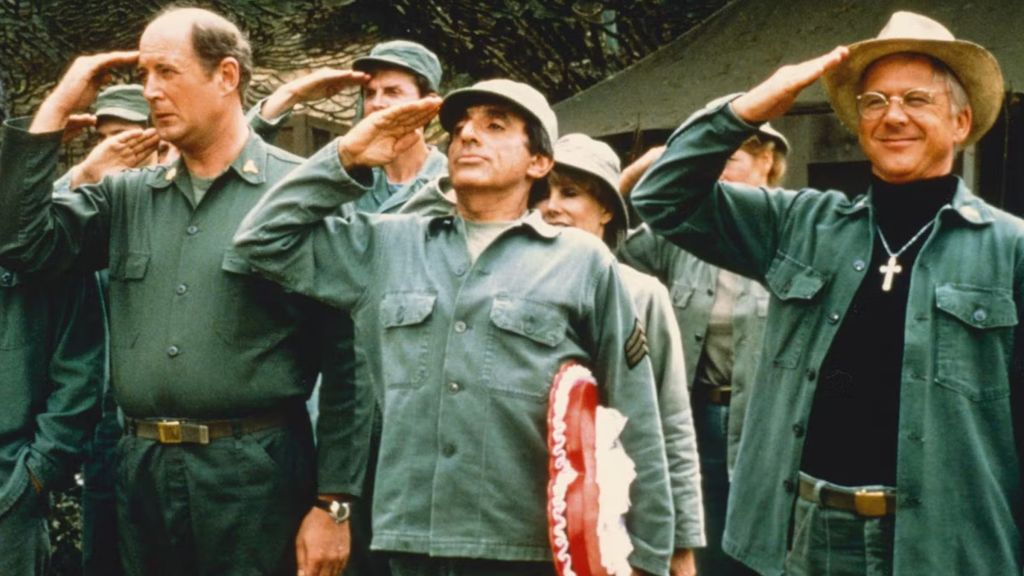
A classic sitcom, M*A*S*H is set during the Korean War and follows doctors trying to maintain some sense of sanity while working in a makeshift military hospital. It’s a landmark TV show and genuinely brilliant in what it sets out to do, especially in its writing. If you’re a fan of the genre, it’s pretty much essential viewing. On the other hand, in this ranking, it can’t place higher since it doesn’t really focus on war in the traditional sense.
The show uses the war as the backdrop for its story — the setting is the critique itself. So compared to every other entry on this list, it lacks the weight of combat and the feeling of immersion in the conflict. It’s not a series where the audience actually experiences war firsthand in a direct way.
6) Generation Kill
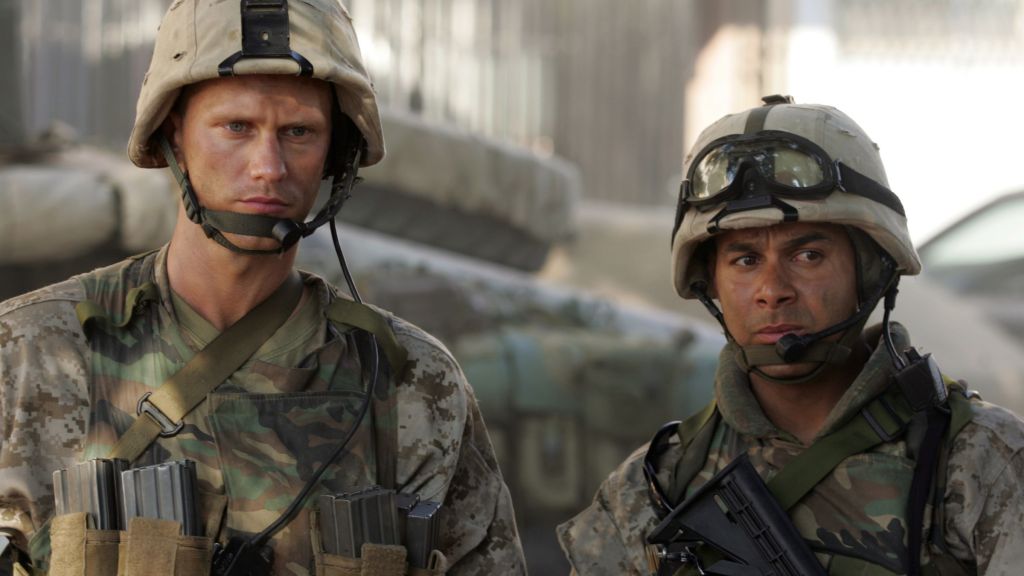
Relatively under-discussed, Generation Kill follows a group of Marines during the 2003 invasion of Iraq, portraying modern warfare in a near-documentary style, with a strong focus on miscommunication, tactical confusion, and a certain sense of purpose-deficit in the field. It earns a lot of points for how precise it is in what it’s trying to capture.
The problem is that it can feel intentionally episodic, meaning there isn’t a tightly structured, forward-moving plot to follow from episode to episode. That also makes it harder to build a strong emotional attachment to the characters. It works extremely well as a depiction of military process, but as a traditional narrative experience, it can be a bit difficult to really lock into.
5) Generation War
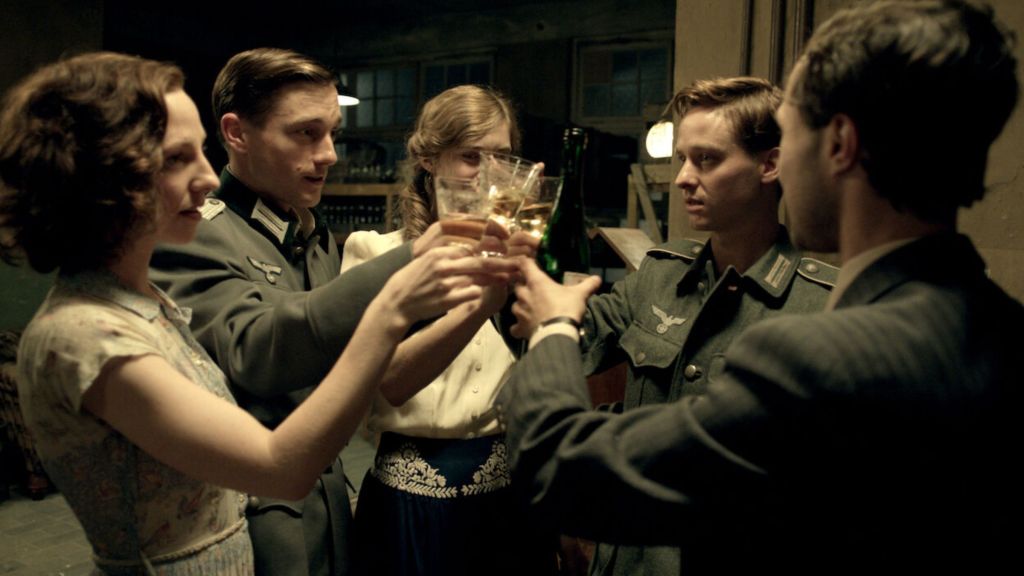
A German production, Generation War stands out because it looks at World War II from a perspective you don’t usually see in this kind of story: the German side. The plot follows five friends throughout the war, showing how the conflict separates, distorts, and reshapes each of them over the years. The angle is interesting as it leans into portraying ordinary people rather than clear-cut heroes and villains in that environment.
However, this same approach, while conceptually strong, can feel uneven in terms of depth and even historical consistency at times. There are moments where the show shifts between intimate personal drama and the weight of major historical events without always finding the right balance between the two. It’s strong in concept, but it doesn’t always land with the same consistency in execution.
4) Das Boot
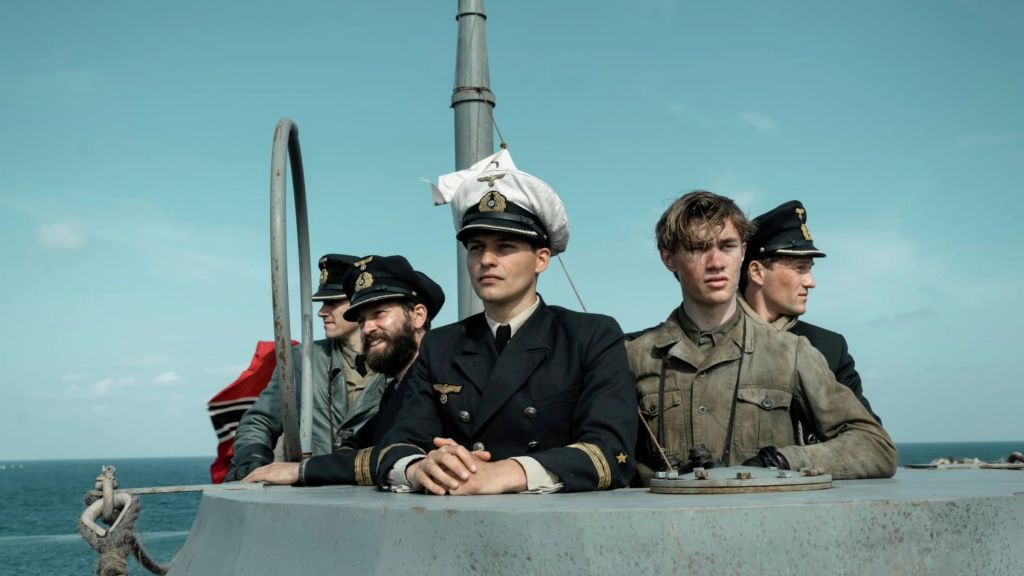
Das Boot is set inside a German submarine during World War II and follows the crew as they handle increasingly dangerous Atlantic missions under worsening conditions. It’s pure psychological tension, and what makes it especially interesting is how it alternates between the submarine crew and the political maneuvering happening elsewhere. That structure does a great job of highlighting how soldiers can become disconnected from the broader war, even while being an active part of it.
So why does it land here in the ranking? While it’s extremely effective in building tension, it can lose a bit in narrative scope and broader emotional development, since much of the experience is deliberately claustrophobic and repetitive. That’s not a flaw, it’s a creative choice. But for the purposes of this list, it does act as a limitation.
3) Masters of the Air

Following American pilots from the 8th Air Force during World War II, Masters of the Air focuses on bombing missions over Europe and the psychological toll of repeatedly flying under extreme, high-risk conditions. It’s one of the strongest productions in the genre, since it delivers an impressive visual scale and amazing aerial sequences. Plus, it also continues the legacy of previous productions in the same universe under the oversight of Steven Spielberg and Tom Hanks.
But, because it belongs to this “trilogy” of highly regarded war miniseries, it ends up competing directly with two entries that operate on a higher level of emotional consistency and overall impact across the entire run. It’s an extremely polished production in terms of technical execution, but it carries less narrative weight compared to the top two.
2) The Pacific
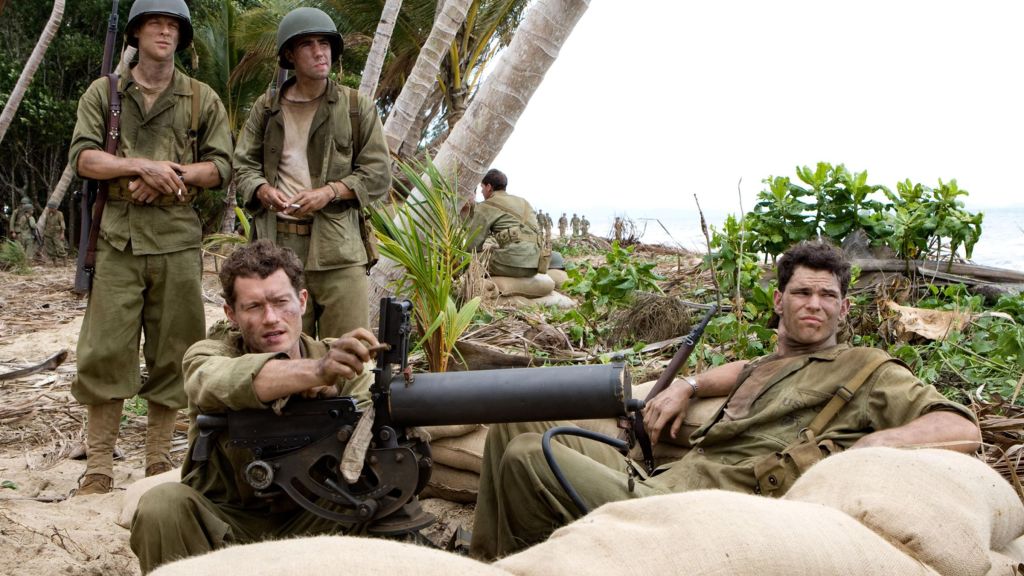
One of the most realistic portrayals of war, The Pacific really gets under your skin. The story follows different U.S. Marines in the Pacific Theater during World War II, with a focus on island combat and the psychological and physical exhaustion of soldiers who never really get a break. There’s a lot of brutality here, and it stands as one of the harshest and most emotionally draining depictions of war on TV. The whole point is to show what happens when survival stops feeling meaningful.
Because of that approach, some people actually consider it the greatest war series ever made. The thing is that it uses a fragmented structure and doesn’t stay cohesively locked onto its main characters. That’s not necessarily a flaw, but it does make it harder to fully invest emotionally. You watch it knowing you’re seeing a masterpiece, but there’s always this sense that it could hit even harder if it tightened its focus — and the number one entry here kind of proves that point.
1) Band of Brothers
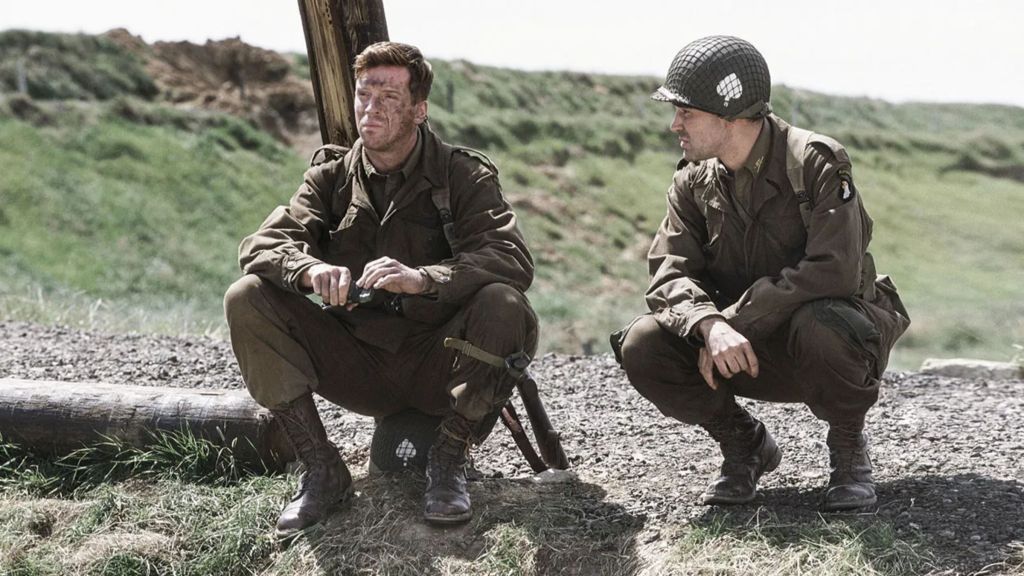
The classic of classics, Band of Brothers is basically a foundational influence for almost every modern war show on TV. It follows Easy Company of the 101st Airborne Division from training all the way through the end of World War II, tracking the evolution of its soldiers across the entire European campaign. And it gets basically everything right: sharply defined characters, a very clear narrative development, and a strong balance between combat, historical context, and emotional payoff.
Unlike many other series, it doesn’t rely only on realism or brutality. Instead, it builds a continuous sense of investment in the company itself, which makes the weight of the war grow along with the audience. And considering it came after Saving Private Ryan, it also helped refine what a war production can actually achieve in serialized form. So it’s the peak of the genre.
What do you think? Leave a comment below and join the conversation now in the ComicBook Forum!
More TV Shows
-
DC Studios – HBO -

Image Courtesy of Marvel -

Image Courtesy of DC Studios -

Image courtesy of Marvel Television