The Stargate franchise began in 1994 as a Roland Emmerich and Dean Devlin science fiction film about an ancient alien portal connecting Earth to the far reaches of the galaxy. That premise proved expansive enough to sustain nearly two decades of continuous television production. MGM first adapted the concept for the small screen with Stargate SG-1, which ran for ten seasons between 1997 and 2007, making it the longest-running North American science fiction series at the time. Two concurrent spinoffs followed: Stargate Atlantis, which carried the franchise’s adventure-driven energy into a new corner of the galaxy, and the darker Stargate Universe, which extended the property’s unbroken television run to fifteen years.
Videos by ComicBook.com
Stargate Universe‘s cancellation in 2011 ended that run at a point of narrative transition rather than a natural conclusion, and the franchise spent the following fourteen years without a live-action production of comparable scale. A brief web series, Stargate Origins, appeared on MGM’s short-lived streaming platform in 2018 but generated no momentum toward a full revival. Amazon MGM Studios changed that in November 2025 by announcing an untitled new Stargate series for Prime Video, assembling a creative team that draws from every significant era of the property’s history. The talent involved makes this the most consequential development in the franchise since SG-1 first aired.
7) Stargate‘s Long Absence Has Created Genuine Demand
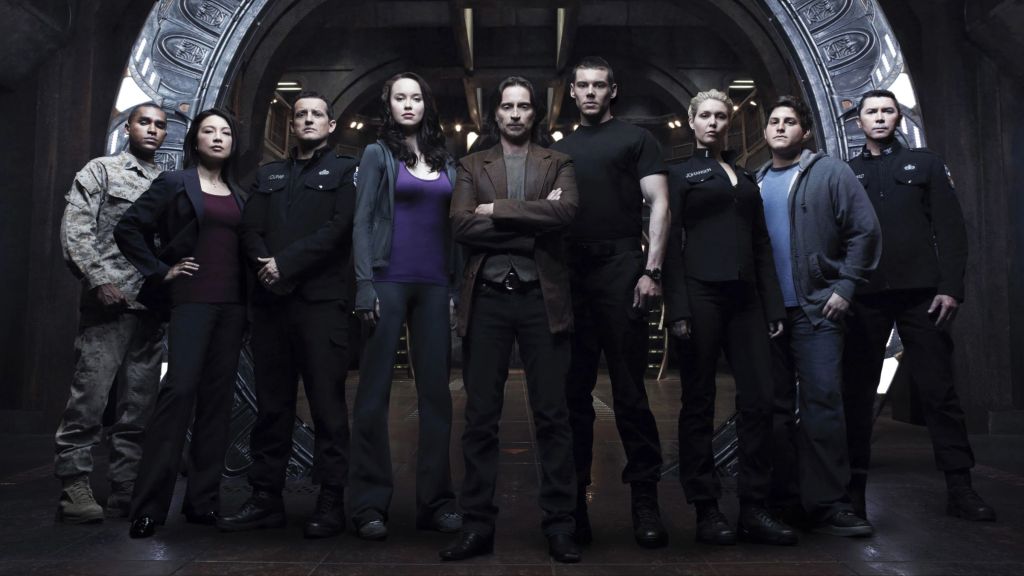
Stargate Universe was cancelled after two seasons, closing the franchise’s television chapter as it tried to find new angles to the mythology. The series had moved away from the adventure-of-the-week structure that defined SG-1 and Atlantis in favor of a serialized format, and its cancellation left that experiment unfinished. The 14 years that followed produced no live-action follow-up of comparable ambition, leaving a global fanbase with no new material to engage with. Prime Video is returning Stargate to a fanbase that concluded its relationship with the franchise mid-story and has been waiting for a resolution ever since.
6) Prime Video Has an Impressive Sci-Fi Library
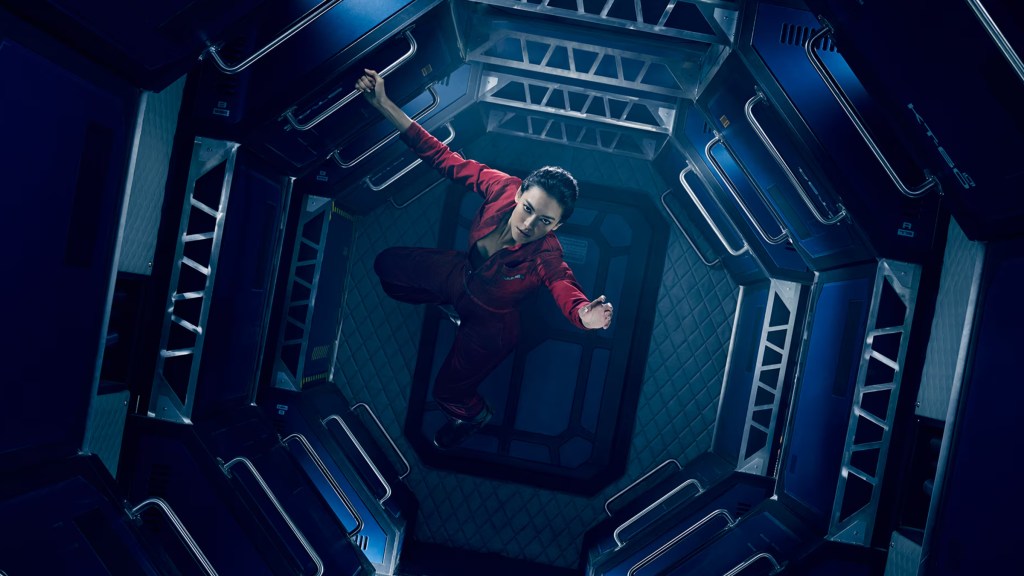
Amazon’s science fiction credentials on streaming are formidable. The platform rescued The Expanse from cancellation at Syfy in 2018 and carried it to a proper six-season conclusion, demonstrating a willingness to sustain complex science fiction rather than abandon it at the first sign of commercial difficulty. Fallout extended that record in 2024, drawing 65 million viewers in its first two weeks and confirming Prime Video as a destination for prestige genre adaptations with genuine cultural reach. This institutional commitment to the genre matters for Stargate specifically because its mythology requires the kind of well-resourced production that only a platform with Amazon’s infrastructure can deliver across multiple seasons without compromise.
5) The New Stargate Series Is Not a Reboot
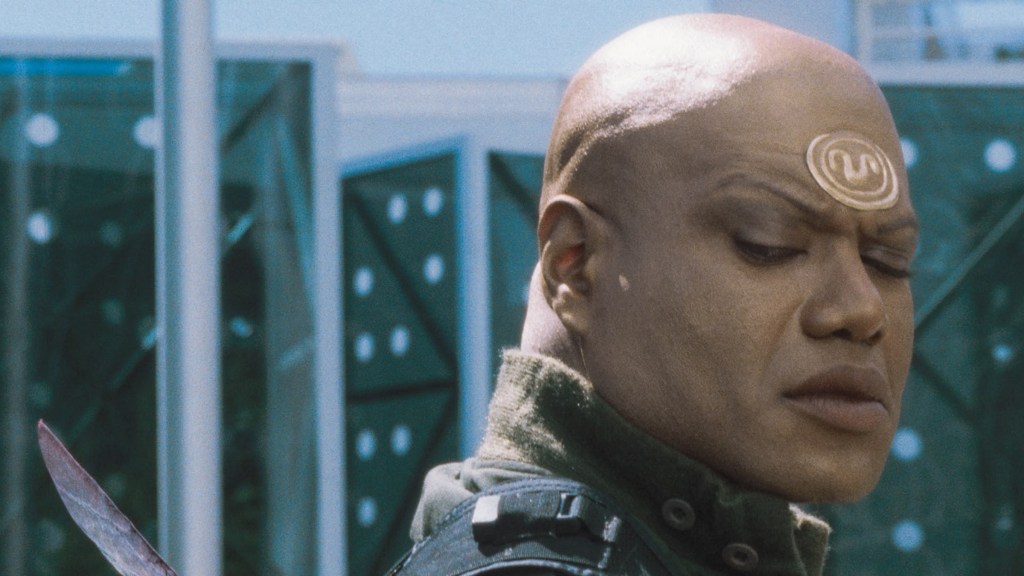
While little is known about the plot, the new series will not restart the Stargate universe from zero. A clean reboot would have required dismantling decades of accumulated continuity and rebuilding the franchise’s foundational concepts for an audience unfamiliar with the prior series. Instead, the upcoming series operates within the established mythology while being constructed to function as a genuine entry point for viewers with no prior exposure to the franchise. That balance is difficult to execute but rewards both audiences simultaneously, as longtime fans retain the weight of thirty years of established lore, while new viewers are not obligated to work through hundreds of prior episodes before the story becomes legible.
4) Martin Gero’s Appointment as Showrunner Bridges Every Era of Stargate Television

Martin Gero’s role as showrunner for the revival follows his previous work in the franchise, as he wrote for all three prior live-action Stargate series, giving him direct working experience across the full tonal range of the franchise. That breadth of involvement is unique among the creative personnel attached to the new production. Where other returning contributors represent a single era of the franchise, Gero’s writing history spans its entire television arc, from SG-1 to Universe, positioning him as the figure best equipped to synthesize those different tones into a coherent new direction. His appointment also signals that Prime Video prioritized franchise literacy at the creative helm, rather than bringing in an outside voice with no connection to what the property has already built.
3) Brad Wright and Joe Mallozzi Bring Decades of Institutional Knowledge
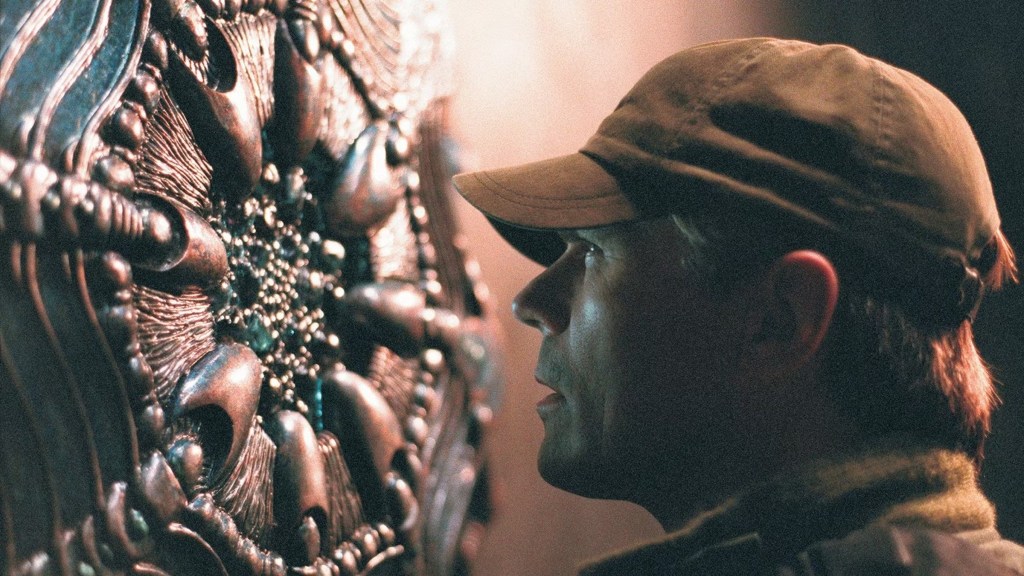
Brad Wright co-created Stargate SG-1 alongside Jonathan Glassner in 1997 and remained the franchise’s primary creative architect throughout its entire television run, serving as executive producer on Atlantis and Universe. Joe Mallozzi held the same executive producer role across the same span, accumulating over a decade of hands-on involvement with the franchise’s production infrastructure and storytelling conventions. Both return to the new series in contributing producer roles, a capacity that ensures the production has direct access to the institutional knowledge built over fifteen years of television without displacing Gero’s authority as showrunner. That institutional knowledge covers details that would otherwise take a new creative team years to reconstruct, including the internal logic of the Stargate network, the established rules of the franchise’s alien civilizations, and the narrative precedents that define what the universe will and will not permit.
2) Dean Devlin and Roland Emmerich Are Executive Producing
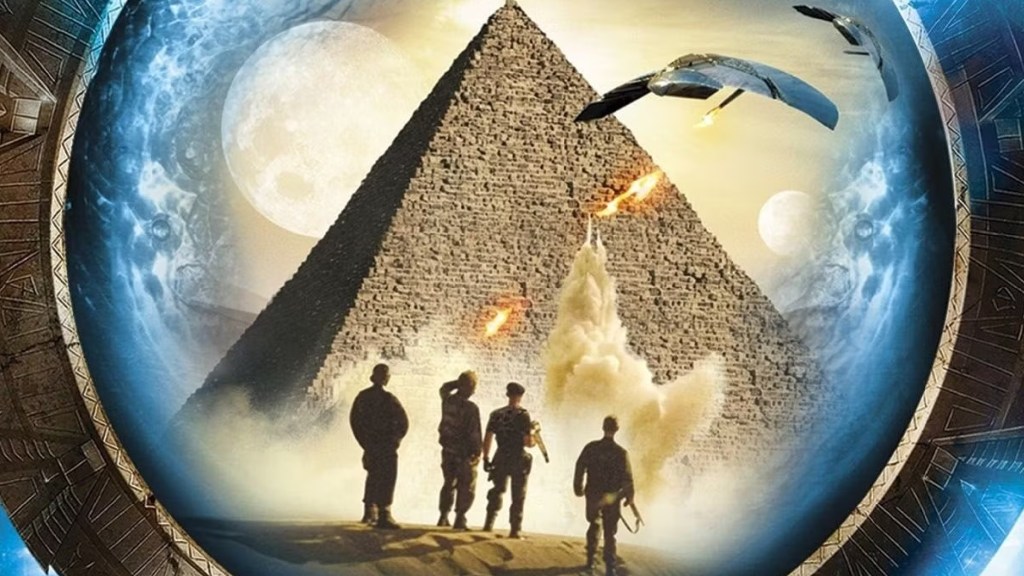
The 1994 Stargate film was the product of director Roland Emmerich and producer Dean Devlin, who constructed the foundational concepts of an interstellar portal buried beneath the Egyptian desert, an ancient alien civilization that enslaved early humanity, and the military-scientific dynamic of the teams sent to explore what lay beyond the gate. Devlin and Emmerich’s return for the revival as executive producers marks the first time since the original film that the property’s cinematic originators have held a formal creative role in a Stargate production.
1) The Architects of the Stargate Franchise Are Working Together
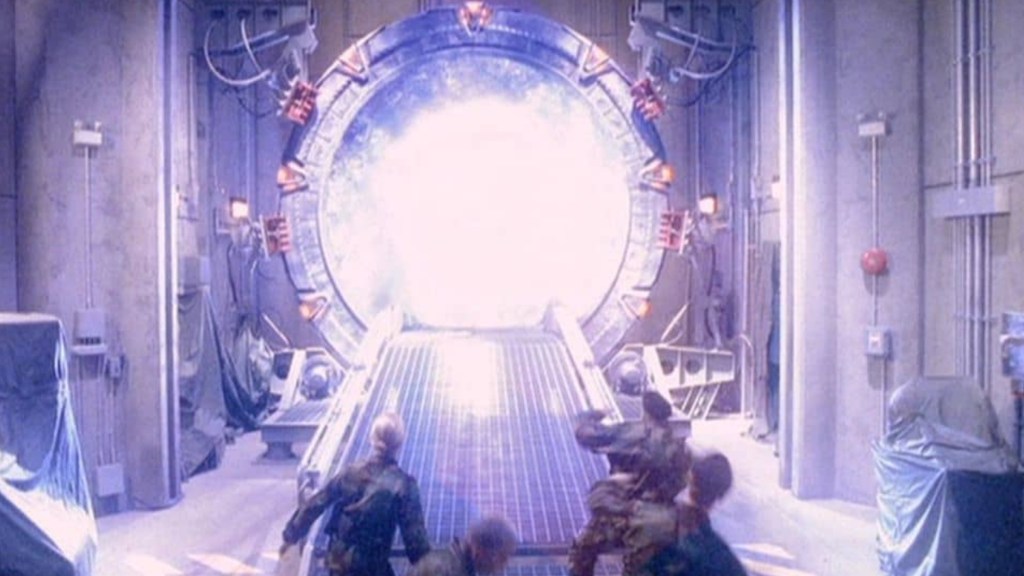
The Prime Video series represents something the Stargate property has never attempted, as the creators of the original film and the stewards of the television franchise occupy the same creative structure simultaneously. The prior TV series operated entirely without input from the film’s originators, constructing its own expanded universe independently. The convergence of these two creative lineages—under a platform with both the financial resources and the demonstrated commitment to sustain ambitious science fiction—is the most compelling argument for why this revival warrants genuine excitement. Every prior era of the franchise is represented in the room, and that collective continuity, combined with the directive to build something new, gives the project a foundation unlike anything the property has previously had.
Which element of the new Stargate series’ creative lineup has you most excited for its Prime Video debut? Leave a comment below and join the conversation now in the ComicBook Forum!
Most Viewed
-

Courtesy of Sony Pictures Animation / McDonald's -

Courtesy of Sony Pictures Animation / McDonalds -

Images courtesy of Warner Bros. Pictures -
Image Courtesy of Netflix -

Image courtesy of The Pokemon Company -

Image Courtesy of Marvel Comics