Eight seasons spanning two centuries of storytelling made Outlander a landmark on TV. Across that time, the series shifted settings, tones, and even narrative structure, but it mostly managed to stay recognizable and didn’t completely lose track of what it was doing. It moves from England to Scotland, then France, and eventually America, introduces new characters and timelines, and keeps expanding everything without resetting the show’s identity. That consistency helped it hold onto its audience, even when the storytelling started getting more complicated and less controlled than in the early seasons. However, in others, it becomes a problem: too much plot and not enough focus on what should be at the center.
Videos by ComicBook.com
So, which Outlander season has the strongest narrative control? We ranked them all from worst to best. The story of Jamie and Claire continues to get people talking even after its conclusion — and it’s worth breaking down why that is, since everything ultimately comes down to a history of interconnected events.
8) Season 8

Everyone expected the final season of Outlander to be great, and, outside of the series finale, it really falls short of that. The problem is entirely structural, since instead of choosing a clear focus for its ending, this final batch of episodes tries to wrap up multiple fronts at once: Fraser’s Ridge, the ongoing fallout of the Revolution, family arcs, and all the accumulated consequences from previous seasons. Yes, everything needs to be closed out, but it reaches a point where there just isn’t enough time to do it properly. And when there is, the pacing drags, which ends up affecting the entire rhythm of the season.
What you get is basically Outlander trying to tie up loose ends that should have been addressed earlier, while pushing the Jamie and Claire storyline as far as possible just to land emotional weight in the final episode. The issue is that the energy that once defined the series just isn’t there anymore. Characters like Amaranthus and Fanny reach their conclusions without much gradual development — just resolution. The biggest problem here is a strong idea on paper that doesn’t work in execution.
7) Season 7
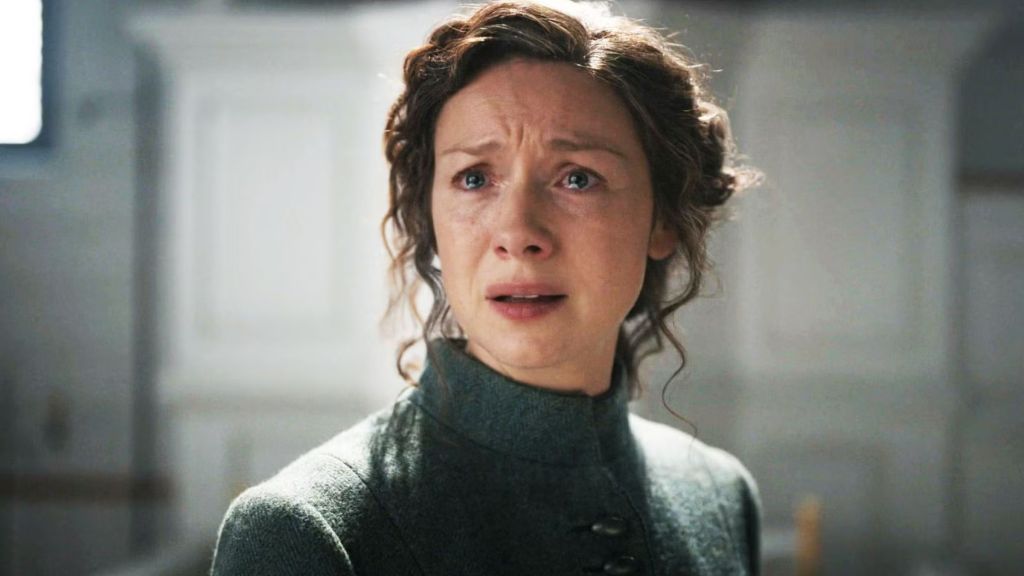
Slightly better than its successor, Season 7 still has a few strong moments here and there, but this is exactly where the show completely loses control of its rhythm and focus. Besides, you really start to feel like it’s no longer Outlander as you knew it. The series tries to adapt a very broad stretch of the American Revolution era while also juggling characters split across different timelines, and that ends up dispersing attention across too many directions. Nothing feels central anymore; it’s like every storyline is competing for space.
And the problem isn’t even a lack of events, but the overload of them without a dramatic hierarchy. What does that mean? Important conflicts are happening, but very few of them are built up enough to actually land with weight, like the Brianna, Roger, Jemmy, and Rob Cameron arc. Claire being accused of murder is another example. So in short, when Season 7 works, it works, but it doesn’t sustain it. It often feels like it’s only really functioning in isolated episodes.
6) Season 6
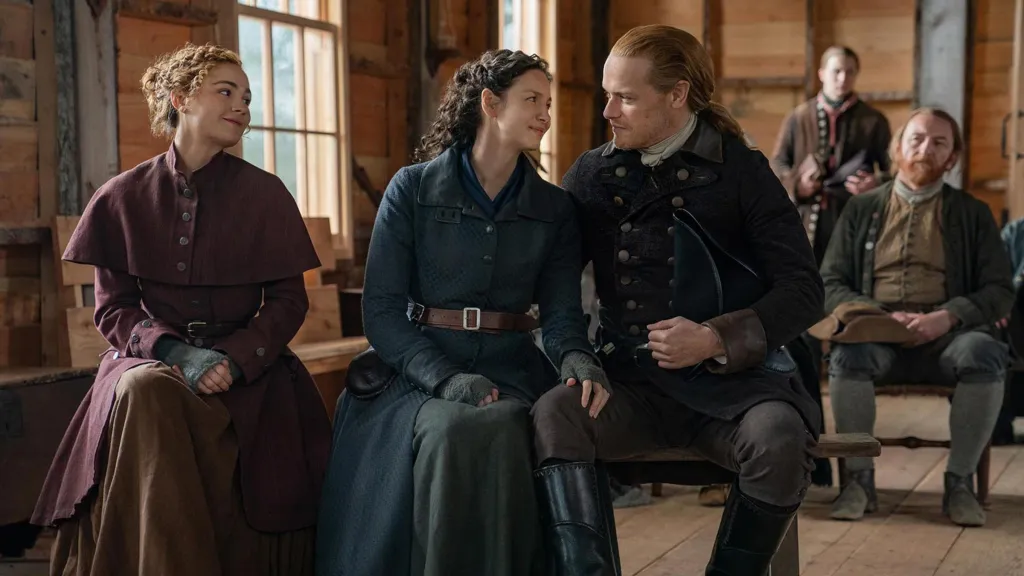
Season 6 basically exists to settle the audience into a new environment that was already being set up in the previous season. To do that, it intentionally scales things back a bit. Is that a good choice? Yes, but it comes with a cost: there’s very little real narrative progression. The season takes place almost entirely at Fraser’s Ridge and leans much more into local tension and interpersonal conflict than into meaningful forward movement within the broader Revolutionary War context. It plays more like a breather and a setup for what’s coming next, which makes the overall feel more contained.
This batch of episodes also builds a darker atmosphere, and some of the conflicts do work well, such as Claire isolating herself after the Malva Christie storyline and the pressure building on her marriage with Jamie due to Tom Christie. It’s a strong and interesting season in terms of character dynamics and setup, but for a ranking like this, it’s not quite enough to push higher. It stands out for its atmosphere, but that also makes it feel “less Outlander” compared to the stronger, more driven seasons.
5) Season 4
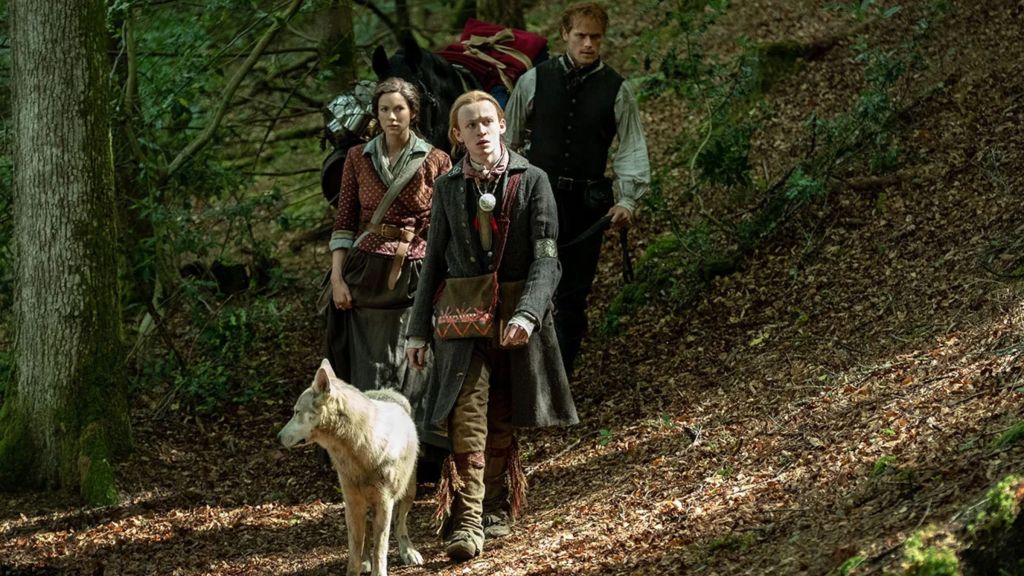
When Outlander reaches Season 4, things are still solid: the pacing is there, the story is moving, and the show hasn’t lost itself yet. But in terms of stability, there’s already a noticeable struggle. At this point in the story, colonial America and especially the introduction of Fraser’s Ridge, becomes a key foundation for building a new “home base” for the series. The problem is that the show still feels like it’s figuring out how to tell stories within that new structure.
The core of Claire and Jamie’s post-shipwreck storyline works well, and the introduction of Stephen Bonnet as a central antagonist also lands effectively. However, other arcs, like Brianna and Roger’s, don’t integrate as smoothly into the overall plot. These aren’t major flaws on their own, which is why the season sits where it does in the ranking. It has strong structural ideas, but in execution terms, it’s the kind of season that could rank higher with just a bit more consistent development across all its threads.
4) Season 5
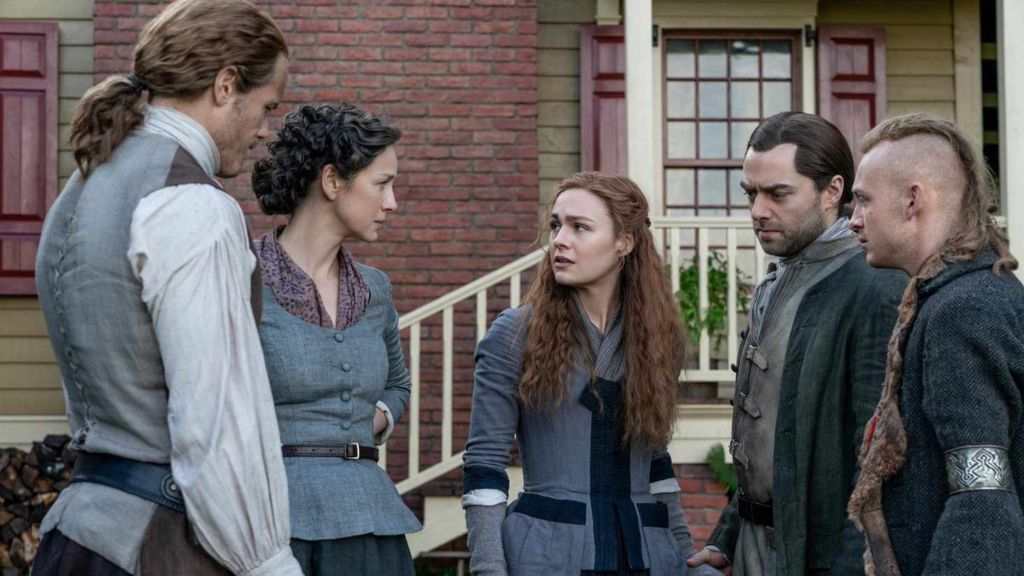
The show shifts settings a few times over the course of its run, and here it moves into its American phase, telling a story about the political and moral cost of survival. Jamie and Claire are now more directly involved in decisions that have a real impact on their community, which raises the stakes compared to earlier seasons. You’ve got the Crown vs. the emerging rebel movement, a tension that leans on Jamie’s position, and Murtagh’s return (and death) as the season’s emotional centerpiece.
So what’s the issue here? The season still leans too much on isolated traumatic events to drive emotion. It’s not that these moments don’t work, but instead of building conflicts that escalate organically, it often defaults to shock value like Claire’s kidnapping and assault, or Roger’s hanging, for example. Overall, Season 5 works better than the ones that follow thanks to its stronger thematic consistency, but its execution is uneven throughout.
3) Season 3

This is where Outlander‘s holy trinity of seasons begins, and it’s hard to top them. So why does Season 3 land here specifically? Because it solves one of the show’s most fundamental problems: how do you keep the audience invested when your two protagonists are separated by decades? The answer isn’t just a time jump as a dramatic device, but a structural reset that reorganizes the pacing of the story and forces real evolution in the characters instead of just repeating familiar beats.
There’s the high-seas journey involving pirates, Fergus and Marsali’s marriage, Claire pregnant while separated from Jamie and facing life in the 20th century, Jamie’s post-Culloden survival arc, and the long-awaited reunion between the two. You also have the introduction of William into Jamie’s life, which adds another layer of emotional and narrative complexity. It’s a bold season, and that ambition actually pays off by deepening the relationships at the center of the show. It can slow down in places, but it has direction and a very controlled storytelling.
2) Season 2
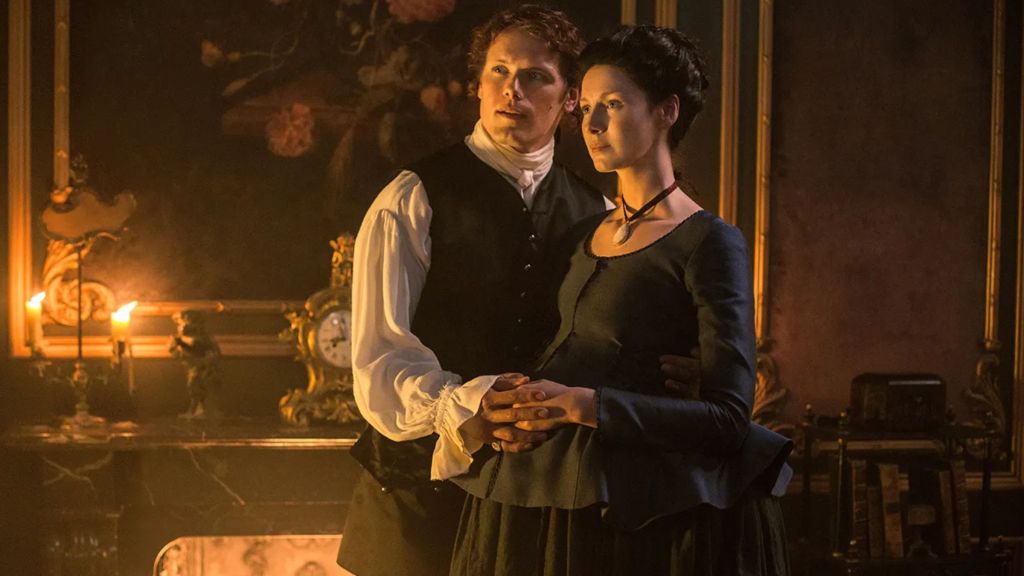
Season 2 is where Outlander tries to expand its scope without losing its identity. This is the first real shift in setting (and aesthetic), with the entire storyline moving to France. That change also reframes Jamie and Claire’s dynamic, placing them as active players inside a larger political game for the first time, as they attempt to alter the course of history itself. But the key difference here is consequence, as almost everything the characters do has immediate narrative impact, which makes this stretch of episodes especially memorable from the start.
Master Raymond is introduced, and the season leans into some of its heavier emotional material, including the duel between Jamie and Jack Randall. There’s also Claire’s first pregnancy storyline, which is one of the most devastating arcs of the entire show. However, this emotional payoff isn’t always supported by gradual buildup, meaning the consequences hit hard, but the path leading there doesn’t always feel organic — that affects the broader context of the series. Still, it has a very strong sense of purpose (something that doesn’t consistently carry through into later seasons).
1) Season 1

It’s almost impossible for any other season to surpass Season 1, because here it sets the tone for the entire show — the one that hooks fans and the one people find themselves wanting to return to even after the series finale. All the magic of Outlander is concentrated in this period, and it’s also the only stretch of the series that isn’t weighed down by narrative expansion. Everything is simple, but extremely effective: Claire arrives in a new world, has to survive in it, and her relationship with Jamie grows from that premise in a way that feels totally addictive.
In short, what puts Season 1 at the top of the ranking is pure focus and atmosphere, and Scotland itself almost functions like a character. There are no competing timelines, just strong character building, the foundation of the central romance, memorable scenes, action, tension, and steady emotional progression. It’s the cleanest version of the show, and the point where Outlander feels completely in control of its own pacing and identity.
What do you think? Leave a comment below and join the conversation now in the ComicBook Forum!
More TV Shows
-
Image courtesy of Netflix -

Courtesy of South Park Studios