
Agents of S.H.I.E.L.D. launched in 2013 as the MCU‘s first official tie-in TV series. In those early days, viewers were thrilled and excited at the idea the MCU was expanding beyond mere TV shows, embracing the potential of transmedia. It didn’t take long, though, for it to become clear the tie-ins tended to only work in one direction. The pattern was set in Avengers: Age of Ultron, when Joss Whedon decided against an Agent Coulson cameo. The stars themselves have often complained that their shows don’t feel as though they’re “canon.”
Videos by ComicBook.com
And yet, for all that’s the case, Marvel Studios is learning to love the old Marvel Television shows. Daredevil: Born Again is Daredevil Season 4 by any other name, featuring the return of iconic characters like Charlie Cox’s Matt Murdock and Vincent D’Onofrio’s Kingpin; Krysten Ritter’s Jessica Jones is making the jump into the mainstream MCU in its second season. Given that’s the case, it’s surely only a matter of time until Marvel finally begin to acknowledge Agents of S.H.I.E.L.D. again – and here are the biggest things the show adds to canon.
7. Coulson Lives

Clark Gregg’s Agent Coulson was a crucial part of the MCU’s Phase One narrative, but he ultimately died in The Avengers – killed by Loki, his death the inciting incident that led to Earth’s Mightiest Heroes working together. In a shocking twist, Agents of S.H.I.E.L.D. resurrected Coulson, initially putting him in charge of an elite team and ultimately having Coulson take over as director of S.H.I.E.L.D. But this was no “somehow, Palpatine returns.” The mystery of Coulson’s resurrection was played out over the show’s first two seasons.
Sadly, Phil Coulson wouldn’t outlive Agents of S.H.I.E.L.D.; he paid the price for saving the world, dying a peaceful death after finally acknowledging his love for Agent May. But even that didn’t mean Coulson’s story was over, with a Phil Coulson LMD becoming a hero in his own right. In Agents of S.H.I.E.L.D., Coulson’s legacy is so much greater than the Avengers.
6. Daisy Johnson, AKA Quake

At first, it seemed as though Gregg’s Coulson was the star of Agents of S.H.I.E.L.D. Viewers soon learned he was sharing the spotlight with Chloe Bennet, whose mysterious character “Skye” was eventually revealed to be none other than Daisy Johnson – a familiar name from the comics, the real name of the superhero Quake. Agents of S.H.I.E.L.D. revealed that Daisy was an Inhuman, and granted her powers by exposing her to the Terrigen Mists.
Quake stepped up over the course of Agents of S.H.I.E.L.D., with Bennet growing and developing as an actress. By Season 4, Quake had gone rogue because of PTSD, operating as an unsanctioned, unlicensed superhero. Her greatest story was undoubtedly Season 5, though, when the S.H.I.E.L.D. team stumbled into a time loop where Quake’s powers destroyed the world. That story ended with Quake saving the planet, in an adventure designed to coincide with Avengers: Infinity War.
5. The Inhumans
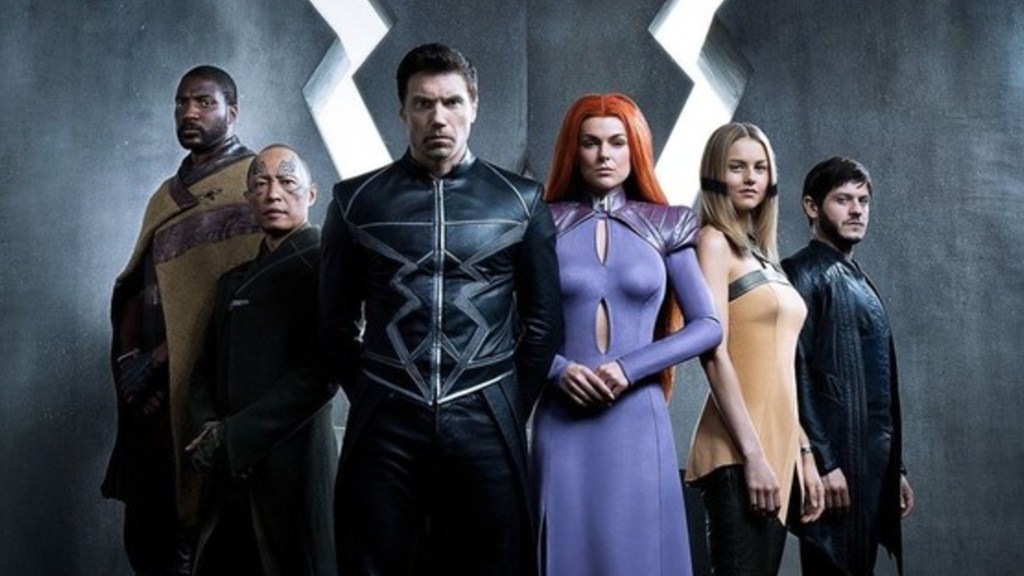
This one, sadly, didn’t turn out so well. Agents of S.H.I.E.L.D. introduced the concept of the Inhumans, an evolutionary offshoot of humanity created millennia ago by Kree experiments. Inhuman powers are triggered by exposure to Terrigen, and people all over the world began spontaneously undergoing “Terrigenesis” – mutation and activation of their powers – when Terrigen was dumped into the world’s oceans. As the show’s most prominent Inhuman, Quake’s story is impossible to separate from the Inhumans.
4. Hydra’s True History
Agents of S.H.I.E.L.D. was upended by the events of Captain America: The Winter Soldier, which revealed the neo-Nazi group Hydra had infiltrated S.H.I.E.L.D. decades ago. Coulson and his team soon found themselves locked in a state of war with Hydra, and eventually learned the true history of this evil organization. This was easily one of Agents of S.H.I.E.L.D.‘s best retcons, rewriting 5,000 years of MCU history. In the show’s telling, Hydra was simply the latest incarnation of an ancient secret society dedicated to the Inhuman named Hive.
It’s important to note that this didn’t lessen the impact of Nazi ideology on Hydra, with Season 4 doubling down on this (to quote Simmons, “For the record – Hydra? They’re all Nazis. Every one of them. Don’t you let anyone forget it.”). In reality, Agents of S.H.I.E.L.D. essentially wrote Nazism in as the oldest kind of prejudice and hatred imaginable, with Earth’s heroes fighting against it since the dawn of time. Meanwhile, the Inhuman connection tied Hydra to the development of super-powers, adding more depth and nuance to their stories.
3. The True Extent of the Sokovia Accords
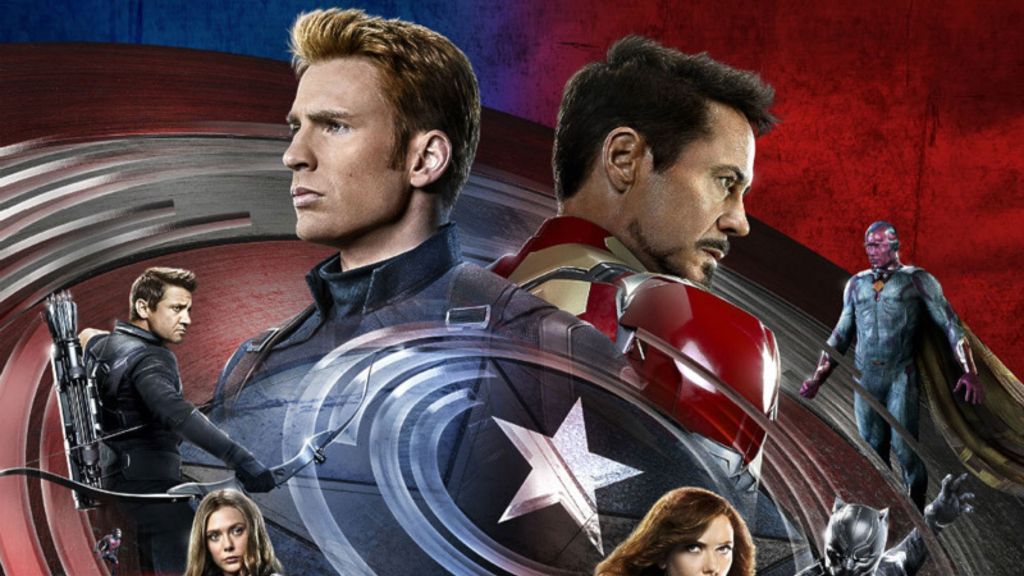
The Sokovia Accords lay at the heart of Captain America: Civil War, tearing the Avengers apart. But their true scale was actually revealed by Marvel Television, in shows like Agents of S.H.I.E.L.D. and Jessica Jones. According to these series, the Sokovia Accords mandated that all metahumans registered with their local governments, and required oversight of all superhuman activity. This, naturally, caused a problem after Agents of S.H.I.E.L.D. spread Terrigen into the world’s waters – triggering spontaneous mutation in anyone with an Inhuman gene.
This led to one of the best stories in the show’s history, with Daisy Ridley going rogue in Season 4 rather than sign up to the Sokovia Accords. Agents of S.H.I.E.L.D. explored the problems with the Sokovia Accords much better than Civil War, which basically used them as a pretext to break up the Avengers. The longer-form format of a TV show was, quite simply, the perfect place to discuss these issues in greater depth.
2. A New Ghost Rider
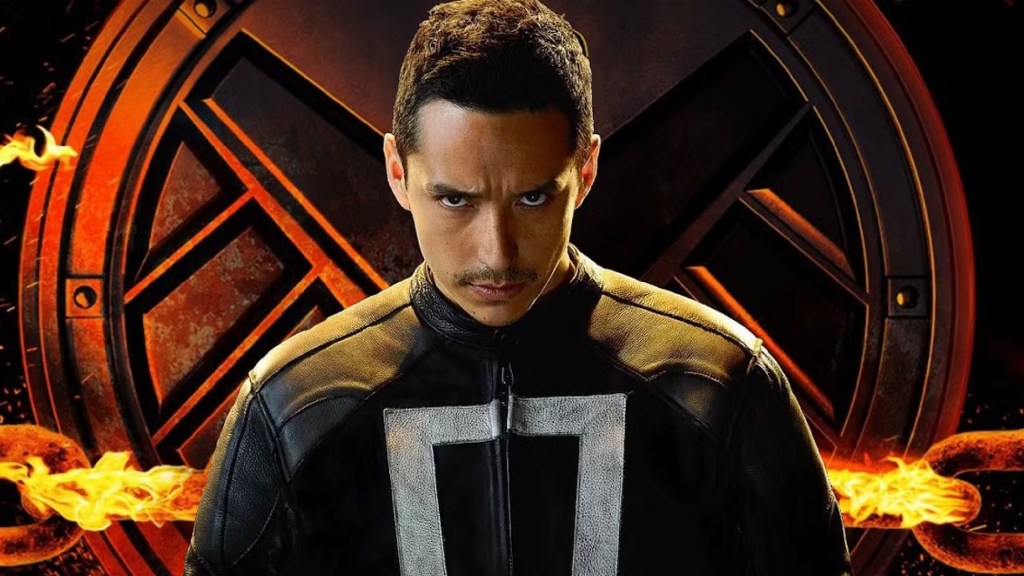
Agents of S.H.I.E.L.D. Season 4 was also notable for introducing Gabriel Luna as Robbie Reyes, a new Ghost Rider and a firm fan-favorite. Ghost Rider was easily the highest-profile Marvel character to make his debut in the show, and Luna’s portrayal was absolutely tremendous. It didn’t hurt that the show’s version of Ghost Rider dovetailed perfectly with the introduction of magic and sorcery in the MCU (Season 4 coincided with the theatrical release of Doctor Strange).
Marvel Television initially planned to do a Ghost Rider spin-off TV show, but this was sadly cancelled during restructuring in the House of Ideas. Gabriel Luna is keen to return to the MCU, though, and it would be wonderful to see him join the still-growing ranks of Marvel’s supernatural heroes.
1. A New Use for the Quantum Realm

The Agents of S.H.I.E.L.D. series finale ended with one final MCU tie-in, a fresh revelation about the Quantum Realm that anticipated the Multiverse Saga. Season 7 saw the S.H.I.E.L.D. team explore a parallel timeline so they could fix issues in the primary timeline, a smart story that took full advantage of parallel realities in a way the mainstream MCU has (still) yet to manage. Even more impressively, it revealed that the Quantum Realm could be used to travel between realities – an idea the MCU would hint at later, too.
What do you think? Leave a comment below and join the conversation now in the ComicBook Forum!
