Fantasy on TV today isn’t just about dragons and powerful wizards anymore. A really solid fantasy series knows how to build fully realized worlds that actually make sense and keep you hooked from the very first episode. We’re talking worlds with their own cultures, clear rules of magic, political intrigue, continent-shaking wars, and complex characters whose choices actually matter – none of that shallow stuff just for show. These series also have to balance personal stakes with large-scale conflicts, mix drama with action without feeling forced, and create societies that feel consistent. So how do you combine all of that and turn it into something that feels real and genuinely legendary?
Videos by ComicBook.com
With that in mind, here are 10 fantasy TV universes that are completely epic. It’s hard not to wish they actually existed.
10) Once Upon a Time
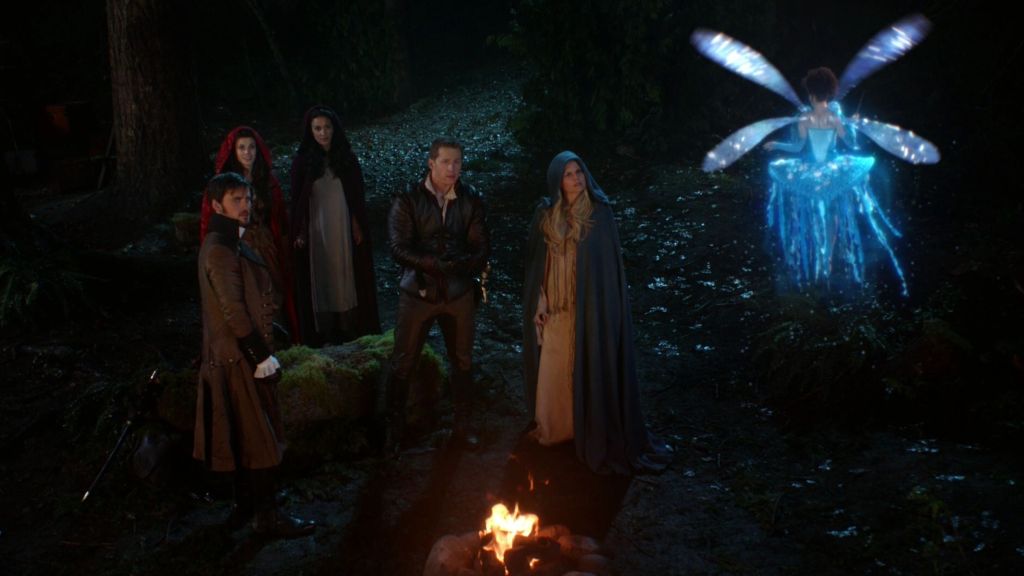
Once Upon a Time has a pretty wild concept, but it works because it’s ridiculously creative: what if all the fairy tales we know were real and living in an ordinary town? That’s what makes the show stand out. It’s not about huge battles, but about how several stories and magical worlds could intersect to create emotional stakes that hit the audience right in the nostalgia. Each season expands the universe with multiple realms and timelines, and it never gets confusing, mainly because the show understood that epic could also be intimate.
Characters deal with loss, bad choices, and the consequences of curses that affect entire lives. The feeling of a “living universe” comes from those connections and the idea that you don’t need to go huge or over-the-top – the actions of a single character can still impact the whole world. Once Upon a Time is an epic fantasy in a different way: smaller in physical scale (and sometimes production quality), but emotionally big. On the other hand, that’s also why it lands in this spot, since compared to other TV universes, it just doesn’t check every box you’d expect from something fully epic.
9) Shadow & Bone
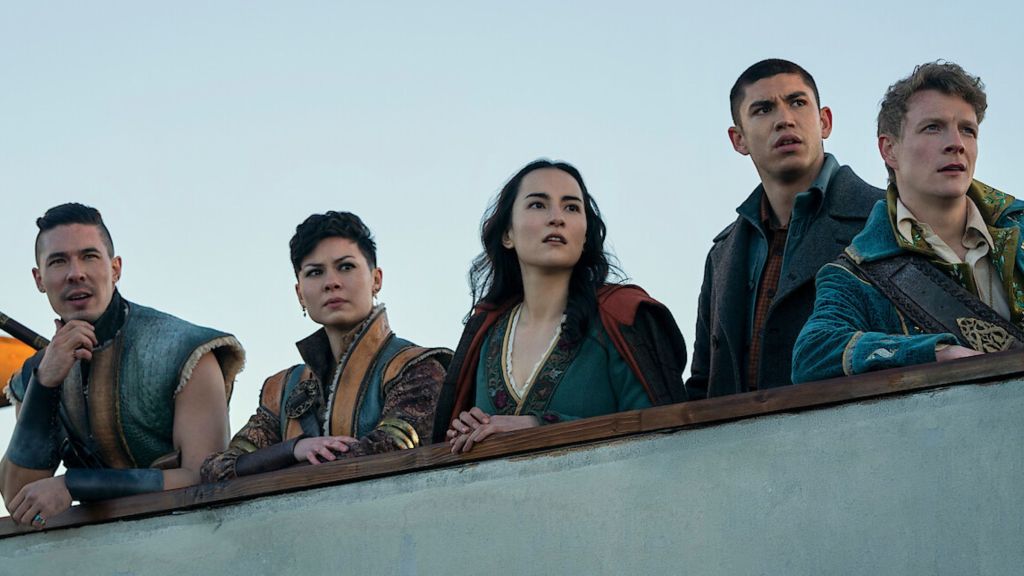
Although it got canceled, Shadow & Bone manages to turn the Grishaverse into something visually and narratively impressive from the very first episode. The world is split into nations, each with its own culture, history, and interests, and the magic system has clear rules that make sense within the universe. It’s complex. The Fold, for instance, isn’t just a physical threat: it changes strategies, politics, and human relationships too. It shifts the entire game, and it’s incredibly interesting for worldbuilding.
On top of that, the show knows how to make character choices matter. Protagonist Alina and the Crows aren’t classic heroes, which makes things way more intriguing. When they mess up, the world feels it, and that immediately makes the story heavier and easier to get invested in. Still, while Shadow & Bone is gorgeous visually, with a solid magic system and structured political landscape, it doesn’t reach the depth of multiple cultures and eras that larger, more expansive universes manage to achieve.
8) The Sandman
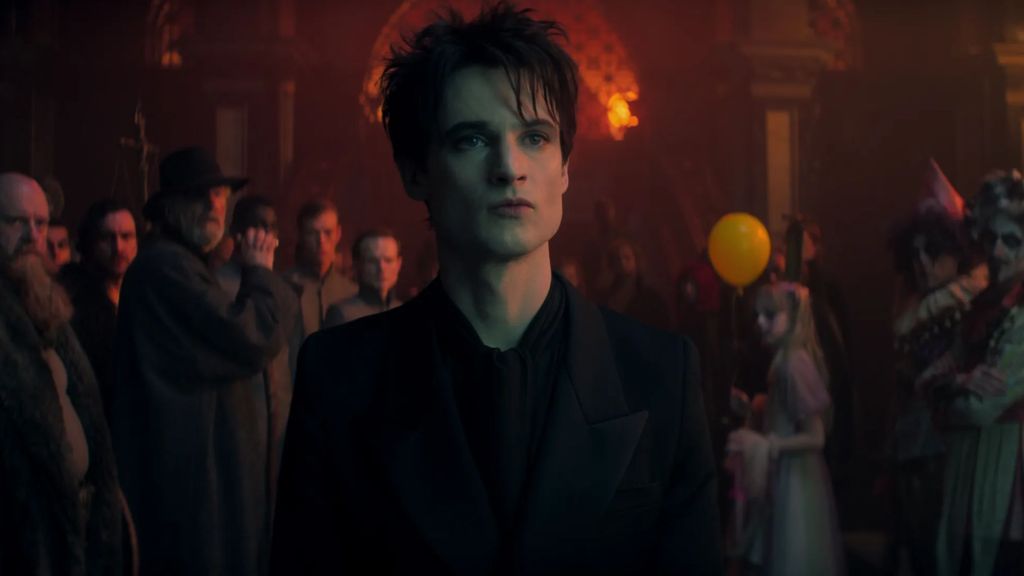
One of the best dark fantasy series out there, The Sandman is epic because it plays with massive concepts in a way that’s actually accessible. Morpheus and the Endless aren’t just ruling over dreams; they represent ideas like death, desire, and despair, which completely shape how the story affects any human character. The universe is huge, but it’s not the physical scale that impresses; it’s the conceptual and narrative scale. The protagonist’s decisions have unavoidable repercussions in the real world, which makes everything feel consequential and keeps you hooked.
Besides, the show mixes fantasy with horror, drama, and mythology without ever going overboard. Even though it was another canceled show, The Sandman doesn’t need huge war scenes to feel grand or to make its universe feel jaw-droppingly impressive. Anyone expecting “standard magic” is in for a surprise: the epic here is psychological and philosophical. It’s ambitious in that sense, but because it’s more abstract and intellectual, it’s a bit niche compared to other universes that aim for broad, large-scale appeal.
7) His Dark Materials
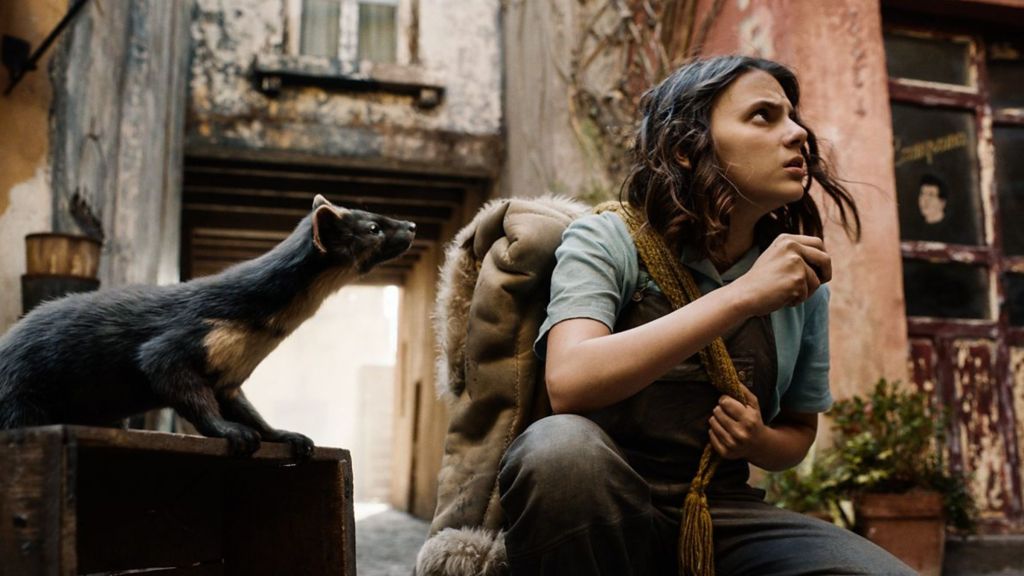
His Dark Materials is seriously underrated as a show, but one thing it absolutely nails is its worldbuilding. The series makes fantasy feel important because its rules create conflicts that are both intellectual and moral, pushing characters to deal with situations that test their beliefs and loyalties. Don’t expect just adventure; this is politics, religion, and science all woven together to enrich the plot. The universe itself is massive and varied, with giant armored bears, witches, and an alternate version of Oxford, giving the story both scale and imagination.
Plus, His Dark Materials never loses sight of impact. There are battles against powerful forces, but the core is understanding that every move can change the fate of entire worlds. It excels at showing consequences while also daring to ask questions about the soul, free will, and authority itself – this is large-scale fantasy in the truest sense. The only drawback is that, by focusing so much on personal and cosmic stakes, it’s still not as visually or action-packed as some of the bigger productions on this list.
6) Arcane
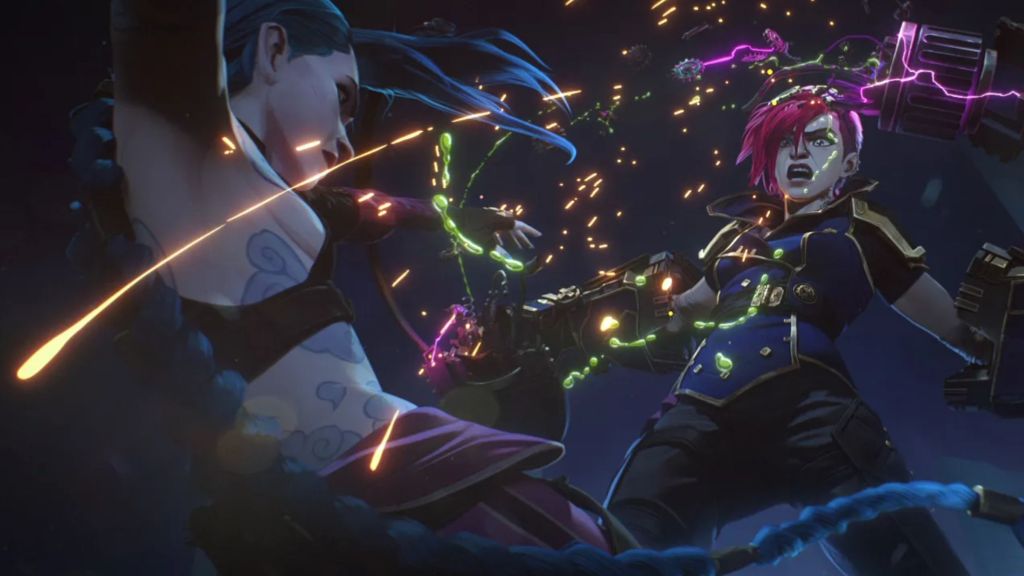
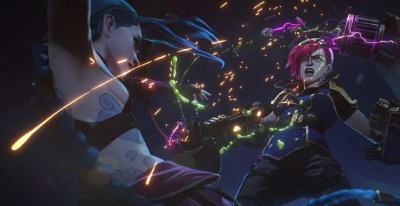
Fantasy has always had a stereotype, like the first thing people think of are medieval castles or dragons. Arcane, however, proves you don’t need any of that to amaze viewers. Piltover and Zaun are cities rich in culture, technology, and inequality, which naturally creates real conflicts. On top of that, it’s an animated show (and meticulously detailed), and it flawlessly makes the audience believe in this world, with every explosion, invention, and battle feeling completely grounded and impactful.
The epicness of Arcane also comes from its characters. Vi and Jinx aren’t just protagonists; their stories are filled with trauma, rivalries, and broken loyalties, and that ripples throughout society, shaping relationships, alliances, and the power dynamics of the city. It’s an incredible production in terms of storytelling and worldbuilding, executed directly and efficiently. It’s genuinely an outstanding fantasy series, but its scale is still urban and local, so it would need just a bit more to climb higher on this particular ranking.
5) The Wheel of Time
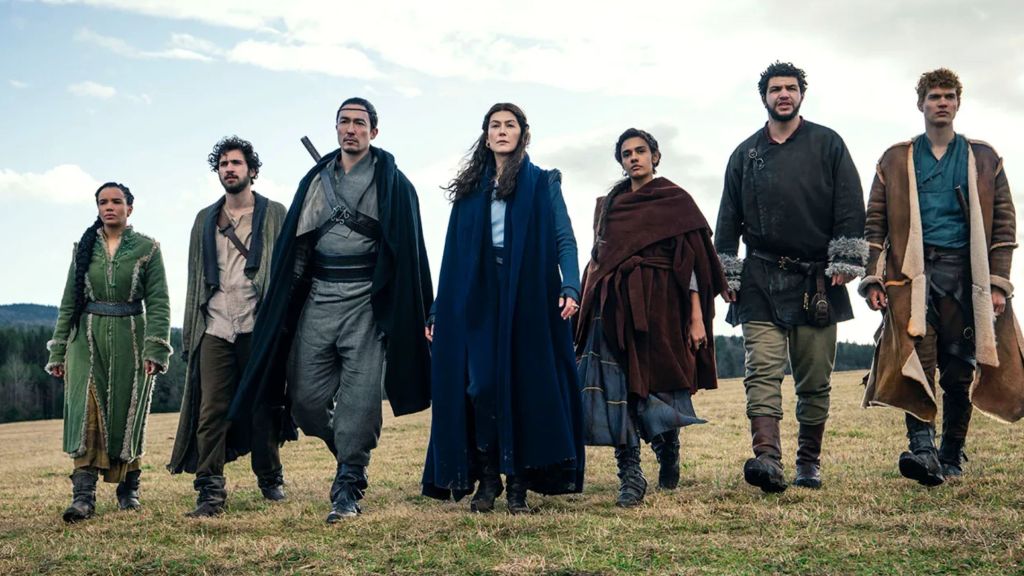
Just look at the aesthetic of The Wheel of Time, and you instantly know its universe is epic, period. The show may have been canceled, but the truth is that when it comes to worldbuilding, it does an incredible job of turning Robert Jordan’s massive, complex books into a story that actually works on screen. This is a huge world, with different cultures, cities, deserts, and peoples. The various nations and societies aren’t just backdrops: they have customs, traditions, and conflicts that directly affect the plot, giving the universe a sense of scale far beyond what most fantasy shows manage to achieve.
What’s really impressive is that The Wheel of Time balances that epicness with personal drama without losing momentum. The main characters all have their own journeys, and a battle isn’t just visually stunning – it carries political, social, and even magical consequences. Prophecies, powers, alliances, and betrayals all carry significant weight, and every story arc is interconnected in a way that makes you feel the sheer magnitude of the universe. The production clearly knows how to handle its story, though unfortunately, it still lacks the cultural recognition that legendary fantasy universes enjoy.
4) The Witcher
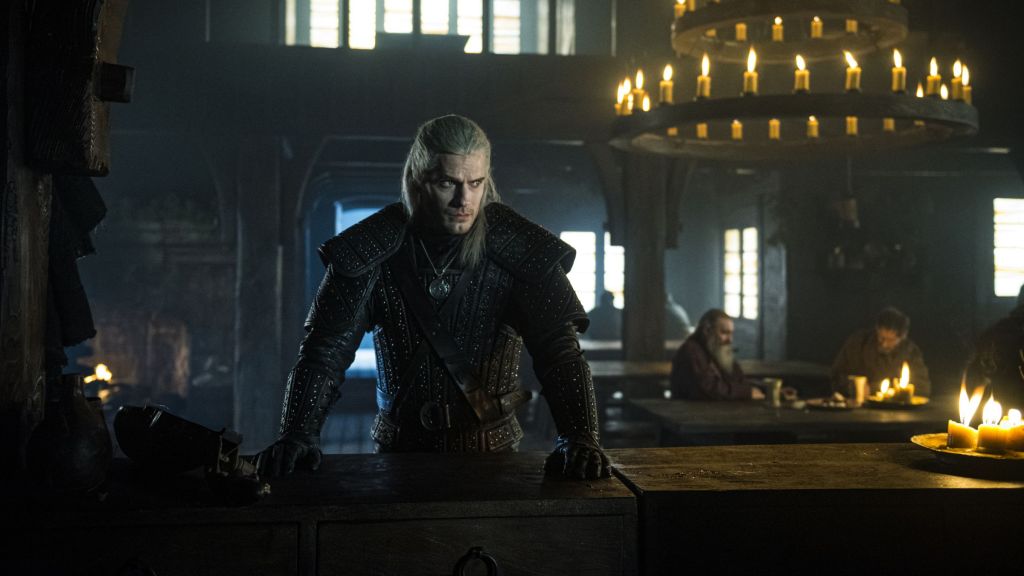
The Witcher stands out for its dark world and morally gray storytelling, but its real strength lies in the internal consistency of its universe, without constantly relying on massive battles (though it has them). Some argue it falls short compared to the books it’s based on, but every monster, conflict, and political plot makes sense within the rules the show sets up. Warring kingdoms, tensions between humans and non-humans, witcher magic, and mage conspiracies aren’t just spectacle – they have direct consequences on characters’ lives and on the politics of the continent.
The epicness also comes from how the series blends politics, war, and magic: all of it feels organic. Nilfgaard isn’t just a villain in the usual sense; it’s a massive empire whose moves impact the whole continent. The Wild Hunt and the prophecies surrounding Ciri also add layers that connect characters and regions across the continent. On top of that, the morally gray aspect makes the epic feel more real: tough decisions with unpredictable consequences, where the line between hero and villain basically doesn’t exist. Still, because The Witcher is a more brutal, intimate kind of epic rather than a sprawling one, it lands here.
3) Avatar: The Last Airbender
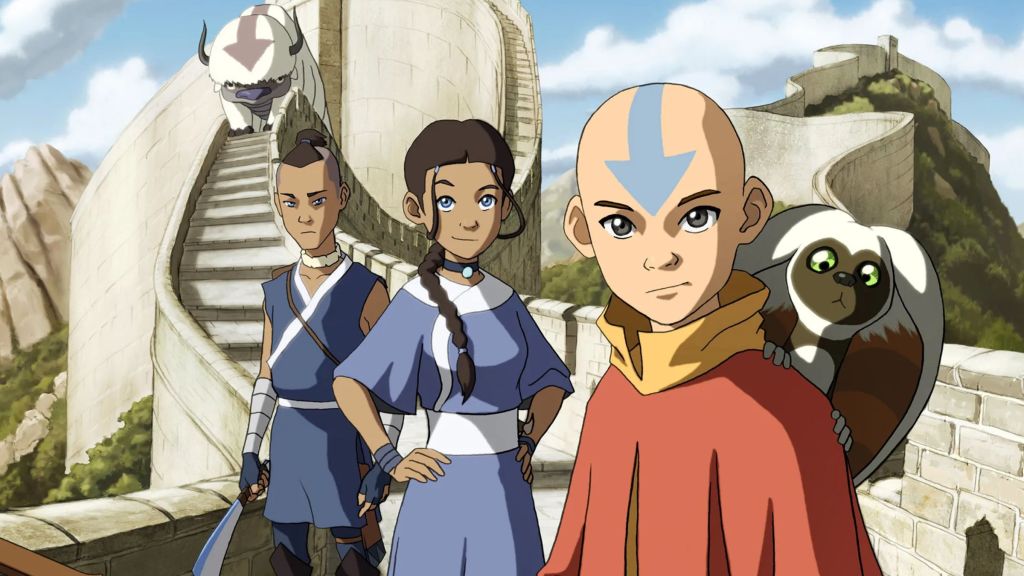
Another animated series that manages to feel truly epic is Avatar: The Last Airbender, and it gets basically everything right when it comes to stakes, which is why it earns a top 3 spot. Every detail feels carefully crafted: each elemental nation has its own culture, philosophy, and internal conflicts, and the Fire Nation acts as a calculated, powerful force that changes the balance of the world. The show also tackles war, genocide, colonialism, and responsibility with the right balance, never losing the seriousness of the story. That makes viewers not just watch, but believe and immerse themselves in the world.
Also, the epicness isn’t just in battles (which are brilliantly choreographed and designed), but in how the show combines emotional stakes across the board. It gives attention to various aspects without letting anything fall apart. Avatar: The Last Airbender teaches that being epic is more about scale, clear stakes, and narrative coherence. It’s not just about numbers or special effects, but a combination of elements that all have to be perfectly balanced. Everything is meticulously detailed yet cohesive, and very few fantasy TV shows manage to pull off what this series accomplishes.
2) Game of Thrones
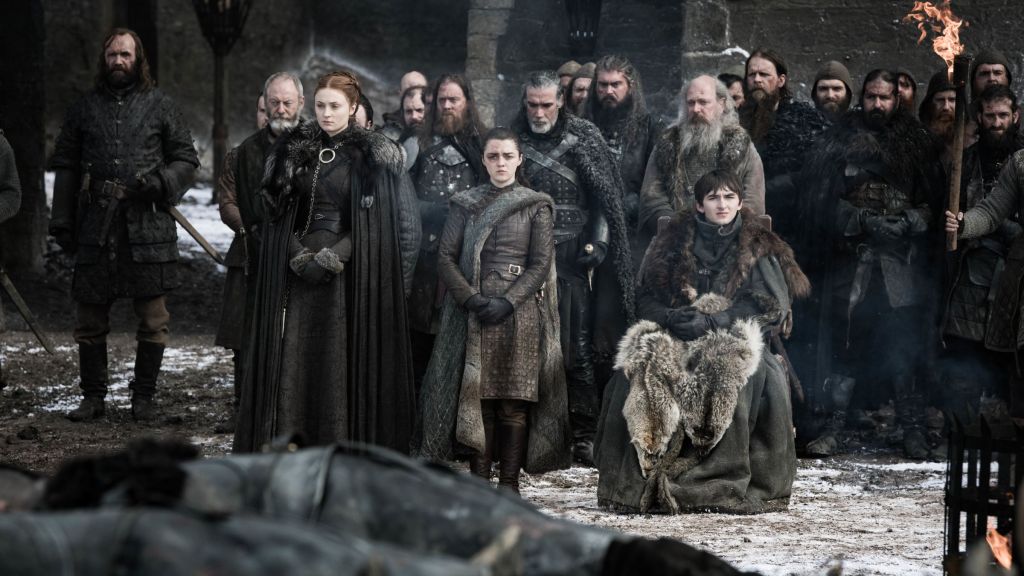
You can’t talk about fantasy without talking about Game of Thrones. It doesn’t matter that the final season was a massive disappointment; overall, the adaptation of George R. R. Martin’s books remains one of the best examples of an “epic universe” on TV (which explains its massive global success at the time). A world full of every kind of plotline, Westeros and Essos have their own cultures, religions, and histories, and every choice, no matter how small, can shift the balance of power. Everything carries weight – nothing is shallow or just filler.
On top of that, the show nails political intrigue, betrayal, and complex characters, while also delivering large-scale elements: battles with thousands of soldiers, jaw-dropping sieges, dragons, hordes of undead, numerous languages, and tangled noble house conspiracies. Besides, Game of Thrones shows how politics and war are inseparable from the human experience, making it fundamentally different from so many shows that tried to emulate it. It literally redefined what TV fantasy could be: political conflict, war, strategy, and genuine human drama, all on a colossal scale – a formula that’s extremely hard to replicate perfectly.
1) The Lord of the Rings: The Rings of Power

The Lord of the Rings: The Rings of Power is peak epic in TV fantasy. The Second Age of Middle-earth showcases elven kingdoms, Númenor, and the rise of Sauron on a cinematic scale for its format. Every conflict, political or military, has far-reaching consequences that reshape kingdoms and alliances, making the world feel vast, ancient, and alive. It’s not just about watching a story, but about stepping into a world with millennia of lore and traditions.
On top of that, the show balances action and drama far more consistently than most others. It explores many fronts of conflict simultaneously, like court intrigues, betrayals, and the rise of new factions. The epicness is also in the worldbuilding: the geography, architecture, customs of each people, languages, and the way magic is crafted into powerful artifacts, all of which add depth and authenticity. Special effects help sell the scale, but they’re not what make the series shine. Watching The Rings of Power, you’re faced with politics, war, and heroism in a manner that feels like nothing else you’ve ever seen.
Are there any other fantasy universes you think are amazing? What’s your favorite one? Let us know in the comments!
More TV Shows
-
Gambit in X-Men '97 -
Courtesy of Toei Animation / McDonalds / Nickelodeon -
Image courtesy of Fox