It is 2007, The Elder Scrolls IV: Oblivion has been out for a year, and you’ve finished your umpteenth playthrough because you’re still a child with no responsibilities and a thirst for immersive RPGs. However, despite the magic of Cyrodill still just about managing to enrapture you, and Jeremy Soule’s incredible score forever looping in your mind, you hunger for a new experience, something to scratch the open-world RPG itch that Oblivion has left behind. Luckily, there, on the horizon, mere days away, is the Oblivion killer, a brand-new game that will dethrone Bethesda’s epic title and claim its rightful place at the top of the fantasy RPG leaderboards.
Videos by ComicBook.com
Well, at least that should have been the case, but I’m sure few know of which game I speak. This so-called Oblivion killer, released in 2007, should have stolen hearts and cemented itself as a staple in our nostalgia-filled rants about a lack of new fantasy open-world RPGs. Alas, due to a myriad of issues, Two Worlds, one of the most underrated RPGs of all time, failed to leave a lasting impression on fans across the world and now sits collecting dust in the hallowed halls of forgotten games. Fortunately, I’m here to remind you all about this little oddity, the game that almost brought down Bethesda. Almost.
Two Worlds Is A Remarkable RPG
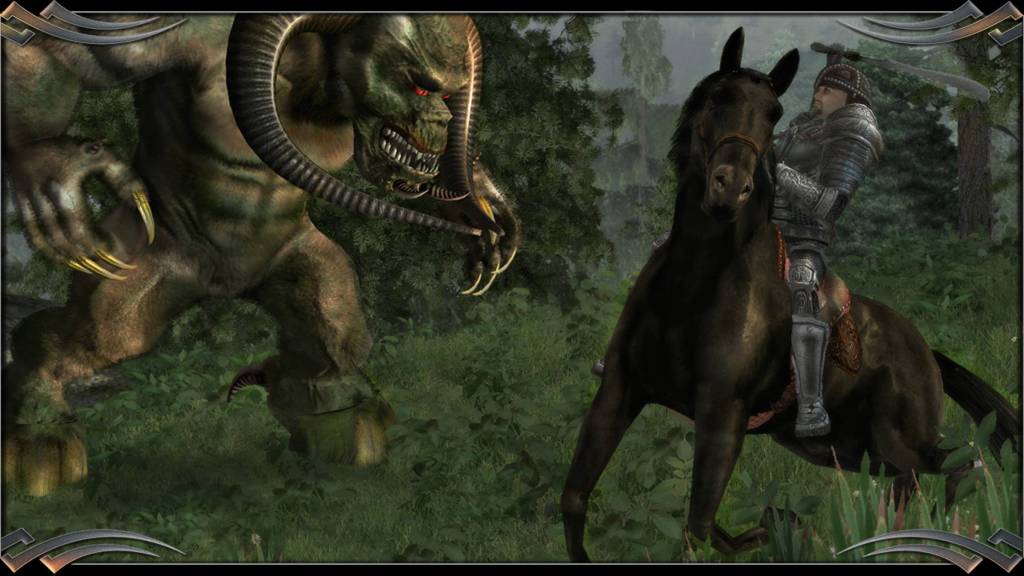
Two Worlds was developed by Reality Pump Studios and offered a significantly lower-budget, yet nevertheless ambitious, alternative to Bethesda’s well-known fantasy franchise. It was a part of a rather glorious era of gaming in which everyone wanted a piece of the Elder Scrolls pie, with titles like Divinity 2: Ego Draconis, Kingdoms of Amalur, Gothic, and Fable all offering unique high-fantasy experiences, the likes of which we so rarely see nowadays. Sure, they weren’t all quite as impressive as The Witcher 3 or Baldur’s Gate 3, but they nevertheless offered vast, detailed, and typically immersive worlds that still feel refreshing to explore to this very day.
Two Worlds was received far less favorably than its contemporaries, owing to its rocky launch and poor performance, something Bethesda is now all too familiar with, and largely went overlooked as a result. That is a great shame, as Two Worlds is in a far more stable place now than it was at launch, with numerous patches and a re-release on Steam helping to showcase the many aspects of open-world RPG design it got fundamentally right and, in many cases, did better than Oblivion. Two Worlds, at times, feels significantly more freeing, its sandbox world is smaller scale, but nevertheless open to the player’s chaotic whims.
You can kill the final boss within the first five minutes of the game by luring him to a nearby village and having its denizens whack him to death with scythes and rakes. It has factions to align oneself with, a bizarrely told narrative with some of the most Eurojank voice acting you’ve ever heard, a myriad of quests to embark upon, an intuitive and innovative crafting system that makes use of everything you find, and a plethora of perks and skills to invest in that actually make a noticeable difference to your build and playstyle. Real effort went into Two Worlds to make it as comparable to its direct competition as it possibly could, considering its commensurately lower budget. Sure, it is no Oblivion, but it was an exceptionally noble attempt at creating a true Elder Scrolls competitor, the likes of which we seriously need right now.
Two Worlds Represents A Golden Era Of RPGs
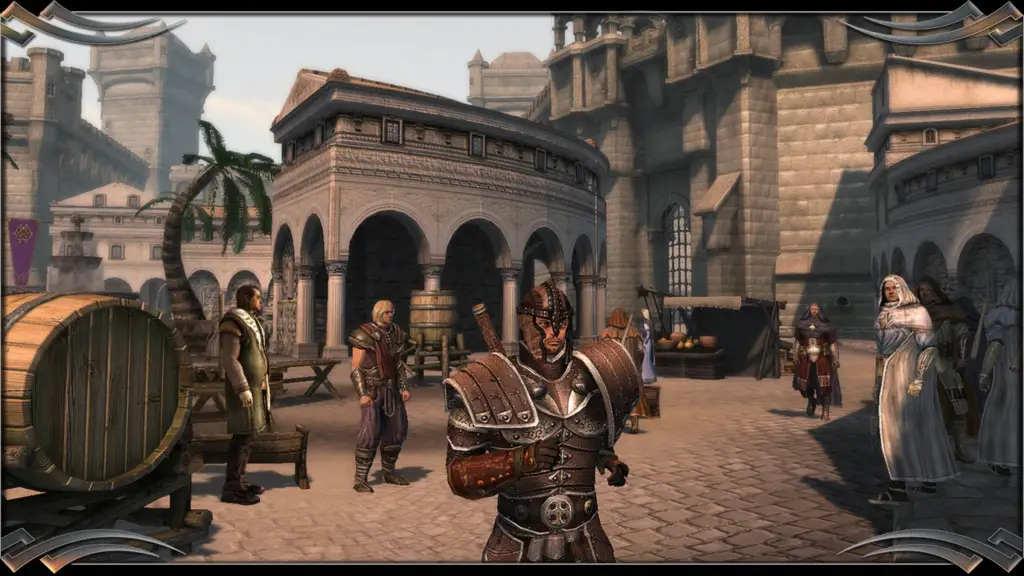
I think what makes Two Worlds such a remarkable RPG to return to in 2026 is how it exposes the little progress the genre has made since its release. Don’t get me wrong, Baldur’s Gate 3 is leagues above Two Worlds in every department, as too are games like Kingdom Come: Deliverance 2 and its ilk. Rather, Two Worlds represents an era in which open-world fantasy games aiming for the level of immersion so coveted in modern-day gaming were a dime a dozen. These games achieved a level of freedom that even the biggest of AAA open-world games struggle to deliver.
As a wee lad, I spent so much time in the vast worlds of RPGs like Sacred 2, Kingdoms of Amalur, and Divinity 2, their vibrancy now extremely missed in this era of miserable dark fantasy and murky Unreal Engine 5 visuals. Each one achieved that sensation of wonder and adventure absent in most modern open-world games. Of course, removing my well-worn rose-tinted glasses, it’s clear that games like Two Worlds and Kingdoms of Amalur were riddled with flaws and are dated in their design. Yet, what they lacked in budget and shiny visuals, they more than made up for with atmosphere, innovation, and ambition.
We don’t really use the term X-killer anymore in video games. Sure, we get a lot of games attempting to imitate their contemporaries, but we’ve largely settled into a handful of AAA franchises that dominate the market and push respectable AA games aside. It’s why we’ve seen a stark decrease in smaller-budget games attempting to push for something as ambitious as Two Worlds was back in 2007. These types of games do still exist to an extent, Outward being a prime example, but they’re few and far between. I miss the days when AA games had just as good a chance at climbing the charts and delivering something incredibly memorable as the blockbuster releases.
I doubt many will carve time out of their day to go back and play something like Two Worlds or its far superior sequel, Two Worlds 2. They’re old and dated, and people’s backlogs are astronomically large now. However, should you find yourself craving a game like The Elder Scrolls, one that perhaps isn’t as polished, has a few quirks of its own, and lacks the same budget, but still manages to capture the magic, sense of adventure, and immersive world design as that beloved series, then I would recommend checking out Two Worlds. Indeed, I’d strongly suggest returning to this era of gaming, where anything felt possible, where colorful, fun, and vibrant fantasy worlds were all the rage, and where game development wasn’t stifled by ballooning budgets and endless catastrophic industry-ending events. Two Worlds isn’t perfect, but it is a reminder that sometimes it’s better to dare and fail than to never dare at all.
Will you be trying out Two Worlds? Leave a comment below and join the conversation now in the ComicBook Forum!
Most Viewed
-

Image Courtesy of Amazon MGM Studios -

Image courtesy of PerBlue -

Image courtesy of San Diego Studios