Dragon Ball is, arguably, one of the biggest anime franchises to make the leap from Japan to North America, as there’s just something about the life of Son Goku that Western audiences have grown to love. Whether it be the earth-shattering battles and/or the humor throughout the shonen series, anime viewers continue to follow the shonen franchise to this day via the likes of Dragon Ball Super and Dragon Ball Daima. Ironically, the introduction of the series to many took place years prior to the shonen sequel before it landed on Cartoon Network’s Toonami programming block, and there’s plenty to navigate for Z’s American arrival.
Videos by ComicBook.com
For those who might not be aware, Dragon Ball Z first premiered in the United States in 1996, arriving thanks to Funimation joining forces with the likes of Saban and Ocean Studios. Rather than appearing on Cartoon Network, the anime would appear on various channels thanks to its arrival in syndication, normally running the gamut from the now-defunct channels of The WB and UPN. The episodes would regularly air early in the mornings, and for two years, the Saiyan Saga and the Frieza Saga ran weekly. Unfortunately, the arrival of DBZ in the West was riddled with some head-scratching decisions that are still mocked to this day.
The Censorship of Dragon Ball Z

In an effort to “sell” Dragon Ball Z to a young, Western audience, those responsible for bringing the shonen series to North America made some big changes to the material. To no one’s surprise, the blood, and more violent segments, in both the Saiyan and Frieza sagas were heavily edited for syndication. What became legendary for anime fans throughout the years were the extreme lengths that Funimation took to make sure that the Z-Fighters were able to retain their timeslot. Enter “The Home For Infinite Losers.”
In a sense, you almost have to give credit where credit is due when it came to the censorship behind Dragon Ball Z’s original American debut. Rather than simply skipping Son Goku’s arrival in the underworld overall, for example, Funimation decided to edit the ogres’ shirts that lived to “HFIL,” or “Home For Infinite Losers.” While this change alone was a monumental one, the true eye-popping shift came when the very concept of death was eliminated from the anime. Instead of a character being killed when they were fighting the likes of Nappa, Vegeta, Raditz, and more, characters were said to have been sent to “another dimension.” Many bodies, thanks to the shonen show’s battles, would be completely atomized due to energy attacks, which Funimation capitalized on. Whenever villains like Nappa would threaten our heroes, he would threaten them with being “sent to another dimension,” rather than their deaths.
Aside from their massive changes to the afterlife and the violence inherent in Dragon Ball, there were also random changes that were made, such as turning beer into an unknown liquid. Even some characters’ faces were changed, such as a young Gohan not having his eyes opened by Turles during the events of Dragon Ball Z: Tree of Might. To this day, the edits and overall censorship are still one of the biggest examples of how an anime would change when it made its way from Japan to the U.S. in the 1990s.
Dragon Ball Z Minus 200+ Episodes
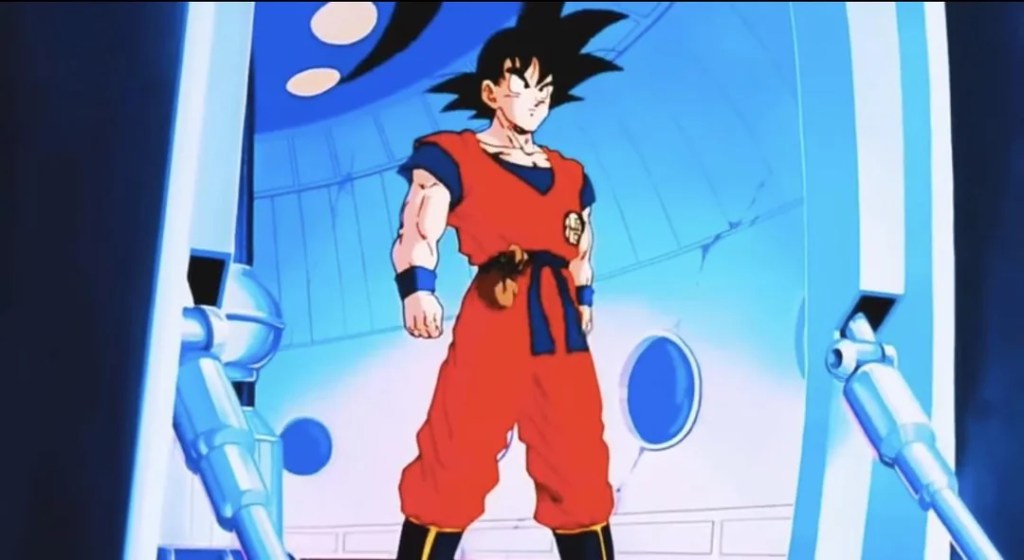
On one hand, the censorship of the anime was something that might have been a hindrance to some early viewers, but the incomplete nature of Dragon Ball Z’s arrival was something else entirely. For those who don’t know, the shonen sequel didn’t air on syndication in its entirety, but instead, only housed fifty-three episodes. While Toonami would eventually go on to air the entirety of Dragon Ball Z, this was not the case when it first arrived in 1996. Not only was this something of a limited run in comparison to the two hundred and ninety-one episodes, but it ended on quite the cliffhanger.
Specifically, the final episode of Dragon Ball Z’s syndicated run sees Goku arriving on the Planet Namek, defeating Recoome, and fighting against Burter and Jeice. As Vegeta begins to wonder if Son has become the legendary Super Saiyan, the episode ends, and the syndicated series begins from the start once again. It was years before many American viewers had the chance to see how the fight on Namek ended, but luckily, in the streaming era, anime is released more often than not in their entirety.
When Dragon Ball Z eventually landed on Cartoon Network’s Toonami, not only was the cable network more lenient on censorship, but a cast was brought in to replace the original actors from Ocean. This would introduce the likes of Sean Schemmel, Christopher Sabat, and Stephanie Nadolny to the roster, with many of the actors sticking around throughout the years. While the anime’s American origins might have been controversial, these were a bump in the road to the franchise becoming one of the most beloved anime in the West.
More Anime
-
Image courtesy of Shueisha -
Image Courtesy of Shueisha -

Image Courtesy of Netflix / 20th Century Fox -
Image Courtesy of Ufotable