Some anime characters get treated like royalty by their writers. Then there are the others. The ones who carry entire emotional subplots on their shoulders, make us cry, and then get tossed aside. These are the characters who deserved a therapist, a day off, and maybe a good beach episode instead of pain, trauma, and a single tragic piano track.
Videos by ComicBook.com
They never got the respect their arcs deserved, doomed to live forever in our group chats prefaced by “I’m still not over it, but—”. Every fandom has them — the walking heartbreaks who could’ve had depth, redemption, or even happiness, but instead became symbols of how cruelly beautiful anime storytelling can be. We remember them because they made us swear revenge on the writers.

10. Maes Hughes – Fullmetal Alchemist: Brotherhood
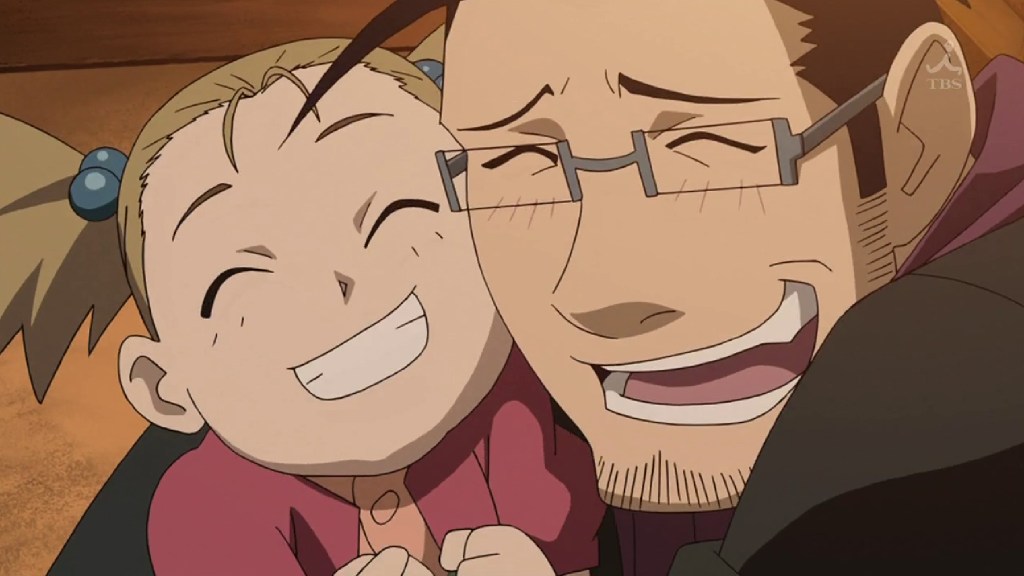
Hughes was the heart of the series. His death was not only brutal but strategically senseless, designed to shake the protagonists rather than serve his own story. Hughes was a friend, a father, and the kind of soldier who believed in goodness.
His passing reshaped the tone of the series, shifting it permanently toward loss and betrayal. While it served the narrative, it left fans outraged at the cruelty of it. The way his death was handled reflected the brutal philosophy of the military world he worked for, but it also robbed the series of one of its few beacons of optimism.
9. Kurapika – Hunter x Hunter
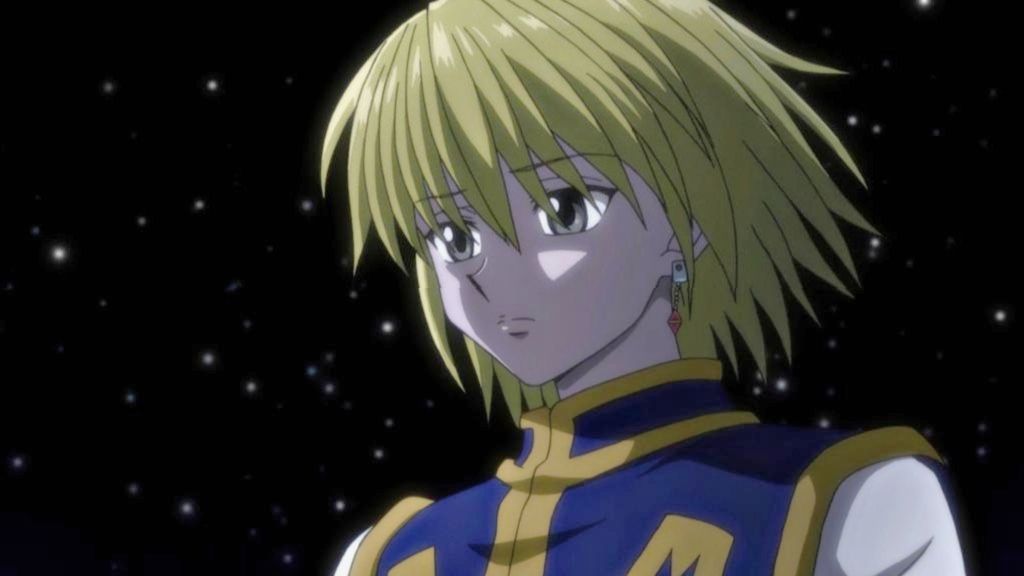
Kurapika’s life was consumed by vengeance after the massacre of his clan. What was once an idealistic and curious boy became a cold weapon driven by obsession. His skills and intelligence made him a force, but his emotional decay turned him into a tragic reminder of how justice can corrode humanity.
Even when he achieved victories, they brought no peace. His story arc felt incomplete, overshadowed by Gon and Killua’s adventures. Kurapika remains in a loop of sorrow, chained metaphorically and literally to his revenge.
8. Sasha Blouse – Attack on Titan
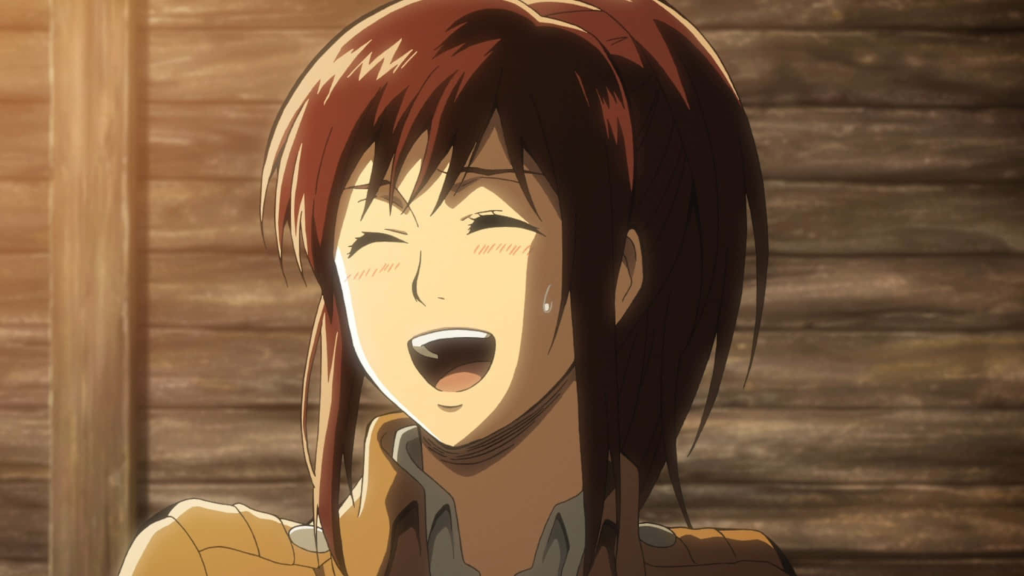
Sasha’s death cut through the fandom like few others. She grew from comic relief into one of the show’s most humanizing characters, embodying joy and perseverance amid a world of despair. Watching her fall so suddenly during a psychological transition arc felt unnecessary, more like emotional punctuation than narrative evolution.
She symbolized innocence in a collapsing world, and eliminating her only reinforced the series’ nihilism. Sasha had fought harder than most to hold onto her humanity, and her end felt like punishment for still being good in a world that had long forgotten kindness.
7. Jiraiya – Naruto
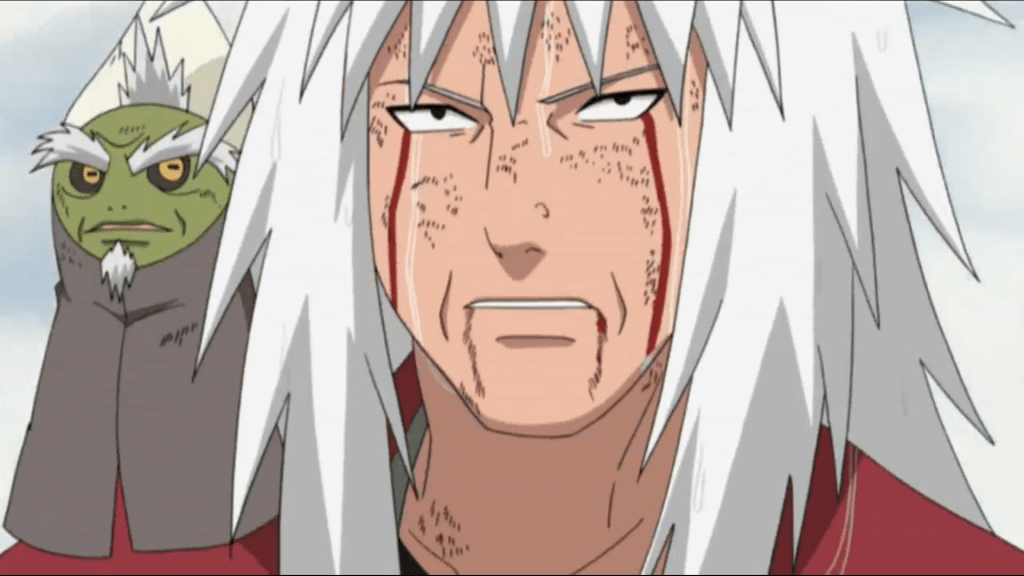
Jiraiya’s death remains among the hardest blows for longtime anime fans. His final stand against Pain was noble and cinematic, yet it left an ache because he never got to see the world he helped shape. His death didn’t just mark the end of a warrior; it silenced a teacher whose lessons carried emotional depth.
Jiraiya deserved a reunion with Naruto, the chance to witness his student’s triumph. Instead, he died alone, leaving behind only prophetic hope. Even years later, his name is spoken with the weight of what-could-have-been. His sacrifice was grand, but it robbed viewers of emotional payoff for one of anime’s most beloved sensei.
6. Kamina – Tengen Toppa Gurren Lagann
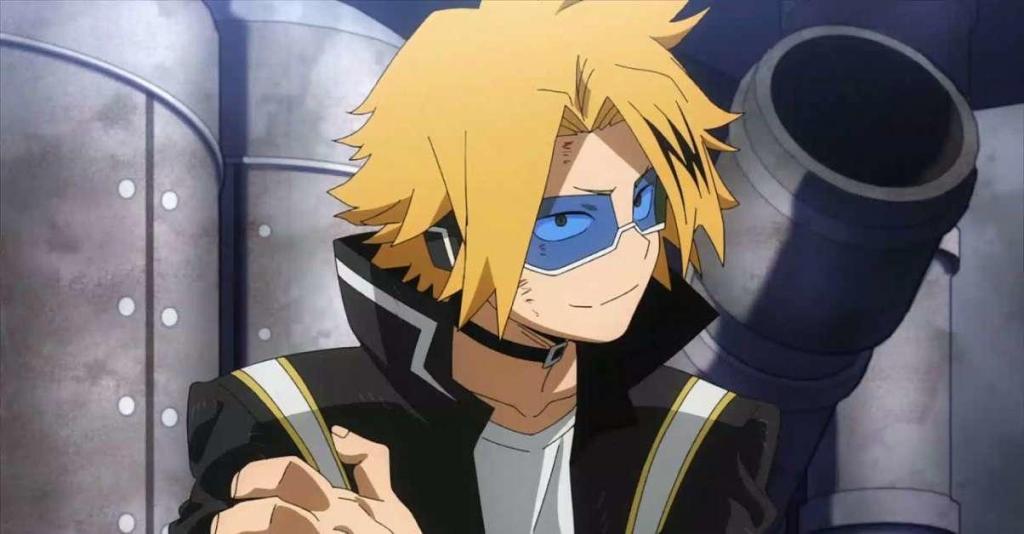
Kamina embodied unrelenting drive. His leadership gave birth to the show’s energy, yet his death arrived too early, cutting the cord on one of anime’s most dynamic personalities.His fire carried the show, and its sudden extinction shocked even seasoned anime fans.
Simon’s journey afterward was powerful, but Kamina’s absence loomed over every victory. Losing him so soon left fans frustrated at what more he could have accomplished. His fate made thematic sense, but emotionally, it was one of the most unsatisfying trade-offs in mecha storytelling.
5. L – Death Note
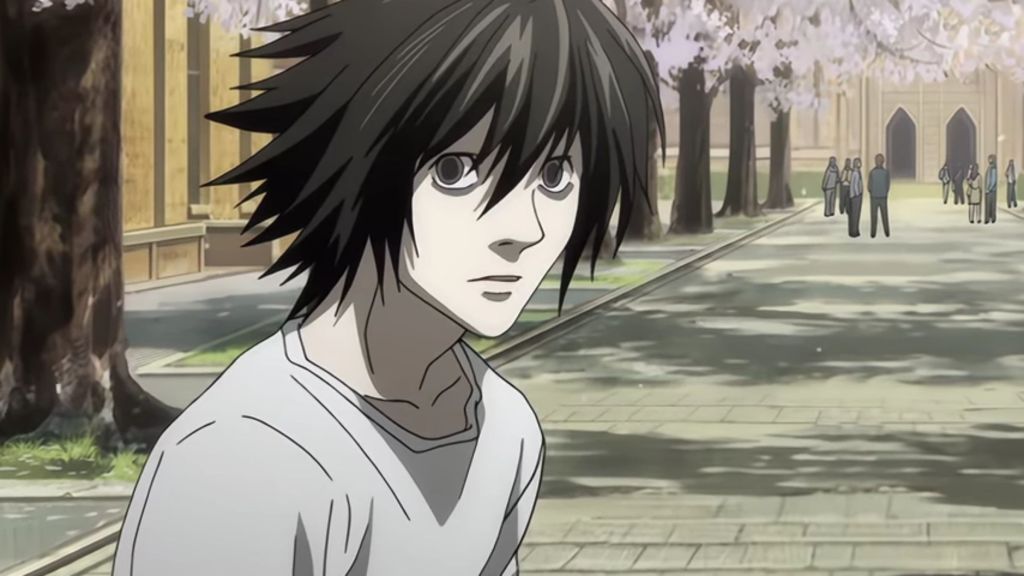
L’s mind was an unstoppable force. He represented reason and morality in a show defined by cunning and deceit. His death felt less like a story beat and more like a betrayal. The cat-and-mouse tension that made the show legendary deflated the moment he fell. Replacing him never recreated the same electricity.
He deserved victory, or at least dignified closure. Instead, he was undone by arrogance and circumstance. His genius illuminated the show’s darkness, and watching that light snuffed out so casually left viewers frustrated at wasted brilliance.
4. Koro-Sensei – Assassination Classroom
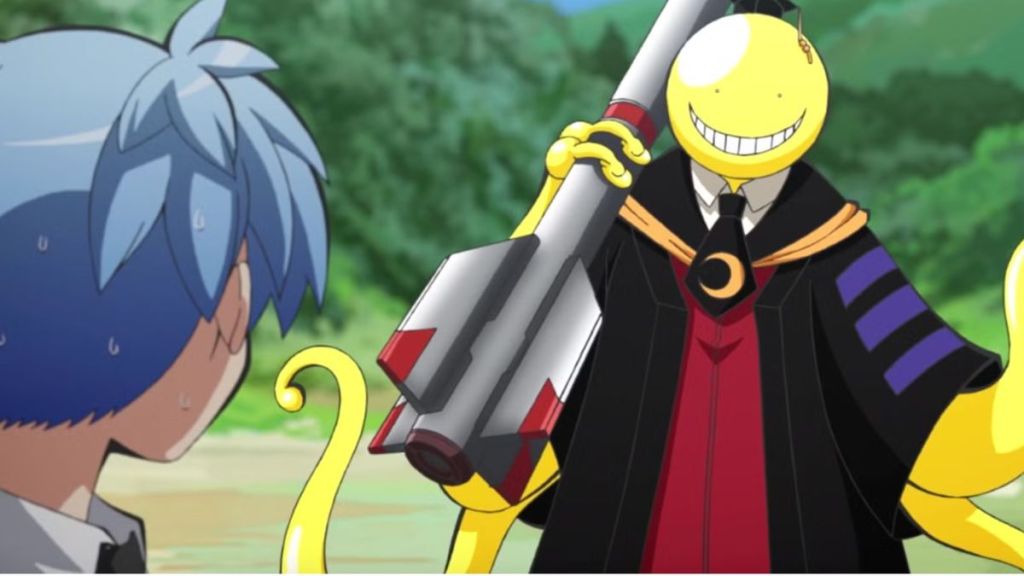
Every lesson he taught came from love and redemption, yet Koro-Sensei’s story ended in tragedy. He guided his students toward humanity while knowing his time was running out, making every scene bittersweet. His death felt both expected and devastating. The anime didn’t glorify it; it made us watch as hope and sorrow intertwined. He deserved a peaceful resolution after all he had done to atone for his past. Instead, he was sacrificed for catharsis.
3. Lelouch Lamperouge – Code Geass
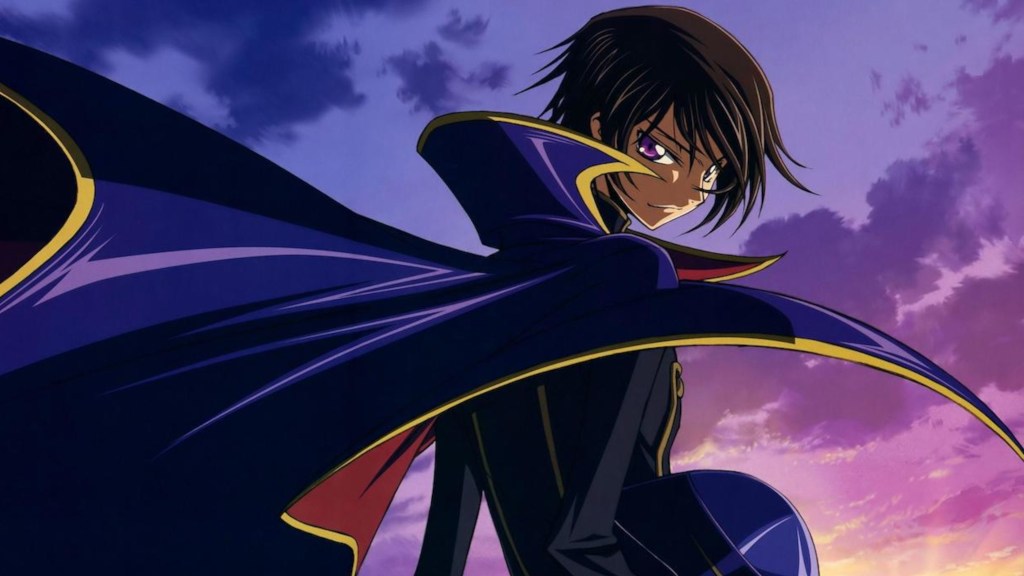
Lelouch played god and paid the ultimate price. His plan for peace was brilliant and haunting, yet his demise fueled furious debate. Many saw it as justified, others saw it as punishment for bearing the burden of the world’s sins. But the tragedy lay in how utterly alone he became by the end, despite everything he had won and lost.
He deserved at least the chance to rebuild instead of becoming a symbol consumed by martyrdom. His death sealed his myth, but erased the person behind it. The brilliance of his plan doesn’t soften how unfair it felt to see him erased by the very idealism he fought for.
2. Rem – Re:Zero
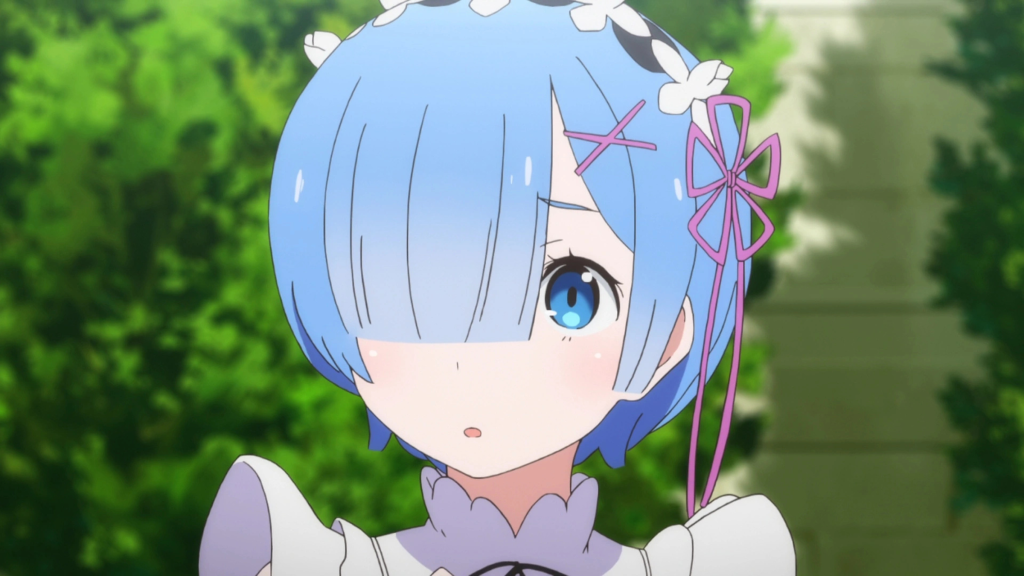
Rem’s story was pure heartbreak. She began as a side character and stole the entire show through loyalty, tenderness, and courage. Her love went unreciprocated, and just when she found peace, she was erased from existence. She deserved recognition and happiness after the suffering she endured. Instead, her story was cut short at its emotional peak. Fans watched her dedication collapse into silence, and that void still lingers years later.
1. Neji Hyuga – Naruto Shippuden
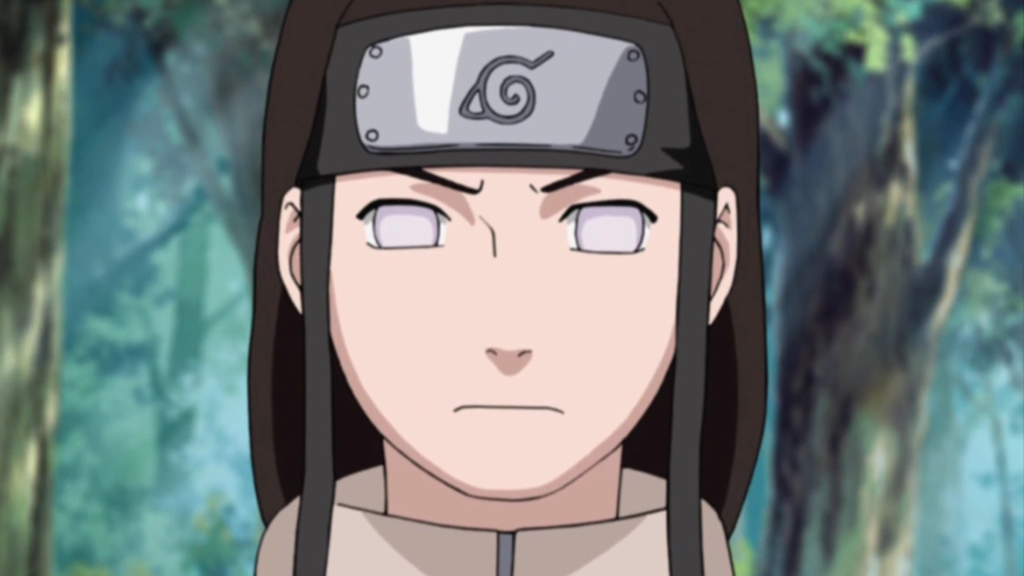
Neji’s journey was about breaking free from destiny. His death was one of the most contentious in shonen history, not because it was shocking, but because it felt narratively cheap. He fought for freedom, identity, and equality — then died as a shield in someone else’s story. His arc deserved completion, not closure through sacrifice.
His passing reflected the show’s disregard for his deeper themes of liberation. As one of the most complex characters in Naruto, Neji’s potential for growth was extraordinary. Instead, he was written out to remind others of mortality. Fans raged not because he died, but because his story still had so much to give.
What do you think? Leave a comment below and join the conversation now in the ComicBook Forum!
Most Viewed
-

Courtesy of Sony Pictures Animation / McDonald's -
Courtesy of Sony Pictures Animation / McDonalds -

Image courtesy of Marvel Television