Sometimes an anime feels too light or strange to take seriously when it starts. The tone might seem exaggerated, the story too random, or the characters too shallow to carry any meaning. Viewers shrug it off as style-over-substance or a filler show meant to entertain between the “real” ones. Then, without warning, it starts to turn inward.
Videos by ComicBook.com
The same world that looked silly or detached begins to reveal its suffering, its boredom, or the quiet ache of being alive. It’s a slow trap. You think the story has nothing serious to say until it hits you with questions about purpose, loss, or the way people pretend to keep going when they’ve already faded inside. Anime like this teaches you that even the strangest or simplest stories can carry truth once you stop brushing them off.

10. The Devil is a Part-Timer!

The Devil is a Part-Timer! opens as a comedic role reversal. The literal Devil ends up working at a fast-food restaurant after losing his demonic empire. The humor comes from the absurdity of an immortal being worrying about shift schedules and salaries. Beneath that setup lies a sharp look at purpose and pride in a world that rewards the mundane.
As episodes progress, the story stops being about gags and becomes a reflection on survival. Maou’s journey turns into a relatable experience of losing status, adapting to mediocrity, and questioning what gives life meaning when power disappears. It’s strangely comforting and quietly tragic at the same time.
9. Gintama
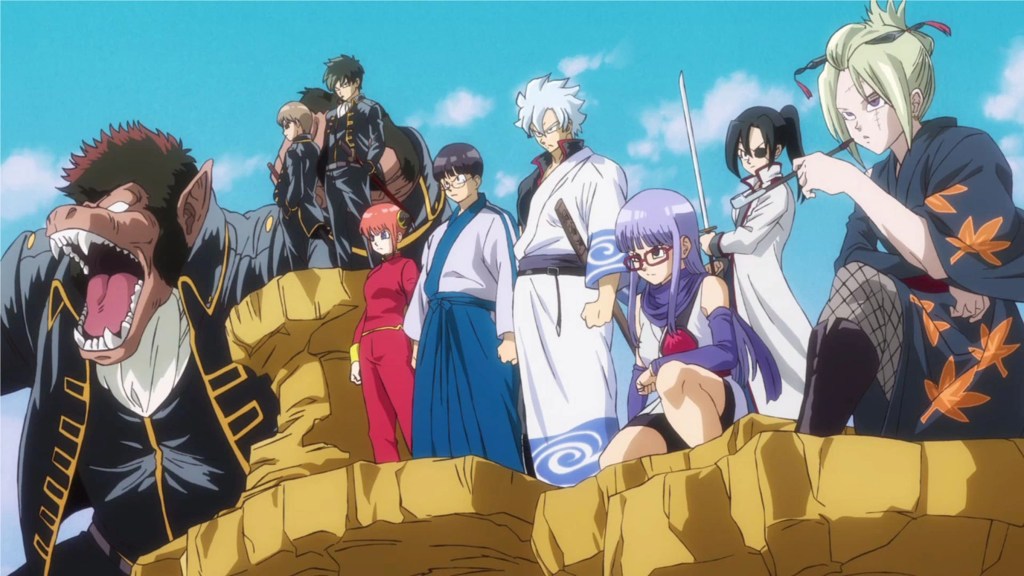
At first, Gintama feels like a nonstop circus of absurd jokes and parodies. The show mocks every anime trope imaginable, often undercutting itself with slapstick humor. Yet somewhere between the laughs, the story begins to carry real emotional gravity.
When it deals with wars, death, and memory, the tone shifts completely. The series uses humor to make its dramatic punches hurt more. Gintoki’s lazy, sarcastic personality hides the pain of loss and regret. Comedy becomes a way to survive grief, and the result feels painfully human.
8. The Tatami Galaxy
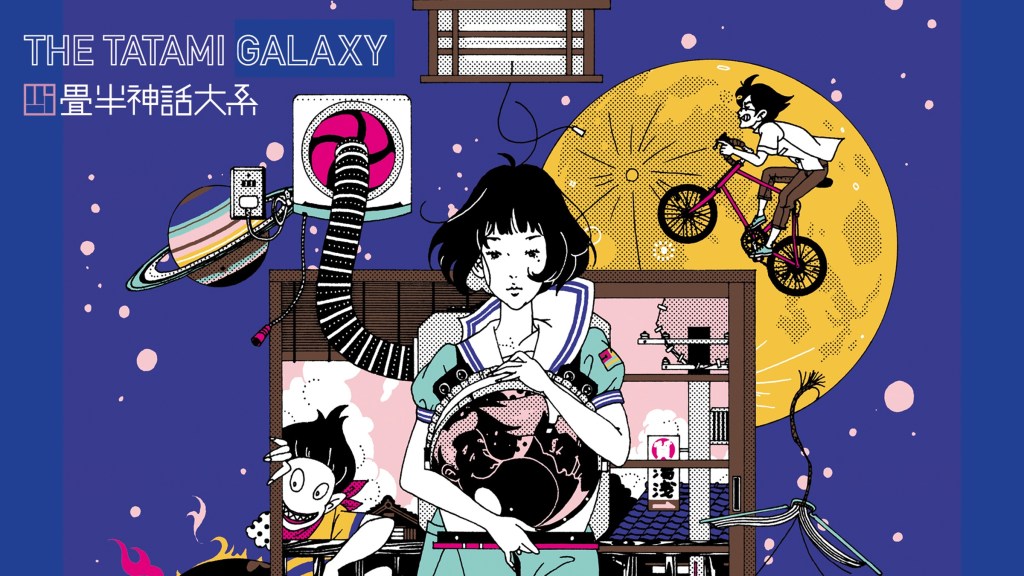
The Tatami Galaxy begins as eccentric fun. A college student keeps reliving his university life, searching for the one “perfect” experience that will make everything meaningful. The rapid narration and surreal art style make it feel like a romantic farce. By the end, the main character realizes that choosing at all carries more value than chasing perfection. What looked like a quirky comedy quietly turns into a lesson about acceptance.
7. KonoSuba: God’s Blessing on This Wonderful World!

The first impression of KonoSuba is ridiculous. A dead gamer wakes in a fantasy world and forms a party of hopeless adventurers who can barely function. Every episode ridicules typical isekai power fantasies.
With time, the absurdity reveals a sadder truth about failure, loneliness, and self-worth. Kazuma and his broken allies endure humiliation, yet they keep going. The show’s humor masks an honest reflection on finding satisfaction in imperfection and companionship. It teaches that happiness can grow from chaos rather than accomplishment.
6. The Melancholy of Haruhi Suzumiya
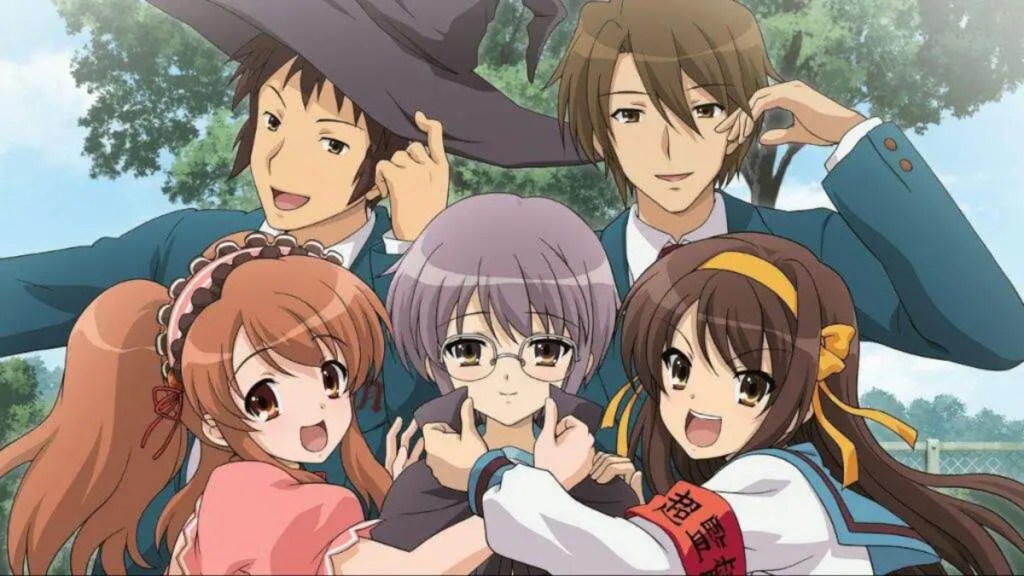
The Melancholy of Haruhi Suzumiya looks like a high-school comedy filled with time travel, odd club activities, and one demanding girl. The early episodes move quickly and feel like simple fun. Then the series hints at something darker: Haruhi can unknowingly reshape reality through her emotions.
As the story deepens, the tone becomes eerie. The cheerful atmosphere hides questions about control, loneliness, and the human need for connection. The repetition in arcs like Endless Eight turns from a running gag into a portrayal of existential fatigue. What began as playful slowly edges into metaphysical fear.
5. The Cautious Hero
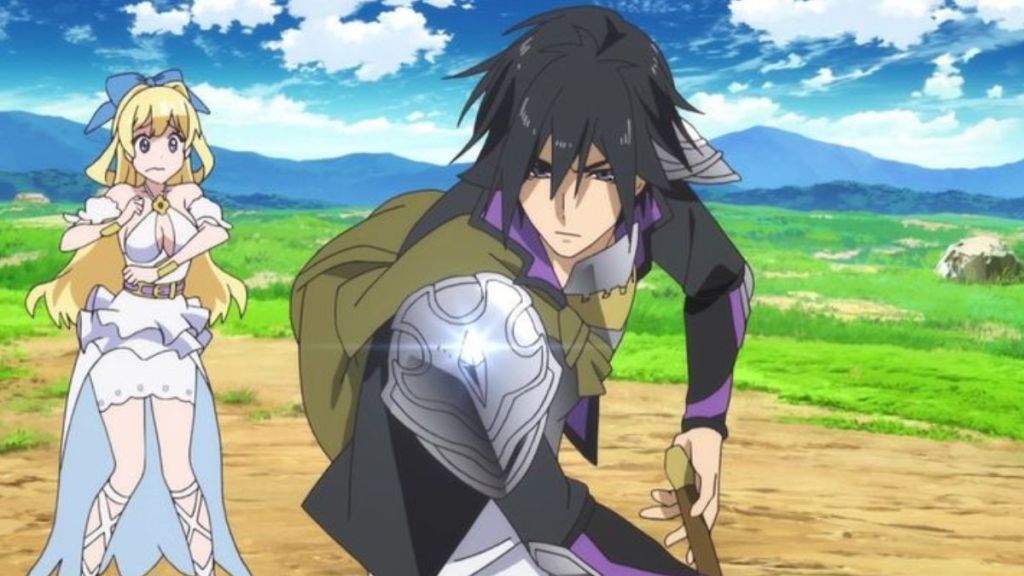
At first, the show feels like a parody of overpowered isekai heroes. The main character refuses to fight until he reaches a ridiculous level of preparation, and the goddess supporting him spends half the runtime screaming at his absurd paranoia. Then the tone changes. he caution isn’t cowardice; it’s trauma. The humor begins to sting when you realize what he’s really afraid of losing. The story that once mocked obsessive behavior becomes a reflection on regret and emotional scars that never heal.
4. Puella Magi Madoka Magica
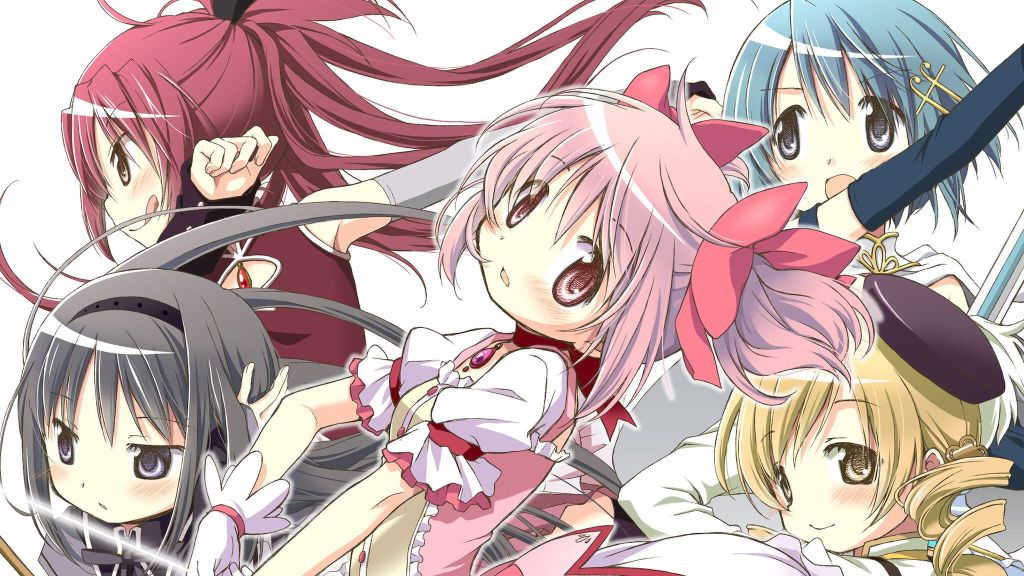
The candy-colored designs of Puella Magi Madoka Magica make it look innocent. Magical girls fight monsters and shine in transformation sequences. Once the story unfolds, the tone collapses into despair. Each wish carries a hidden cost, and every victory births new tragedy.
The series redefines the genre by exposing its emotional cruelty. Friendship and hope become tools of survival within a closed, merciless system. By the finale, the bright visuals turn into symbols of entropy and sacrifice. The emotional whiplash from cheerful to catastrophic gives the story its haunting power.
3. Re:Zero – Starting Life in Another World
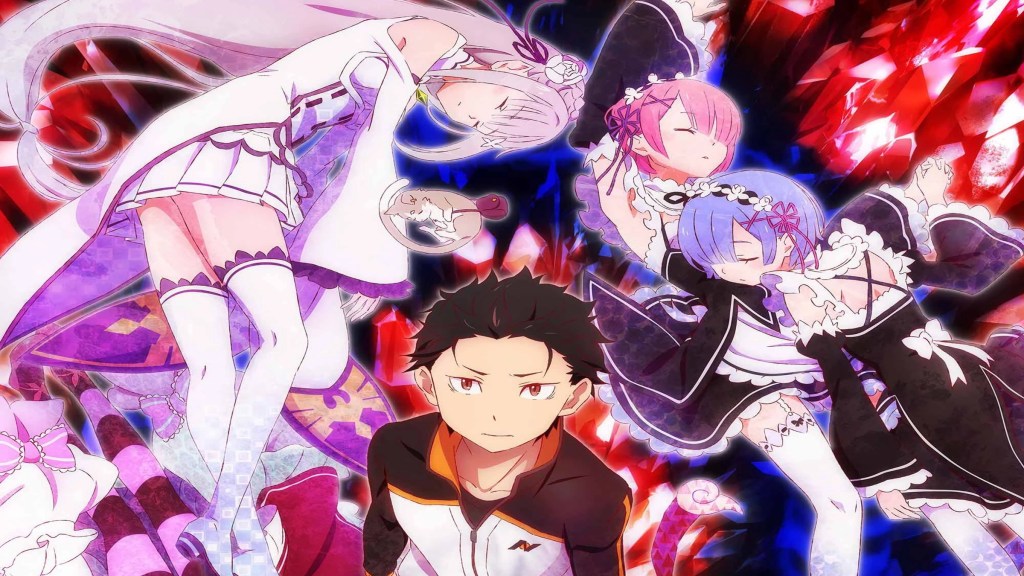
Re:Zero begins as a typical isekai fantasy. A young man finds himself in a new world and believes he will become a hero. It feels playful, even self-aware. Then the truth of his ability — resetting time after dying — turns every joke into fear.
Each death becomes a trauma he must relive alone. The repeated suffering transforms him from a delusional protagonist into a survivor wrestling with guilt, failure, and mortality. Comedy turns to psychological horror. The story refuses to glorify the fantasy escape it first promised.
2. Neon Genesis Evangelion
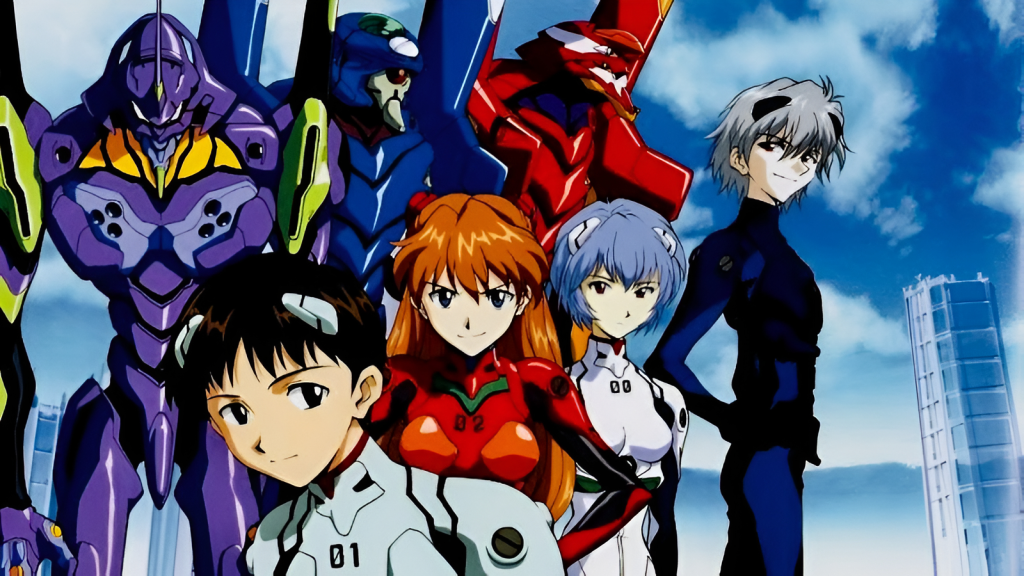
The mecha battles and teenage banter at the start feel standard for 1990s anime. The exaggerated characters and familiar tropes disguise a far deeper core. Slowly, every fight in Evangelion becomes a metaphor for isolation and identity.
By the final episodes, the story collapses inward. It questions why anyone suffers, why people seek validation, and what self even means. The bright robots and sci-fi setting dissolve into raw dialogue about human fragility. Watching it feels like therapy and breakdown at the same time.
1. FLCL (Fooly Cooly)
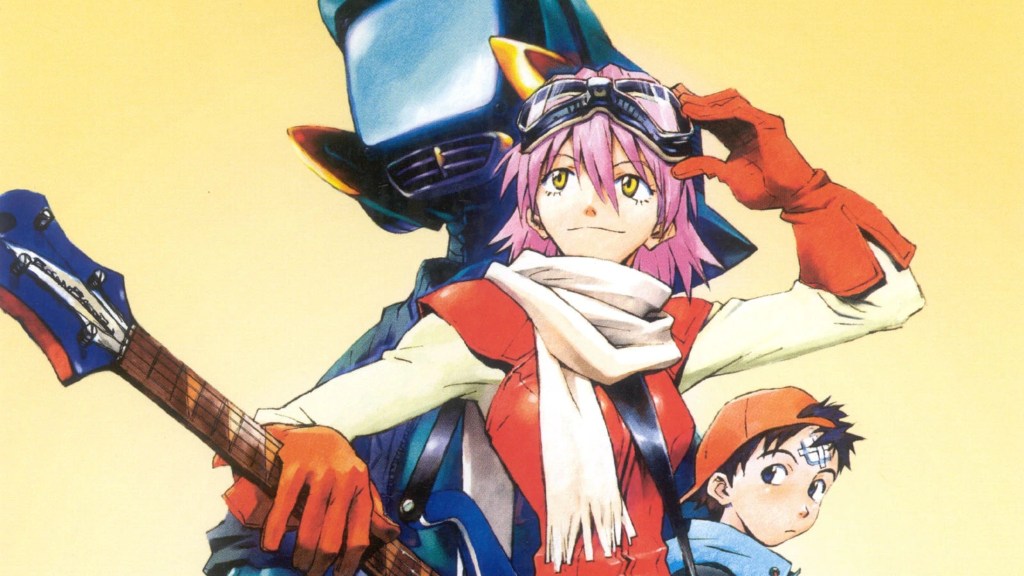
FLCL’s opening feels senseless. A boy gets hit by a scooter, grows a robot from his head, and meets an alien woman who hits him with a guitar. Every scene looks random, and every line feels improvised.
Gradually, the chaos begins to reflect childhood leaving itself behind. Each absurd image represents confusion, change, and loss. Growing up becomes both funny and painful, a process too strange to understand and too violent to avoid. By the end, the nonsense feels poetic, and the laughter feels like goodbye.
What do you think? Leave a comment below and join the conversation now in the ComicBook Forum!
Most Viewed
-

Image Courtesy of Crunchyroll -
Image Courtesy of TOHO -

Image courtesy of Marvel Studios -

Image Courtesy of Good Shepard Entertainment/Sony Interactive Entertainment