Anime has an unfortunate habit of birthing brilliant series only to let them wither away in total obscurity. These shows often have everything going for them but for one reason or another, they’re either abandoned mid-story or forgotten in favor of the next seasonal flavor. Sometimes it’s due to poor marketing or a studio biting off more than it can chew. Other times, it’s just that cruel, unspoken rule of anime: if it’s not selling figures, posters, or body pillows, it’s probably not sticking around.
Videos by ComicBook.com
What’s worse is that most of these shows barely get a chance to breathe. They drop twelve episodes, maybe thirteen if they’re feeling generous, and then vanish like they were never there. Fans are left clinging to the scraps, reading the manga, or praying for light novel translations that often don’t come. It’s a brutal cycle, and if you’ve been in the anime fandom long enough, you’ve probably had your heart broken by at least one series that deserved better.
10. Deadman Wonderland

Originally hailed as a unique mix of gore, mystery, and psychological tension, Deadman Wonderland had all the makings of a cult classic. The story follows Ganta Igarashi, a young boy wrongfully accused of slaughtering his classmates and sent to a sadistic, carnival-like prison where inmates fight for survival. Unfortunately, the show was abruptly cut short, ending after just 12 episodes with no resolution to its intricate plotlines.
The anime was poorly paced, condensing too much of the manga into its short runtime, leaving viewers confused and unsatisfied. Worse, its lack of popularity in Japan sealed its fate, as no second season was ever greenlit.
9. Gangsta
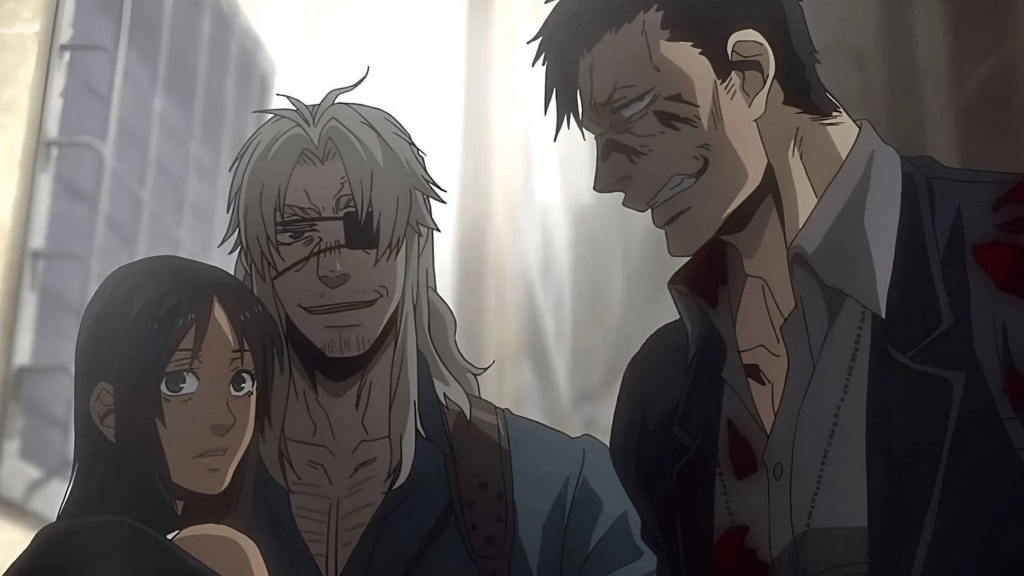
With its adult-oriented premise, Gangsta had the potential to be a groundbreaking addition to the seinen genre. Its story revolves around two “handymen,” Worick and Nicolas, navigating the morally ambiguous underbelly of their crime-ridden city.
The death knell for Gangsta was the bankruptcy of its animation studio, Manglobe, which left the series unfinished after just 12 episodes. The animation quality dipped significantly toward the end, and important plotlines from the manga were left hanging. What could’ve been a thought-provoking masterpiece instead became a frustrating, incomplete series that only hardcore fans remember. Despite its promising start, Gangsta fell victim to industry misfortune and remains a forgotten casualty of anime history.
8. The Promised Neverland (Season 2)
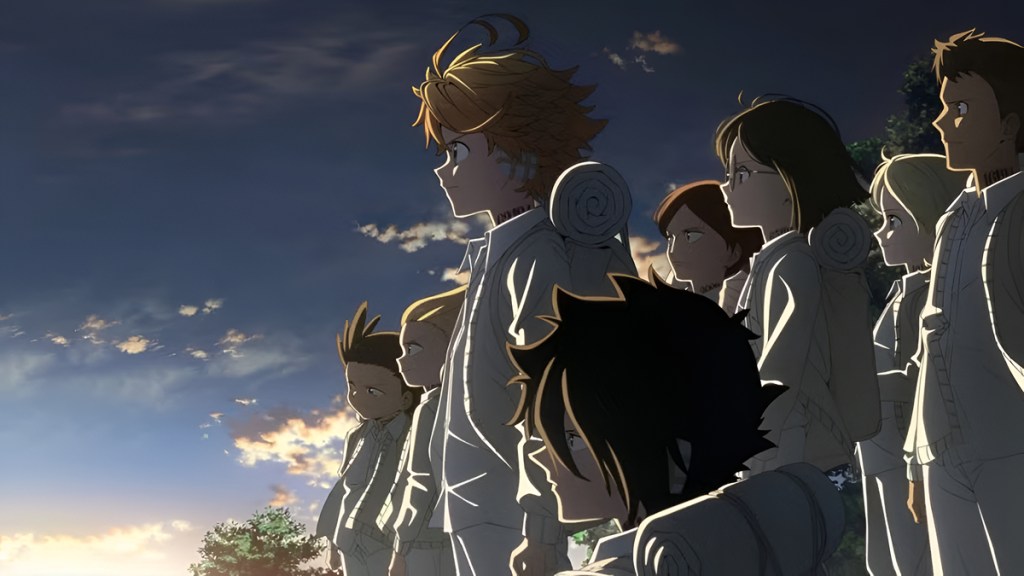
When The Promised Neverland debuted, it was widely celebrated as a modern masterpiece. Its first season delivered a tense, nail-biting escape thriller with impeccable pacing, clever twists, and a haunting atmosphere. However, what began as a shining example of anime excellence was completely derailed by its disastrous second season. Instead of adapting the manga faithfully, the anime skipped over massive chunks of the story, cramming entire arcs into rushed montages and cutting out beloved characters and essential plotlines.
Fans were outraged, and rightfully so — the second season felt like a betrayal of what made the series special. The decision to deviate from the source material rendered much of the emotional weight and intrigue meaningless.
7. No Game No Life

Bursting onto the scene with a bold color palette, and an intelligent sibling duo, No Game No Life quickly captured the hearts of anime fans. Sora and Shiro’s adventures in a world where everything is decided by games were a breath of fresh air, blending strategic wit with over-the-top humor and fan service. The anime’s first season was a major hit, and fans eagerly awaited more of the pair’s exploits in the magical realm of Disboard.
But the second season never came. Despite its immense popularity, No Game No Life seemed to vanish into thin air. While speculation about production issues and licensing conflicts has circulated, no official reason for the lack of continuation has been provided.
6. Highschool of the Dead
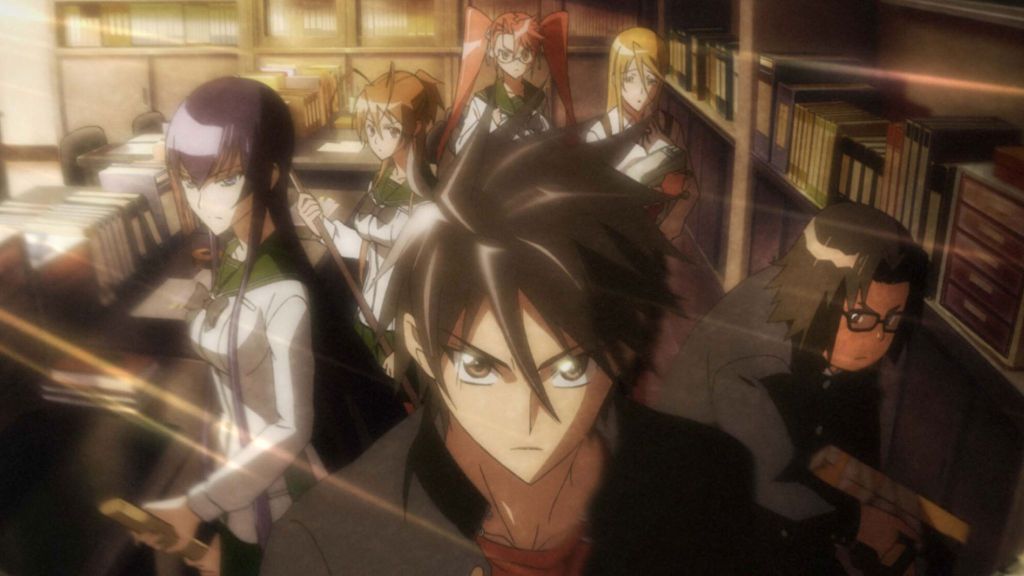
Few anime have embraced chaos and absurdity quite like Highschool of the Dead. A unique blend of over-the-top fan service and zombie apocalypse action, the series was unashamedly ridiculous, and that’s exactly what made it so much fun. Its fast-paced narrative and wild, physics-defying action scenes made it a cult hit among fans who enjoyed its campy charm. However, the anime only covered a small portion of the manga, and despite its popularity, it was never continued.
The real tragedy of Highschool of the Dead lies in the untimely death of its creator, Daisuke Satō. His passing left the manga unfinished, and with no source material to adapt, the anime was left in limbo.
5. Erased

Erased was a phenomenon when it aired, captivating audiences with its gripping mystery and emotional storytelling. Following Satoru, a man who travels back in time to prevent a series of murders, the anime balanced suspense and heartfelt moments beautifully. However, while the first half of the series was near-perfect, the second half faltered, rushing through key plot points and delivering an underwhelming conclusion that left many fans unsatisfied.
Once hailed as a modern classic, it was soon overshadowed by other mystery and thriller anime that handled their pacing and resolutions more effectively. While its premise and early episodes are still celebrated, Erased is now remembered more for its missed potential than its initial brilliance. It’s a prime example of an anime that burned bright but faded fast.
4. Akame ga Kill!
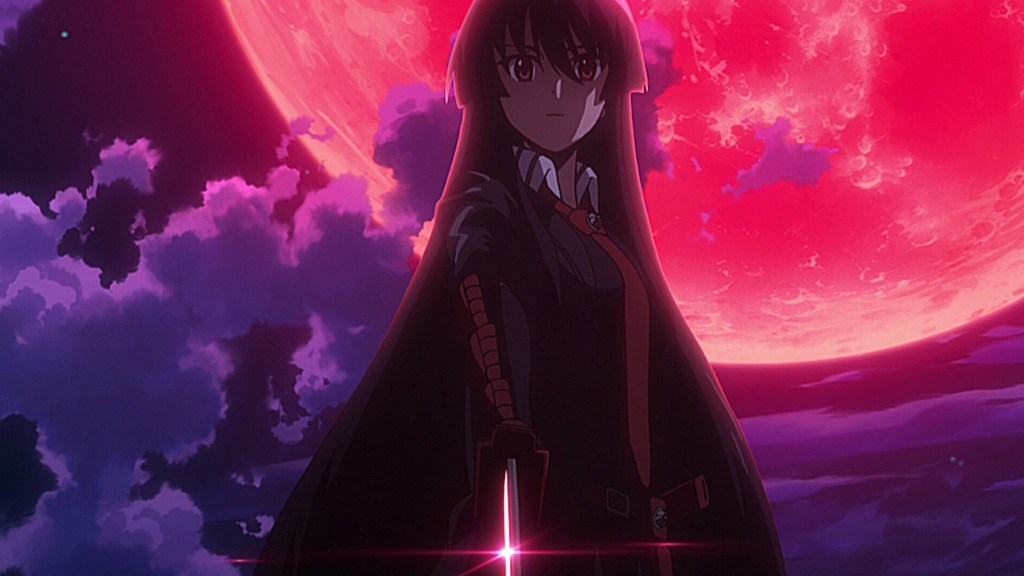
Akame ga Kill! was a bold, bloody anime that prided itself on shocking viewers with its unrelenting twists and character deaths. Its tale of rebellion against a corrupt empire had all the makings of a dark fantasy epic. However, the anime deviated from the manga midway through its run, crafting an original ending that left fans divided. While some appreciated the closure, others lamented the loss of the manga’s more nuanced storytelling and character arcs.
The anime’s hasty conclusion and mixed reception caused its popularity to wane rapidly after it ended. What could’ve been a defining title in the dark fantasy genre instead became a polarizing entry that few people revisit. While Akame ga Kill! earned a dedicated fanbase, its decision to diverge from the source material ultimately held it back from achieving true greatness.
3. Tokyo Ravens
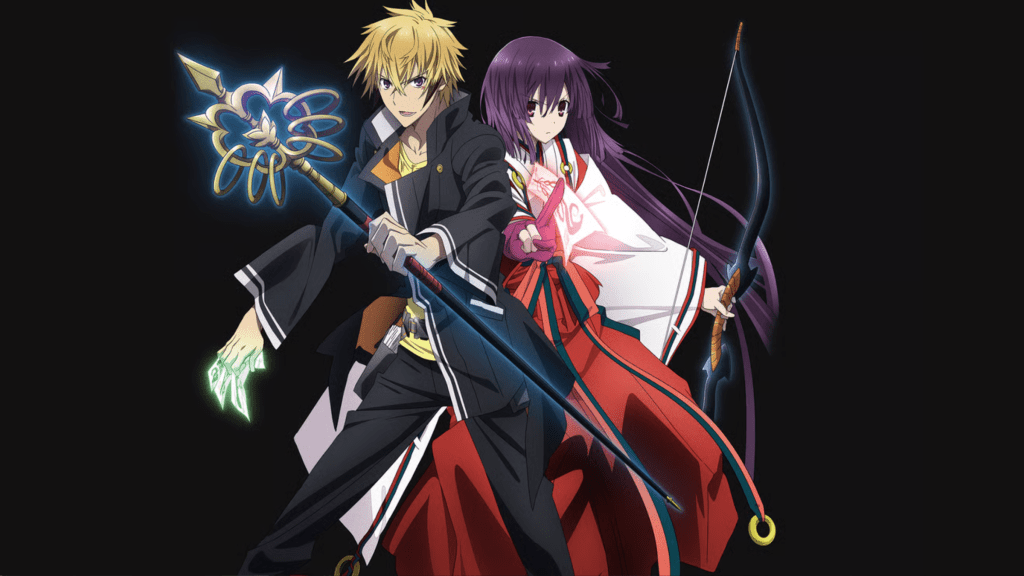
With its mix of magical battles, high school drama, and Japanese mythology, Tokyo Ravens had all the ingredients for a breakout hit. The anime followed Harutora, an ordinary boy drawn into the world of onmyoji (Japanese sorcerers) after a tragic event. The series balanced action and character development well, and its world-building was rich and intriguing. However, its abrupt ending left fans clamoring for more, as major plotlines were left unresolved and the story stopped just as it was gaining momentum.
The lack of a second season doomed Tokyo Ravens to obscurity. While the light novels continued the story, the anime never capitalized on its potential, fading into the background as newer, more complete fantasy series took the spotlight. It’s a shame, as Tokyo Ravens could’ve been a long-running hit if given the chance to fully explore its story.
2. Claymore
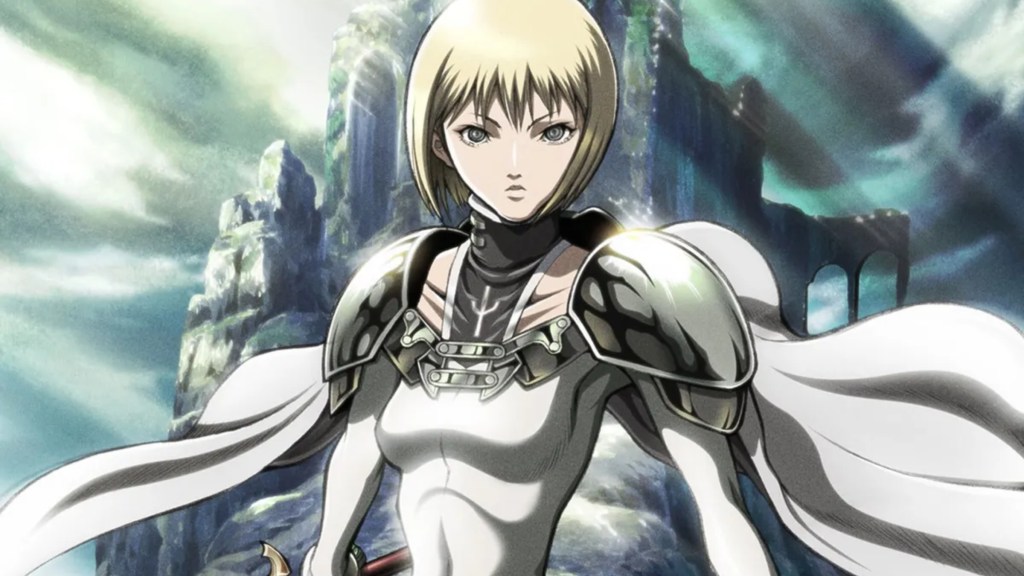
Back when dark fantasy anime were a rarity, Claymore offered a gritty, intense tale of revenge. Set in a world plagued by monstrous creatures called Yoma, the anime followed Clare, a warrior who hunts these beasts while grappling with her own humanity. Its bleak atmosphere, strong female protagonists, and brutal fight scenes made it a standout series. However, like many other entries on this list, Claymore diverged from its manga and ended prematurely, leaving fans with a rushed, unsatisfying conclusion.
Despite its initial popularity, Claymore faded from the public consciousness as more polished fantasy anime like Attack on Titan and Demon Slayer took center stage.
1. Re:Creators
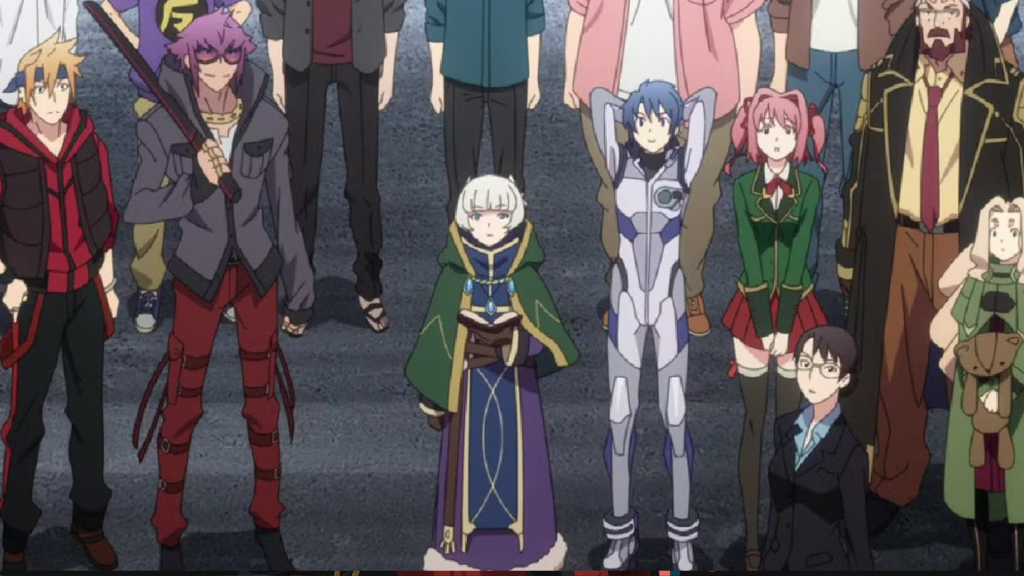
Re:Creators was an ambitious meta-anime that brought fictional characters into the real world, challenging their creators while exploring themes of storytelling, morality, and creativity. Its unique premise and philosophical undertones promised something truly groundbreaking, and early episodes delivered on that potential. However, as the series progressed, it became bogged down by excessive exposition, uneven pacing, and a lack of emotional payoff.
The anime’s failure to maintain its momentum led to a sharp decline in popularity. Despite its originality, Re:Creators struggled to resonate with audiences, and its flaws overshadowed its strengths. By the time it ended, it had already been largely forgotten, buried under the weight of its own lofty ambitions.
What do you think? Leave a comment below and join the conversation now in the ComicBook Forum!
Most Viewed
-
Image courtesy of Marvel Studios -
Image Courtesy of Netflix -

Image courtesy of Square Enix -
Image Courtesy of Marvel Comics