Villains in anime often occupy a fascinating gray area that transcends the simplistic labels of “good” and “evil.” While some villains are undeniably malicious, seeking destruction for the sake of chaos or personal gain, others are deeply complex characters with motivations that are grounded in pain or disillusionment. Their methods may be extreme, but their intentions often come from a place of wanting to fix a broken world or protect those they care about.
Videos by ComicBook.com
However, this does not mean every villain’s actions are excusable. Some anime villains are clearly in the wrong, blinded by power, ego, or revenge, and their ideologies often crumble under scrutiny. But even then, their motivations often stem from a place of human vulnerability. Villains who are driven by logic, pain, or a warped sense of justice remind us that the line between hero and villain is often far thinner than we’d like to admit.
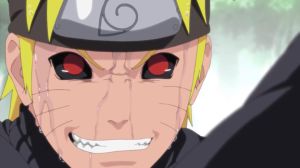
5. Stain (My Hero Academia)
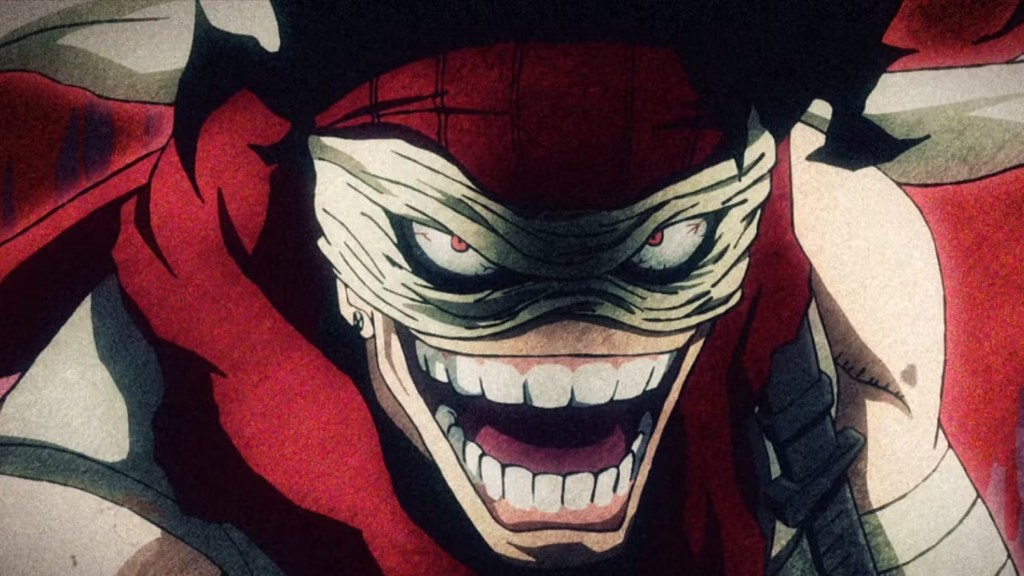
Stain, also known as the Hero Killer, is one of the most thought-provoking antagonists in My Hero Academia. His ideology, while extreme and tainted by his violent methods, is rooted in a valid critique of the hero society. Stain despises the modern hero system, accusing it of being corrupted by greed and vanity. He believes that many heroes have lost sight of what it truly means to be a hero. His disdain for “fake heroes” resonates with many viewers, as we see glimpses of his philosophy in the actions of certain pro heroes who are more focused on fame and fortune than actual heroism. While his methods are undeniably brutal, Stain shines a spotlight on the flaws within the hero structure, forcing both the characters and audience to reflect on what defines true heroism.
4. Madara Uchiha (Naruto)
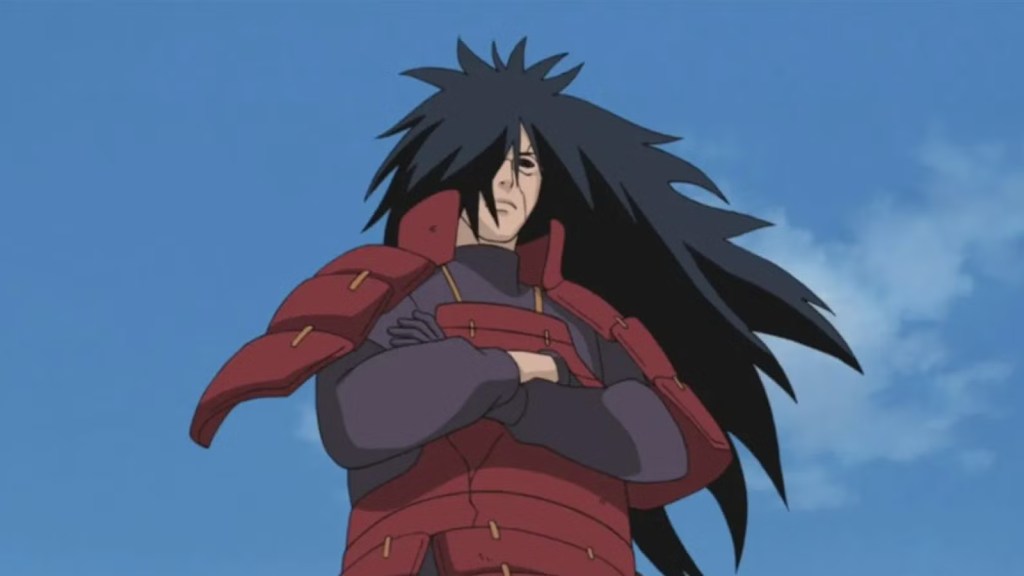
Madara Uchiha’s vision for the world in Naruto is deeply rooted in his trauma and disillusionment with humanity. He witnessed endless cycles of war, betrayal, and suffering, all of which shaped his belief that humanity is incapable of achieving true peace on its own. His solution? The Infinite Tsukuyomi — a genjutsu that would trap everyone in a dream-like state where they could live out their ideal lives in complete peace. While his plan is undeniably tyrannical and robs people of their free will, it’s hard to deny the appeal of a world without pain, hatred, or conflict. For Madara, this was the only way to break the cycle of hatred that had plagued humanity for generations.
3. Lelouch vi Britannia (Code Geass)

Lelouch is a rare case of a protagonist who is also an antagonist, depending on whose perspective you adopt. As Zero, the masked revolutionary, he wages war against the oppressive Britannian Empire, which has subjugated countless nations, including his own homeland of Japan. Lelouch’s methods are ruthless, often involving manipulation, lies, and sacrificing innocent lives to achieve his goals. However, his ultimate aim — to create a world where his sister, Nunnally, and others can live in peace — is noble. Lelouch understands that systemic oppression cannot be dismantled without bloodshed, and he takes on the role of a villain to unite the world against a common enemy: himself. Lelouch exposes the hypocrisy of the existing power structures and forces the world to confront its flaws. Though his methods are controversial, his vision for a peaceful and just world is one that resonates deeply, making him one of the most complex and justified villains in anime.
2. Meruem (Hunter x Hunter)

Meruem, the Chimera Ant King, is one of the most nuanced villains in Hunter x Hunter. Initially introduced as a ruthless and arrogant predator, Meruem views humans as little more than inferior creatures to be consumed or dominated. However, his interactions with Komugi, a blind girl who excels at the game of Gungi, gradually transform him. Through Komugi, Meruem begins to understand concepts like love, empathy, and the value of life. His evolution from a cold, calculating tyrant to a reflective and compassionate being is one of the most profound character arcs in anime. By the end, Meruem questions his own existence and whether he has the right to rule over others, ultimately choosing to spend his final moments with Komugi rather than pursuing conquest.
1. Nagato (Naruto)

Pain, or Nagato, is arguably the most justified villain in the Naruto series. His philosophy is shaped by the unimaginable suffering he endured as a child in the war-torn Land of Rain. Witnessing the senseless violence and death caused by the shinobi world’s endless conflicts, Pain develops a brutal yet deeply rational belief: the only way to achieve peace is through shared suffering. By inflicting massive pain on others, he hopes to force humanity to understand the true cost of war and prevent future conflicts. His infamous line, “Feel pain. Contemplate pain. Accept pain. Those who do not know pain can never know true peace,” encapsulates his ideology — one that is rooted in bitter experience and a genuine desire to end the cycle of hatred.
Pain’s assault on Konoha is devastating, but it serves as a wake-up call for both Naruto and the audience. His confrontation with Naruto is one of the most powerful moments in the series, as it forces Naruto to grapple with the complexity of peace and justice.
What do you think? Leave a comment below and join the conversation now in the ComicBook Forum!
Most Viewed
-

Courtesy of Sony Pictures Animation / McDonald's -

Image Courtesy of TMS Entertainment -

Courtesy of TOHO Animation