Not everyone is a manga fan, and that’s completely fair. For many outsiders, manga can feel intimidating, oversaturated, and stylistically alien. The art style alone, with its exaggerated expressions and ornate paneling, can be jarring to those raised on Western comics or minimalist visual storytelling. Yet, here’s the thing: manga is not a monolith. Beyond the stadium-sized fandoms and the neon shōnen sagas lies a wealth of stories crafted with literary depth and emotional clarity.
Videos by ComicBook.com
There are series that reject cliché entirely. Good manga isn’t about being “Japanese” or “otaku”; it’s simply good storytelling delivered in a visual language that happens to be manga. The trick for outsiders isn’t to force themselves into fandom, but to find those few rare works that transcend the frame — stories so imaginative that the medium itself disappears, and only the experience remains.

7. Attack on Titan

Few series have redefined modern manga like Attack on Titan. Hajime Isayama crafts a grim, unpredictable world that challenges readers to consider who the real enemy is — and whether peace is ever attainable without sacrifice. Beyond its visceral thrills, Attack on Titan stands out for how it mirrors real-world anxieties — nationalism, propaganda, and the cyclical nature of revenge. Even those skeptical of “anime tropes” will find a dense, politically charged narrative that rewards critical thinking. It’s dark and occasionally exhausting, but few manga are as thought-provoking on a global scale.
6. One Punch Man
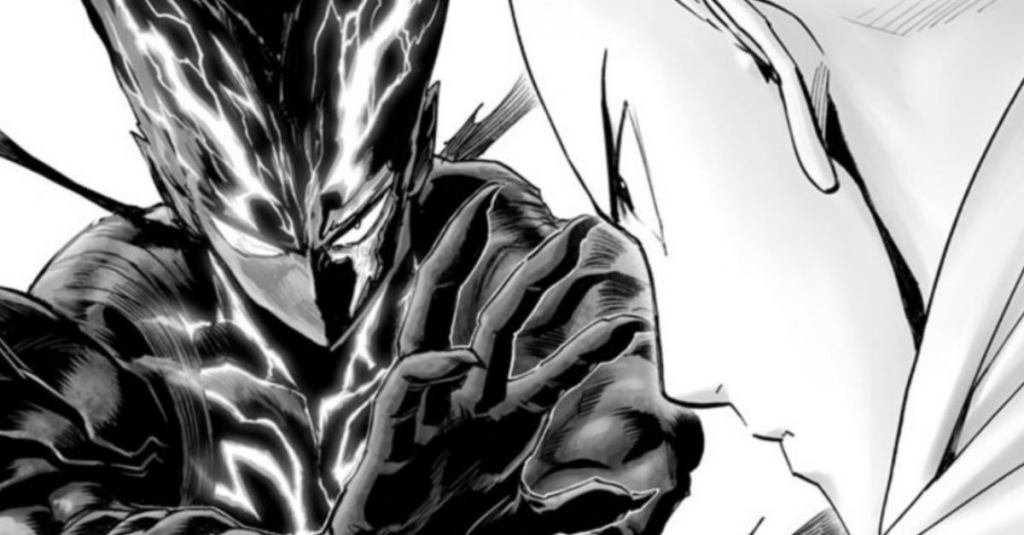
One Punch Man is the perfect gateway for outsiders — a razor-sharp parody of superhero fiction that’s also a genuinely great action series. Created by the artist ONE and illustrated by Yusuke Murata, it follows Saitama, a man who can defeat any opponent with a single punch — and is bored out of his mind because of it. What sounds like a simple gag turns into an exploration of purpose, ambition, and existential burnout.
What makes One Punch Man special is its absurd balance of humor and jaw-dropping artwork. Murata’s ultra-detailed panels rival big-budget Hollywood fight scenes, while the story smartly mocks genre clichés without disrespecting them. It’s rare to find something this fun and smart at the same time — a perfect crossover for anyone tired of formulaic superhero stories.
5. Tokyo Ghoul

Tokyo Ghoul is a tragedy wrapped in horror. Sui Ishida’s story of Kaneki — a college student turned half-ghoul after an accident — examines identity, alienation, and the cruelty of human society. It’s gothic, disturbing, yet emotionally raw. Ishida’s art style mirrors Kaneki’s mental disintegration, with chaotic paneling and unnerving symmetry that pull readers into his psychological descent.
But beneath the blood and violence is a deeply human story. Tokyo Ghoul asks what it means to belong when you’re permanently caught between two worlds. It’s a heavy, symbolic piece of storytelling that speaks to anyone who’s ever felt like an outsider. While not an easy entry, it’s one that lingers — hauntingly relevant long after you’ve turned the last page.
4. Monster

Naoki Urasawa’s Monster is manga at its most cerebral — a slow-burn psychological thriller with no flashy battles or supernatural twists. When Dr. Tenma saves a young boy’s life over a wealthy politician’s, that decision triggers a chain of murders years later, forcing him to confront the moral consequences of his own compassion. Think Crime and Punishment meets Hitchcock.
Urasawa’s mastery lies in his pacing and realism. Every character feels morally complex, every twist earned. It’s a series that keeps even the most manga-averse readers on edge because it reads more like a literary crime novel than a “comic.”
3. Berserk
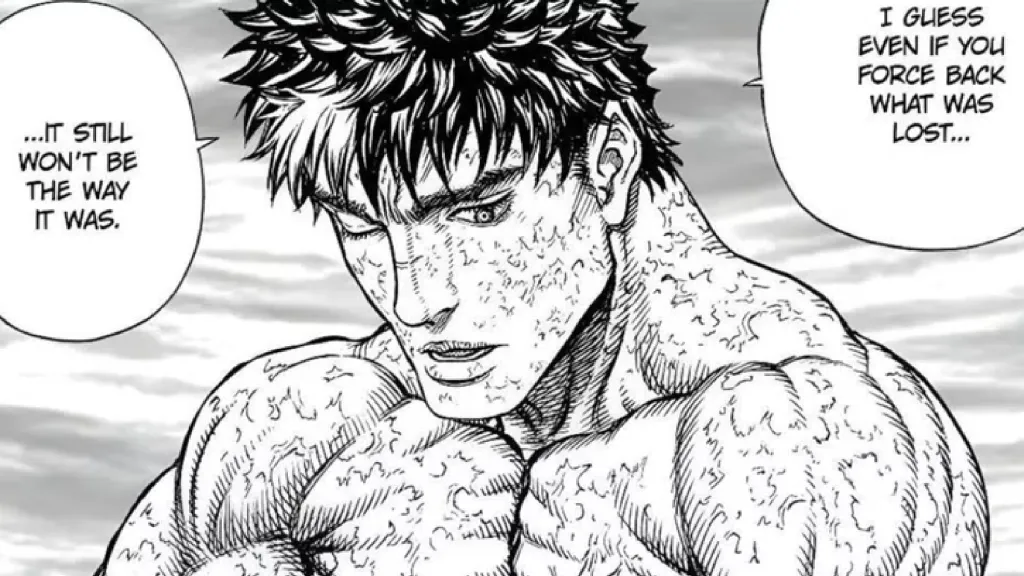
Kentaro Miura’s Berserk is often described as a dark fantasy, but that undersells it. It’s an artistic and emotional titan. The artwork, hand-drawn with painful precision, remains unmatched even decades later.
Despite its violence and heaviness, Berserk rewards readers with catharsis. Beneath the bloodstained battlefields lies an unshakeable message: persistence in the face of an uncaring world. For those who think manga is purely escapist, Berserk challenges that notion with devastating elegance. Miura’s passing in 2021 only amplified its legacy — an unfinished masterpiece that still feels complete.
2. Death Note
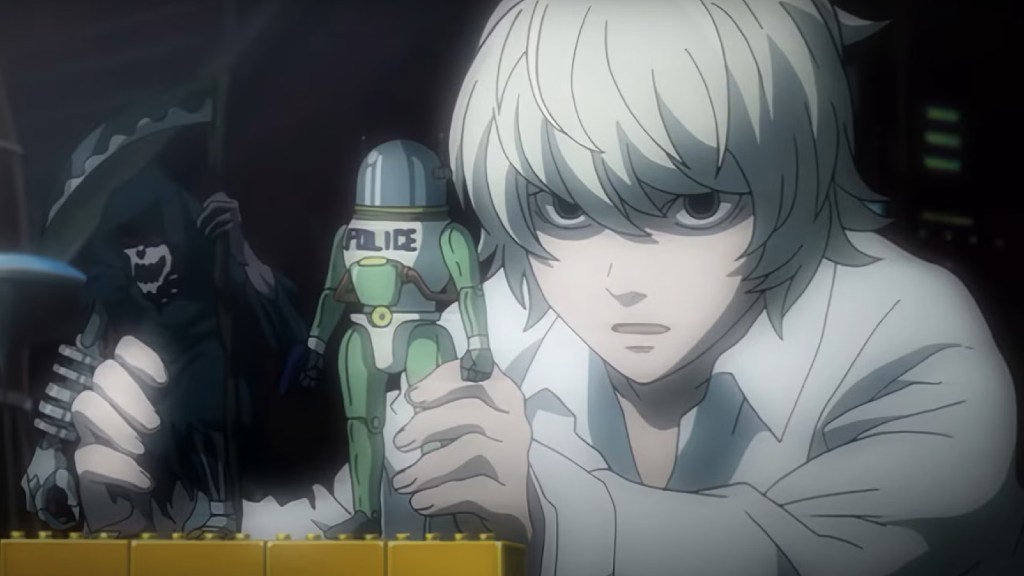
If there’s one manga that consistently hooks non-fans, it’s Death Note. The premise — a high school genius gains the power to kill anyone by writing their name in a notebook — is deceptively simple but executed with chess-like precision. Tsugumi Ohba and Takeshi Obata craft psychological warfare sharper than any crime drama on TV. Light Yagami and L’s intellectual duel is as gripping as any classic thriller. There’s no clear hero or villain, just two minds clashing over what justice truly means.
1. My Hero Academia
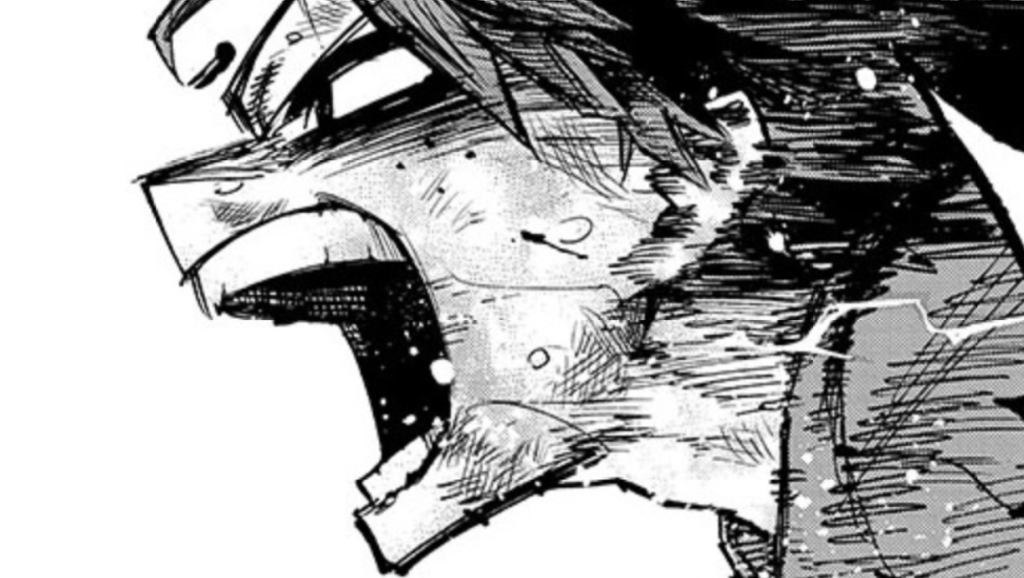
If you’re a fan of superhero stories like Marvel or DC, then My Hero Academia is the perfect manga to dive into. Set in a world where nearly everyone has superpowers (called Quirks), it follows Izuku Midoriya, a powerless boy who dreams of becoming a hero. When he inherits the abilities of the greatest hero, All Might, he begins his journey to prove himself and protect the world. The series combines the excitement of superhero battles with heartfelt character development. What makes My Hero Academia accessible to newcomers is its universal themes of perseverance, self-discovery, and heroism.
What do you think? Leave a comment below and join the conversation now in the ComicBook Forum!
Most Viewed
-

Image Courtesy of Netflix -

Image Courtesy of Prime Video