The 1980s was a transformative era for sci-fi anime, marking a period where the genre truly found its voice and audience. This was the decade when anime began to embrace the limitless possibilities of speculative fiction, crafting stories that explored the relationship between humanity and technology, the consequences of war, and the fragility of ecosystems.
Videos by ComicBook.com
Inspired by the global rise of cyberpunk literature (Neuromancer was released in 1984) and blockbuster sci-fi films like Blade Runner and Star Wars, Japanese creators took these influences and infused them with their unique cultural perspective. For many fans, the sci-fi anime of the ’80s was an invitation to imagine the future, question the present, and dream of what could be.

7. Space Adventure Cobra (1982)
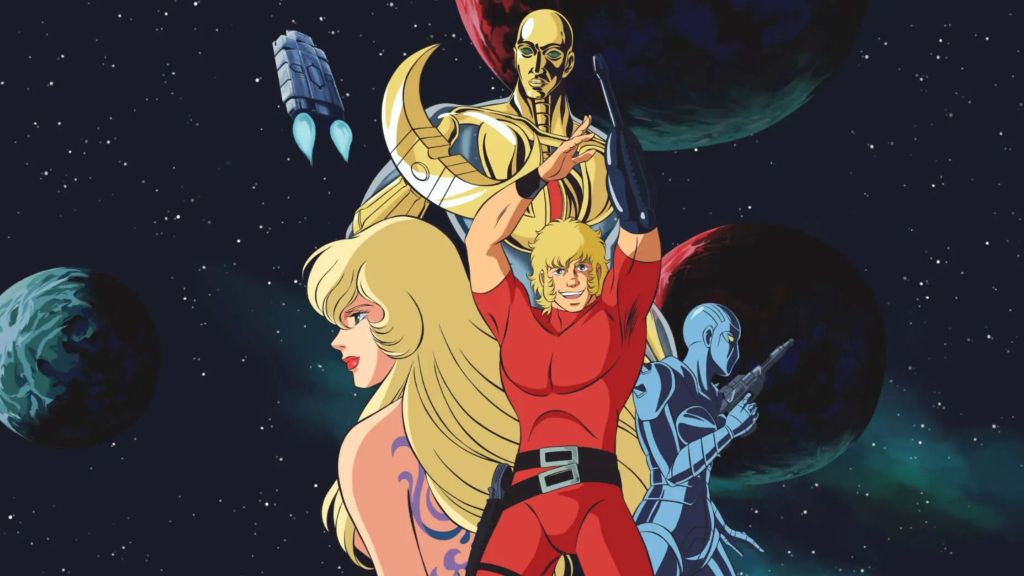
A swashbuckling blend of sci-fi and pulp action, Space Adventure Cobra follows the titular rogue, Cobra, as he journeys across the galaxy with his trusty cybernetic arm. The anime stands out for its vibrant, psychedelic visuals and campy charm, perfectly capturing the adventurous spirit of the 1980s. Cobra himself is a charismatic anti-hero, reminiscent of Han Solo, and his escapades are filled with femme fatales, shady villains, and high-stakes drama.
While it may lack the philosophical depth of other sci-fi anime on this list, Space Adventure Cobra is pure fun. Its flashy aesthetic and episodic storytelling make it a great entry point for fans of classic space opera. The series also influenced later space-faring anime like Cowboy Bebop, cementing its place as a cult classic.
6. Patlabor: The Movie (1989)
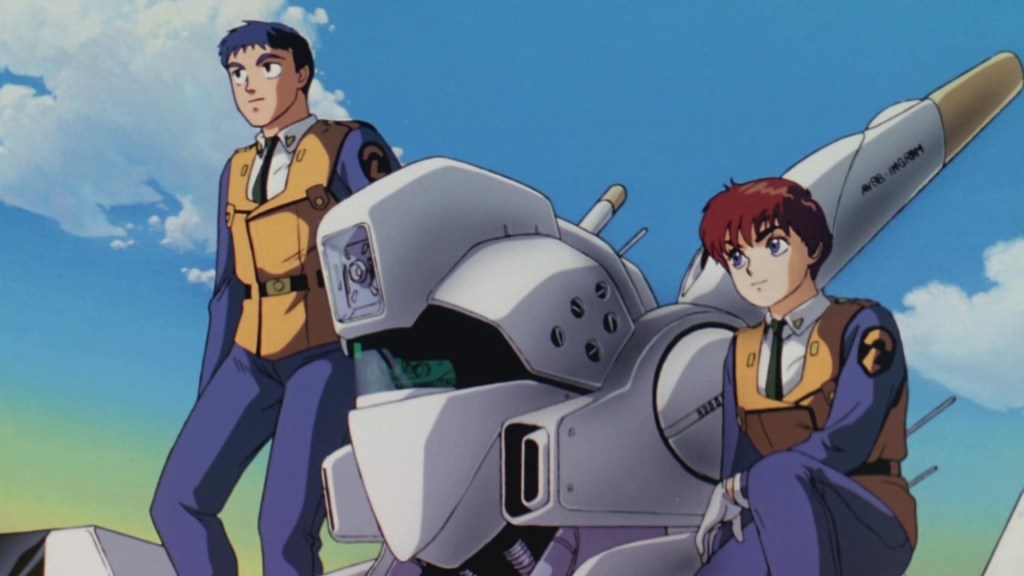
A unique blend of sci-fi, police drama, and mecha, Patlabor: The Movie takes a grounded approach to futuristic technology. Set in a near future where giant robots, or “Labors,” are used for industrial and law enforcement purposes, the movie follows the Tokyo Metropolitan Police Special Vehicle Section 2 as they investigate a potentially catastrophic software glitch. Directed by Mamoru Oshii, the film balances gripping mystery with commentary on humanity’s over-reliance on technology.
What sets Patlabor apart is its realism. Rather than glorifying robots, it explores their societal implications and how they intersect with human flaws. The film’s deliberate pacing and atmospheric tension showcase Oshii’s signature style, making this a must-watch for fans of cerebral sci-fi.
5. Bubblegum Crisis (1987-1991)

A cyberpunk masterpiece, Bubblegum Crisis is a stylish and action-packed OVA series set in a dystopian future where rogue robots, or “Boomers,” wreak havoc. The story follows the Knight Sabers, an all-female vigilante group clad in high-tech powered suits, as they battle against the corrupt Genom Corporation. With its neon-soaked visuals, rock-driven soundtrack, and gritty tone, this anime became a defining work of the cyberpunk genre.
What makes Bubblegum Crisis so compelling is its rebellious energy. The Knight Sabers represent a fight against oppressive systems and unchecked corporate power. While its episodic nature occasionally limits character development, the series’ influence on later cyberpunk works like Ghost in the Shell and Cyberpunk: Edgerunners is undeniable.
4. Macross: Do You Remember Love? (1984)
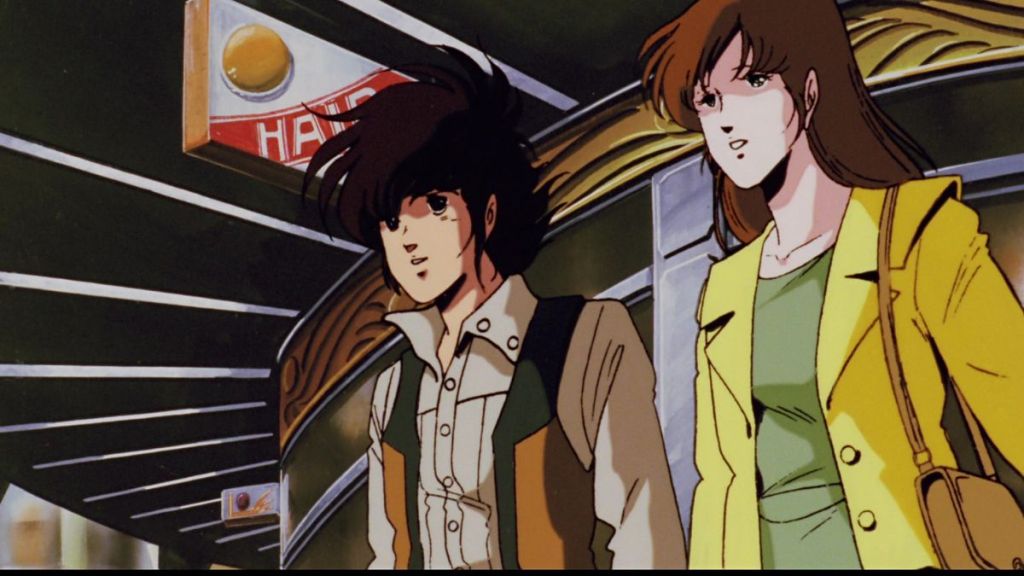
A reimagining of the original Macross TV series, Do You Remember Love? is not just a sci-fi epic but also a love story that explores the power of music in uniting warring civilizations. The film follows the crew of the SDF-1 Macross as they battle the alien Zentradi while grappling with their own interpersonal conflicts. It features breathtaking animation, particularly in its space battles, and an unforgettable soundtrack, including the iconic song “Do You Remember Love?” For fans of space operas with heart, this is an essential watch.
3. Akira (1988)
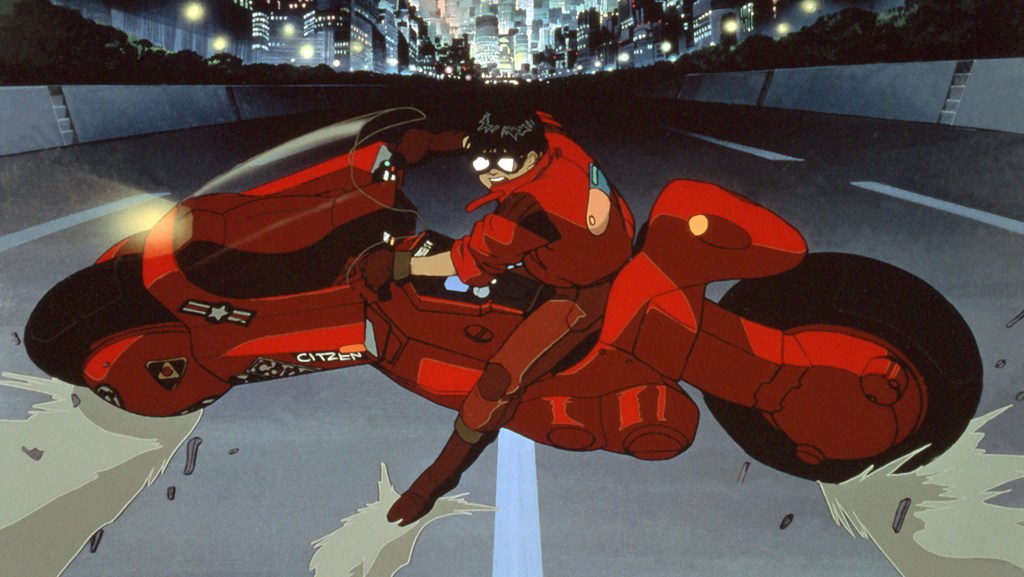
Few anime have had the cultural impact of Akira. Directed by Katsuhiro Otomo, this cyberpunk classic takes place in a dystopian Neo-Tokyo plagued by corruption, biker gangs, and government experiments gone awry. The story follows Kaneda and Tetsuo, two childhood friends whose lives spiral into chaos when Tetsuo gains terrifying psychic abilities. With its groundbreaking animation, haunting score, and provocative themes, Akira redefined what anime could achieve on both a technical and narrative level.
More than just a visual masterpiece, Akira is a deeply unsettling exploration of power, identity, and societal collapse. It’s no exaggeration to say that this film brought anime to the global stage, influencing countless creators in both animation and live-action cinema. Almost four decades later, it remains a towering achievement in the sci-fi genre.
2. Nausicaä of the Valley of the Wind (1984)
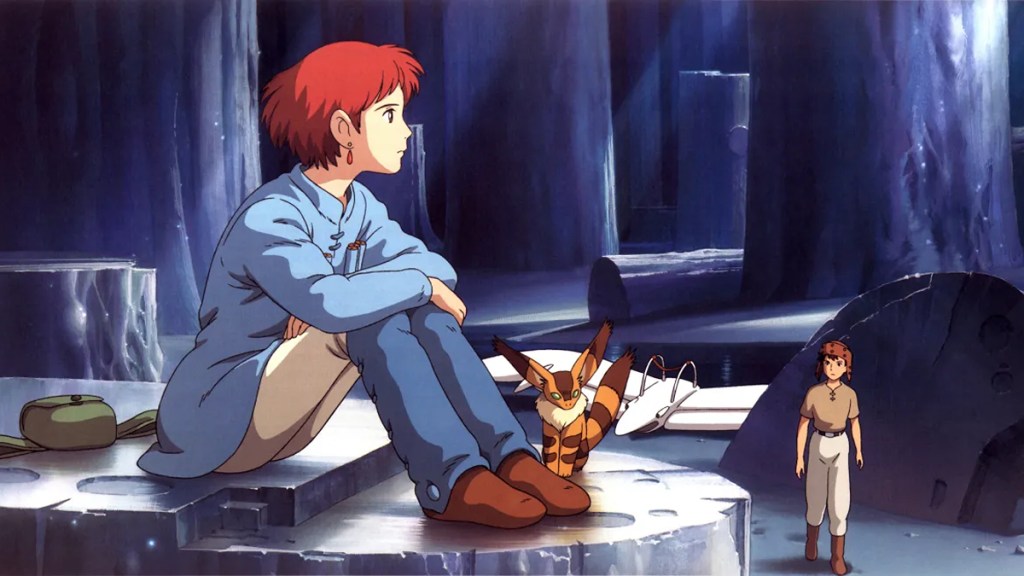
Although technically released before Studio Ghibli was officially founded, Nausicaä of the Valley of the Wind is often considered the studio’s spiritual beginning. Directed by Hayao Miyazaki, this post-apocalyptic tale follows Nausicaä, a compassionate princess who seeks to heal a toxic world ravaged by war and ecological collapse. The film’s lush visuals and environmental themes are as relevant today as they were in the 1980s.
What makes Nausicaä so exceptional is its protagonist. Unlike many sci-fi heroes, Nausicaä relies on empathy and diplomacy rather than violence, making her a rare and inspiring figure in the genre. Combined with its sweeping world-building and timeless message, this film is one of anime’s greatest achievements.
1. Legend of the Galactic Heroes (1988-1997)
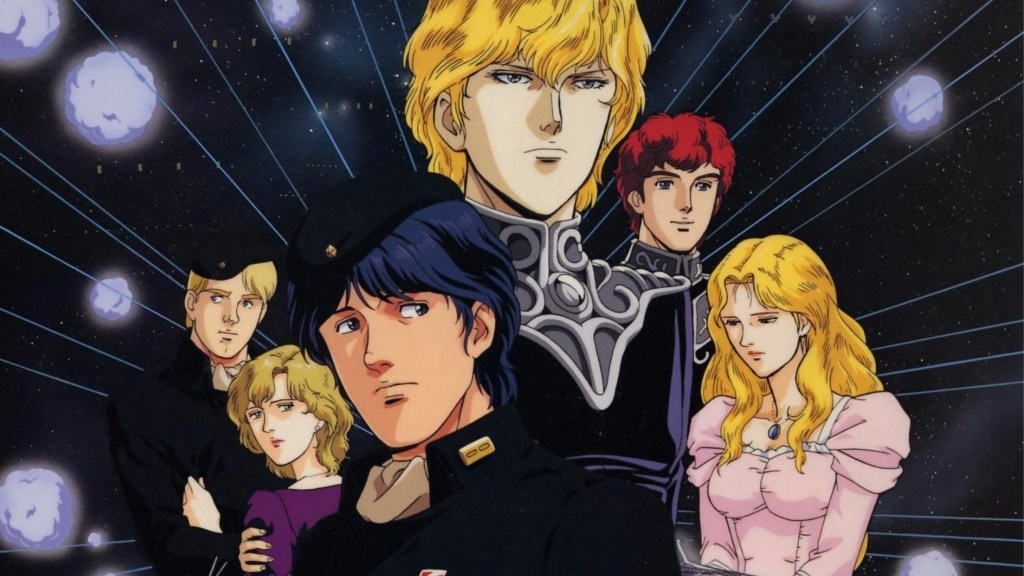
Clocking in at the top spot is the epic Legend of the Galactic Heroes, a sprawling space opera that explores the political and philosophical implications of war. Set in a distant future where two galactic superpowers clash, the series follows the lives of two brilliant strategists: Yang Wen-li and Reinhard von Lohengramm. With its massive cast, intricate plotting, and thought-provoking themes, this anime is nothing short of a masterpiece.
Unlike most sci-fi anime, Legend of the Galactic Heroes avoids bombastic action in favor of methodical storytelling and moral ambiguity. It examines the costs of ambition, the flaws of democracy, and the nature of leadership. While its slow pace may not appeal to everyone, those who stick with it will find one of the most intellectually rewarding anime experiences of all time.
What do you think? Leave a comment below and join the conversation now in the ComicBook Forum!
Most Viewed
-

Image Courtesy of Crunchyroll -

Image Courtesy of TOHO -

Image courtesy of Marvel Studios -

Image Courtesy of Good Shepard Entertainment/Sony Interactive Entertainment