Light novels have been one of the most productive “idea pipelines” into hit anime for the past couple of decades, largely because they are built for rapid iteration and audience feedback. In Japan, many popular titles start life through web fiction platforms and then get picked up by publishers who polish them into print light novels with dedicated illustrators, cleaner structure, and tighter branding. That path matters for anime because it creates a built in audience long before a studio ever commits to a season. Production committees like that.
Videos by ComicBook.com
It also explains why anime based on light novels often feel “season shaped.” The early arcs tend to be written in compact chunks that map well to cour pacing, with frequent cliffhangers and set piece moments that translate cleanly to episodic television. When it works, it is because the adaptation captures the voice and pacing that made the books addictive while using animation to deliver what prose only implied. When it does not, it is usually because the anime treats the source like a checklist of events instead of translating the experience of reading it.
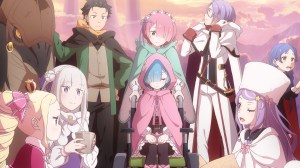
7. Re:Zero − Starting Life in Another World
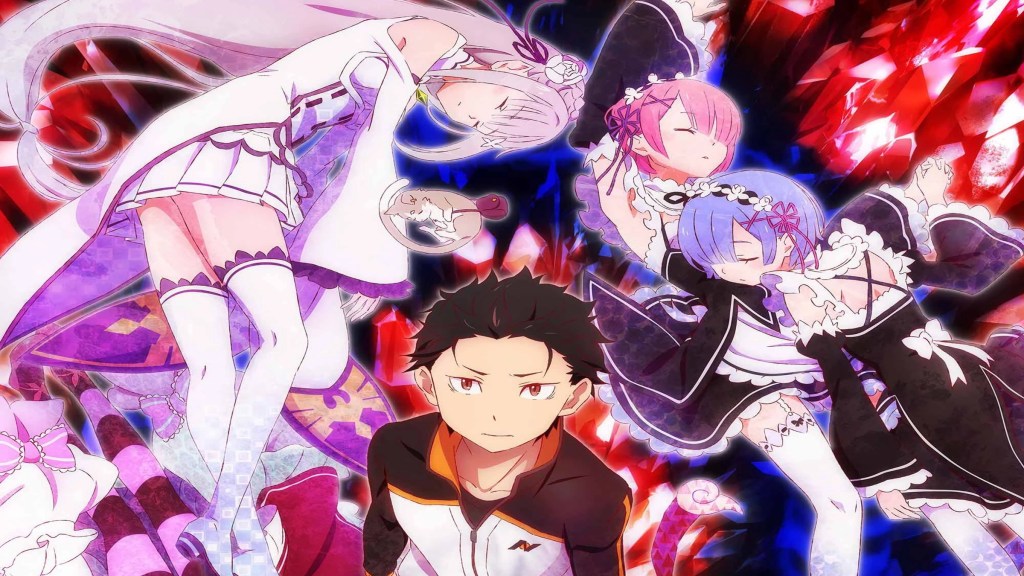
Tappei Nagatsuki’s Re:Zero redefined the isekai genre by fusing time loops with psychological despair. Subaru Natsuki’s repeated deaths and resurrections expand the series’ emotional weight far beyond typical fantasy tropes. The light novel’s structure, alternating between moments of hope and sheer terror, creates a slow-burn narrative that rewards patient readers with fascinating world-building and deeply flawed but relatable characters.
The anime adaptation by White Fox magnified this tension with stunning direction and powerful performances. Episodes like “Return by Death” hit harder because of the groundwork laid in the source material. Rather than relying solely on spectacle, Re:Zero thrives on its intricate cause-and-effect storytelling, forcing audiences to confront the mental toll of endless repetition and loss.
6. KonoSuba: God’s Blessing on This Wonderful World!
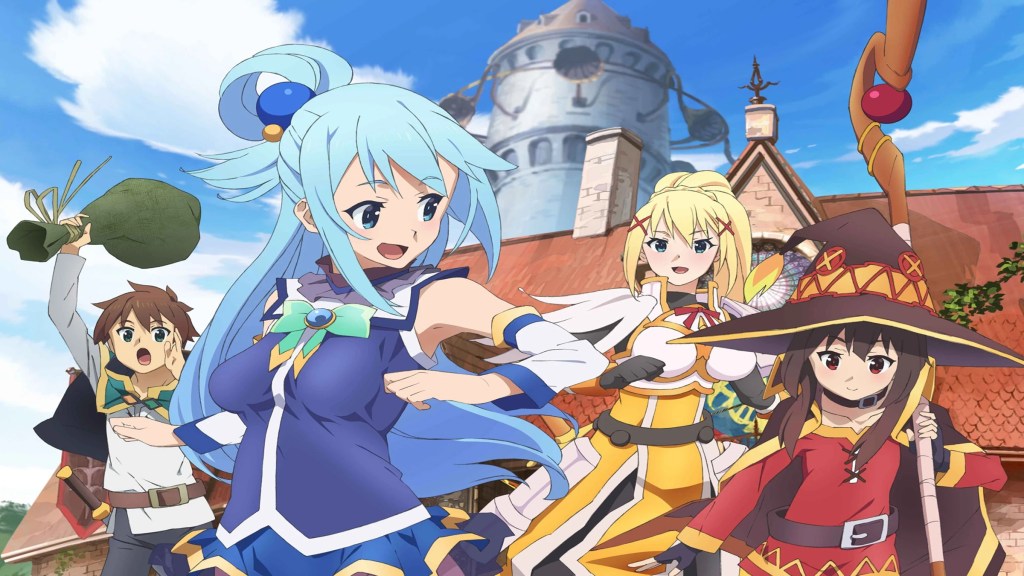
Natsume Akatsuki’s KonoSuba turned the overused isekai premise into an outrageous parody. The light novels strike a perfect balance between absurd comedy and adventure, with Kazuma’s cynical pragmatism contrasting hilariously against his incompetent party members. The humor lands because it’s rooted in character flaws, turning every quest into a dysfunctional disaster.
Studio Deen’s adaptation amplified the chaos with deliberately awkward animation and spot-on timing. The anime works because it embraces imperfection—both in visuals and behavior. Still, the novels deserve credit for crafting a chaotic fantasy that feels grounded by authentic comedic rhythm and sharp self-awareness.
5. No Game No Life
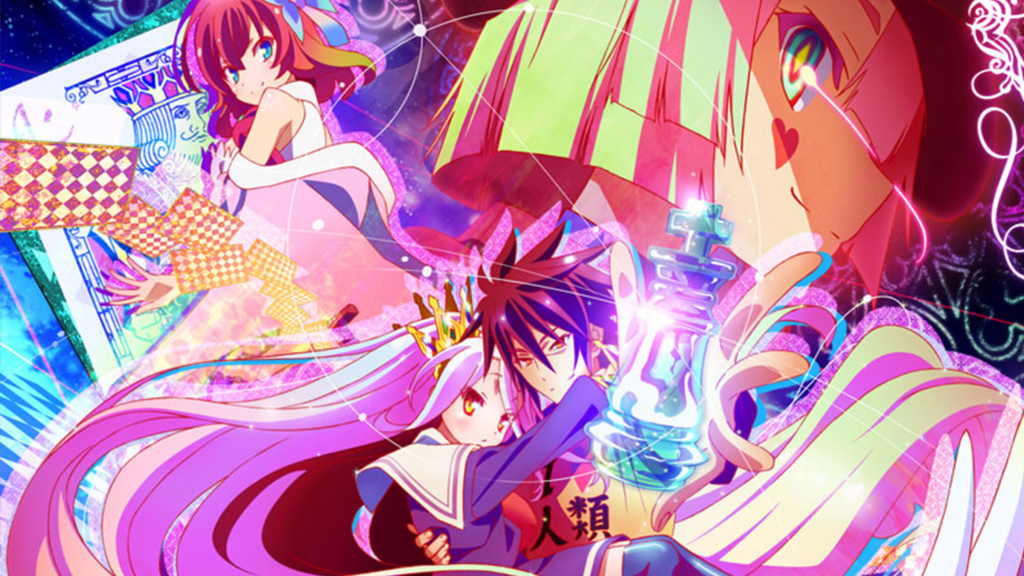
Yuu Kamiya’s No Game No Life stands out for its dazzling intellect and impossible games. The sibling duo Sora and Shiro embody pure logic weaponized by imagination, turning abstract contests into nerve-wracking showdowns. Kamiya’s writing blends mathematical strategy with philosophical musings on humanity and godhood, making each victory feel monumental.
The anime dazzled with its neon color palette and kinetic visuals, yet the novels dig much deeper into the siblings’ fragmented psychology. Beneath the outrageous brilliance lies a story about finding identity through competition. The tension between genius and emptiness drives the narrative more powerfully in print than on screen.
4. The Melancholy of Haruhi Suzumiya

Nagaru Tanigawa’s Haruhi Suzumiya changed how modern light novels approached storytelling. Its unreliable perspectives, looping timelines, and philosophical undertones reshaped the high school supernatural genre. Haruhi herself became a symbol of both boundless creativity and existential boredom—a goddess unaware of her divinity.
Kyoto Animation’s adaptation captured the novel’s eccentric rhythm through bold direction and nonlinear storytelling. The infamous “Endless Eight” arc mirrored the novel’s ambition to challenge an audience’s patience and perception.
3. That Time I Got Reincarnated as a Slime
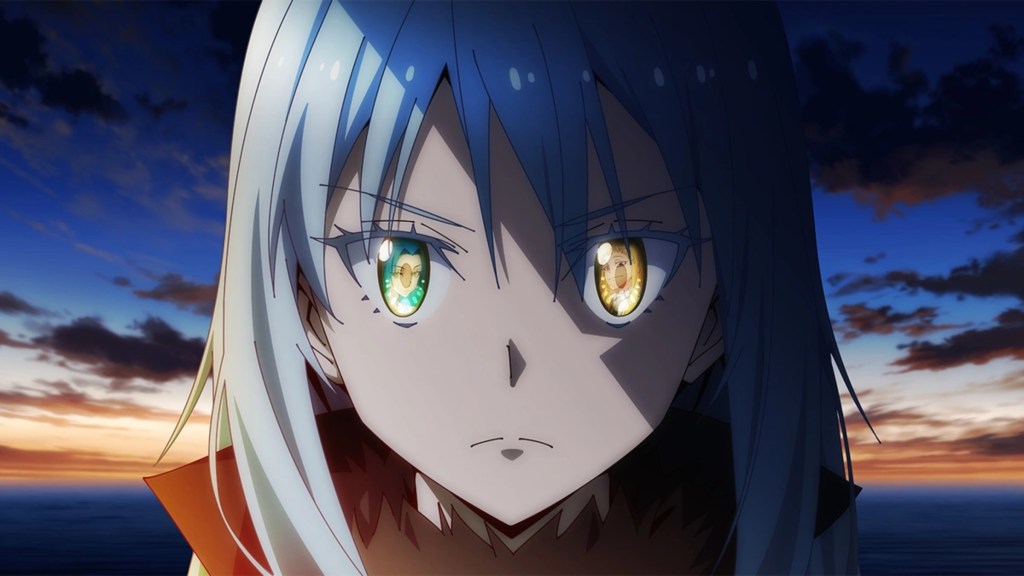
Fuse’s That Time I Got Reincarnated as a Slime built one of the most elaborate power fantasies in recent memory. Rimuru Tempest’s evolution from slime to ruler is a deep dive into diplomacy and moral choice. The novels deliver meticulous attention to world mechanics, making every transformation and alliance feel logical.
The anime adaptation polished this with vibrant animation and consistent pacing, but the light novel’s detailed lore remains unbeatable. Readers experience political depth and narrative scope that can’t fully fit into the anime’s runtime.
2. Sword Art Online
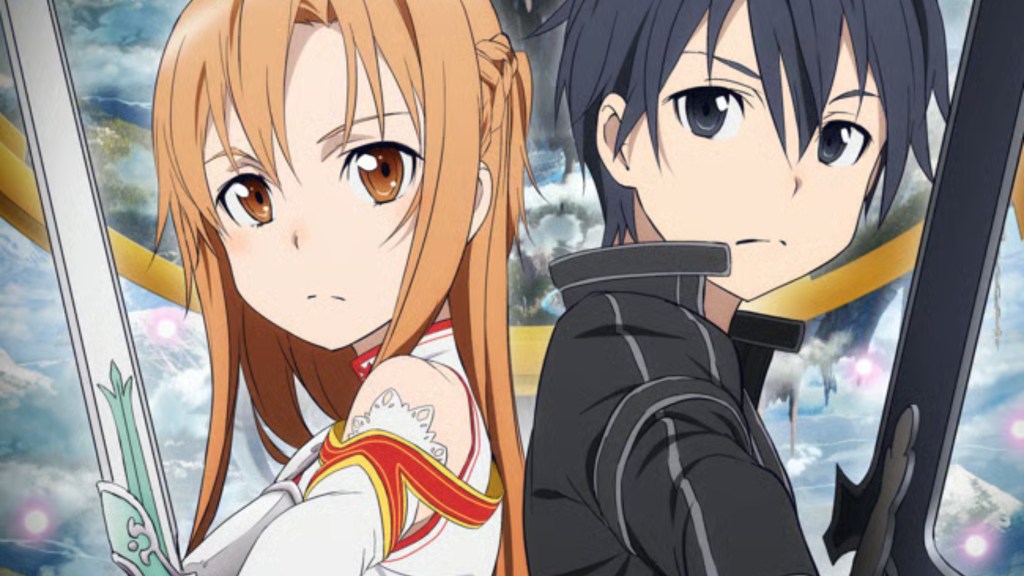
Reki Kawahara’s Sword Art Online ignited the boom of modern light novel adaptations. It pioneered the trapped-in-a-game concept long before it became mainstream. While critics point to its flaws, the novels refined the emotional tension between virtual and real identities, exploring how digital existence affects love, trauma, and growth.
A-1 Pictures’ anime adaptation turned SAO into a cultural phenomenon with sleek visuals and unforgettable music. Still, much of its philosophical nuance and character introspection thrive better in print. Sword Art Online remains divisive, but its influence on both gaming narratives and anime storytelling is undeniable.
1. Attack on Titan: Before the Fall
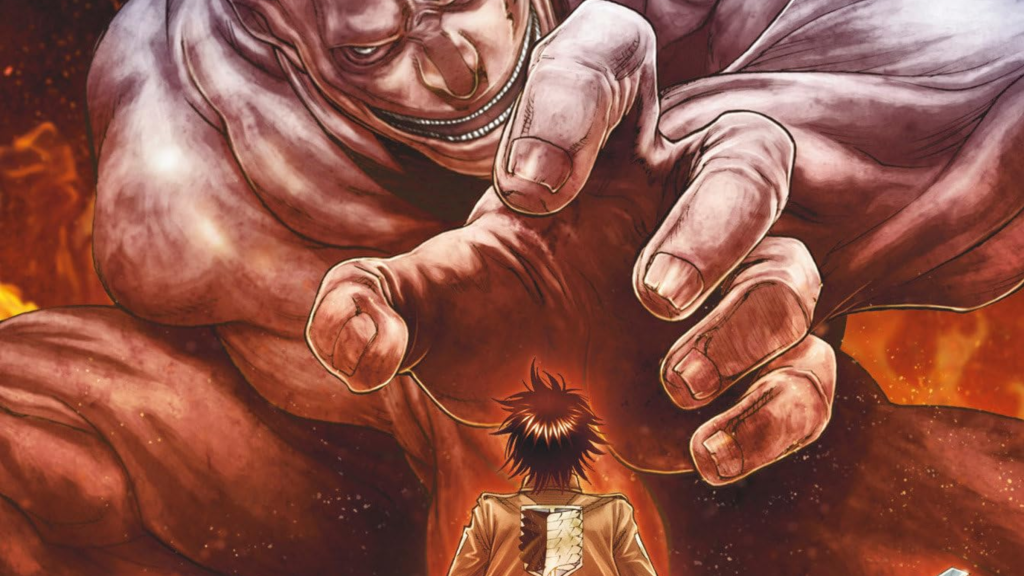
Ryo Suzukaze’s Attack on Titan: Before the Fall expanded Hajime Isayama’s universe with gripping originality. The prequel delves into the dark origins of humanity’s fight against Titans, focusing on the birth of the Vertical Maneuvering Equipment. Its light novels add a raw, grounded perspective to an already brutal world.
While the anime adaptation of the main series broke boundaries in scale and animation, Before the Fall offered fans an intellectual counterpart — a historical and emotional exploration of survival and invention. The novels stand out for their realism and humanistic approach, turning a massive franchise into a story about courage amid terror.
What do you think? Leave a comment below and join the conversation now in the ComicBook Forum!
Most Viewed
-
Image courtesy of Marvel Studios -
Image Courtesy of Netflix -
Image courtesy of Square Enix -

Image courtesy of Ufotable