Not all great manga are destined for anime glory. Some stories are simply too complex, too bizarre, or too visually intricate to be faithfully translated into animation. These manga thrive in their original medium, weaving narratives and art styles that demand the reader’s full attention and imagination. While it’s tempting to dream of seeing them on screen, perhaps some stories are best left on the page, where their true magic can shine.
Videos by ComicBook.com
Anime, even at its best, is communal and rhythmic. These stories need to be uncomfortable and uncommercial. They were drawn to be unreadable in any other form, and that, perhaps, is why they are masterpieces.

7. Berserk
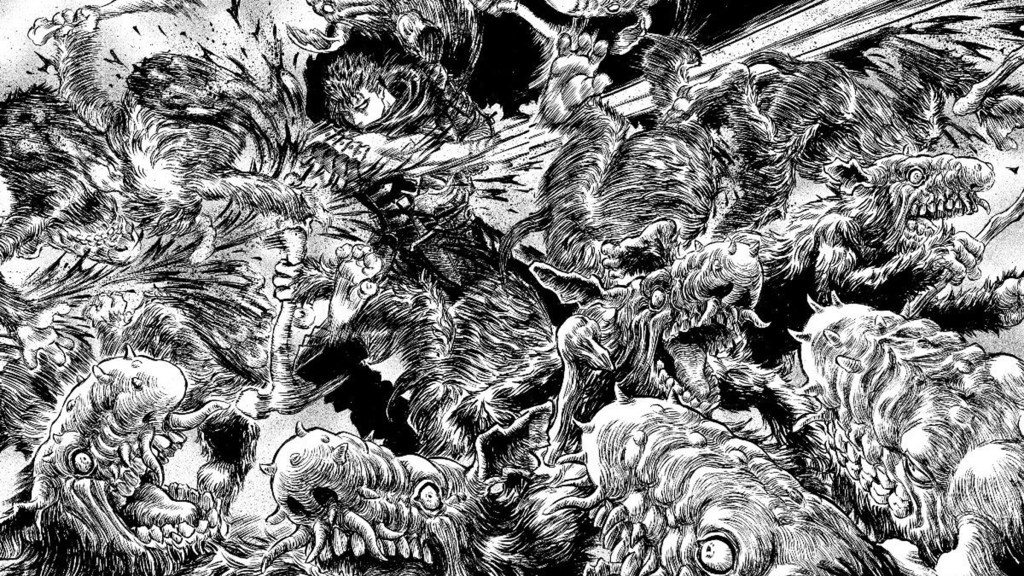
Berserk follows the journey of Guts, a lone mercenary with a tragic past, as he battles his way through a grotesque and unforgiving medieval world. Betrayed by his closest friend, Griffith, in one of the most infamous moments in manga history, Guts becomes consumed by a quest for revenge while struggling to protect those he loves. Berserk explores themes of trauma, revenge, morality, and the human will to survive against impossible odds.
From its stunningly detailed artwork to its deeply emotional storytelling, Berserk is a masterpiece of dark fantasy. But therein lies the problem: no anime has ever managed to capture its essence. The 1997 adaptation is beloved, but it ends far too early, leaving most of the story untold. The 2016–2017 adaptation, which relied heavily on CGI, was universally panned for its clunky visuals. Berserk’s hyper-detailed art, brutal violence, and psychological depth are simply too ambitious for most studios to handle. It would require an astronomical budget and a team willing to push creative boundaries—something anime rarely gets right at this scale.
6. Homunculus
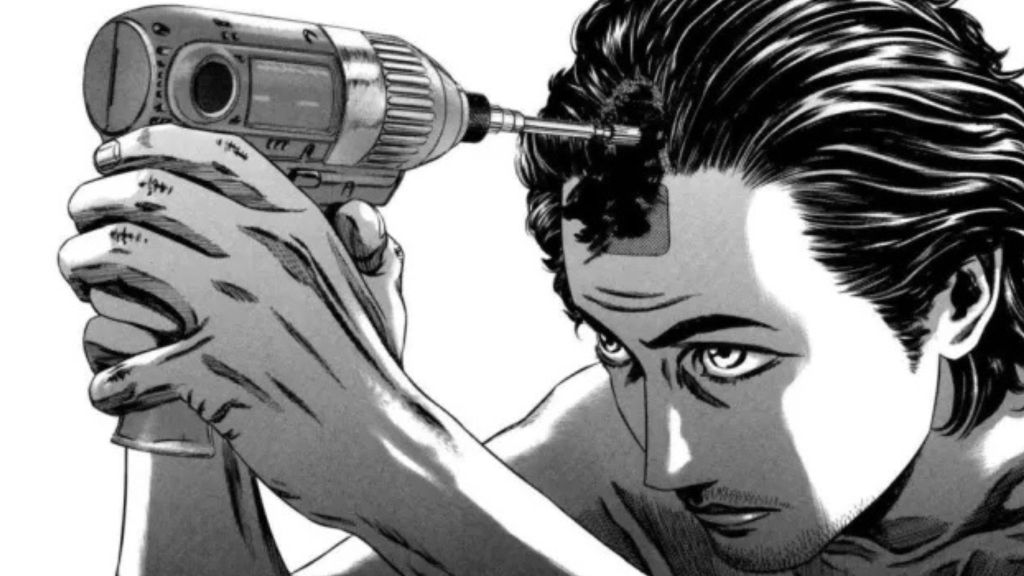
Homunculus is a psychological horror that delves into the darkest corners of the human psyche. The story revolves around Susumu Nakoshi, a homeless man who agrees to undergo a trepanation surgery — a procedure that involves drilling a hole into his skull — in exchange for money. After the operation, Nakoshi begins seeing distorted, grotesque visions of people’s inner traumas and desires, which manifest as “homunculi.” As he delves deeper into these visions, the line between reality and delusion blurs, and Nakoshi’s own sanity begins to unravel.
Its graphic and deeply unsettling imagery is crucial to the storytelling, but it would be difficult to animate without toning down its intensity. Most of Homunculus takes place inside a mental breakdown. Its visuals blur hallucination and reality through disturbing surrealist imagery. More importantly, the narrative is slow, introspective, and heavily focused on psychological themes that demand patience and emotional engagement from the audience. The story’s ambiguity and lack of clear answers would also alienate mainstream viewers accustomed to more conventional narratives.
5. The Voynich Hotel
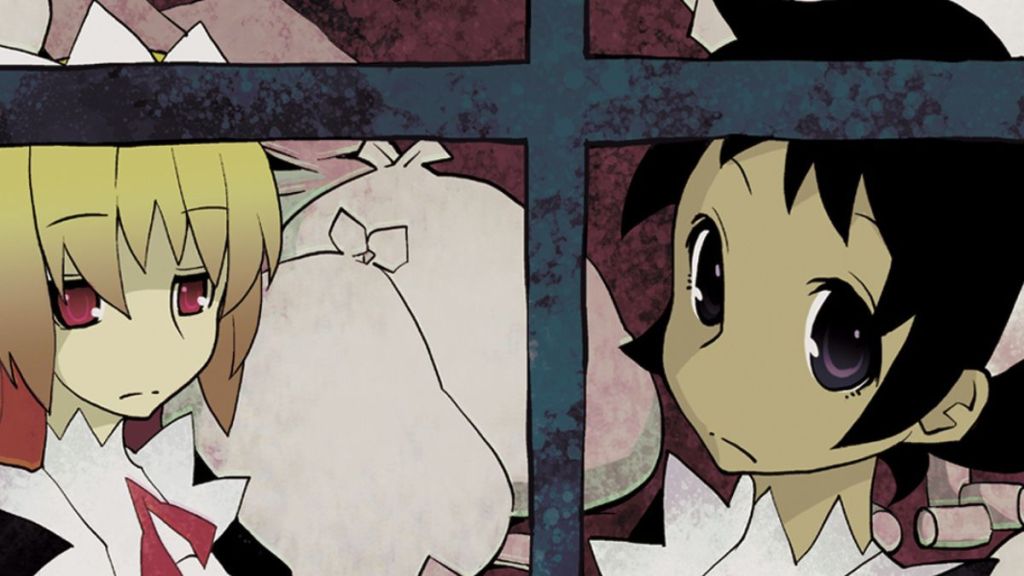
Set in a mysterious island hotel where bizarre and macabre events unfold, The Voynich Hotel is an eccentric mix of dark comedy, surrealism, and horror. The story follows Taizou, a man seeking escape from his troubled past, as he interacts with a cast of eccentric characters, including a pair of sadistic maids, yakuza hitmen, and a ghostly girl. The manga’s charm lies in its offbeat humor and its ability to seamlessly blend the absurd with the unsettling.
Much of the manga’s humor and atmosphere come from its unique visual style, which uses minimalist art to create a sense of unease. Translating this into anime would likely result in a loss of its surreal charm, leaving only a watered-down version of the original.
4. Blame!
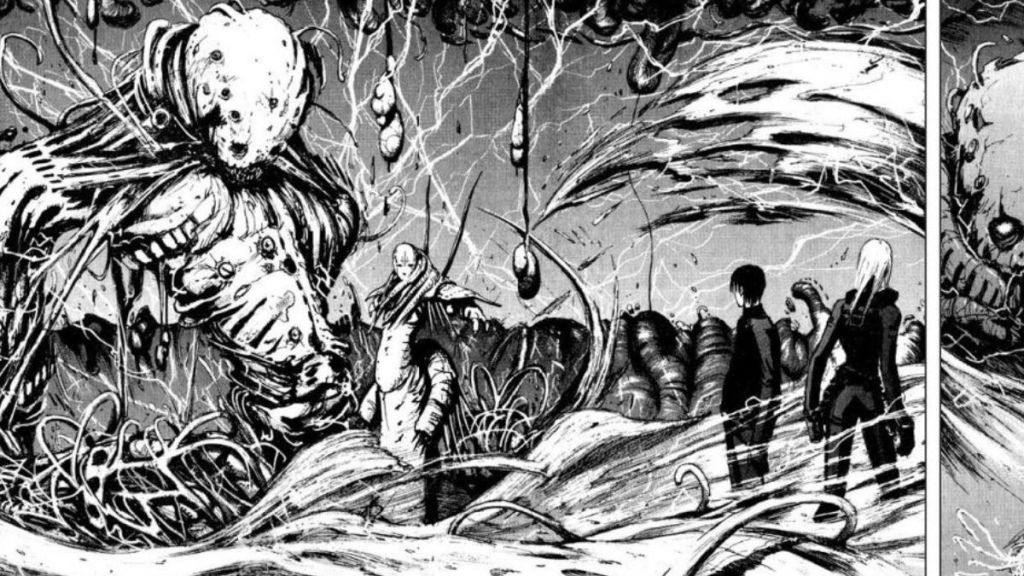
Blame! is a cyberpunk masterpiece set in an impossibly vast, dystopian megastructure known as “The City.” The story follows Killy, a stoic wanderer, as he searches for a mysterious genetic marker that could save humanity. The manga is renowned for its minimal dialogue, sprawling architectural designs, and haunting atmosphere, which creates a sense of isolation and despair.
While a Netflix CG film attempted to adapt Blame!, it barely scratched the surface of the manga’s narrative and world-building. The lack of dialogue and reliance on visual storytelling make this manga a poor fit for anime, which often leans heavily on character interactions and exposition
3. Dorohedoro
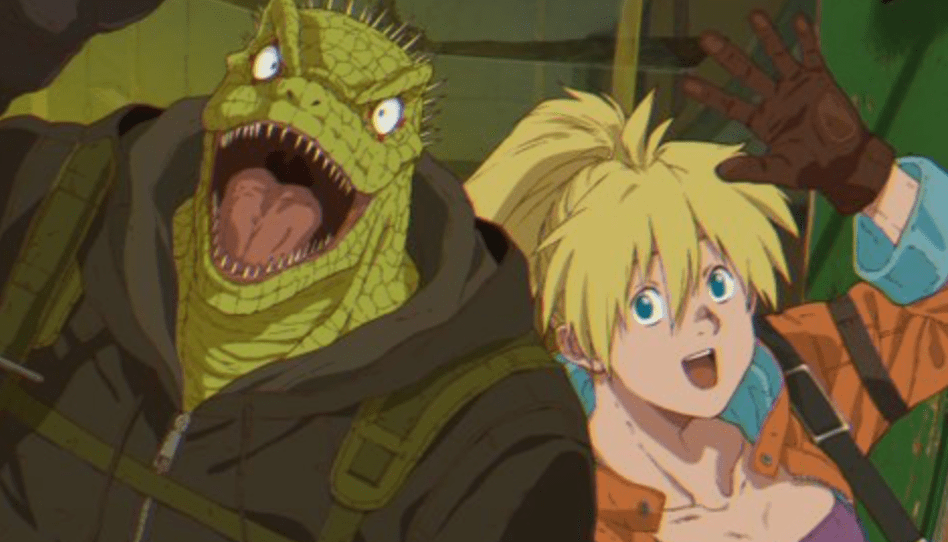
Dorohedoro takes place in the magical slum known as “The Hole,” where humans and sorcerers clash in violent and often absurd ways. The story follows Caiman, a man with a lizard head and no memory of his past, as he hunts down the sorcerer responsible for his transformation. Along the way, he encounters a bizarre cast of characters, from eccentric killers to chefs who cook gyoza. While the 2020 anime adaptation captured some of Dorohedoro’s chaotic energy, it barely scratched the surface of the manga’s sprawling narrative and grotesque humor.
2. I Am a Hero

I Am a Hero is a zombie apocalypse story unlike any other. The protagonist, Hideo Suzuki, is a struggling manga artist with severe mental health issues, including delusions and paranoia. When a zombie pandemic breaks out, Hideo is forced to confront his own fears and inadequacies as he fights to survive in a collapsing world.
What sets I Am a Hero apart is its meticulous art style and slow-burn storytelling, which focus on the psychological toll of survival rather than just the action. The manga’s highly detailed depictions of zombie hordes and urban destruction would require an extraordinary budget to animate effectively.
1. Oyasumi Punpun

Inio Asano’s Oyasumi Punpun is an existential coming-of-age story that chronicles a boy’s descent through hope, trauma, and disillusionment. Punpun himself is drawn as a tiny bird-like doodle, surrounded by hyperrealist backgrounds and human collaborators. The art style is the metaphor. Punpun’s simple form allows unbearable scenes to exist without collapsing into melodrama. Adapting that to anime risks literalizing something that’s meant to feel internal. Asano’s careful distortions — his use of photographic realism against distorted emotions — would lose their sting in animation. Simply put, Punpun lives in the spaces between drawings, not frames.
What do you think? Leave a comment below and join the conversation now in the ComicBook Forum!
More Anime
-
Courtesy of Nickelodeon -

Image Courtesy of Toei Animation -

Image Courtesy of Studio Pierrot/Toei Animation -
Image Courtesy of CloverWorks -

Image Courtesy of White Fox / Crunchyroll -
Image Courtesy of OLM