There was a time when it felt as if iconic manga, including One Piece, Naruto, Bleach, and Fairy Tail, would never end. Those manga were the defining Shonen Jump series of the 2000s, lasting over a decade in publication and releasing hundreds of chapters. These iconic series gave fans the impression that shonen manga and anime would last indefinitely. While the indefinite part seems to be true with One Piece, which is still running with over a thousand chapters, other long-form shonen series have since ended. Naruto finished in 2014 with 700 chapters, whereas Bleach ended in 2016 with 686 chapters. Readers and watchers expected the next generation of shonen series would have similar long shelf lives and last over a generation.
Videos by ComicBook.com
Except that didn’t happen. Multiple popular shonen manga that began in the 2010s have come and gone within the decade and a half, without the same long-lasting appeal as previous generations of shonen. Fans are now wondering if we’ll ever see another new shonen that matches the length of the classic series of the 90s and 2000s. While many fans mourn the potential end of an era, it should be noted how much of an enigma the 2000s were for the manga industry. Longer shonen series have never really been good for the stories, and it is good for these recent shonen manga to end sooner rather than later.
What Happened to The Long-Lasting Shonen Manga?
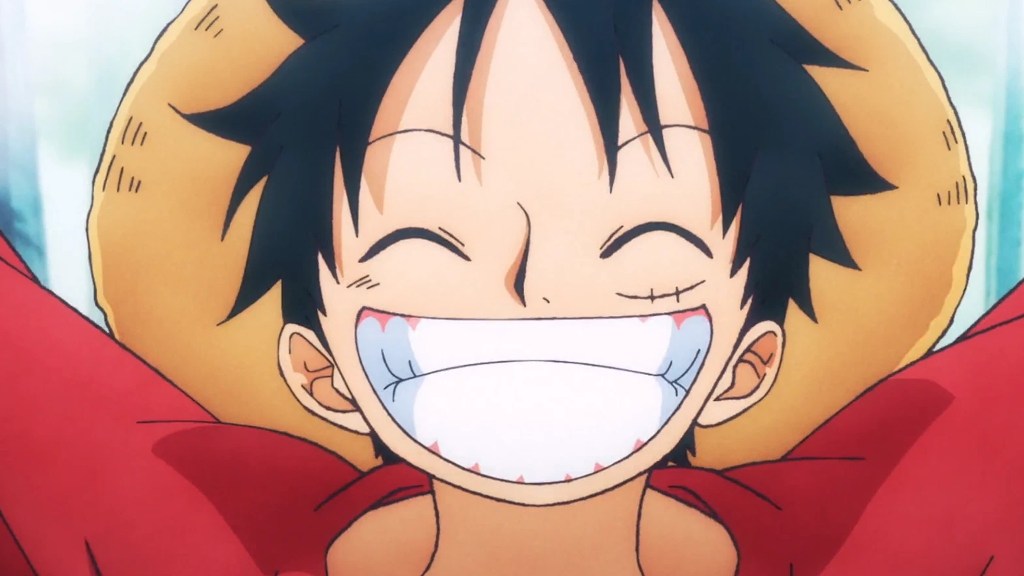
The success of One Piece, Naruto, and Bleach should not be underestimated. Those series weren’t only popular in the 2000s, but they established a media empire that continues to thrive. Merchandise and spin-off titles for these anime are still being released, ensuring they will endure for many more decades to come. However, having these many hugely successful franchises co-existing in the same decade was very unorthodox. Many popular and successful anime shows are released yearly, but the prosperity delivered by the biggest shonen properties of the 2000s was unusually high. Typically, every decade or so, there is one or two genre-defining shonen series. One Piece, Naruto, and Bleach were cultural phenomena, achievements that will likely never be replicated again. And they were popular and relevant around the same time, which was unusual.
To further emphasize how unusually long Naruto and Bleach lasted in comparison to other shonen, Dragon Ball only ran for 11 years, whereas Naruto and Bleach lasted for 15 years each. Given the massive success of the 2000s shonen series, it made marketing sense to have the manga last as long as possible. Fortunately, each 2000 shonen was designed for a long shelf-life, with episodic story arcs comprising the majority of the narrative. The mangaka were enthused men willing to carry on the manga as long as they could. While most of these manga were carried by artistic drive, it was also a smart financial decision. It would be like leaving money on the table if any of these franchises were to end prematurely. When the anime crash hit the United States in the mid-to-late 2000s, the major shonen titles endured and remained profitable.

Why Having Long-Form Shonen Series Is Bad

Unfortunately, having these manga last for over a decade hasn’t always benefited the story. Oftentimes, the manga authors would artificially extend the story past its natural endpoint. This unnatural story padding was especially felt in Naruto and Bleach, where both series suffered from lasting too long. One Piece avoided these pitfalls thanks to its continued ways to reinvent itself with each arc and keep things fresh, and other non-Shueisha series, like Baki the Grappler and Case Closed have similar longevity with various hooks sustaining their appeal. But these are now the exception, rather than a reasonable aspiration.
Making a manga is hard work. Forcing one creative mind on a single project for many years is taxing on anyone, no matter how dedicated they are to their story. Manga is also notoriously stressful; it isn’t for the faint of heart. There’s a reason why plenty of manga end prematurely. Many authors get burned out. Moreover, many manga, including shonen manga, traditionally follow one ongoing narrative. If a story lasts too long, many of the narrative’s plot and mystery will begin to feel stagnant. The long-form format works best with One Piece, since each arc is a self-contained adventure. Nonetheless, the series has notorious mysteries that are still not resolved. JoJo’s Bizarre Adventure avoids fatigue by switching protagonists and setting every part. The padding was more frustrating in Naruto’s case, as the final war arc went on way too long.
It’s Better if Manga Are Shorter
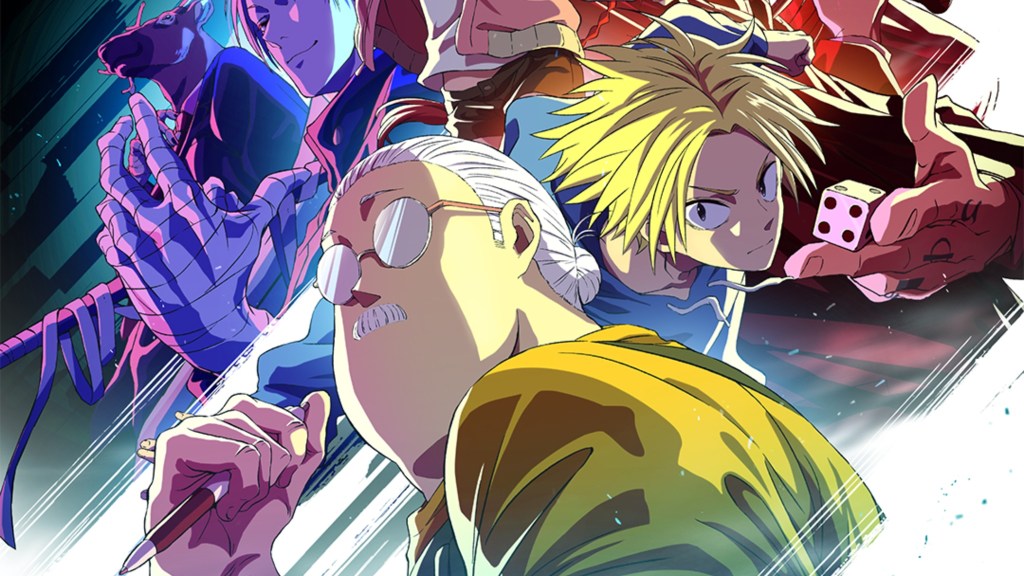
One Piece and JoJo’s Bizarre Adventure may very well be the last time we see a shonen series last this long, and that’s ultimately a good thing. Fans were genuinely shocked when Sakamoto Days announced its finale, especially since the brand has only grown in popularity. The incredibly popular Demon Slayer manga lasted a little over four years in publication, while Jujutsu Kaisen ran for six years. My Hero Academia and Black Clover are the closest shonen manga to match the length of the classic brands. Even then, My Hero Academia lasted for 431 chapters, far less than Naruto or Bleach. Yet these newer shonen manga were able to avoid the pitfalls of Naruto and Bleach, allowing the author to end the series on their own terms in a reasonable timeframe. Although the quality of these recent manga varies, fans at least got to read a complete story from beginning to end. Shorter manga also means less padding, which can often hinder a narrative. It’s also good for the health of the mangaka if they don’t have to stress over making a new chapter every week for over ten years.
Moreover, while long-lasting shonen manga don’t exist in the same way they used to, there are still many long-running manga in publication. Iconic titles like Golgo 13 have been publishing new chapters since the 60s. JoJo’s Bizarre Adventure has been publishing new chapters since the 80s, yet releases new chapters much less frequently, and the full-length anime adaptation wouldn’t begin until 2012. Even though fans mourn for an era of shonen manga where a title could last for what felt like an eternity, readers will always have plenty of options. This new era of shonen manga may not deliver something as long as One Piece, or even as long as Naruto, but it’s likely best for most series not to last too long. You can only keep up with the quality for so long; it’s arguably much better that manga authors get to finish their stories on their own terms.
Most Viewed
-

Image Courtesy of Prime Video -
Image Courtesy of Netflix