The X-Men became Marvel’s biggest team in the 1980s, writer Chris Claremont’s run with the group allowing them to step over the Avengers and the Fantastic Four (themselves having best of all-time runs). Soon, they were not only the bestselling group at Marvel but in the entire comic industry. Claremont revolutionized the team and its stories, keeping readers coming back with long-term story arcs that would build and build. He would leave the books for the first time in 1991, replaced by Jim Lee, Whilce Potracio, John Byrne, and Scott Lobdell. They would decide to take a page from Claremont’s book by introducing a long-term story arc that would set the industry on fire: the X-traitor plot.
Videos by ComicBook.com
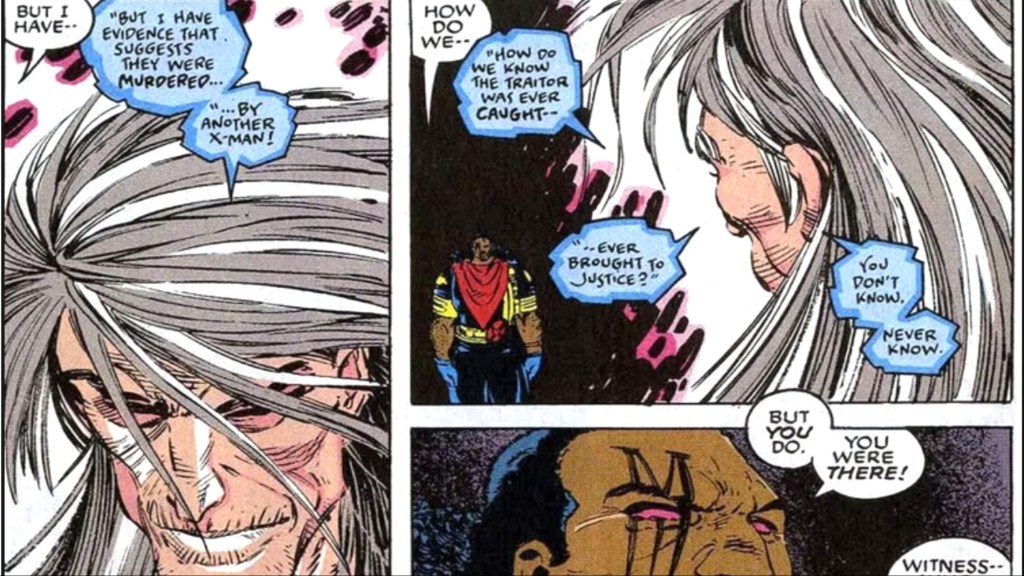
It all began with the introduction of Bishop in Uncanny X-Men #282 (which I finally own; it’s gone way down in price since I was a teen). The mutant came from a dark future that was caused at some point by a traitor to the X-Men. This would be revealed in Uncanny X-Men #287 and it would set the comic industry on fire. The ’90s belonged to the X-Men; everyone was reading either Uncanny X-Men or X-Men (Vol. 2) and many were reading both. The story was huge, but the weaknesses of the ’90s X-Men books would see it fade away before finally being put to bed in the biggest X-Men story of the ’90s: “Onslaught”.
The X-Traitor Storyline Showed the Power of the X-Men Comics in 1992
I can’t impress upon you enough how ubiquitous the X-Men were in 1991 and 1992, even if you didn’t like superheroes. Comic books were way more common back then and the massive successes of X-Men (Vol. 2) #1 and Uncanny X-Men #281 led to them being in even more places. You could buy every cover of X-Men (Vol. 2) #1 at Wal-Mart, all Direct Market editions collected together in a plastic casing that kept them in near-mint condition, something that wasn’t common outside of comic stores. Spinner racks were at every store your parents took you to and they were always willing to buy you a comic (which were $1.50; we didn’t know how good we had it).
So, when Uncanny X-Men #287 dropped and showed this part of Bishop’s origin, it was big news for those of us who were of a certain age. Fans debated it in the letters column of Uncanny and X-Men, as well as in magazines like Wizard and Comic Buyers Guide. Many believed it was Gambit, since he was the only survivor and the energy signature that kills Jean Grey in the recording Bishop is shown could have been his. There was also the chance that it was Bishop himself. No one knew what was going to happen next and fans were rabid for more.
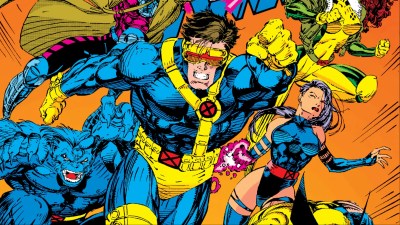
Then the exodus of the Image founders happened. It’s impossible to know if Jim Lee and Scott Lobdell, the two who wrote Uncanny #287, even came up with who it was but once Lee left, it was put on the back burner. “X-Cutioner’s Song” and “Fatal Attractions” would take all of the attention in 1992 and ’93, then 1994’s “The Phalanx Covenant” became the focus. 1995 was “Age of Apocalypse” and its aftermath, beginning the build-up to “Onslaught”.
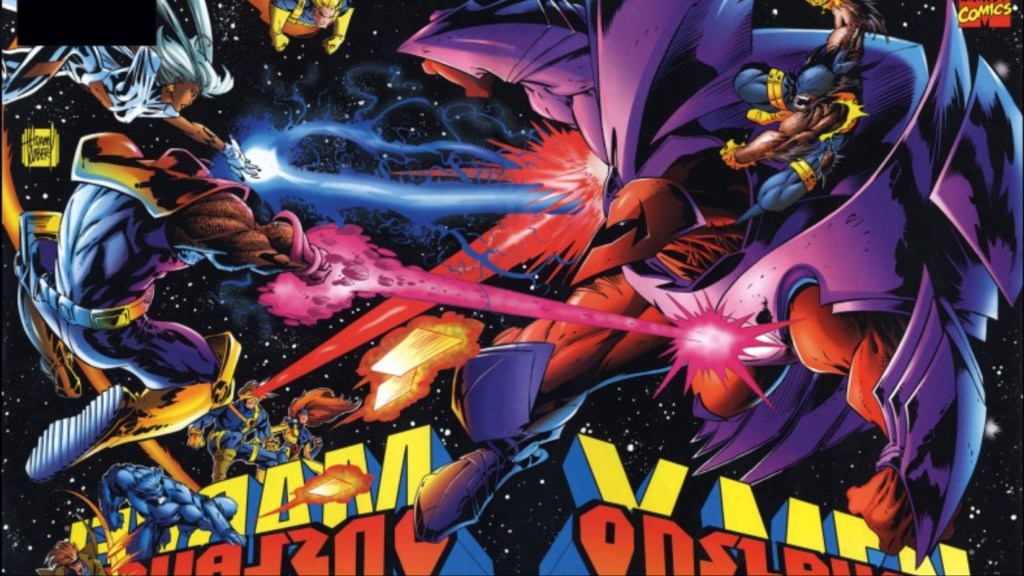
X-Men: Onslaught #1 would finally close out the story. It was revealed that the traitor wasn’t Gambit or Bishop, but instead was Professor X. Xavier had mindwiped Magneto in “Fatal Attractions” and been tainted his darkness. The fusion of the two created Onslaught and he gave the X-Men an ultimatum – join him or die. They decided to fight and in the resulting battle saw the team got trounced, with Jean escaping to the mansion’s basement, trying to send a distress call from Xavier’s anti-telepathy sphere and creating the recording Bishop and readers had seen back in 1992. The entire thing felt anti-climactic and it exposed the problems with the X-Men’s writing in the ’90s – it was trying to remind you of the ’80s, but was missing the key ingredient of that decade: good writing and good editorial.
The X-Traitor Story Line Remains One of Marvel’s Biggest Missed Opportunities
I was 15 when “Onslaught” was coming out and had been following X-Men comics for four years, so I watched the whole X-Traitor storyline develop… or in its case not develop. It was dropped on readers at a time when everyone was still rabid for the team and set the fanbase’s tongues wagging everywhere they could. However, for whatever reason, it was dropped to the wayside for the rather mid “X-Cutioner’s Song”, which felt like a Band-Aid after the loss of Lee, Potracio, Silvestri, and, to a lesser extent, Liefeld. It would be years before it was just shoved into “Onslaught” and tangentially connected to “Fatal Attraction”.
Claremont did the same sort of thing, but there was a difference – he would keep dropping hints on readers, expanding on these kind of long-term ideas and mostly paid all of them off in an entertaining fashion. The X-office in the ’90s was constantly chasing the next big thing, so cool plots were often just dropped into books and then never revisited. I will always love ’90s X-Men comics – I’m spending a lot of money getting them back after losing all of my ’90s books – but they had a lot of problems, many of which came from learning the wrong lesson from Chris Claremont’s landmark run.
Do you remember the X-Traitor storyline? Leave a comment in the comment section below and join the conversation on the ComicBook Forums!
More Comics
-
Image Courtesy of DC Comics -
Image Courtesy of Marvel Comics -
Image Courtesy of Marvel -

Image Courtesy of Marvel Comics -
Image Courtesy of Marvel Comics -
Image Courtesy of Marvel Comics -
Image Courtesy of DC Comics