DC Comics is hitting a level that it hasn’t hit in a long time in 2026. The publisher had been lagging behind Marvel Comics for years, but starting with 2024’s DC All-In publishing initiative, they began the crawl to the top again. DC has a legacy of excellence that reaches back to the late ’30s, when the publisher created the superhero with Superman. They introduced the supervillain and super team as we known them, the sidekick, and kept innovating. However, Marvel took innovation to the next level in the ’60s, and their books became the cutting edge of superheroes, but that would change. 40 years ago, DC took the superhero comic and changed it forever. 1986 was a hugely important year for the superhero, with DC leading the charge of innovation.
Videos by ComicBook.com
DC Comics was on fire in the ’80s, doing their best to keep up with Marvel. Alan Moore’s Swamp Thing changed what a comic could be, Camelot 3000 was the first prestige comic, Ronin was Frank Miller unleashed, and New Teen Titans gave the publisher a book that could match Uncanny X-Men. Those early years of the decade of excess saw DC surge ahead after the ’70s failure of the DC Implosion, but 1986 would be the year that the publisher really turned on the heat. Every superhero comic, every comic really, owes a debt of gratitude to 1986 DC.
DC in 1986 Gave Readers Hit After Hit
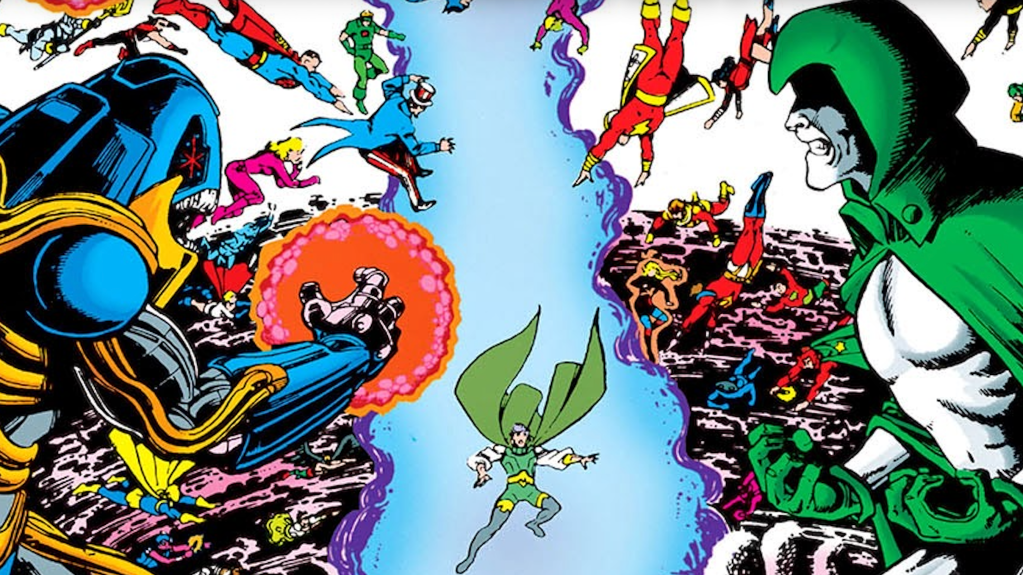
The best place to start with 1986 DC is Crisis on Infinite Earths. Crisis was the book that was meant to make DC’s main line competitive with Marvel. DC’s continuity was always wonky, and the publisher wanted to streamline its superhero universe. 1986 saw the end of the multiverse and the birth of a singular universe. The History of the DC Universe was released in the aftermath of the book, setting the new history of the superhero, and reboots were on tap for Superman, Wonder Woman, Batman, the Justice League, and more.
The publisher lowered the general power level of its characters, giving the stories greater stakes, and the characters were modernized. Stories like Legends, Man of Steel, “Year One”, Justice League #1-6, and the George Perez’s Wonder Woman reboot all brought the characters into the present with compelling new origins that fit the times. Their heroes and villains became more realistic and suddenly, readers were engaged. However, these changes were the only the beginning, because 1986 was also the year two of the most important comics ever came out: The Dark Knight Returns and Watchmen.

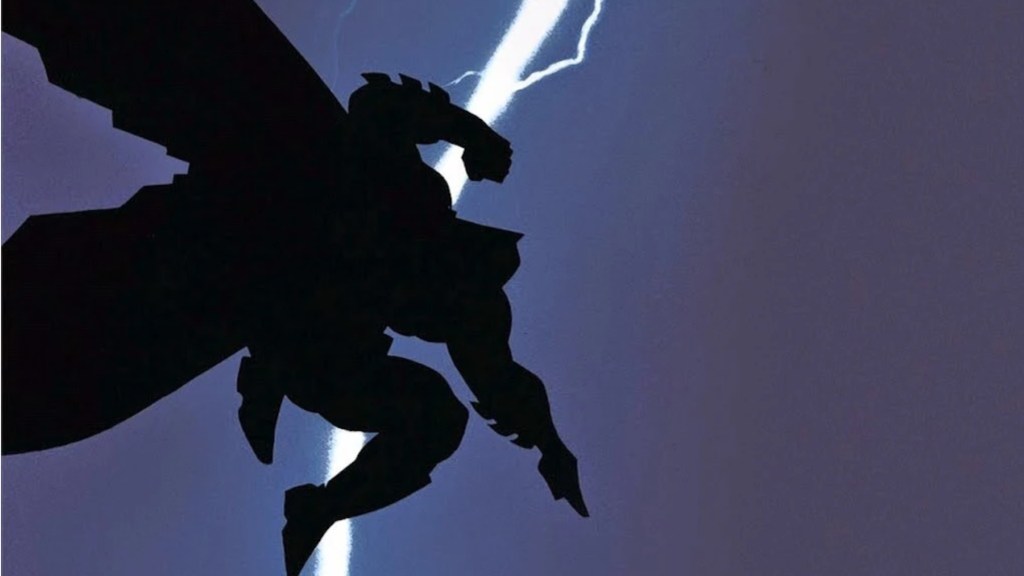
The Dark Knight Returns was basically Frank Miller’s test run for a more mature Batman, one that left behind the campiness that had become part of the character’s DNA since 1966’s Batman TV show. His Dark Knight hearkened back to the O’Neil/Adams and Englehart/Rodgers versions of the character. Miller loved crime noir superheroes, and he brought that to TDKR. This was a pitch-black Batman story, taking a more mature, grounded look at the character. It changed the way people looked at him forever, and every Batman comic since owes it a debt of gratitude. In fact, every street-level hero book owes it.
And, then, of course, there’s Watchmen. Alan Moore had been pushing superhero comics in a more mature direction since he started writing American comics and Watchmen became the ultimate word in superheroes as literature. Moore and artist Dave Gibbons created a complex narrative with perfect visual storytelling that pushed what could be done with the comic medium. It showed that superheroes could be more than simplistic morality tales and started a revolution that would lead comics in so many different directions. That was DC in 1986 in a nutshell, constantly revolutionizing what superheroes and comics could be, showing everyone the future.
DC Comics in 1986 Birthed the Modern Superhero Comic
Superhero comics are created by standing on the shoulder of giants. At times, it can feel like no one is raising the level of the form, but there are other time when the bar is raised astronomically high, dragging ahead the ideas of yesteryear. DC in 1986 broke new ground by doing what it had been doing since the superhero began, pushing the concept forward in new ways. The ’80s had been pushing the superhero in new ways across the comic industry, and DC in 1986 strapped a warp engine to their back to reach the stars.
The comic industry in 2026 would be very different if it wasn’t for DC in 1986. The post-Crisis DC Universe made the publisher more competitive overall. They saw what Marvel did and did it in the DC way, creating a more modern and cohesive superhero universe. Books like The Dark Knight Returns and Watchmen pushed things ever further, showing that the superhero could be more than it was before. 1986 was, in a lot of ways, the first year of the modern comic industry and it’s all because of DC Comics.
What do you think of 1986 DC? Leave a comment in the comment section below and join the conversation on the ComicBook Forums!
Most Viewed
-

Image Courtesy of Netflix -

Courtesy of Netflix