DC Comics is currently going through a boom time, defeating Marvel Comics in the sales charts for the first time in ages. Marvel has run the table for a long time, and that has its origins in the Silver Age of Comics. While DC gave readers the first superhero comics, the House of Ideas revolutionized the superhero by introducing the “shared universe” concept in the ’60s. Since then, DC has often fallen behind them, but there’s a certain irony to that. See, the Silver Age, and many of the tropes that Marvel would ride to the bank, were the brainchild of DC Comics. 70 years ago, the publisher dropped Showcase #4 on readers and the Silver Age began.
Videos by ComicBook.com
DC was the king of the Golden Age, but everyone but Superman, Batman, and Wonder Woman went the way of the dodo in the ’50s. Showcase #4 was the publisher taking one of the stars of its past — the Flash — and revitalizing him. Barry Allen became the hero of a new era, and his first adventure from Robert Kanigher, John Broome, Carmine Infantino, and Joe Kubert would form the basis of a new kind of superhero comic. DC’s early Silver Age comics laid the groundwork for Marvel, giving them the tools they would need to take over the comic industry in the years to come.
DC Set the Terms of the Silver Age and Marvel Used Them to Profit

Jay Garrick is a legend of the Golden Age, and was pretty popular in his day. The first Flash had an amazing look, his powers were perfect for comics, and he was the ultimate white bread hero. However, superheroes would become less popular and he disappeared. As the ’50s went on, and the controversies of Frederic Wertham’s Seduction of the Innocent faded from the public psyche, sales got better. DC editor Julius Schwartz decided that it was time to rebuild the publisher’s superhero roster, and helped come up with Showcase #4.
Schwartz, Kanigher, and Broome made Barry Allen into the ultimate hero of the ’50s. Science fiction was a force in pop culture, and they made him a forensic scientist, because Schwartz wanted a character that readers would look up to and learn from. His adventures were somewhat grounded sci-fi, and gave the fastest man alive some rather human foibles, namely the fact that Barry is always late. He got his powers not because of magic, but because of “science” — or at least something scientific enough for ’50s kids — and he set the standard for many of the heroes that would come after him.

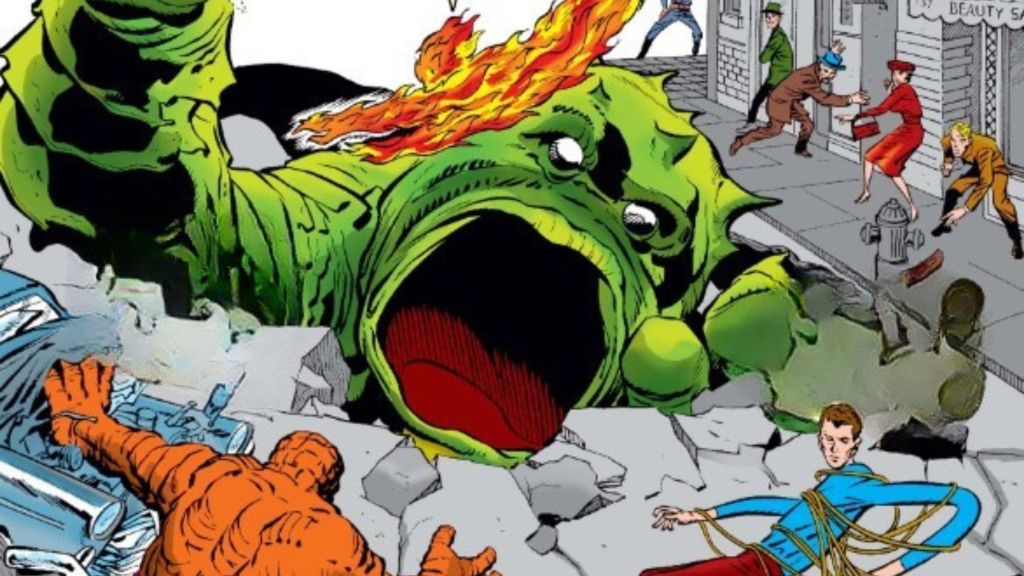
DC created amazing superheroes in the ’50s, many of them heavily inspired by sci-fi and the rise of the sciences in the American public consciousness. They were scientists and soldiers, model Americans. By 1961, DC had a fully functioning superhero universe, and Marvel was ready to get back into the game. They did it by copying the successes of Showcase #4, and following the example that DC had set for them. Fantastic Four #1 shared the same DNA as Showcase #4, a sci-fi tale about exemplary adults gaining powers and deciding to do the right thing with their powers.
Marvel took the kind of sci-fi ideas that DC had been using, mixed in real world Cold War anxieties, and took the idea of a superhero with normal foibles, something Allen had embodied, and used it to create the perfect superheroes for the 1960s. The genius of Stan Lee and Jack Kirby is that they learned the lesson of Showcase #4, and expanded on it. Barry worked as a character because he was a normal joe, but Stan and Jack dialed up the humanity that made Barry so beloved in their characters. Showcase #4 presaged the future of superheroes and Marvel learned the lesson well.
Marvel Comics Would Not Exist Without Showcase #4
Marvel’s success in the Silver Age, the way they took the spotlight and kept it, has been talked about for years. They get all of the credit for making the superhero more palatable for the common readers and the introduction of the shared universe revolutionized comics. The creators of ’60s Marvel deserve all the credit in the world, but it’s about time everyone acknowledged that DC’s Showcase #4 made the Silver Age Marvel Universe possible.
Barry Allen was a new hero for a new time in the American consciousness. The ’50s were a time of both plenty and anxiety, and the Cold War drove science to the forefront of American culture. Schwartz recognized that, and working with his creators made the perfect story and character for the time. They set the table for Stan and Jack’s later success, and without them, Marvel as we know it never would have gotten as big as it did.
What do you think of Silver Age Marvel and DC? Leave a comment in the comment section below and join the conversation on the ComicBook Forums!
Most Viewed
-

image courtesy of Studio Ghibli -

Image Courtesy of Studio Ghibli -

Courtesy of Shueisha / Kadokawa / Square Enix / Shogakukan