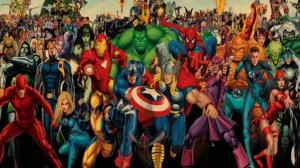
Marvel’s roster in the comics has never been static. New heroes show up to fill power set gaps, to represent corners of the world the older lineups ignored, and to keep long running brands from becoming museums. Over the last ten years, though, the roster has felt more intentionally designed as an ecosystem.
Videos by ComicBook.com
There has been a steady increase in legacy style introductions where a mantle is shared, remixed, or reframed rather than replaced forever. That approach lets Marvel add new protagonists without erasing the old guard, and it creates a broader “who wears the name” flexibility that can support multiple books and different tones at once. Marvel has also leaned harder into younger heroes and peer group teams, not just because teen characters sell, but because they let the universe refresh its social web.
10. Aero (Lei Ling) — Aero (2019)
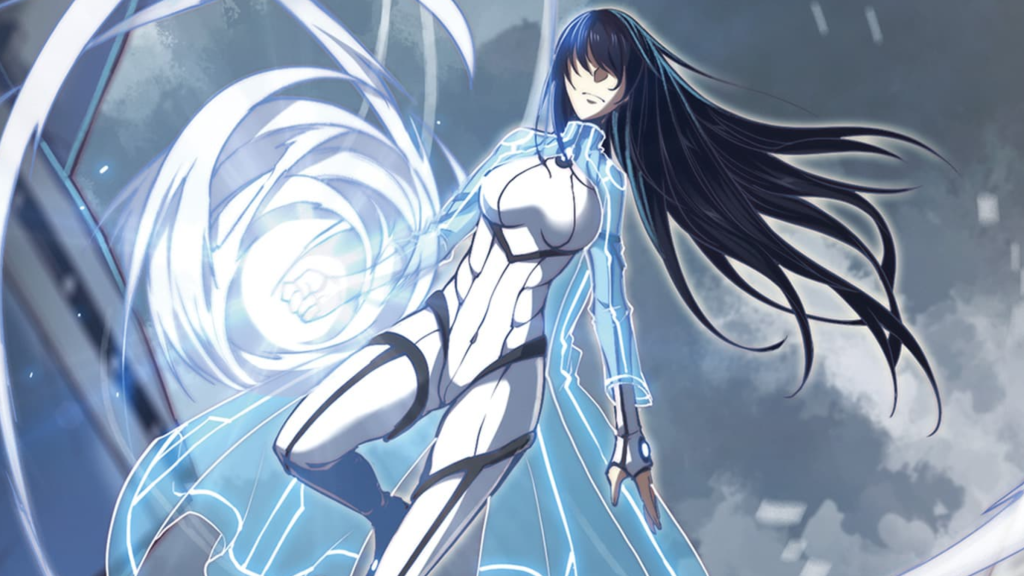
Lei Ling brings a modern, urban energy to Marvel’s roster, anchored in Shanghai and built around air manipulation that reads cleanly on the page. Her design and action staging make her feel like a superhero who belongs to a global Marvel, not a side character visiting New York for a crossover.
She also benefits from a defined civilian identity: an architect with a life that keeps colliding with hero work. Some of her early stories lean on setup and worldbuilding more than knockout villain arcs, but as a new hero concept from the last decade, she adds welcome range to Marvel’s settings and tone.
9. Sword Master (Lin Lie) — Sword Master (2019)
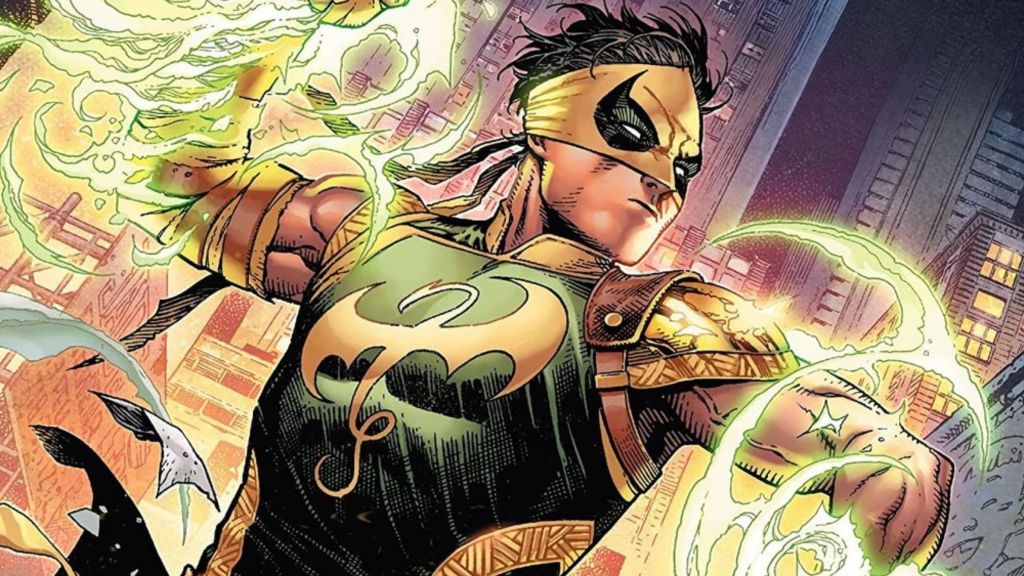
Lin Lie’s hook lands fast: a young hero bonded to a powerful, dangerous sword with mythic baggage. The series taps into martial arts fantasy and Chinese mythology in a way that differentiates him from Marvel’s usual science-and-radiation origins.
He earns a spot because Marvel actually put effort into making him scalable. He works in solo adventure, he plugs into teams, and his premise naturally generates internal conflict. The downside comes when big-event gravity starts tugging him away from the smaller character beats that made him click in the first place.
8. Spider-Boy (Bailey Briggs) — Spider-Man (2023)
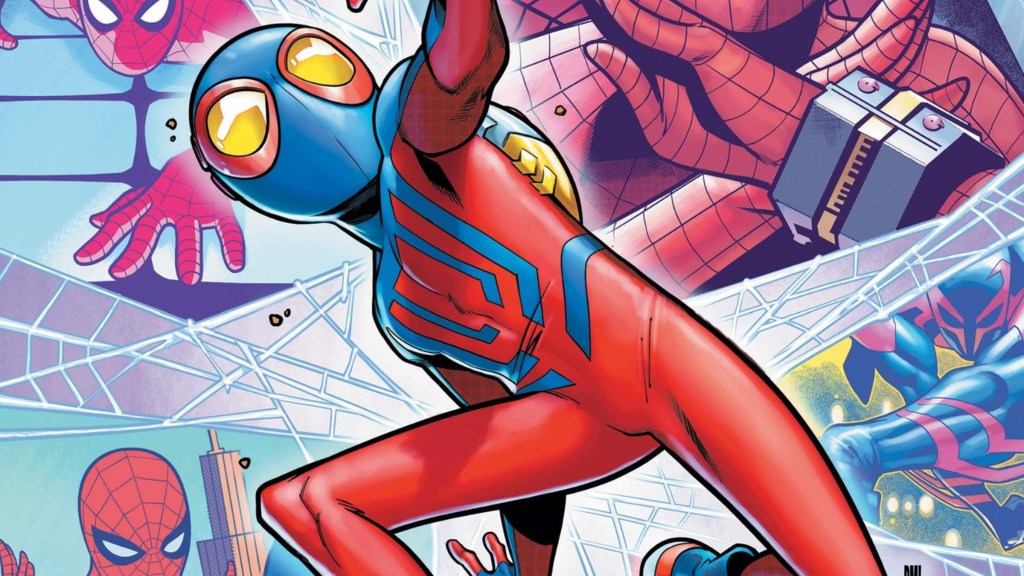
Spider-Boy arrived as a risky swing: a brand-new kid sidekick dropped into continuity with a deliberately disorienting “he was always here” angle. That kind of retcon-bait could have crashed immediately, yet Bailey’s core appeal still comes through thanks to clear voice, big heart, and an earnest need to belong.
He ranks here because Marvel managed to make him readable quickly, even for skeptical fans. The concept still depends on follow-through; he needs defining villains and long-term themes that are his, not borrowed from Peter or Miles. If Marvel commits to that work, he could grow into a real pillar instead of a clever footnote.
7. Kid Kaiju (Kei Kawade) — Monsters Unleashed (2017)
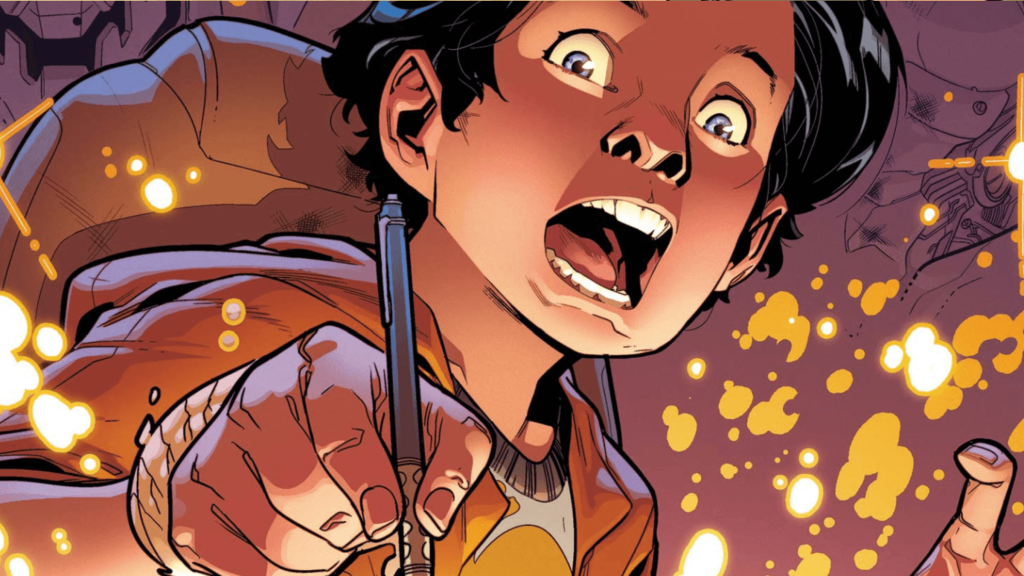
Kei Kawade has a power set that feels like pure comic-book fun: he can manifest giant monsters he draws, including Marvel-style kaiju. That visual-forward concept makes him an easy fit for splashy action pages and big, weird set pieces that superhero comics sometimes forget to enjoy.
He also works because the premise naturally creates stakes. A kid with imagination-based kaiju powers should be a disaster waiting to happen, and Marvel plays with that tension. His weakness is simple visibility; he has not been pushed hard enough since his debut, so he still feels like untapped potential more than a fully cemented headliner.
6. Captain Britain (Betsy Braddock) — Excalibur (2019)
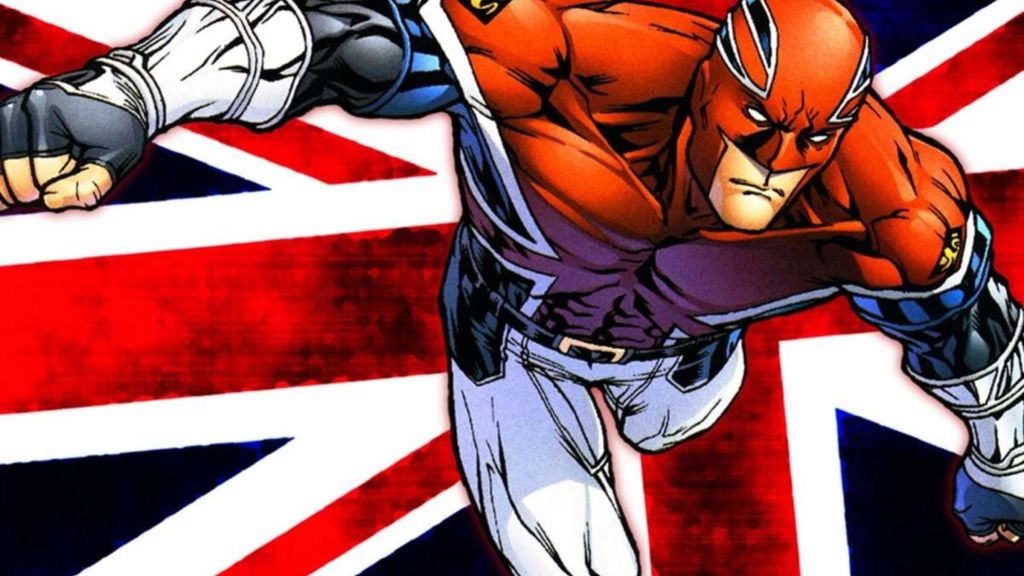
Betsy taking the Captain Britain mantle in the Krakoan era gave Marvel a sharp, symbolic pivot: a character with messy history stepping into a role with national myth weight. Excalibur leaned into Otherworld politics, magic, and identity, and Betsy’s leadership gave that corner of X-Men line a clear anchor.
She places high because the mantle change actually mattered in-story, with consequences and conflict instead of a costume swap. The execution sometimes got tangled in lore density, but Betsy as Captain Britain remains one of the strongest “new hero status” moves Marvel made in the last decade.
5. Riri Williams / Ironheart — Invincible Iron Man (2016)
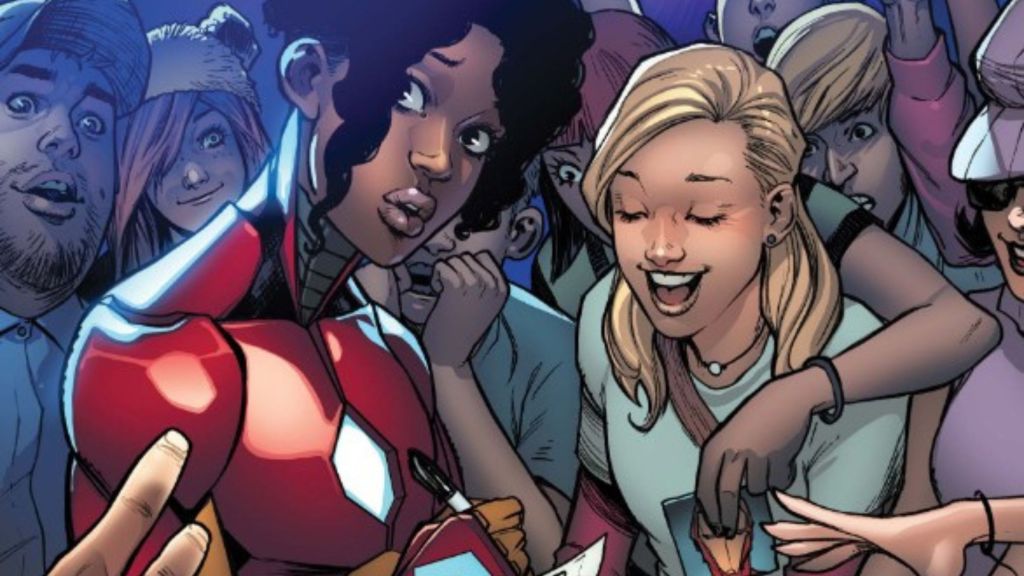
Riri Williams debuted with a clear challenge: follow Tony Stark without feeling like a knockoff. Her best stories succeed when they center her ambition, intelligence, and stubborn independence, plus the social reality of being a young Black genius under a microscope.
She earns this rank because she quickly became a legitimate Marvel mainstay, not a one-arc novelty. The writing quality around her has varied, and some runs leaned too hard on positioning her as “the next Tony.” When creators focus on Riri’s own priorities and flaws, Ironheart reads like the future rather than a replacement.
4. Gwenpool (Gwen Poole) — The Unbelievable GwenPool (2016)
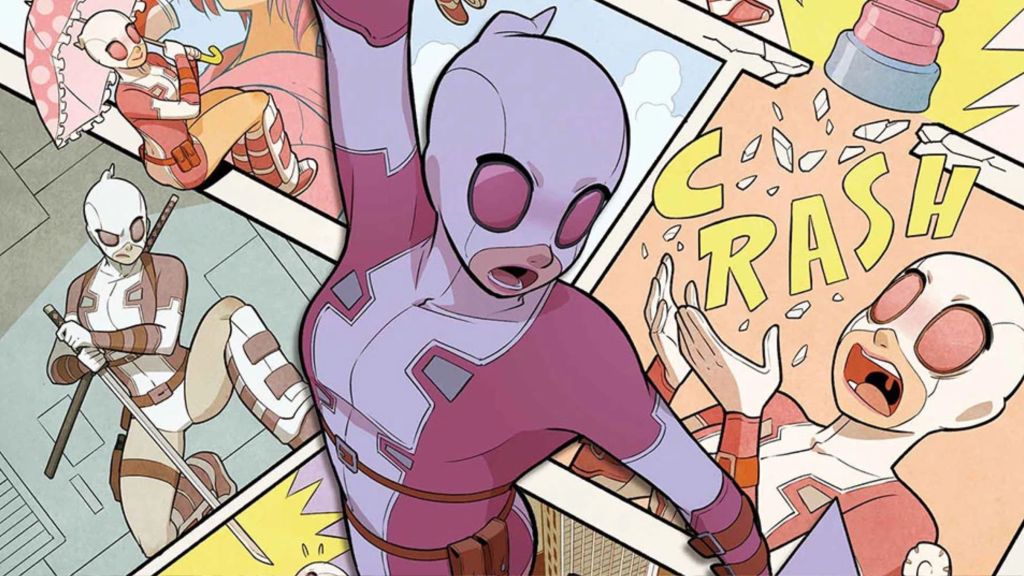
Gwenpool could have been disposable meta-joke publishing, then she turned into one of Marvel’s smartest new characters of the decade. Her stories use fourth-wall awareness for actual tension: fear of cancellation, desperation to stay relevant, and the horror of realizing narrative rules control your life.
She ranks this high because the concept matured fast and stayed emotionally sharp. She also carved out a niche that is not “Deadpool but girl,” despite superficial marketing overlap. When Marvel leans into Gwen’s anxiety and ingenuity instead of cheap gags, she becomes painfully relatable in a way superhero comics rarely attempt.
3. Nadia Van Dyne / The Wasp
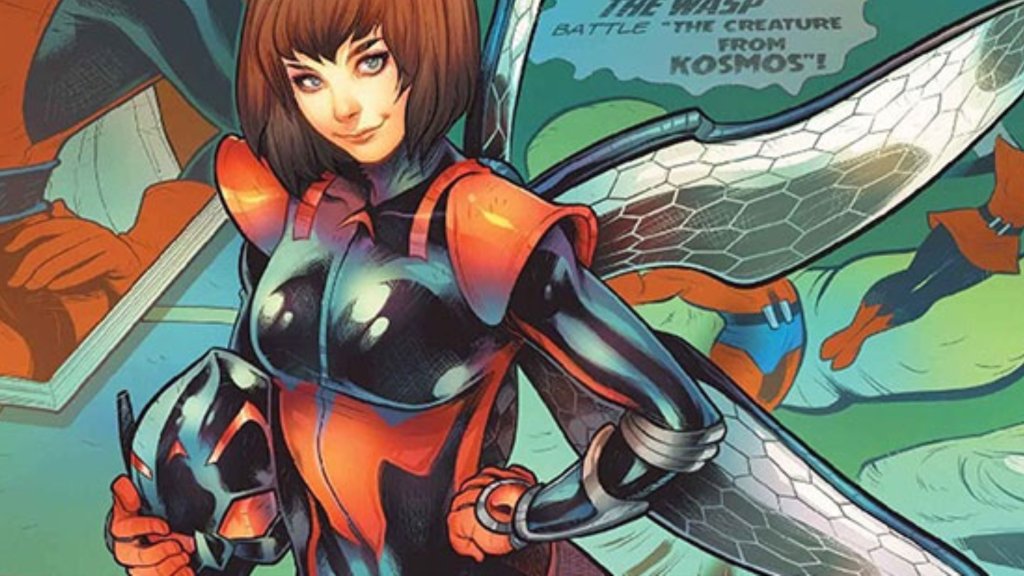
Nadia brought something Marvel needed: a bright, community-building hero whose optimism has teeth. As Hank Pym’s daughter, she could have been trapped as a continuity device, yet her solo material made her voice distinct—fast, funny, and driven, with real attention paid to mental health themes and friendship.
She places in the top three because she widened what “legacy hero” can mean. Nadia’s best stories feel constructive; she tries to fix systems and support people, not just punch the weekly threat. Marvel has not always kept her in the spotlight she deserves, but the character concept and execution hit harder than many bigger-brand launches.
2. Ms. Marvel (Kamala Khan)
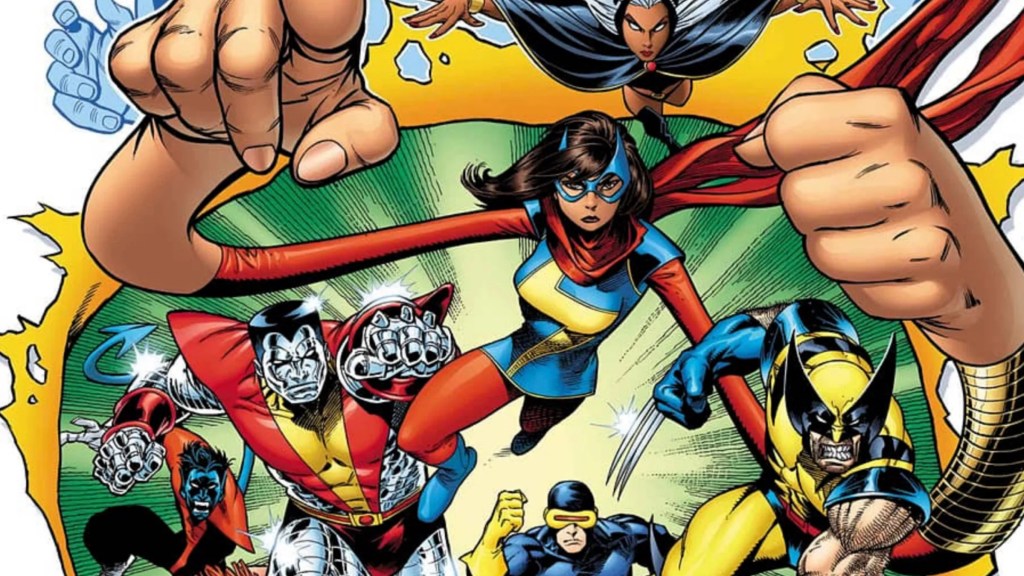
Kamala technically debuts just outside the strictest “last 10 years” cutoff, but her cementing as Marvel’s defining modern teen hero happened during the last decade through sustained, high-visibility storytelling. Her voice feels authentic, her family and community are integral, and her heroism is rooted in empathy without turning her into a pushover.
She ranks this high because she did what Marvel always wants new heroes to do and rarely pulls off: she became indispensable. Kamala works on the street, on Avengers-scale teams, and in character-driven coming-of-age plots. Even when continuity decisions get messy, her core appeal survives because it’s built on personality, not gimmick.
1. Spider-Man (Miles Morales)
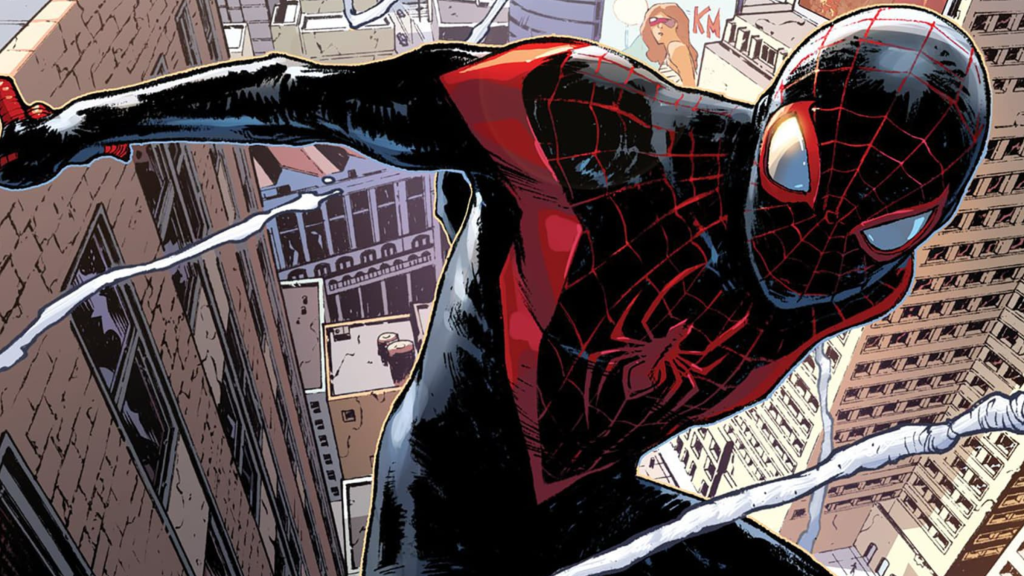
Miles debuted earlier (2011), but the last decade is when Marvel turned him into a true A-list hero in the mainline Marvel Universe with consistent solo runs and a clearly defined supporting cast. His best stories balance family expectations, responsibility, and the constant demand to prove he belongs. He takes the top spot because Marvel managed to make a second Spider-Man feel essential rather than redundant. Miles has his own rhythm, his own community, and powers that differentiate him in action without making Peter obsolete.
What do you think? Leave a comment below and join the conversation now in the ComicBook Forum!
Most Viewed
-
Image courtesy of The Pokemon Company