Captain America is the gold standard leader in Marvel Comics, the hero others aspire to be. He gives the big speech before the titanic battles, and his shield is the symbol that rallies every hero in the world when things are at their worst. However, leadership isn’t just about inspiring words before a fight. It’s about tactics, delegation, institution-building, and a long-game vision that survives, even in Secret Wars, when the world ends and has to be rebuilt. Captain America is an incredible tactical field leader, but across his time in Marvel Comics, several other heroes have actually made the tough calls, built the institutions that kept the world running, and ended up proven right when Cap was sometimes wrong.
Videos by ComicBook.com
From Civil War to Avengers vs. X-Men to Jonathan Hickman’s run on Avengers, there are plenty of major storylines where Cap either loses the argument or gets proven wrong after the fact. Here is a look at 10 Marvel heroes who, based on their wins and losses, are secretly better leaders than Captain America.
10) Doctor Strange
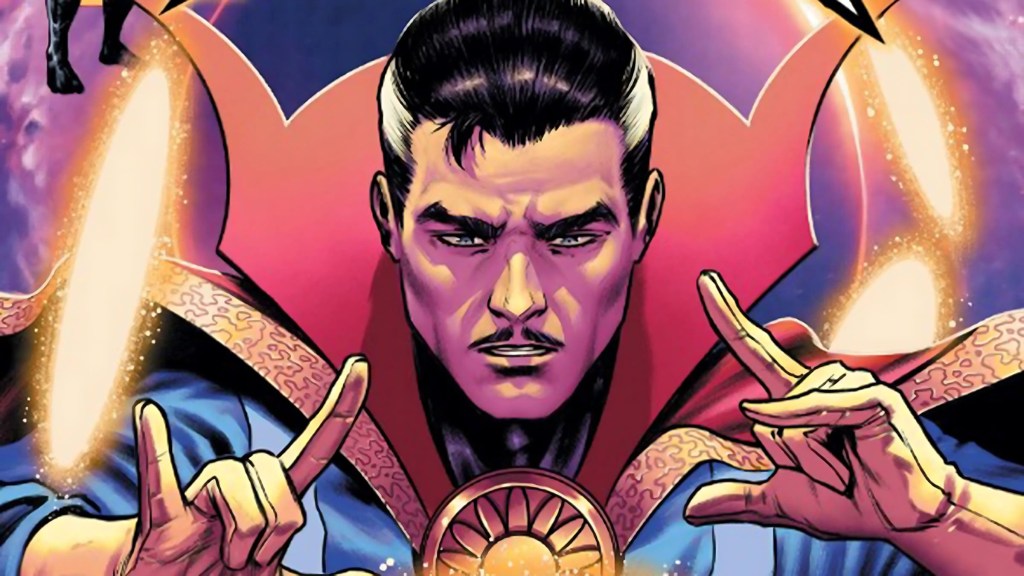
Doctor Strange used to be the Sorcerer Supreme of Earth-616, which essentially made him the planet’s magical protector from the dangers of the mystical dimension that wants to invade us. He’s been the leader of the Defenders more than once, and that was a famously difficult “non-team” that included egos like Hulk, Namor, and Silver Surfer, a group no one else could hold together for long. He was also one of the original members of the Illuminati alongside Xavier, Reed Richards, Stark, Namor, and Black Bolt, shaping global decisions.
Doctor Strange also proved himself to be a controversial leader in the same way as Professor X with the X-Men or Hank Pym with Avengers Academy when he created his own Strange Academy. His goal was to keep the kids with magical powers from discovering their full potential. However, on the good side, he also tried to protect them and hired some of the best magical heroes in the world to teach them how to get through life. Strange didn’t start his school with pure intentions, but he was a leader who helped these kids when they needed it.
9) Professor X

Charles Xavier founded the X-Men and built a multi-generational paramilitary academy before Cap ever took over as the leader of the Avengers full-time. He was a charter member of the Illuminati, where he represented mutant issues that the Avengers refused to get involved in. He also mentored just about every X-Men leader, from Cyclops to Storm to Kitty Pryde, and was the architect of several X-teams, including the original five, the New Mutants, and Generation X.
Then came Jonathan Hickman’s House of X and Powers of X, where Xavier engineered Krakoa, a sovereign mutant nation that Cap has never come close to attempting. Xavier’s telepathic command of a battlefield also allows for a near-wordless coordinated strategy no Avengers field leader can match. Professor X has flaws, of course, including the Onslaught incident and his habit of lying to his students, but his institutional legacy dwarfs anything Cap ever built.
8) The Wasp

Janet van Dyne was a founding Avenger, and she literally named the team in Avengers #1, which predates Cap joining the group. She also had the longest tenure as Avengers chairwoman during Roger Stern’s classic run, and that run is widely cited as the Avengers’ best era. This is also where she led the team through the “Under Siege” storyline, which ran from Avengers #273-277 and saw Baron Zemo and the Masters of Evil take Avengers Mansion. This was a defining leadership stress-test that the team only survived because Wasp kept her head and pulled together a counterstrike.
When Secret Invasion happened and Cap (Steve Rogers) was dead, Jan was one of the heroes who stepped up. Cap himself has praised Wasp as the best leader the Avengers has ever had, which is about as explicit a concession as anyone will hear from Rogers. She also blended morale-building, delegation, and calmness in combat in a way that many writers compare favorably with Cap’s more rigid style.
7) Carol Danvers
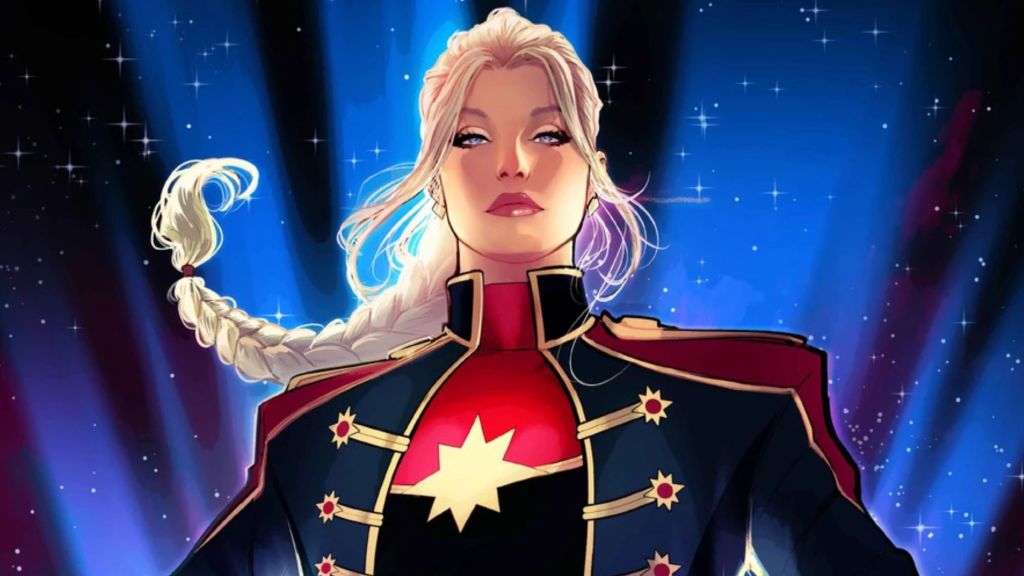
Carol Danvers has led the Mighty Avengers, the Alpha Flight Space Program, and the Ultimates during Al Ewing’s run, and those are cosmic-scale level teams, compared to Cap’s usual ground-level ops. She’s also been positioned as Cap’s second-in-command more than once in the modern era, and she’s served in a Captain America-equivalent role in various arcs. She’s a former United States Air Force officer and NASA’s security chief at Cape Canaveral, which means she’s actual military command training.
In Civil War II, Carol took the “predictive justice” side against Tony Stark, which was controversial but showed she’s willing to lead on policy and not just tactics. On the Alpha Flight Space Program, she commanded Earth’s first line of space defense. In Ewing’s Ultimates, she coordinated heavy hitters like Blue Marvel, Black Panther, Spectrum, and America Chavez against reality-ending threats like Galactus..
6) Reed Richards

Reed Richards has been the leader of the Fantastic Four since Marvel Comics started, and it’s Marvel’s oldest team, held together by Reed’s command. He was a founding Illuminati member, and planned covert decisions like exiling Hulk, which kicked off the “Planet Hulk” storyline. He also built the Future Foundation, which mentored child prodigies into a problem-solving think-tank, and that is pure institutional leadership in a way Cap never attempted.
During Hickman’s Avengers and New Avengers run, Reed led the Incursion response while Doctor Strange mind-wiped Cap to stop him from opposing the Illuminati. He then went even bigger in Secret Wars (2015), where Reed effectively rebuilt all of reality, a leadership feat no other Marvel hero has come close to matching. He also has a family-first command style, balancing husband, father, and team leader roles.

5) Storm
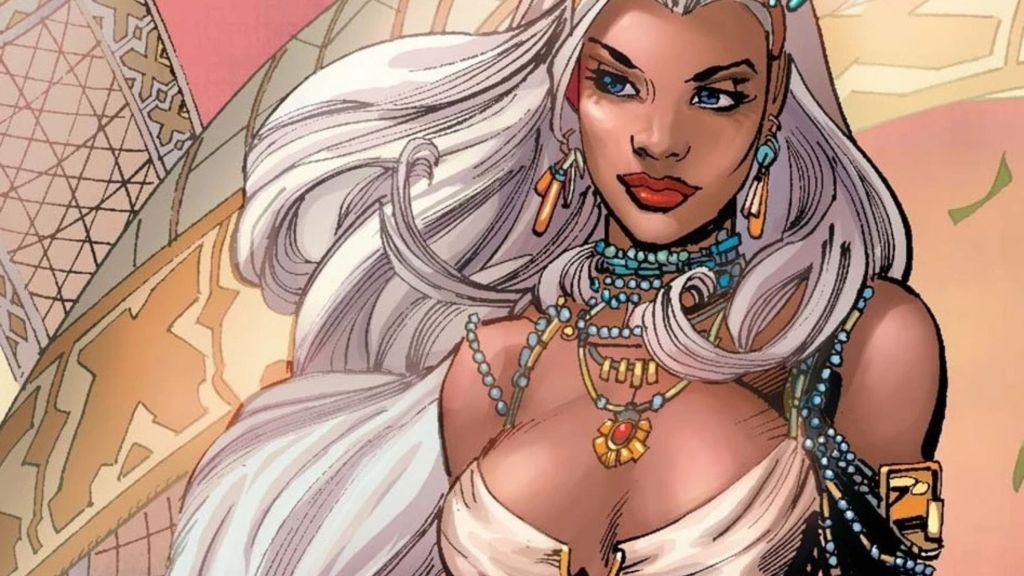
Ororo Munroe has been the leader of the X-Men multiple times, including the iconic Outback era and the post-Mutant Massacre reconstruction. In Uncanny X-Men #201, she even defeated Cyclops in ritual combat to earn leadership of the X-Men, and she did it while she was depowered, using nothing but tactics. That is a leadership win no Avengers leader has on their resume.
She was also the Queen of Wakanda during her marriage to T’Challa, which means she co-ran a sovereign nation on the global stage. Before all of that, she led the Morlocks after defeating Callisto, managing a traumatized underground community. On Krakoa, she served on the Quiet Council, represented mutants in cosmic affairs, and took on regency of Arakko. Chris Claremont repeatedly framed her leadership as emotionally intelligent in a way Cap’s chain-of-command style never has been.
4) Iron Man
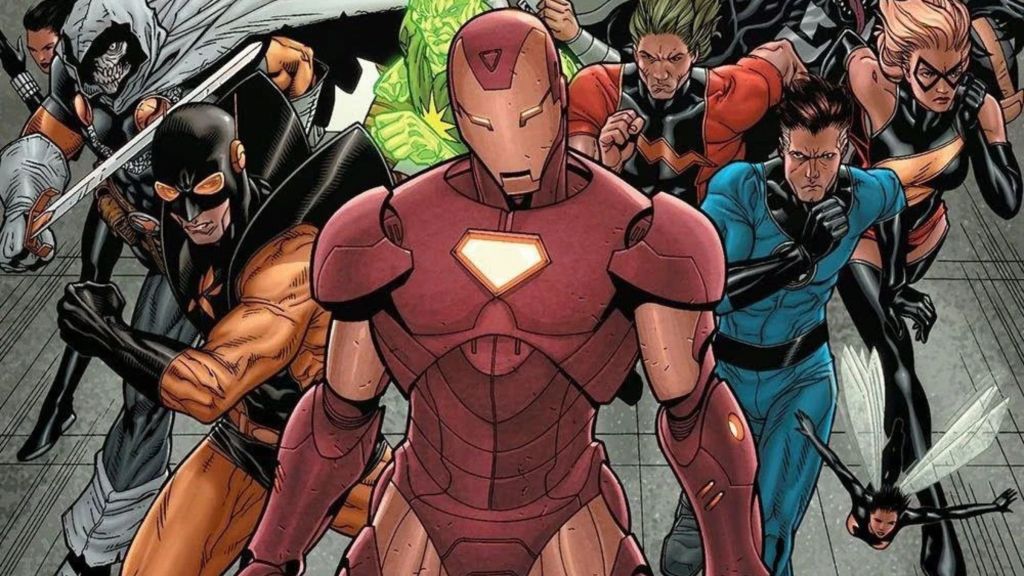
Tony Stark was the architect of the Superhuman Registration Act in “Civil War,” and Cap led the losing side in that one. Marvel’s history has largely vindicated Stark’s institutional vision, even if his methods left a lot to be desired. He’s been Avengers chairman multiple times, including the post-Disassembled New Avengers. Stark served as the Director of SHIELD during the Initiative era. He was also a founding member of the Illuminati, making the kind of global decisions Cap was deliberately shut out of by design.
Stark also ran the 50-State Initiative, which started superhero teams in every state. During Hickman’s Avengers, Tony co-led the Incursion crisis response, although Cap’s moral rigidity actively sabotaged the plan. Stark has real flaws, from alcoholism to the Civil War fallout, but he consistently takes on the leadership roles that Cap tends to avoid in favor of field command.
3) Nick Fury
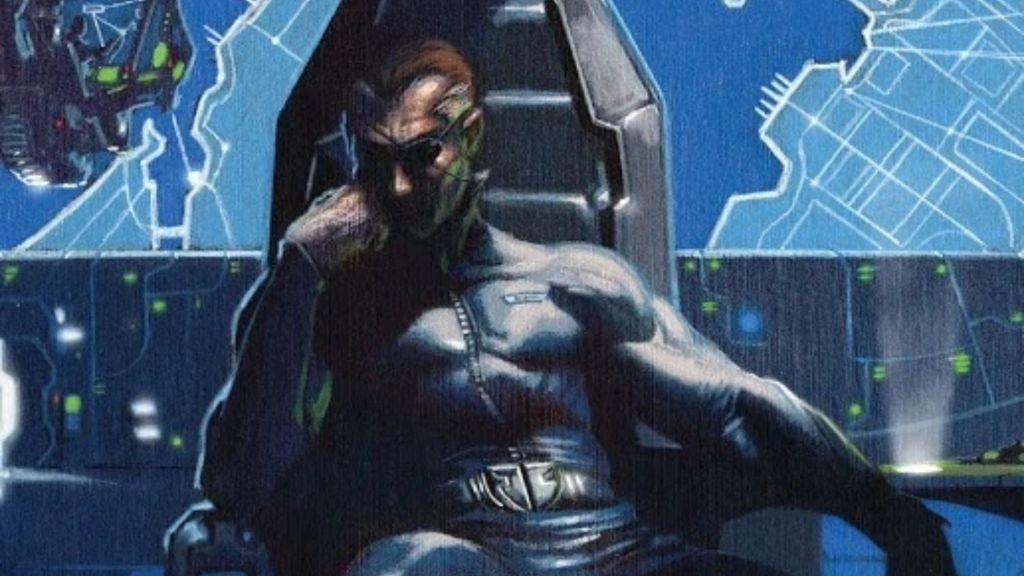
Nick Fury was the Director of SHIELD for decades, and SHIELD is the global superhuman intelligence agency that Cap answers to, not the other way around. He founded and led the Secret Warriors during Hickman’s run, and that was a covert cell that cleaned up the HYDRA infiltration Cap missed for years. Before that, he ran the Howling Commandos in World War II, and that was the unit that literally rescued Steve Rogers on more than one occasion.
Then came Original Sin in 2014, which revealed that Fury had been operating as “the Man on the Wall” for decades, serving as Earth’s secret cosmic-threat assassin without anyone noticing. He was also a masterful handler of unreliable assets, building careers for Black Widow, Hawkeye, and even Cap himself after the thaw. His leadership style is built on intelligence and long-game ops, and Cap’s approach would fail outright in the kind of situations Fury handled for decades.
2) Black Panther
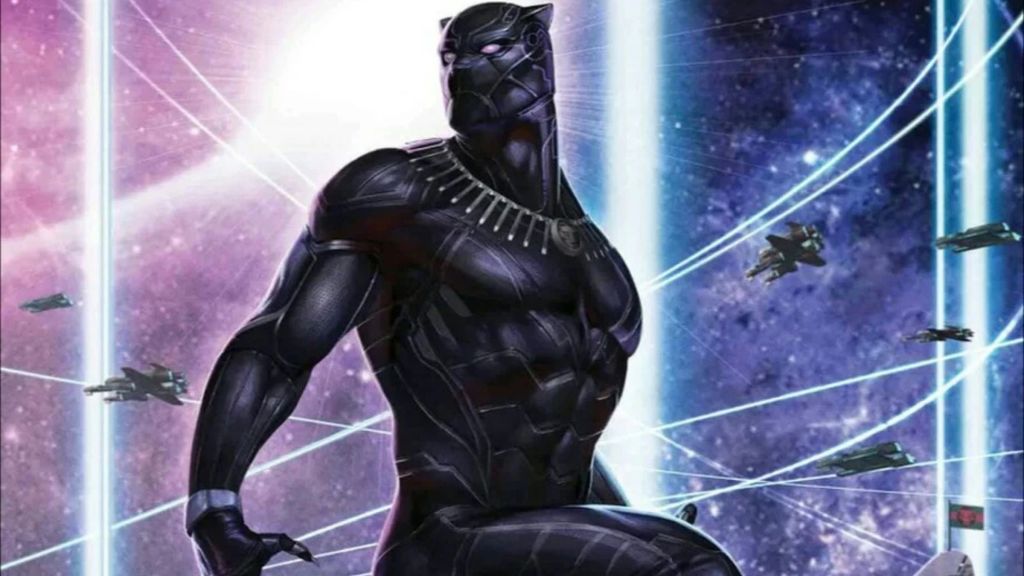
T’Challa is the King of Wakanda, which means he runs the most technologically advanced nation on Earth while also serving on multiple super-teams. He was chairman of the Avengers during Jason Aaron’s Avengers run (2018) and, before that, Jonathan Hickman’s New Avengers run (2013). He also co-led the Ultimates in Al Ewing’s run alongside Carol Danvers, tackling Galactus-tier cosmic threats.
T’Challa eventually joined the Illuminati, and he was one of the few people who consistently pushed back against Stark and Xavier when he thought they were wrong. In Hickman’s Time Runs Out arcs, T’Challa coordinated the endgame planning that Cap morally refused to accept. Ta-Nehisi Coates’ Black Panther run also framed him as a philosopher-king, balancing tradition, democracy, and superhero duty.
1) Cyclops

Scott Summers was handpicked by Xavier as the field leader of the original X-Men when he was a teenager, which gives him decades of command experience. He led the X-Men through the Mutant Massacre, Inferno, X-Tinction Agenda, Messiah Complex, and Second Coming, and those are crises compare well to anything the Avengers did in that decade. In Avengers vs. X-Men, Cap brought the Avengers to arrest Hope Summers, but Cyclops refused, starting a war between the Avengers and X-Men as they disagreed on the best way to save the planet.
Then House of X and Powers of X vindicated his “mutants face extinction” stance, and the “Cyclops Was Right” meme essentially became canon truth. He ran Utopia as a sovereign mutant state, and later co-led the Krakoa era’s X-Men team. Scott’s tactical reputation in the Marvel Universe is so high at this point that Wolverine, Storm, and even Magneto have followed his lead at different points.
What do you think? Leave a comment below and join the conversation now in the ComicBook Forum!
More Comics
-
Image Courtesy of DC Comics -
Image Courtesy of Marvel Comics -
Image Courtesy of Marvel -

Image Courtesy of Marvel Comics -
Image Courtesy of Marvel Comics -
Image Courtesy of Marvel Comics -
Image Courtesy of DC Comics