DC characters stand apart because they aren’t defined by powers or costumes but by what we don’t know about them. Some of them carry an energy that makes every appearance feel like a clue rather than a full story.
Videos by ComicBook.com
These characters live in ambiguity, and that makes them powerful. They aren’t fully good or evil, and that tension drives entire mythologies forward. Readers want answers — to know whether these beings are saviors, manipulators, or both — but part of their brilliance lies in never giving us that satisfaction.
10. Phantom Stranger
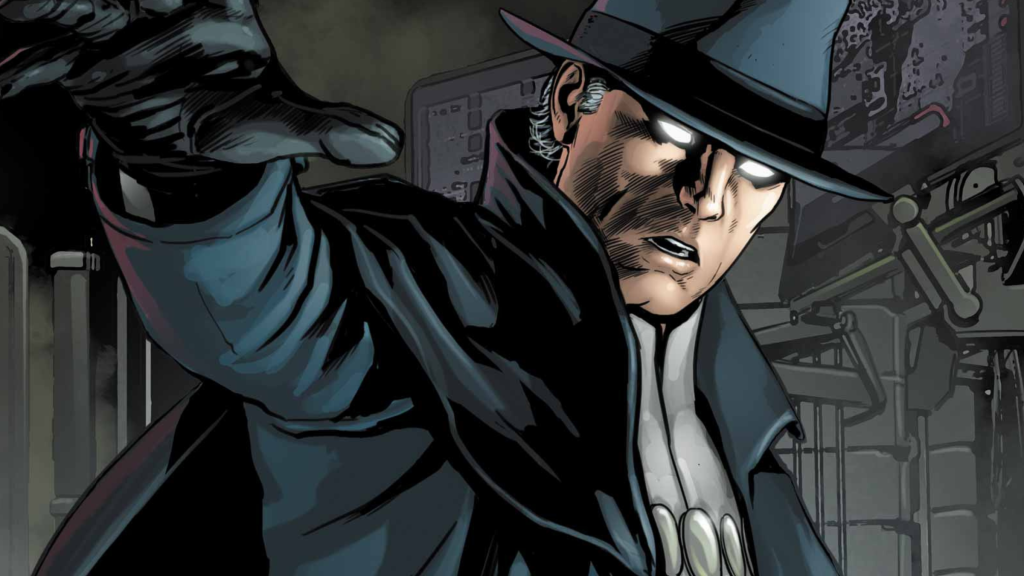
Few figures in DC lore evoke more unanswered questions than the Phantom Stranger. His true origin has never been definitively confirmed, though multiple tales paint him as everything from a fallen angel to a man spared divine punishment. The lack of clarity fuels speculation about his purpose and allegiance, as he effortlessly moves through cosmic and magical crises with knowledge no mortal — or god — seems to possess.
Every appearance feels like a glimpse into something ancient and unknowable. Even characters like The Spectre or Constantine treat him with wary respect, which says plenty. His calm detachment and cryptic guidance suggest he watches over events more as an eternal witness than a participant. The day DC finally decides to unveil his full past will reshape its entire metaphysical hierarchy.
9. The Question (Vic Sage)
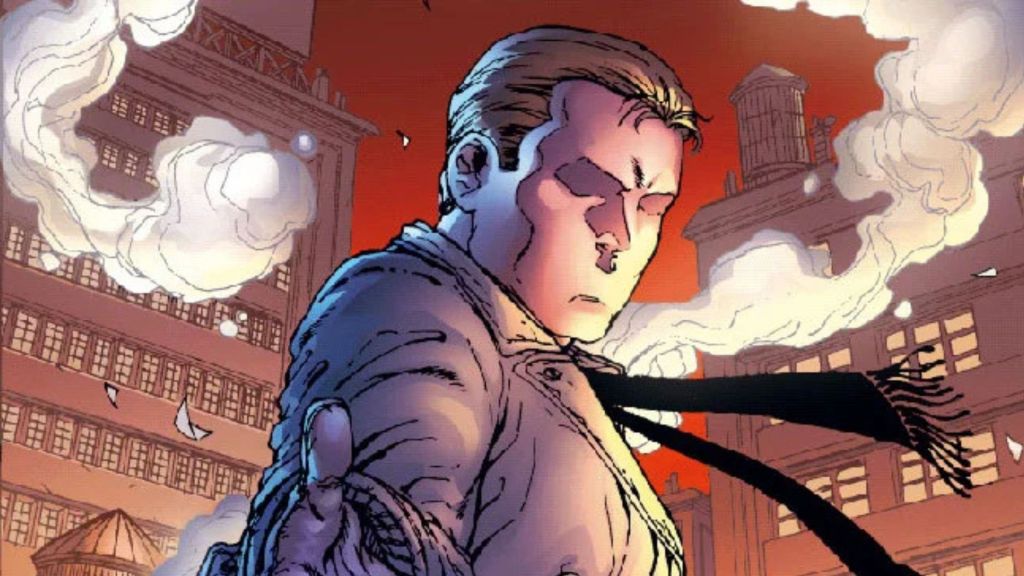
Vic Sage embodies the fine line between enlightenment and madness. His obsession with uncovering truth often pushes him into dangerous philosophical territory, especially as he wrestles with the idea that reality itself may be a web of conspiracies. His faceless visage mirrors his own existential crisis — a detective chasing reality’s ultimate answer.
Each story raises doubts about what drives him. Is it moral duty or an addiction to truth? In series like 52 and The Question: The Deaths of Vic Sage, writers have leaned into his mysticism and paranoia, turning him into more of a prophet than an investigator. His ultimate revelation may not be about the world’s mysteries but about his own fractured identity.
8. Pandora
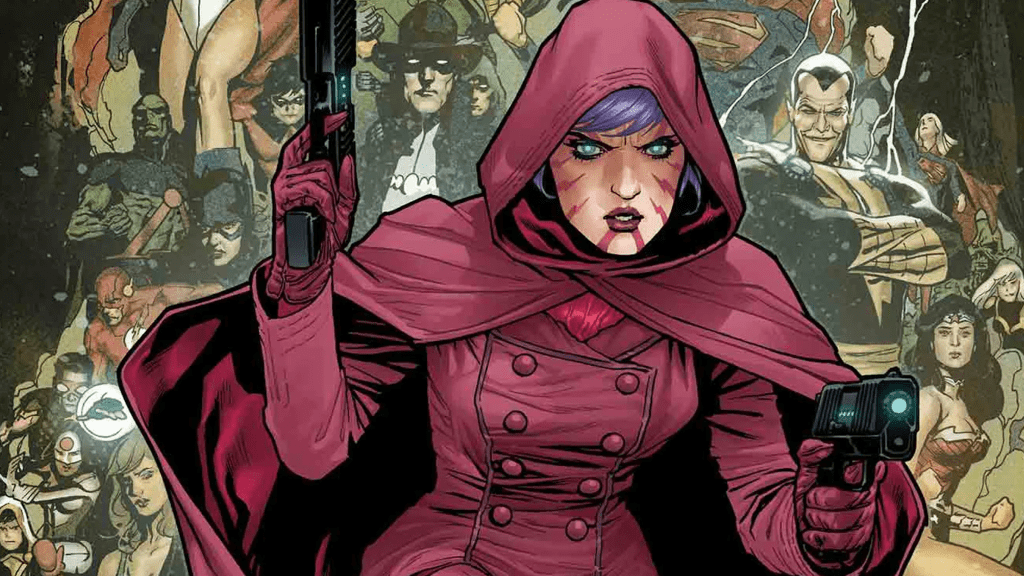
Pandora’s creation during The New 52 promised answers, yet gave us more confusion. Framed as one of the beings responsible for rebooting the DC Universe, she wandered across titles whispering hints of cosmic sin and forbidden knowledge. Her links to ancient myth and modern continuity make her an enigma whose purpose always feels just out of reach.
Even her demise in Trinity of Sin only stirred more questions. Was she truly a victim of divine punishment or a fragment of cosmic balance that needed to exist for the universe to function? Her presence suggests something deeper beneath DC’s reboots, as if each continuity shift hides a moral test yet to be understood.
7. The Batman Who Laughs
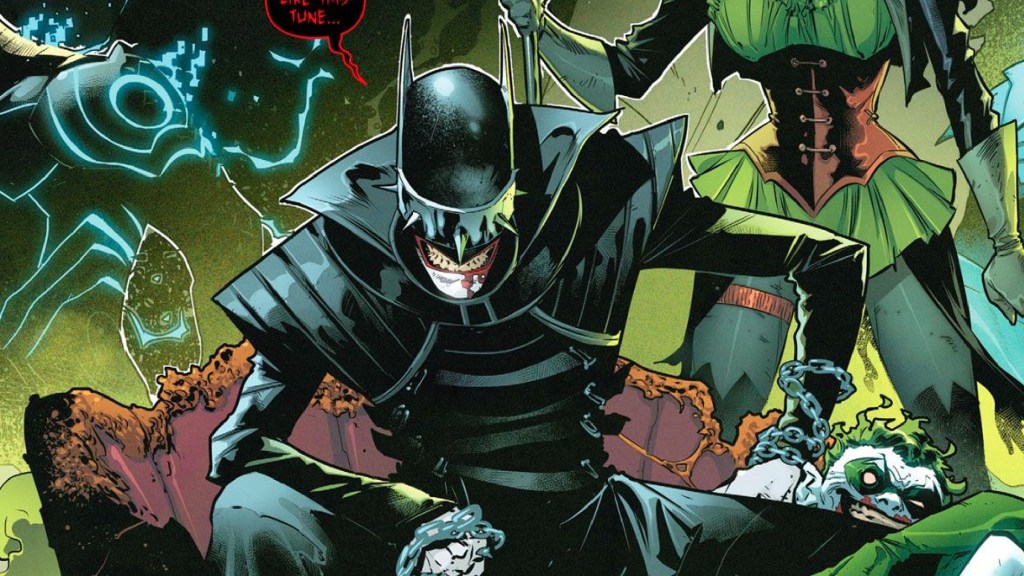
Born from Bruce Wayne’s corruption by Joker toxin, this nightmare fuses intelligence with insanity. Yet despite his apparent death, his consciousness lingers in ways that defy death and logic. His understanding of the multiverse — and his ability to twist it — hints that his origin may involve powers even he doesn’t grasp. His schemes often suggest he wasn’t solely the result of one dark event but part of a grander, multiversal infection. Some fans theorize he represents the purest essence of Gotham’s curse: the symbiosis of fear and control.
6. Vandal Savage
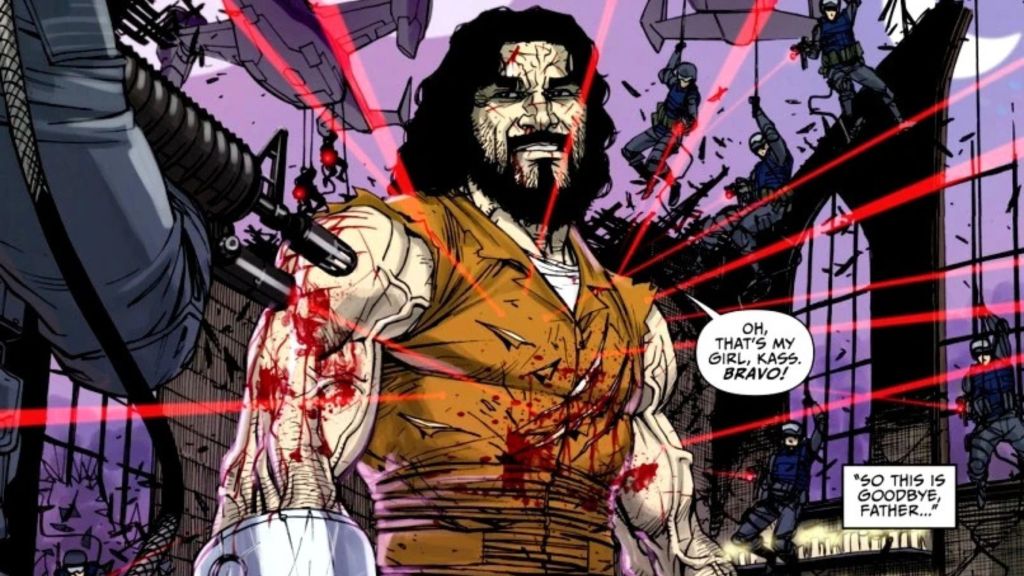
Immortal caveman, conqueror, and manipulator — Vandal’s life stretches across millennia, yet his true endgame is a complete mystery. For a man who has seen empires rise and fall, his motives fluctuate between arrogance and boredom. What could possibly drive someone who already owns eternity?
His technology and foresight often outmatch even the most brilliant heroes, suggesting knowledge of cosmic events far beyond human record. DC writers drop hints that he may predate human memory itself, perhaps connected to prehistoric entities like the Metaverse or the Source. The unanswered question remains: what happens when time’s oldest predator finally runs out of prey?
5. The Black Racer

As the personification of Death among the New Gods, the Black Racer is hauntingly elusive. Whenever he enters a panel, gods tremble and fate shifts. His dual identity — sometimes within human hosts like Sgt. Willie Walker — complicates the nature of his existence. Is he a cosmic role or a self-aware being bound by divine duty?
The Racer doesn’t kill for malice or judgment; he simply fulfills universal law. Yet each appearance seems to carry layers of cryptic symbolism, as though his actions reflect balance among realities. The mystery lies not in who he kills, but why DC’s pantheon allows him to roam unchecked — as if death itself enjoys autonomy.
4. The Presence
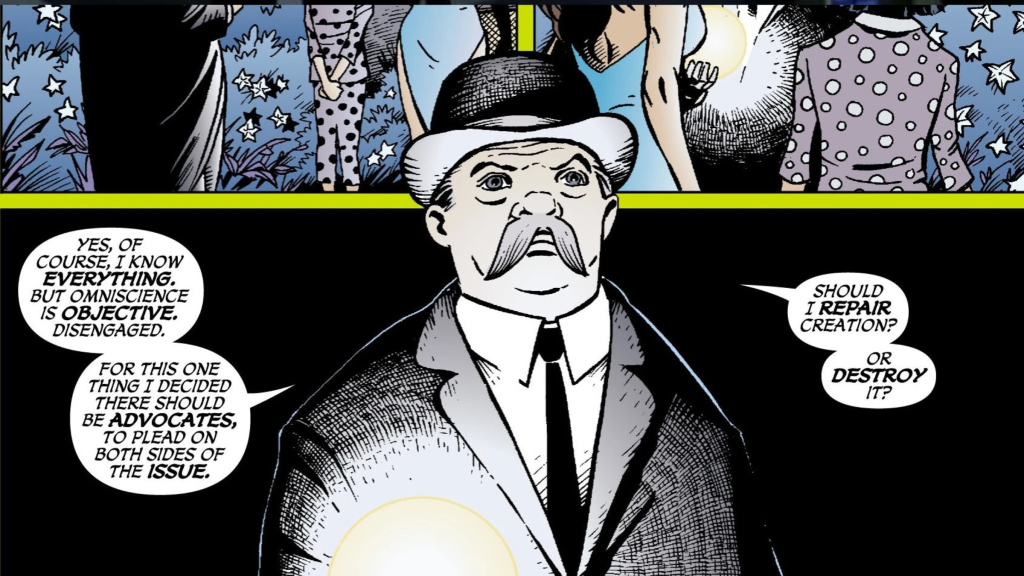
DC’s ultimate god remains a paradox. Known as the creator of all existence, he rarely interacts directly with mortals or even his most faithful servants like The Spectre. Yet his inconsistent depictions across different books — sometimes as a silent force, other times as a personal deity — make understanding him nearly impossible.
Even beings like Lucifer Morningstar and Michael Demiurgos operate under his ambiguous will. The Presence might care deeply about creation or treat it as a self-sustaining experiment. Comic after comic keeps readers questioning whether faith, fate, and free will in DC’s universe are illusions designed by a creator who values mystery over clarity.
3. Doctor Manhattan (Post-Watchmen DC)
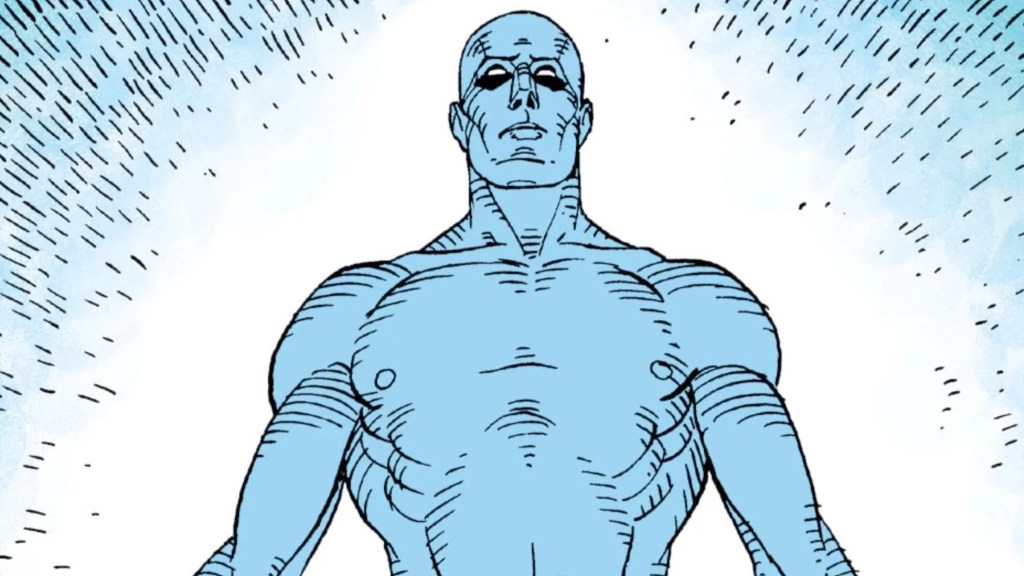
Ever since he stepped into DC continuity during Doomsday Clock, Doctor Manhattan has functioned less as a man and more as a narrative device — a living symbol of perception and consequence. His manipulation of timelines, especially his influence over Superman’s history, reframes him as both god and observer.
His supposed “departure” at the end of Doomsday Clock left more ambiguity than closure. Did he merge into the Source? Did he reshape reality into a loop? DC’s silence hints that his quantum awareness might still linger, watching over every continuity as an unseen narrator. The question remains: did Manhattan ever stop rewriting the story?
2. The Endless (especially Destiny and Delirium)
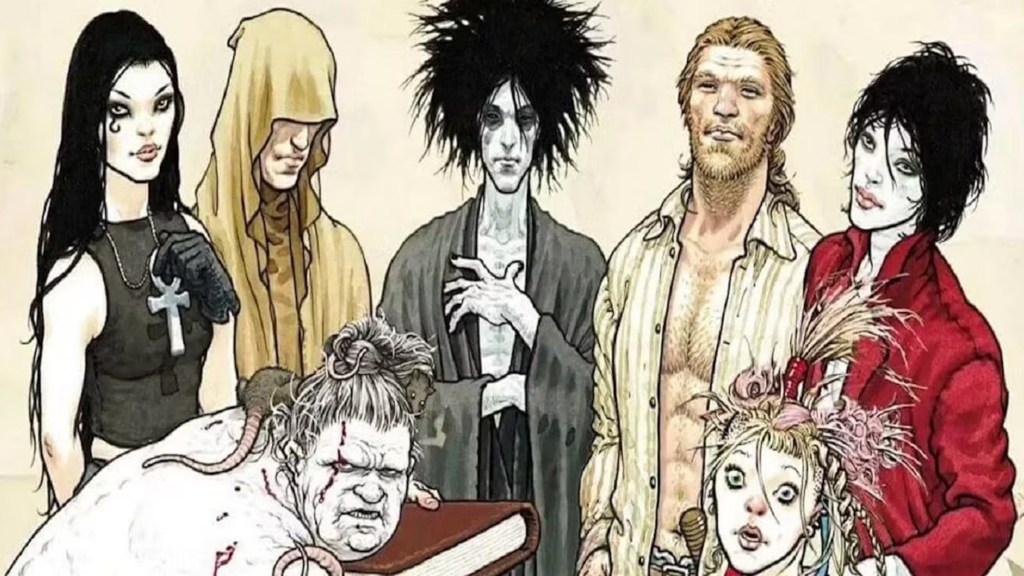
Neil Gaiman’s Endless embody existence itself, yet even within their own mythos, certain siblings defy comprehension. Destiny holds a book containing everything that ever happens, but whether he writes or simply reads it remains unclear. Delirium, meanwhile, speaks truths inverted through madness, often foreshadowing cosmic shifts across the multiverse.
Their power transcends traditional godhood, and their motives rarely align with comprehension. Each appearance in The Sandman or crossover events subtly recontextualizes DC’s cosmology. The unanswered question is terrifyingly simple: if they know how everything ends, why do they allow anything to continue?
1. The Great Darkness
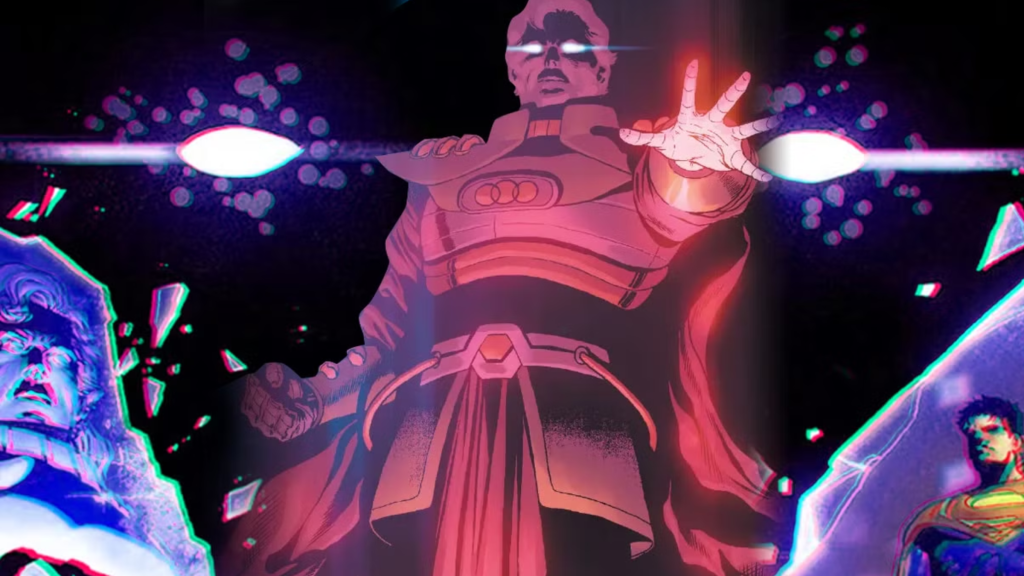
At the top of DC’s hierarchy sits the Great Darkness — a primordial force older than creation itself. Its reemergence in Dark Crisis on Infinite Earths confirmed its vast influence, shaping evil across time, even beyond gods. Unlike simple villainy, the Darkness represents entropy disguised as consciousness.
Yet the truth of what it is remains deliberately vague. Some suggest it’s the counterpoint to the Presence, others view it as the universe’s unconscious mind. Its whispers can corrupt even divine beings, suggesting that evil might not be opposition to light but its inevitable reflection. The Great Darkness remains DC’s most haunting riddle — one existence-wide question without a satisfying answer.
What do you think? Leave a comment below and join the conversation now in the ComicBook Forum!
Most Viewed
-
Image Courtesy of Netflix -
Image courtesy of Warner Bros. Pictures -

Image Courtesy of Ufotable -

image courtesy of Studio Ghibli