
Spider-Man has forgotten powers that mostly expanded during J. Michael Straczynski’s run on the comics, and when he left, editorial wiped away most of the changes and hoped no one would notice. Spider-Man has always had a basic power set since his introduction, which includes enhanced strength, durability, wall-crawling, and his spider-sense. However, over the years, his biology has expanded beyond his original powers. While he received several power ups in classic Spider-Man issues, things really exploded in the Spider-Totem storyline and “The Other.” There were many ways for Marvel to erase these powers, including “Brand New Day,” although some writers cherry-picked some powers to stay and used them randomly, and others forgot they existed at all.
Videos by ComicBook.com
There are five powers that are canon for Spider-Man, and they are almost never referenced today in comics, although one might pop up now and again thanks to a specific writer’s narrative needs.
5) Organic Stingers

Spider-Man’s organic stingers first popped up during “The Other: Evolve or Die” crossover in 2005. This ran from Amazing Spider-Man #525-528, Friendly Neighborhood Spider-Man #1-4, and Marvel Knights Spider-Man #19-22. It was Peter David, Reginald Hudlin, and J. Michael Straczynski who wrote this crossover, and in it, Morlun ripped out Spider-Man’s eye and the hero died in the hospital from his injuries.
However, Peter Parker came back from the dead, reborn from a spider-husk chrysalis. He also had a new power, which were organic stingers that contained venom, a power which parallels a real spider’s fangs biting someone. Marvel brought them back occasionally, such as in the Secret Wars tie-in when he used them against Titanium Man, but after “One More Day,” they disappeared.
4) Radiation Resistance
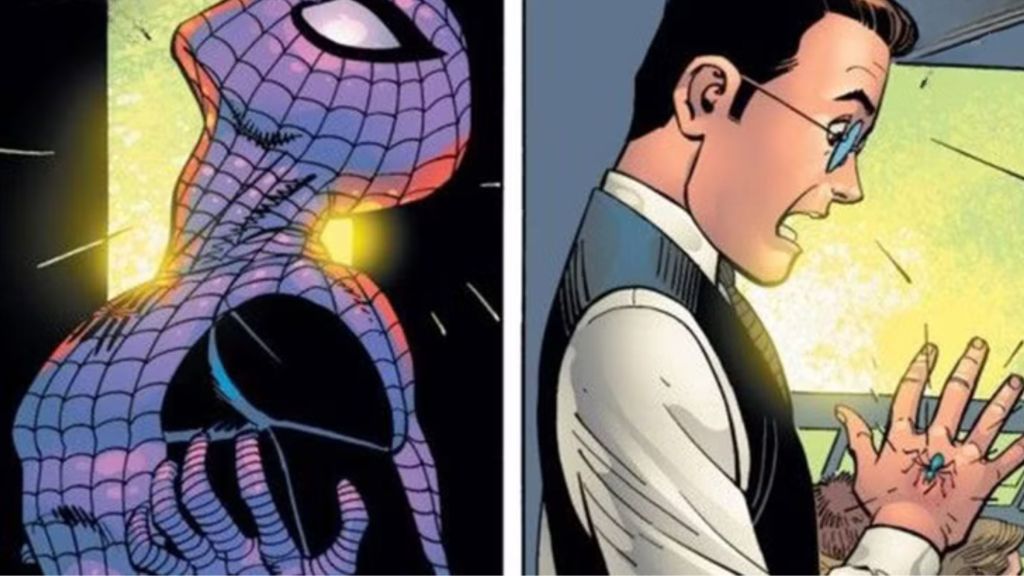
The first time that Marvel Comics hinted that Spider-Man had resistance to radiation was in Amazing Spider-Man #238 during Hobgoblin’s first appearance in 1983, and then the original Official Handbook of the Marvel Universe comics said he had a “high resistance to radiation” in the Spider-Man writeup. The reason for this is because Peter Parker was bitten by a radioactive spider, and a side effect was giving him a far higher tolerance than normal people.
There was also a reference in Spider-Island, where it was said his resistance to radiation is why the virus mutated him differently than everyone in New York City. This last played into a storyline in a big way in The Amazing Spider-Man #30 when Spider-Man fought Morlun. He realized Morlun needed to feed on him, so Peter dosed himself with radiation, knowing it wouldn’t hurt him, but it was poison to Morlun.
3) Daredevil-Level Powers of Seeing in the Dark

Spider-Man’s spider-sense isn’t just a power that warns him of danger. It also helps him sense when things are around him. This was introduced in Amazing Spider-Man Vol. 2 #30 (2001) by J. Michael Straczynski and John Romita Jr. In this issue, Ezekiel Sims first visits Peter Parker, and the comic book compares Spider-Man’s ability to see in low light to Daredevil’s radar sense.
While this is a part of his spider-sense, Straczynski labeled it as part of the Spider-Totem heritage as he built out that storyline. Spider-Man then used this again when he fought Morlun, and tracked his enemy in total blackness. In 2007, the updated All-New Official Handbook of the Marvel Universe revealed he could see in near-total darkness and had expanded peripheral vision. No one uses this anymore, and Nick Spencer had him use web-tracers and tech rather than this unique power.
2) Spider-Sense Suppression
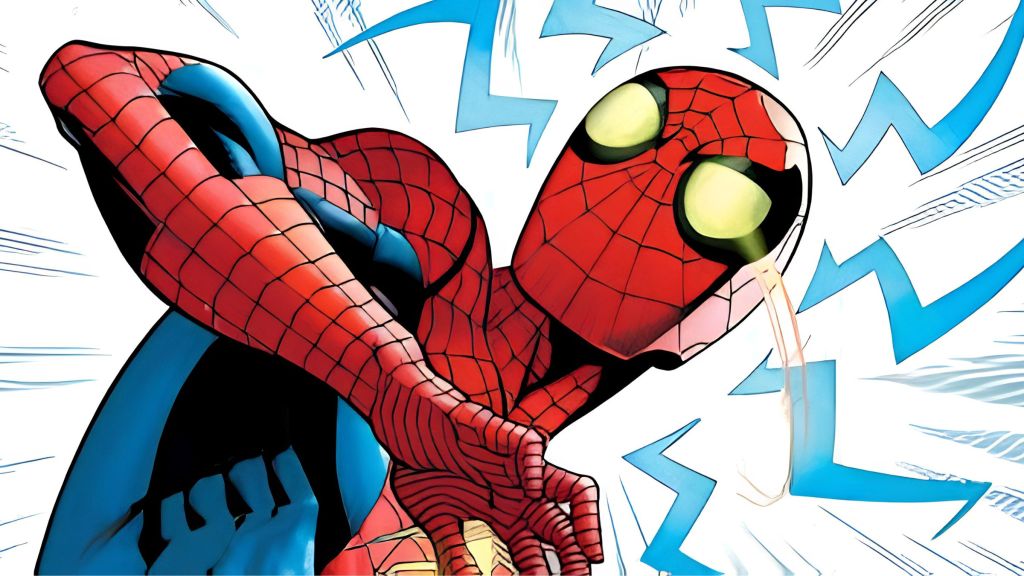
There is also the fact that Spider-Man’s spider-sense has hindered him at times. There have been many moments where he is taken out of a fight because his spider-sense just explodes and leaves him disoriented with migraine-level headaches. However, this shouldn’t be possible because he can consciously dampen his spider-sense when he needs to.
Spider-Man used this for the first time in 1981 in Amazing Spider-Man #216 by Denny O’Neil and John Romita Jr. In that book, Spider-Man dampened it to allow him to fight through a crowd. In Spectacular Spider-Man #107 in 1985, he did it again after the Sin-Eater storyline ended. In modern-day Spider-Man comics, most creative teams ignore this completely, making his spider-sense automatic and binary.
1) Accelerated Healing Factor
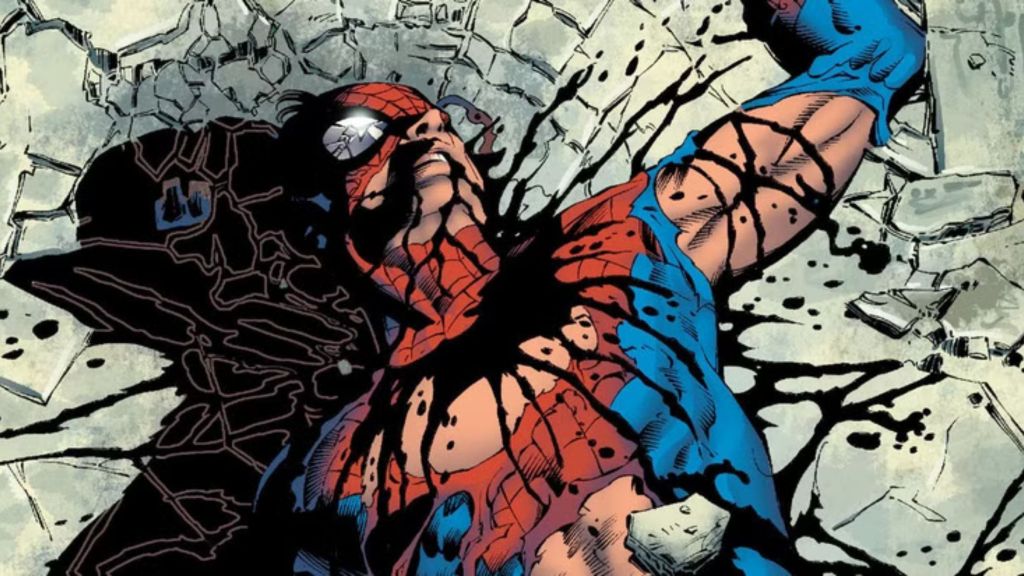
Another J. Michael Straczynski power that is often forgotten about is Spider-Man’s accelerated healing factor. This was shown in Amazing Spider-Man Vol. 2 #30 when Ezekiel Sims explains that Peter heals faster than normal humans, explaining his “quick recoveries.” In “The Other,” it became almost Wolverine-level when Morlun ripped out Spider-Man’s eye and he died in the hospital before he revived after his chrysalis rebirth and his eye had healed.
There were also Official Handbook entries that listed regenerative healing factor as one of Spider-Man’s powers. This dates back to 1971 in Amazing Spider-Man #100, where Spider-Man grew the extra arms, which ripped through his body. However, when the arms went back, his body immediately healed up the holes ripped in his body completely overnight. Since “One More Day,” writers mostly ignore this as Spider-Man is seen limping for weeks and he doesn’t seem to heal any faster than normal heroes.
What do you think? Leave a comment below and join the conversation now in the ComicBook Forum!
More Comics
-
Image Courtesy of DC Comics -
Image Courtesy of DC Comics -
Image Courtesy of DC Comics -
Image Courtesy of Marvel Comics -
Image Courtesy of DC Comics -
Image Courtesy of DC Comics -
Image Courtesy of DC Comics -
Image Courtesy of Marvel Comics
