
When most people pick up a comic book, they expect to read larger-than-life and fantastical stories involving superheroes, magic, and space battles. And while these types of stories certainly lend themselves to the comic medium, other creators have used it to portray real events. From autobiographies to depictions of historical events, there have been plenty of groundbreaking comics that are based on true stories. These stories can involve everything from people suffering from personal issues to massive world-changing events that impacted countless generations across the globe. These incredible comics tell tales of hope, tragedy, life, and death, drawn straight from the pages of history.
Videos by ComicBook.com
Comics are a medium writers can use to exaggerate or represent real historical events through a visual narrative. The comics listed can range from a by-the-numbers recounting of true events to lose adaptations with many historical inaccuracies.
7) They Called Us Enemy
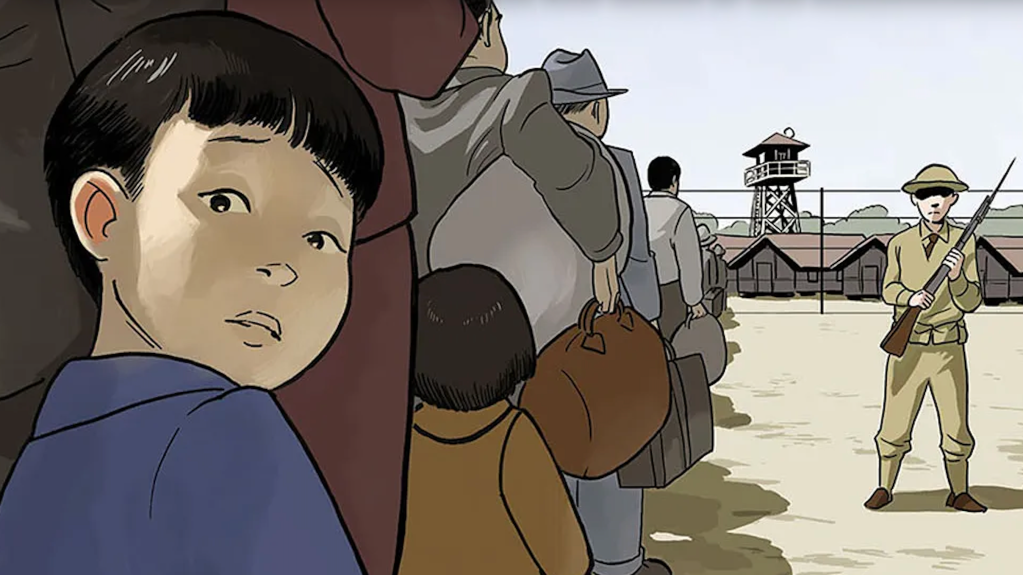
Today, actor and writer George Takai is an icon for playing Mr. Sulu in the original Star Trek series and being a prominent member of the LGBTQ+ community. However, They Called Us Enemy tells the story of Takai’s life beforehand, when he was a child who, along with 100,000 other Japanese-Americans, was put into an internment camp during World War II out of fear of them being spies. The story shows what it was like for Takai growing up behind barbed wire and in fear of the soldiers who were systematically detaining and oppressing his family and thousands of innocent people. They Called Us Enemy is an unflinching and powerful look into a part of American history that many people would rather forget.
6) It’s a Bird…
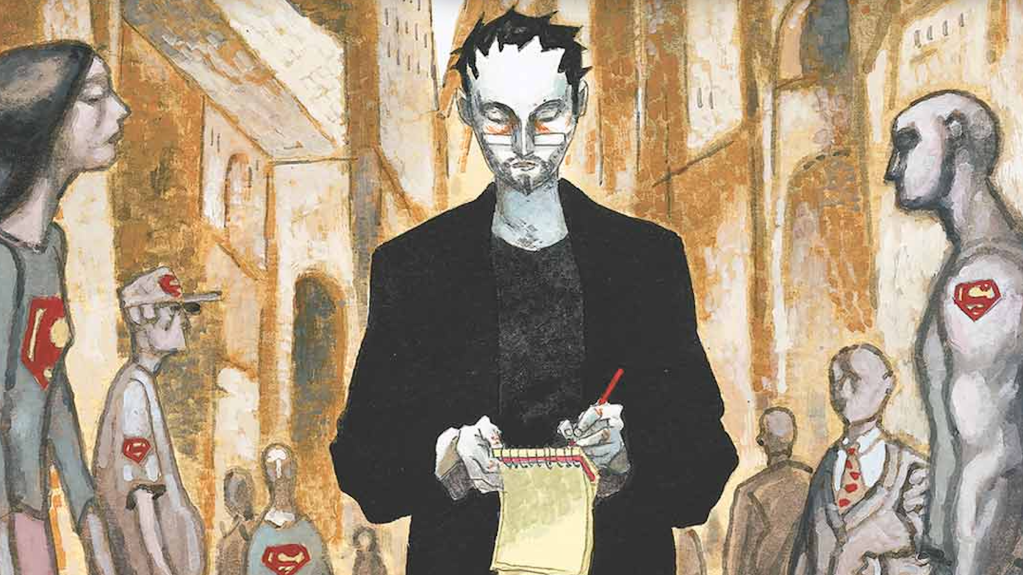
For many people, the chance to write for DC Comics and bring Superman to life is a dream come true. However, when Steven T. Seagle was made the head writer for the Superman comic series, he found himself struggling to live up to the Man of Steel’s legacy. It’s a Bird… is Seagle’s semi-autobiographical comic on the anxiety and pressure he dealt with when DC allowed him to write about Superman. Additionally, Steven had to struggle with his inability to relate to Superman because of his own crippling fears of death. It’s a deeply emotional and personal story that not only masterfully tackles themes of mental health, but also how fictional characters like Superman can spread important messages through their stories to help real people.
5) March
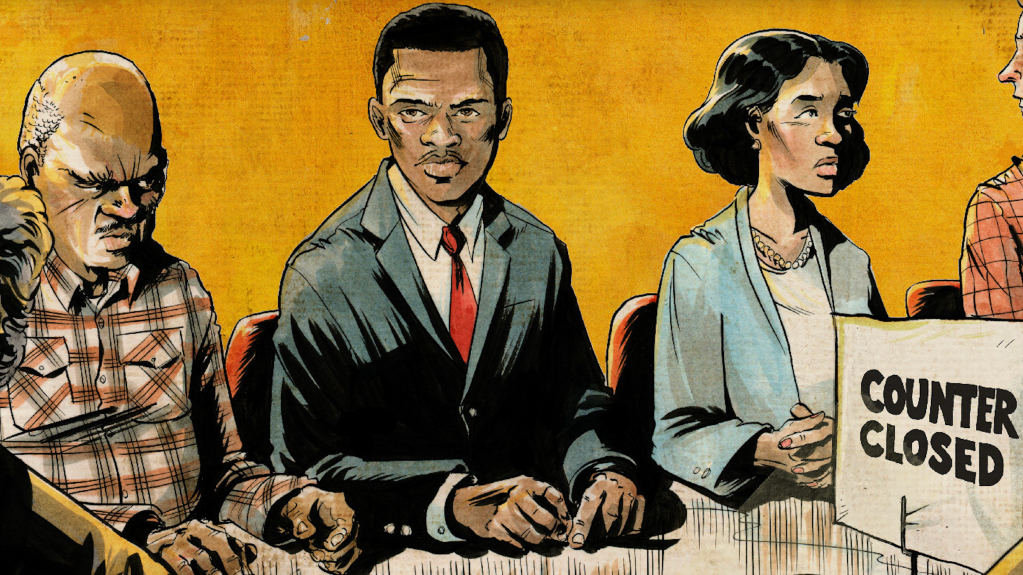
America has a long history of people fighting for equality, and the March trilogy comic series tells the story of those who fought on the front lines during the Civil Rights Movement. March is an autobiography of U.S. Congressman John Lewis written with the collaboration of Andrew Aydin that recounts Lewis’ time in the Civil Rights Movement during the 1960s. The comic format is especially important in March’s narrative because Lewis was motivated to join the fight for equality after reading the words of Martin Luther King Jr. in a comic book. It’s an inspiring yet dark series that shows the pain and loss countless black people endured in their struggle for Civil Rights.

4) 300
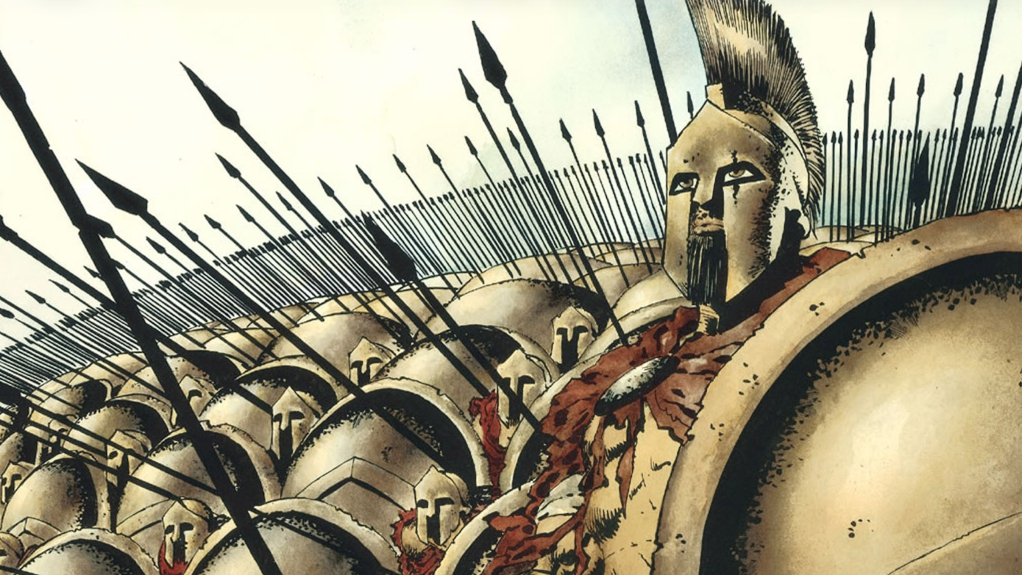
Created by Frank Miller under Dark Horse Comics, 300 is arguably the most well-known comic loosely based on real historical events. The event in question was the Battle of Thermopylae in 480 BCE, when 300 Spartans, led by King Leonidas, held the front line against thousands of Persian soldiers advancing on Greece. 300 is far from historically accurate, as the Spartans are portrayed as freedom-loving warriors who didn’t wear armor. Still, what it does present correctly is the brutality of Spartan culture and how the 300 Spartans’ sacrifice became mythologized and idolized over the centuries. 300 shows how the line between fact and legend can become blurry as real-life events are passed down through generations of storytellers.
3) From Hell
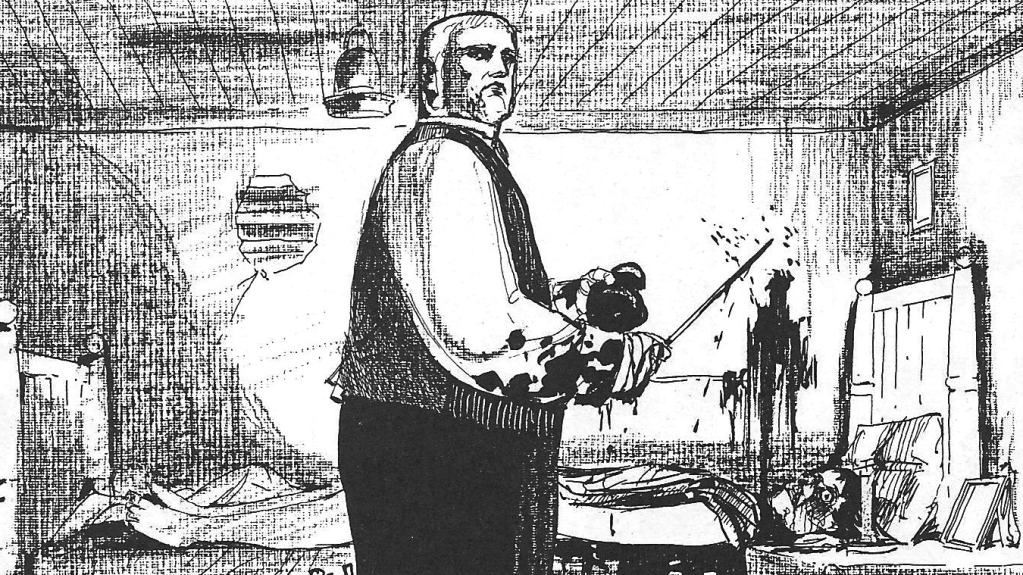
One of Alan Moore’s greatest works, From Hell, is a terrifying recounting of history’s most infamous and elusive serial killer: Jack the Ripper. The comic is told from multiple perspectives, including those of the Ripper’s victims and Inspector Frederick Abberline. From Hell even uses the perspective of Jack the Ripper himself, who Moore posits was the royal surgeon and Freemason Sir William Gull. Since the real Jack the Ripper’s identity is unknown, From Hell mixes viable historical accounts with common theories surrounding the killings, including the idea that it was a Royal/Masonic conspiracy. While many of these ideas have been disproven, there’s still enough truth sprinkled into From Hell to teleport the reader back to 1888 and experience what London was like when a monster lurked in its alleyways.
2) Persepolis
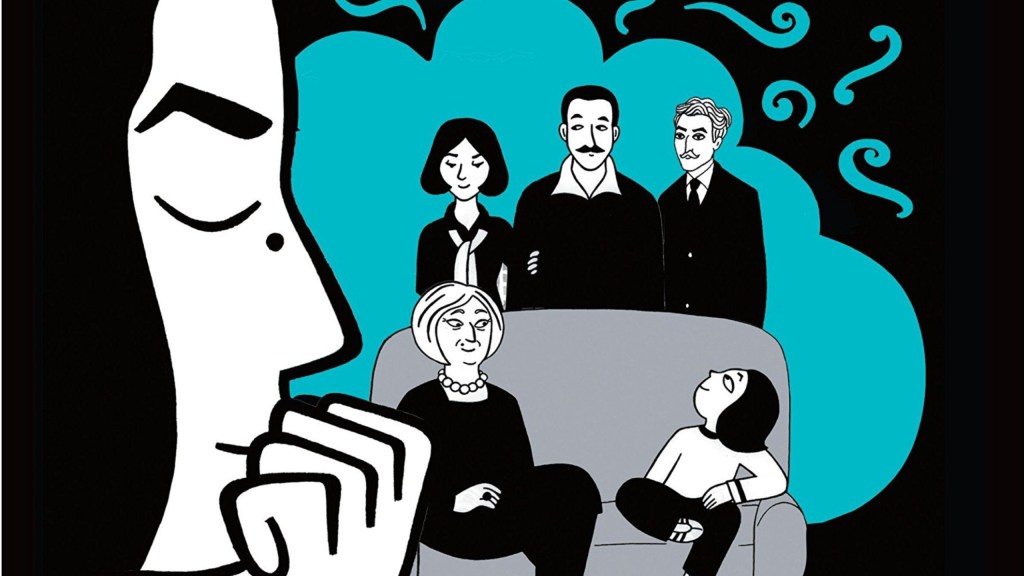
A two-volume graphic novel by Marjane Satrapi, Persepolis is an autobiography that chronicles her childhood in Iran during the 1980s and the Islamic Revolution. The story then covers Satrapi’s teenage years, when she moved to a boarding house and attended high school in Vienna, Austria. Persepolis is a powerful and personal story that tackles everything from living in an oppressive, war-torn nation to feeling an overwhelming sense of culture shock and isolation upon immigrating to a new country. Overall, Persepolis is a compelling and visually impactful story about Satrapi’s journey to self-discovery that sheds light on a part of world history that’s oftentimes overlooked.
1) Maus
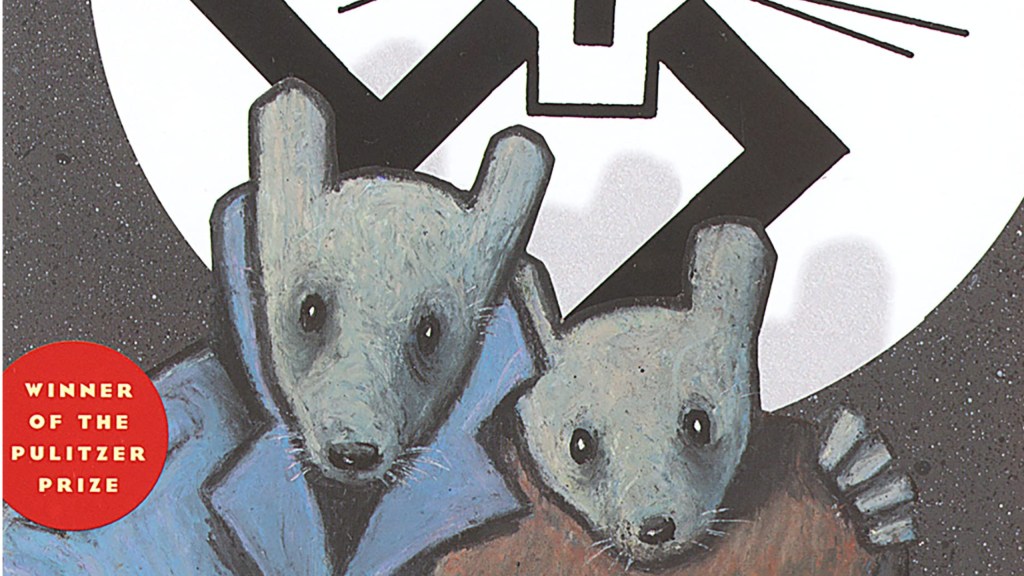
What at first looks to be a simple comic about anthropomorphic mice is, in truth, one of the most visceral and important stories ever told about the victims of the Holocaust. Written by Art Spiegelman, Maus tells the story of Spiegelman’s father, who was one of millions of Jews sent to concentration camps by the Nazis. The comic has the Jews portrayed as mice while cats represent the Nazis. Even with these cartoonish representations, Maus doesn’t sugarcoat anything as it shows the atrocities committed by the Nazis on the Jewish people. The story also shows the resolve of the Jewish people even during the darkest time in human history. Maus is a masterpiece that everyone should read to understand the horrors of the Holocaust.
What do you think? Leave a Comment below and join the conversation in the ComicBook Forum!
More Comics
-

Image Courtesy of Image Comics -
Image Courtesy of Marvel Comics -

Image Courtesy of DC Comics -
Image Courtesy of Marvel Comics -
Image Courtesy of Marvel Comics

![Star Trek: The Last Starship Reaches Its Final Frontier Today (And Its Creators Have a Message for Fans) [EXCLUSIVE]](https://comicbook.com/wp-content/uploads/sites/4/2026/10/last-starship-exclusive.jpg?w=300)
