Spider-Man made his debut in Amazing Fantasy #15 in 1962, from the creative team of Stan Lee and artist Steve Ditko. Since that time, Spider-Man has appeared consistently over the last 60-plus years, often in multiple titles a month, and countless artists have drawn his stories, often with wildly different designs along the way. However, the best artists can keep Spider-Man looking like most fans remember, with only minor changes. The best of these are not only great at drawing Spider-Man as a character, but are also masters at scene composition, creating panels and pages that go down in history as the best Marvel has produced.
Videos by ComicBook.com
From the man who helped create Spider-Man to the artists who helped make him an icon, here are the best Spider-Man artists in Marvel Comics history.
7) Todd McFarlane
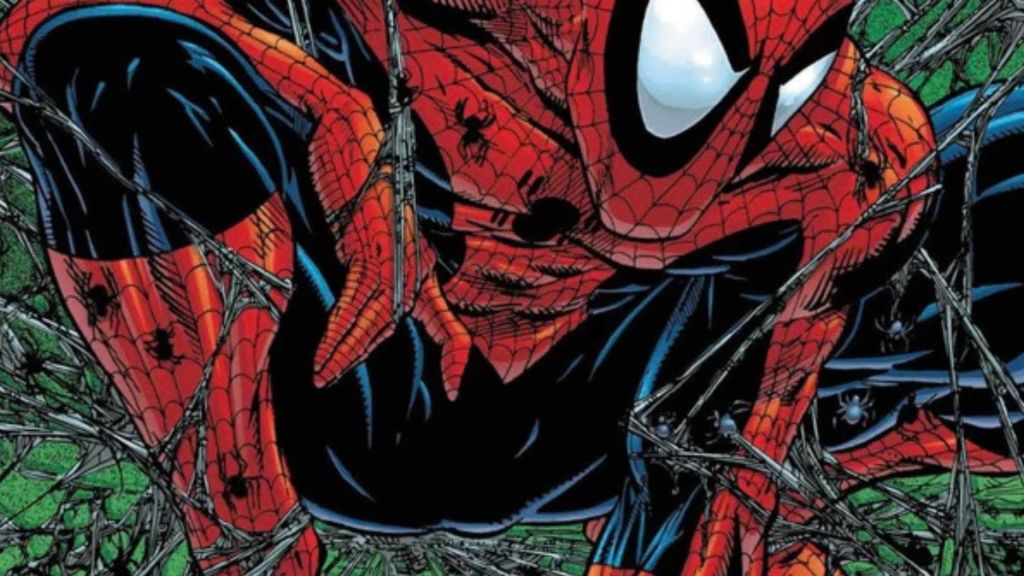
Todd McFarlane was a massive part of Spider-Man history. The artist joined Marvel Comics in 1984 when he was 23 to write a backup story in Coyote #11. After two years of working for Marvel and DC, he finally got a job on Spider-Man, beginning with The Amazing Spider-Man #298. McFarlane gained quick attention for making Spider-Man’s eyes bigger and making his webbing more intricately drawn.
McFarlane quickly became a fan favorite, and he made his name in Marvel history when he co-created Eddie Brock and Venom, bringing the symbiotes to Marvel Comics. He left the title after issue #328 and got his own title, Spider-Man, in 1990, where he worked as the writer and artist. After wrapping up his time on that title after 16 issues, McFarlane left Marvel to help co-found Image Comics, where he created Spawn.
6) Ross Andru
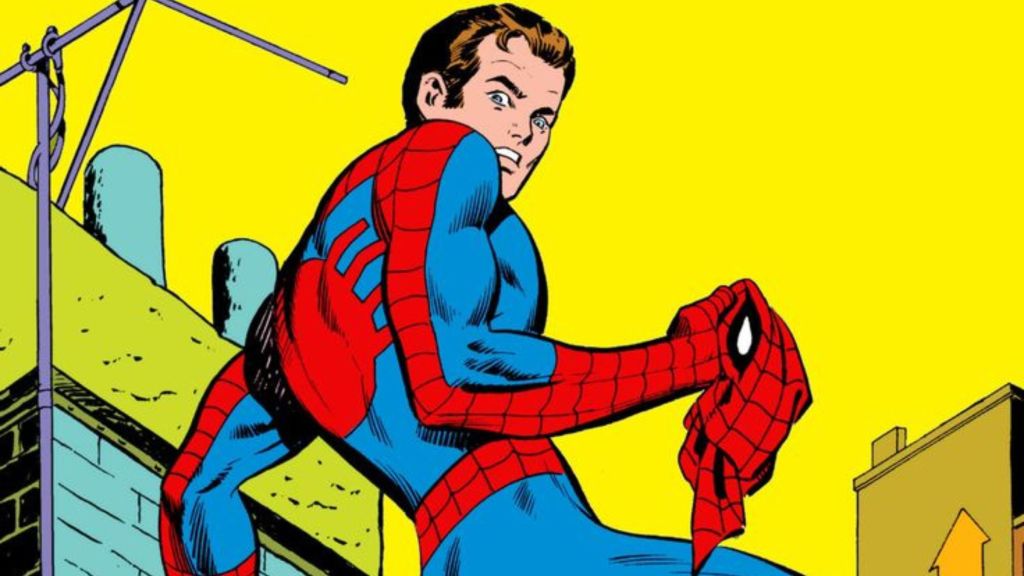
For fans of a certain age, Ross Andru drew the Peter Parker that many people know and love. He is also the man who drew the issue that introduced the world to the Punisher, which already makes him a legend in the industry. Andru worked in the comic book industry for over six decades, and his contributions to Spider-Man were immense.
He started with short runs on Marvel Team-Up before beginning his five-year stint on The Amazing Spider-Man at a time when it was Marvel’s best-selling comic book. He also worked on the first major crossover comic, Superman vs. The Amazing Spider-Man, in 1976. In all, Andru worked on Spider-Man comics from 1972 through 1978, with 51 issues of Amazing Spider-Man to his name.
5) Erik Larsen
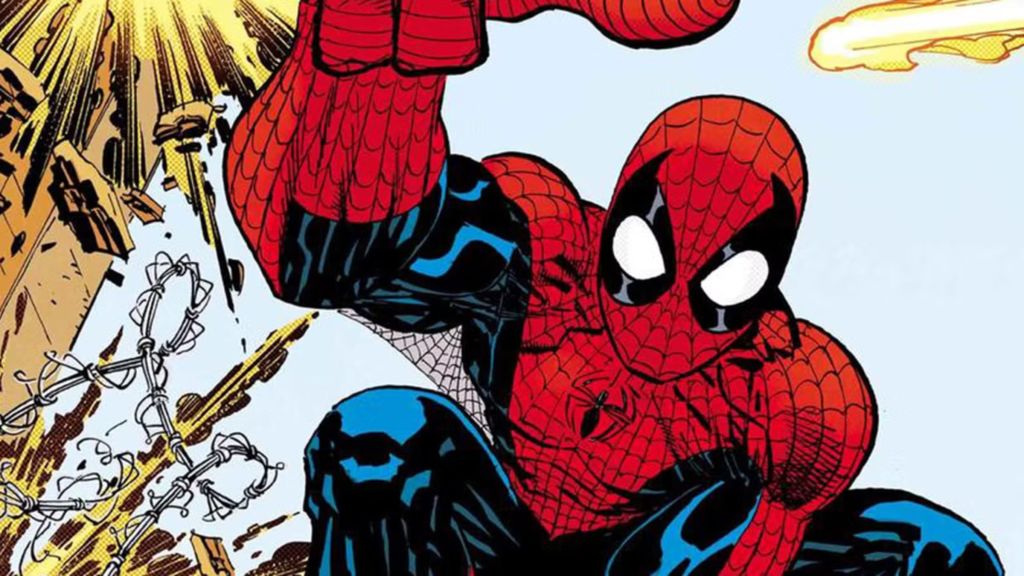
Erik Larsen was one of the artists who helped co-found Image Comics alongside Todd McFarlane and Rob Liefeld. Ironically, it was also Larsen who took over drawing The Amazing Spider-Man when McFarlane stepped away to start working on a different series. Larsen worked on Spider-Man comics from issue 329 until issue 350 (he had also worked on a few issues before this), and he also replaced McFarlane on Spider-Man with issue #18.
Larsen’s work went a long way to displaying Venom in the manner he became best known for, improving the symbiotic antihero from what McFarlane had already created. Larsen left Marvel to help co-found Image Comics, and he remains best known for his series Savage Dragon, which he created before ever working for Marvel Comics.
4) John Romita, Sr.
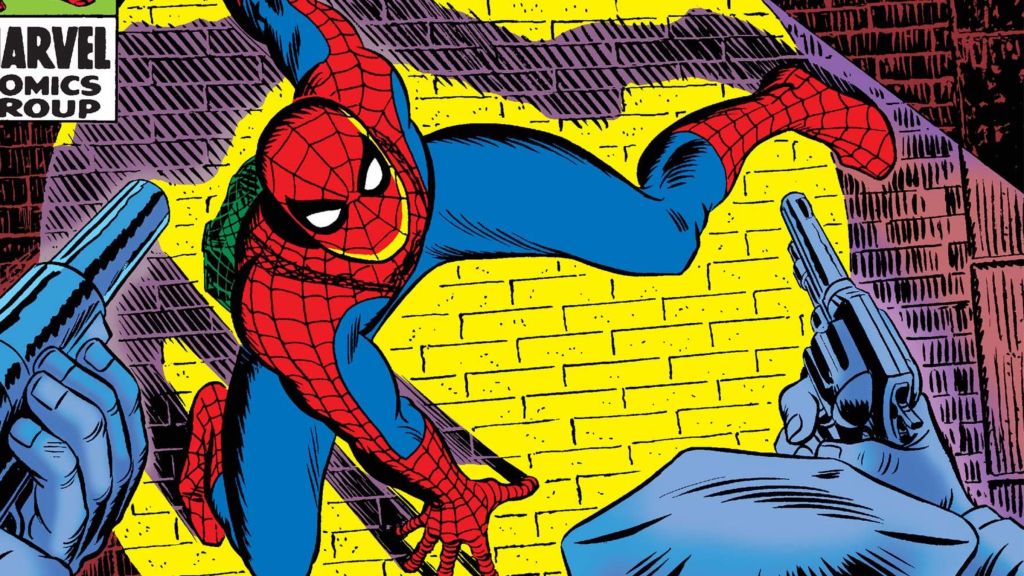
John Romita Sr. is a comic book legend. He began his work on The Amazing Spider-Man in issue #39 after Steve Ditko quit Marvel after falling out with Stan Lee. It was while Romita was drawing the title that Spider-Man began to outsell every Marvel Comics series, surpassing The Fantastic Four. Romita’s contributions were massive, as he co-created the look for Mary Jane Watson, one of Spider-Man’s most beloved supporting characters.
Romita Sr. also co-created Rhino, Shocker, Wilson Fisk, and George Stacy. His initial run ended with Amazing Spider-Man #95, although he returned for a second run, including the issue “The Night Gwen Stacy Died” in 1973. Romita Sr. then became the Marvel Comics art director, and his legacy remains one of the best in the industry. John Romita Sr. passed away in 2023.
3) Mark Bagley
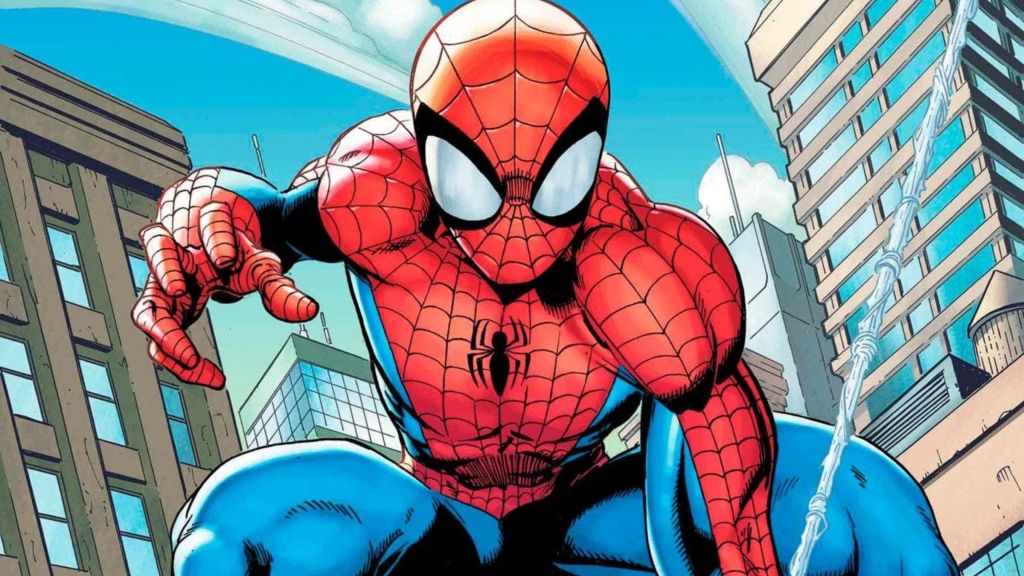
Mark Bagley got his start in Marvel Comics in 1983 when he won the Marvel Try-Out Book contest and received an assignment to work on some smaller titles. He finally got his most significant assignment when Erik Larsen left The Amazing Spider-Man in 1991, and Bagley got his start after that. It was perfect timing, as Bagley was the co-creator of the new villain Carnage.
Bagley also got a high-profile job when he was assigned to draw the Venom: Lethal Protector miniseries, which remains one of the character’s most popular series to this day. He also worked on Maximum Carnage and the Clone Saga, and even moved on in later years to work on Ultimate Spider-Man with Brian Michael Bendis for 111 issues.
2) Steve Ditko
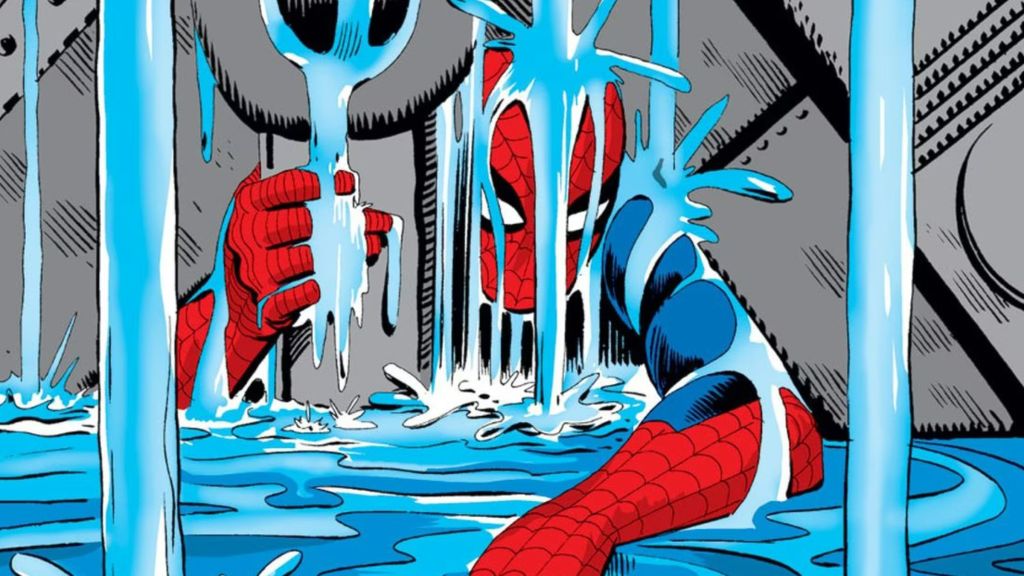
While he isn’t the best Spider-Man artist of all time, Steve Ditko might be the most important. That is because Ditko and Stan Lee created Spider-Man in Amazing Fantasy #15 and then went on to work together on the character’s first 38 issues of The Amazing Spider-Man. This means Ditko co-created most of Spider-Man’s biggest characters, from Aunt May and J. Jonah Jameson to Doctor Octopus, Sandman, Electro, and more.
Steve Ditko also co-created Doctor Strange, Dormammu, Eternity, Green Goblin, Squirrel Girl, and many more. Ditko left Marvel Comics in 1966 when he and Stan Lee began disagreeing on everything, and John Romita Sr. took his place on Amazing Spider-Man. Ditko was rightfully inducted into the Jack Kirby Hall of Fame in 1990 and the Will Eisner Award Hall of Fame in 1994.
1) John Romita Jr.
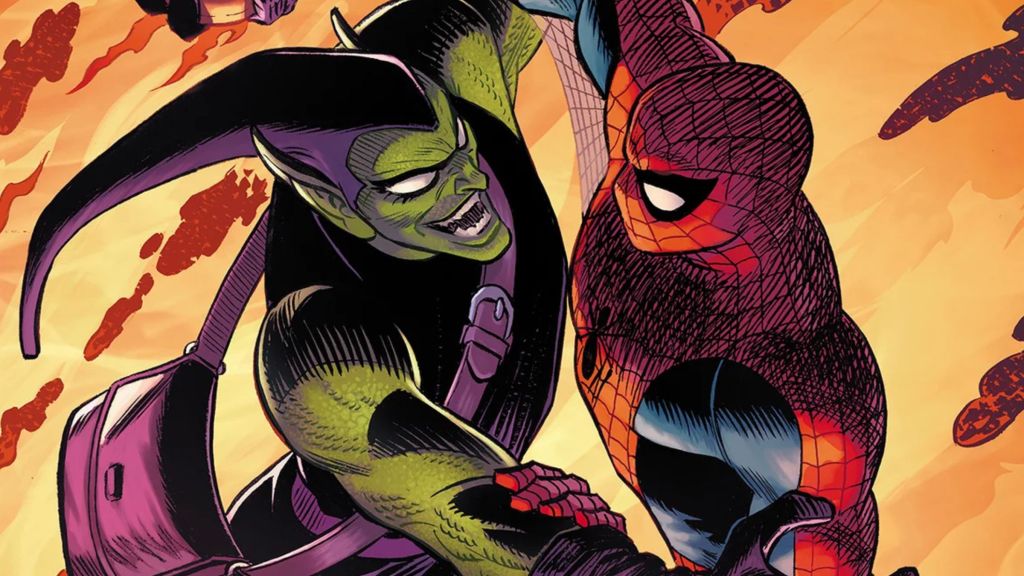
John Romita Jr. followed in his father’s footsteps into Marvel Comics as an artist, and he has worked for the company since the 1970s. His dad was the second Spider-Man artist and created how Mary Jane Watson looked, as well as inking the Gwen Stacy and Green Goblin death issues. Romita Jr. had a lot to live up to and mostly surpassed even his dad’s legacy.
His first work on Spider-Man was in a six-page story called “Chaos at the Coffee Bean” in The Amazing Spider-Man #78 in 1977. Romita Jr. finally began his time working on The Amazing Spider-Man in 1980 with issue #208. In this time on the title, he created Madame Web and Hobgoblin, and ended up working on Spider-Man comics for 44 years and counting.
What do you think? Leave a comment below and join the conversation now in the ComicBook Forum!
Most Viewed
-
Courtesy of TOHO Animation -

Image Courtesy of A-1 Pictures -
Image Courtesy of Marvel Comics -
Image Courtesy of MAPPA