In DC Comics, there’s no word more important than “Crisis.” Since the very first crossover between the Justice League and the Justice Society back during the Silver Age, Crisis events have been used not only to shake up the superhero community but also the entire DC Multiverse. Crisis events have been used to expand, condense, and reboot the DC Universe, impacting decades of storytelling and character arcs. Some of these storylines are lauded as the greatest events in comic book history. In contrast, others have been rejected by both the readers and writers due to their poor quality. Whatever the case may be, these are every DC Crisis event, ranked worst to best.
Videos by ComicBook.com
With the promise of an Absolute Crisis on the horizon, now is the time to look back at the events that defined DC Comics, for better or for worse.
12) Convergence
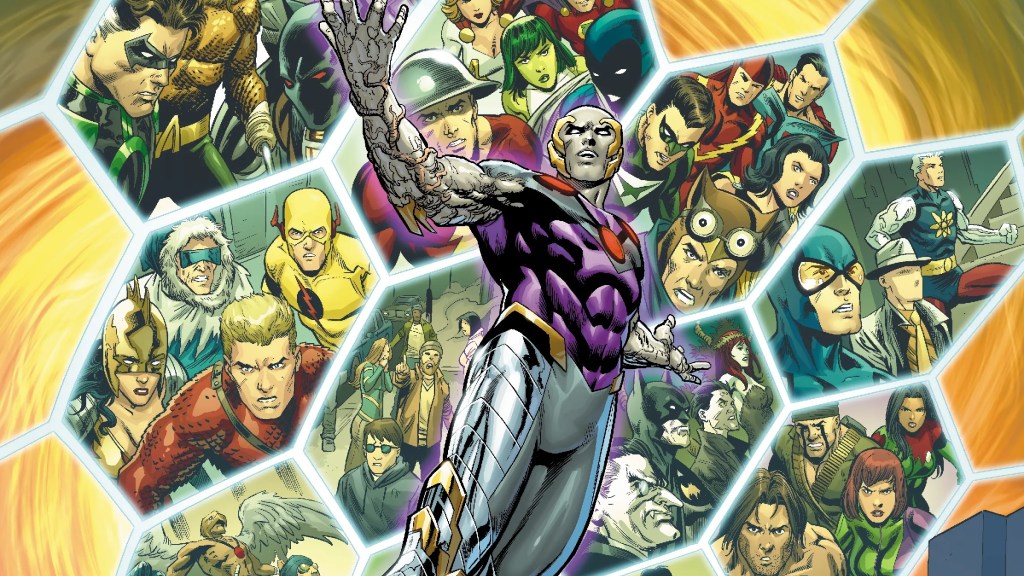
Despite its status as a Crisis event, Convergence was nothing more than a filler arc as DC Comics moved its editorial offices from New York to California. The event involved the villain Telos gathering Earths from throughout the history of the DC Multiverse and forcing them to battle one another or risk having their worlds destroyed. Even though the event brought together many long-lost incarnations of DC heroes, by the end, it felt like very little was accomplished. Aside from cameos, the only positive to come out of the event was the birth of Superman and Lois’s son, Jon Kent. Still, overall, Convergence has been mostly forgotten because of how meaningless it all was, making it undeserving of even being labeled a Crisis event.
11) Heroes in Crisis

Instead of a larger-than-life multiversal event, Heroes in Crisis was a down-to-earth, somber murder mystery that explored themes of mental illness. While the idea on paper sounds groundbreaking, the execution fell flat. The story centers on a superhero therapy retreat called the Sanctuary. When a massacre occurs at the Sanctuary, it’s up to the superhero community to figure out who attacked them. In a case of complete character assassination, the killer was revealed to have been fan favorite Flash Wally West, who suffered from a nervous breakdown. The story proved so bad that DC eventually retconned it, so none of the heroes Wally supposedly murdered was actually killed.
10) Identity Crisis

Identity Crisis has gone down in infamy for having an incredibly promising start, only to go down in flames. After the Elongated Man’s wife, Sue Dibny, is murdered, the Justice League must uncover who is responsible for attacking their loved ones. During the investigation, dark secrets are revealed. A key example is how some of the Leaguers have been using Zatanna’s magic to alter the minds of villains who are too dangerous. When Batman learned this, the Leaguers erased his memory. While the initial conflict that divided the Justice League was brutal and engaging, other aspects of Identity Crisis dragged it down. The story’s gratuitous abuse of Sue, mischaracterization of several superheroes, and underwhelming killer reveal have resulted in Identity Crisis being hated by many readers.
9) Zero Hour: Crisis in Time

The forgotten Crisis event, Zero Hour: Crisis in Time, was a convoluted mess that was meant to clear up continuity errors that arose after Crisis on Infinite Earths merged the five remaining universes in the multiverse. The story involved the corrupted hero Hank Hall, aka Hawk, becoming the mad supervillain Extant and working with Parallax to create a perfect world by manipulating numerous timelines. Although the story introduced some great characters like Impulse and Jack Knight and led to the critically acclaimed Legion of Superheroes reboot, overall, it was incredibly disjointed and made DC’s continuity even more confusing. Zero Hour: Crisis in Time was an ambitious event that, unfortunately, couldn’t live up to its predecessor.
8) Crisis on Multiple Earths

Unlike other Crisis events on this list, Crisis on Multiple Earths wasn’t a single event but a broad title encompassing several smaller storylines. While Crisis on Infinite Earths is usually credited as the first Crisis event, that title truly belongs to Crisis on Multiple Earths, as it was the first major multiversal crossover event. The stories saw the first meeting of Earth-1’s Justice League and Earth-2’s Justice Society, connecting the Golden and Silver Ages. DC made it an annual tradition for the JLA to have a crossover with the JSA, and Crisis on Multiple Earths is the collection of all those events. It was a monumental event that expanded the DC Multiverse while allowing DC’s two biggest superhero teams to team up to fight the forces of evil.
7) Dark Crisis on Infinite Earths

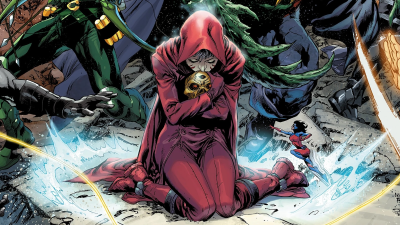
When the Justice League is supposedly slain, it’s up to the remaining heroes of Earth to protect their world from an all-encompassing threat. Dark Crisis on Infinite Earths sees Pariah, the hero from Crisis on Infinite Earths, go mad and wish to harness the all-powerful Great Darkness to destroy the main DC Universe for the purpose of resurrecting the long-lost infinite multiverse. The story features the next generation’s heroes, like the Teen Titans and Jon Kent’s new Justice League, battling Pariah and Deathstroke’s Dark Army. While readers’ reactions were initially poor, Dark Crisis on Infinite Earths became better with each issue. It fundamentally improved the DC cosmology. Few events captured DC’s theme of legacy better than Dark Crisis on Infinite Earths.
6) Dark Knights: Metal
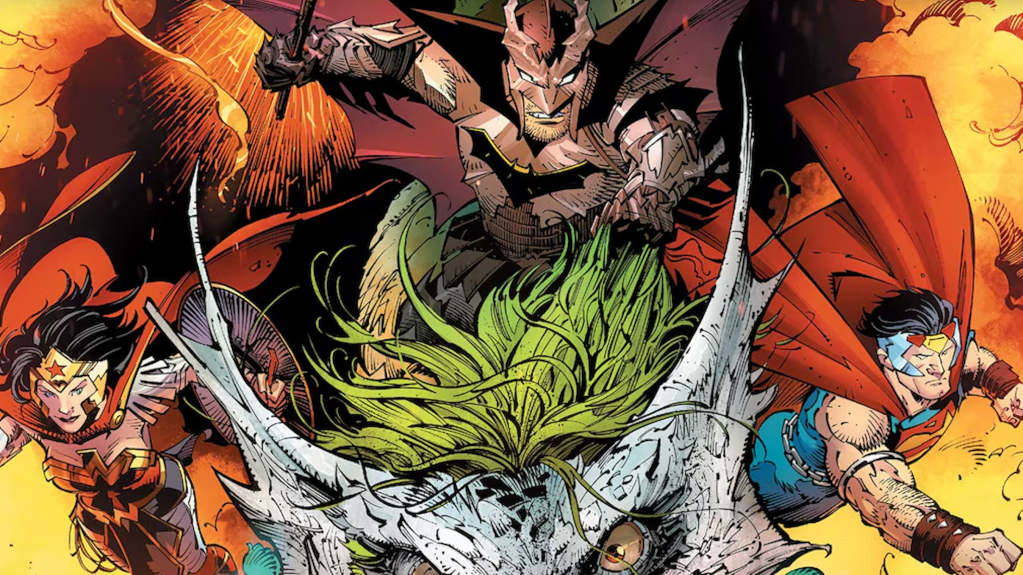
In one of the biggest additions to DC’s cosmology, Dark Knights: Metal introduced the Dark Multiverse, a nightmarish reflection of the regular multiverse populated by monsters. The story has the Justice League face off against the dark god Barbatos and his Dark Knights: an alliance of the most powerful and twisted versions of Batman from across the Dark Multiverse. Of these Dark Knights, none was more menacing than the Batman Who Laughs. To defeat these terrifying doppelgängers, the Justice League must collect ten magical metals to harness the power of creation. Dark Knights: Metal was an epic tale full of action and suspense that debuted many fascinating concepts and characters that drastically expanded the DC Multiverse.
5) Dark Knights: Death Metal
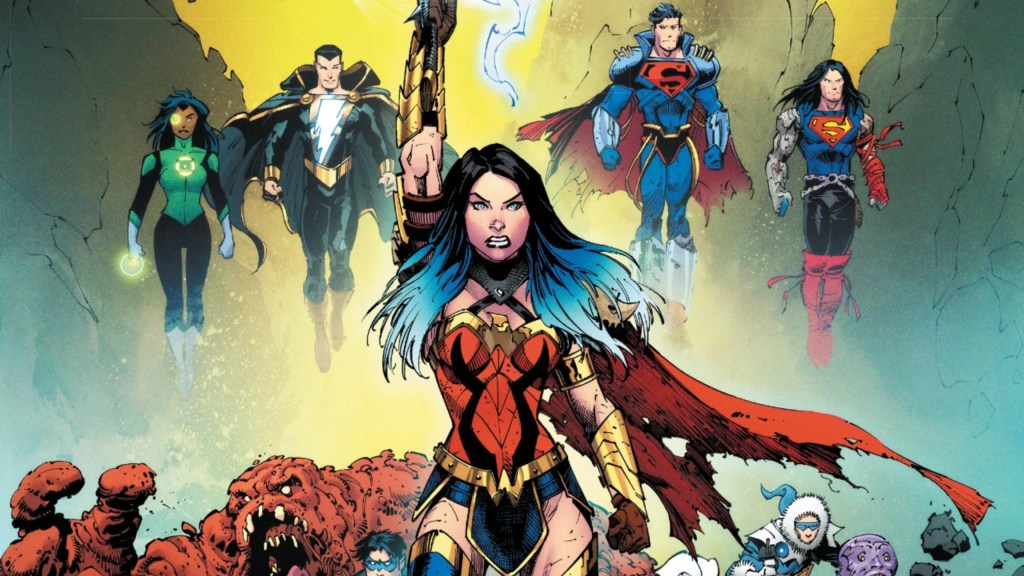
The sequel to Dark Knights: Metal, Dark Knights: Death Metal, takes what worked in the original story and dials it up to eleven. When the Batman Who Laughs teams up with the creator of the multiverse known as Perpetua, they lay waste to the Earth and have nightmarish creatures from the Dark Multiverse conquer it. In this post-apocalyptic wasteland, Wonder Woman must reunite the Justice League to fight against these monsters and retake their universe. The series also serves as a soft reboot of the DC Universe. Not only is Dark Knights: Death Metal an action-packed adventure with multiversal stakes, but at its core, it carries a deep message about the nature of the comic book industry and the debate between hope and nihilism.
4) Flashpoint
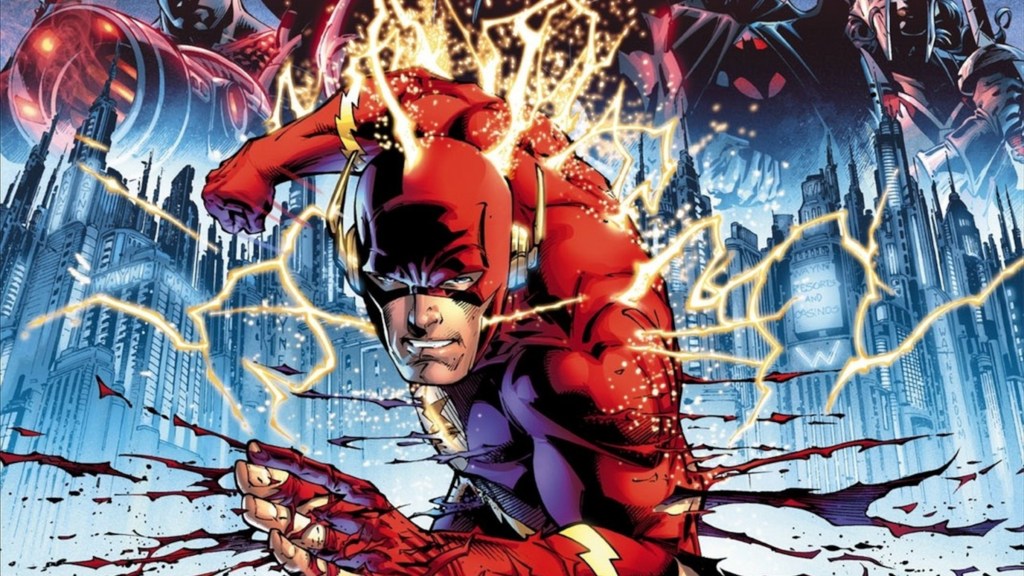
Unlike other Crisis events, which tend to focus on the entire superhero community, Flashpoint almost exclusively follows Barry Allen, aka the Flash. When Barry goes back in time to prevent his mother’s murder, he accidentally creates a new timeline that’s on the brink of collapse because of a war between Wonder Woman and Aquaman. Flashpoint is an emotional roller coaster that introduces fan-favorite variants of familiar characters like Thomas Wayne Batman and Subject One Superman. By the end of the event, the Vertigo and WildStorm Universes merges into the DC Universe. More importantly, Flashpoint makes a complete reboot of the DC Universe, resulting in the New 52 era. To this day, Flashpoint remains one of the most iconic stories in DC history.
3) Infinite Crisis
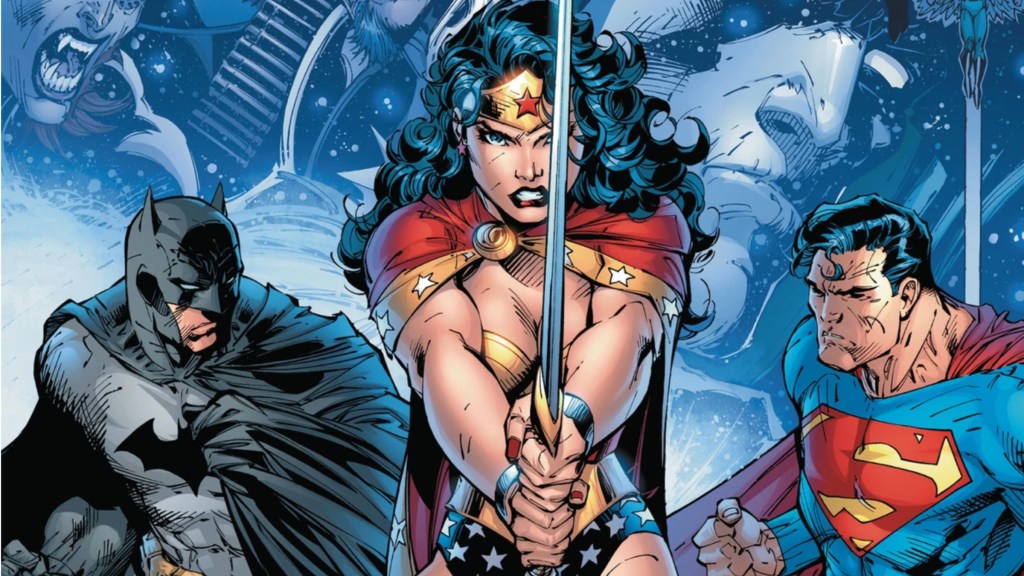
On the 20th anniversary of Crisis on Infinite Earths, DC came out with an ambitious sequel titled Infinite Crisis. In the wake of the superhero community being torn apart by infighting, betrayal, and mass casualties, the villains Alexander Luthor Jr. and Superboy-Prime decide to “fix” the DC Universe by tearing it down and rebuilding it to be something better. Infinite Crisis has the return of Golden Age Superman and Lois Lane, as well as the restoration of the DC Multiverse and much lost continuity. Not only is it an emotionally impactful story full of great action, but it also acts as a nuanced and biting commentary on the state of the superhero genre at the time and how it became increasingly bleak in the Modern Age.
2) Final Crisis
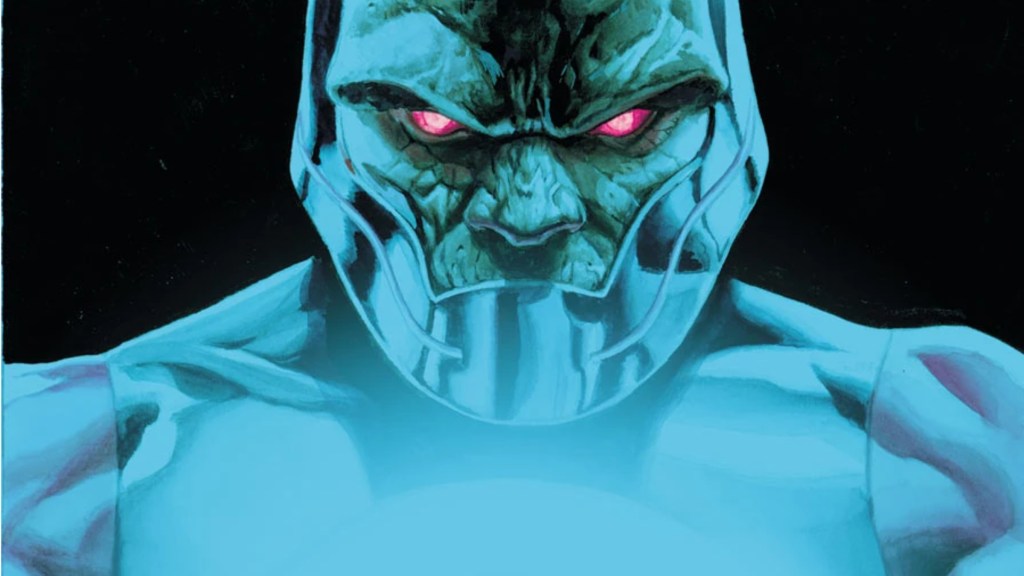
One of the greatest DC events of all time was the day that evil won. A masterpiece of creative, metacontextual storytelling, Final Crisis has Darkseid finally obtain the Anti-Life Equation and use its power to conquer Earth. This leads to the heroes making their most desperate battle to save their world from both Darkseid and the all-powerful Monitors. Many beloved heroes are lost in the conflict, and the DC Universe is never the same. The story serves as a love letter to the superhero genre while also offering a scathing critique of how editors and corporations suppress and leech off the creative work of others. Final Crisis is a brilliant, multi-layered examination of the battle between good and evil and the nature of superheroes as a concept.
1) Crisis on Infinite Earths
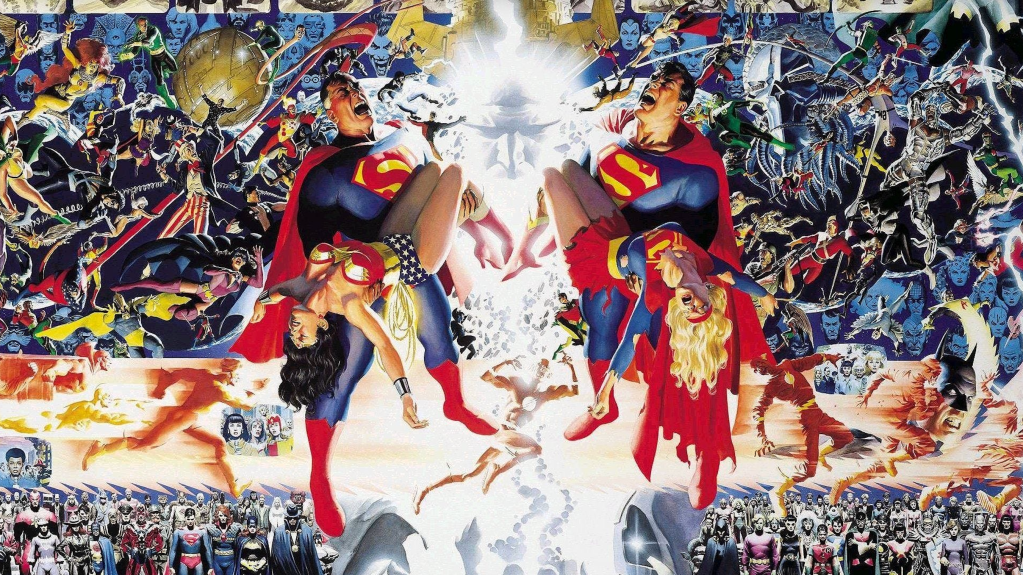
There are few storylines in comic book history more ambitious, monumental, influential, and beloved than Crisis on Infinite Earths. This masterpiece of storytelling sees the mighty Anti-Monitor threaten to eradicate the infinite multiverse. To face this incomprehensible threat, almost every hero in DC Comics joins forces. Created to clean up DC’s countless continuity issues involving the multiverse, Crisis on Infinite Earths cleared the board while also providing the gold standard of comic book events. The deaths of characters like Supergirl and Barry Allen are some of the most tragic in DC history and have had long-lasting effects. In the end, Crisis on Infinite Earths was a gamble that handsomely paid off and is still considered by many to be the best DC Comics event.
What do you think? Leave a Comment below and join the conversation in the ComicBook Forum!
More Comics
-
Image Courtesy of Marvel Comics -

Image Courtesy of DC Comics -
Image Courtesy of Warner Bros. -
Image Courtesy of DC Comics -
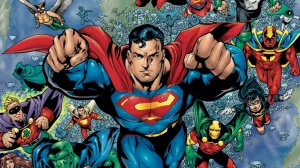
Image Courtesy of DC Comics -
Image Courtesy of DC Comics