The best Fantastic Four creative teams stretch across a period of over 60 years, ever since Stan Lee and Jack Kirby created Marvel Comics’ first superhero tale in 1961. While the team had several highs and some even bigger lows, including a period in the 2010s when Marvel Comics wiped them out of the Marvel Universe, they remain one of the most iconic lineups of heroes to ever appear in comic books. The main lineup has almost always been a family affair, with Reed Richards and his wife The Invisible Woman, her brother The Human Torch, and Reed’s best friend The Thing.
Videos by ComicBook.com
It is that family dynamic that helped keep the Fantastic Four at the forefront of Marvel Comics, and the best creative teams always made that the team’s defining trait.
7) Brian Michael Bendis, Mark Millar, Adam Kubert
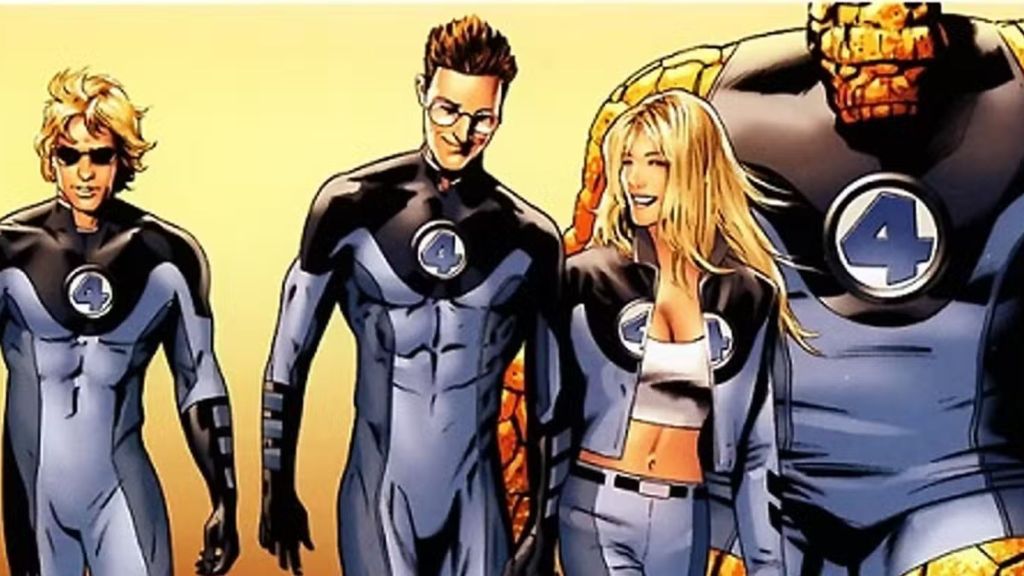
Brian Michael Bendis, Mark Millar, and Adam Kubert revitalized the Fantastic Four in 2003 with the Ultimate Fantastic Four series. By this time, the First Family of Marvel had gotten a little boring and repetitive, and this series was a shot in the arm, making them all younger, including a Reed Richards that was younger than any version, at least in how he acted compared to his original origin in Stan Lee and Jack Kirby’s comics.
It was Reed that really helped carry this title. In the 616 Universe, Reed was always a conflicted character who was so smart that he could become Earth’s greatest threat if he lost his morality, and he did so in the comic book run, but it was the stories of the team before he lost control that rose to become some of the best in Ultimate Marvel Comics.
6) Dan Slott and Sean Izaakse
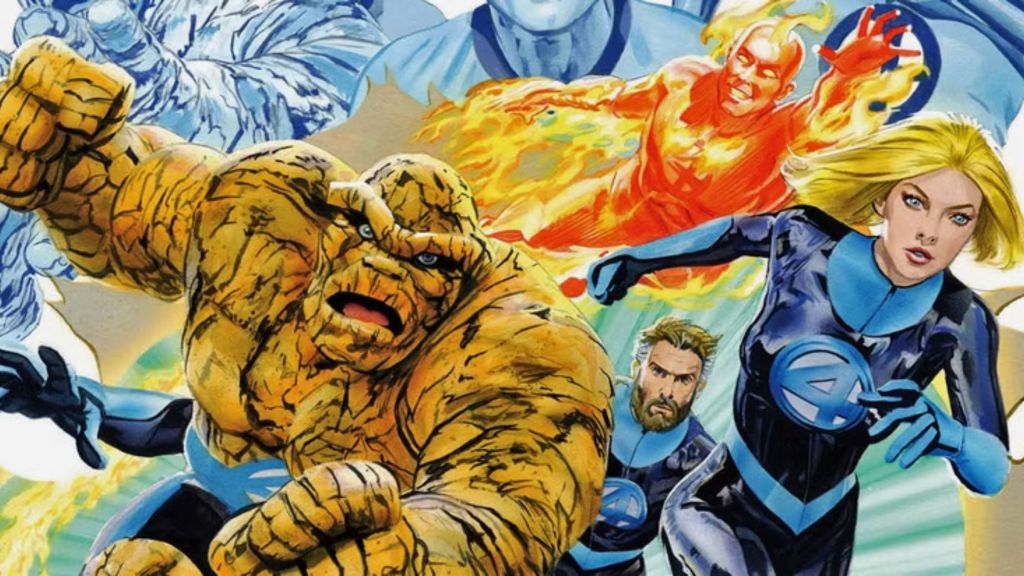
Dan Slott brought the Fantastic Four back to life in 2018, the first series for the team in several years since Marvel Comics chose to make them disappear thanks to a conflict with Fox over the movie rights. With the FF gone for so many years, seeing them back was great, and in the hands of someone like Dan Slott, who shows great love for his characters, it was a great ride that reminded fans of how fun these comics could be.
This series brought Reed and Sue back from the universe-rebuilding mission, along with the Future Foundation, and reunited them with their family and friends. One of the highlights of Slott’s run was finally having The Thing and Alicia Masters get married after decades of teasing the moment. Sean Izaakse’s artwork only added to it, honoring the Jack Kirby art in a modernized manner. As with the best FF comics, Slott focused on family first and superhero battles second.
5) Walt Simonson
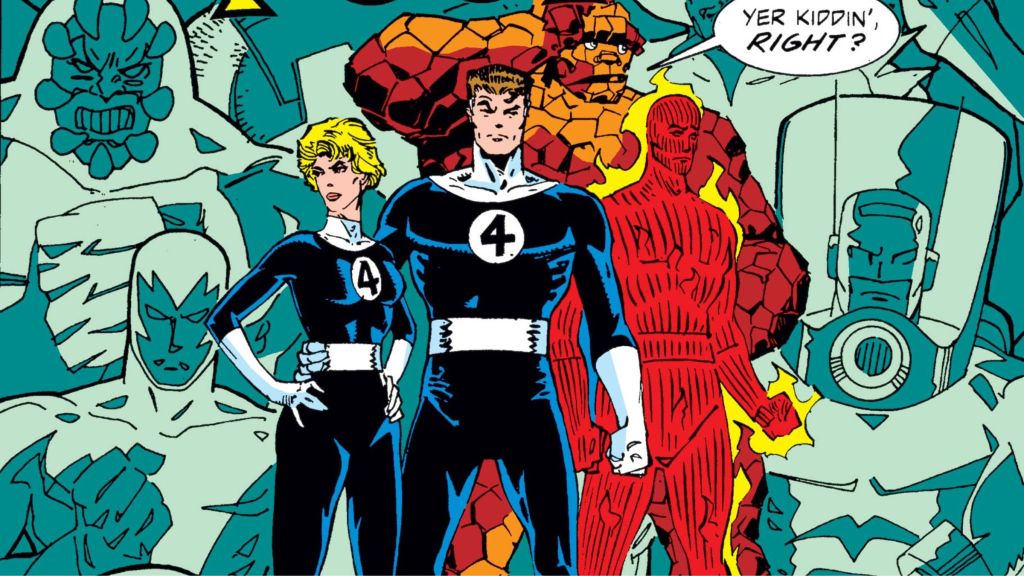
Walt Simonson has an incredible legacy at Marvel Comics, and his work on Thor might be among the best in Marvel history. However, he also had a fantastic run on The Fantastic Four, where he took over starting with Fantastic Four #334 in 1989, writing, penciling, and inking the comics, a creator possessing all the power. He worked in this format until 1991, finishing up with Fantastic Four #354.
During his time on the title, Simonson introduced the Time Variance Authority (which later showed up in the MCU in Loki, as well as Deadpool & Wolverine). He also ensured that the FF kept their sci-fi basis, as they dealt with alien landscapes, time paradoxes, and other items that Jack Kirby once created so masterfully. A lot of people overlook Simonson since he followed John Byrne, but his run on the title was excellent.
4) Mark Waid and Mike Wieringo
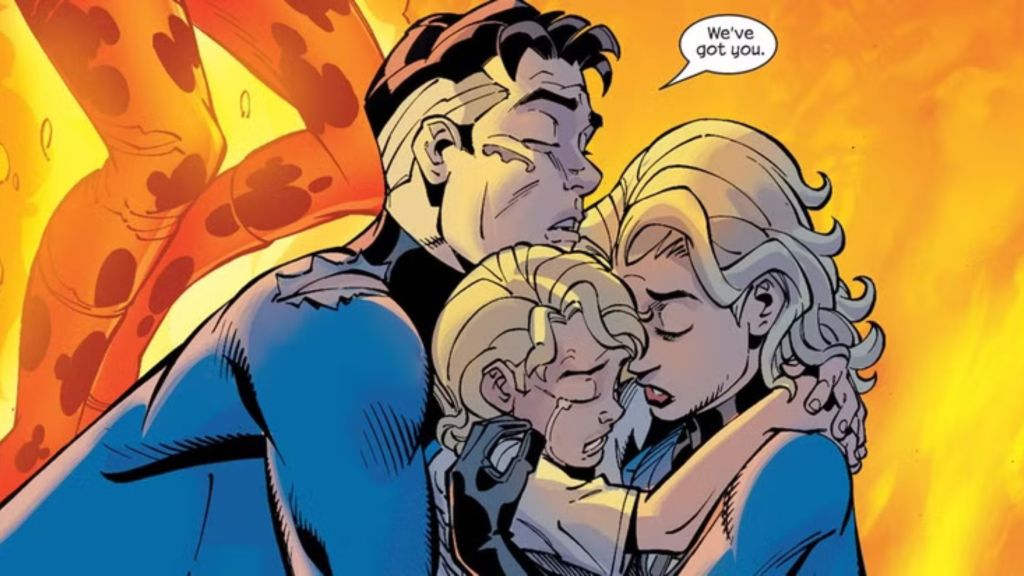
Mark Waid and Mike Wieringo worked on the title in the early 2000s and presented some of the most heartwarming tales in Fantastic Four history. Waid and Wieringo took over with Fantastic Four #60 (2002) and they took the team back to their days of Walt Simonson’s run by making them explorers and adventurers, differentiating them from the more superhero-focused Marvel teams like the Avengers.
As a result, this brought back the sci-fi wonder and the idea of a family working together as explorers, often traveling to other worlds and encountering extraordinary beings and situations. The art work here was completely unique as well, a strong mix between Jack Kirby’s art and a more cartoony approach, which worked so well in the sci-fi setting. Sadly, this run was cut short when Wieringo died in 2007.
3) Jonathan Hickman and Steve Epting
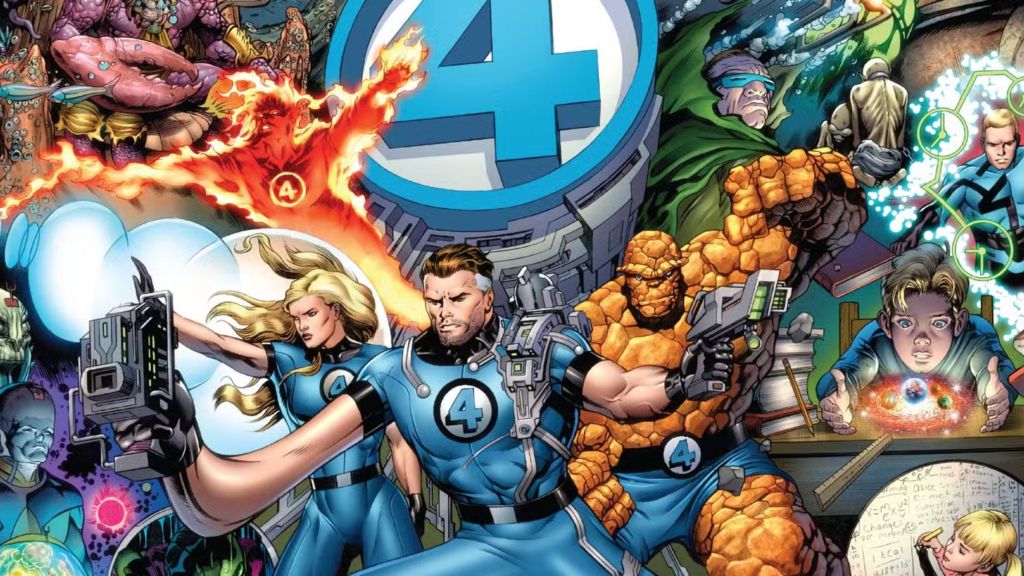
Jonathan Hickman and Steve Epting had one of the most acclaimed runs on the Fantastic Four comic book title, running from Fantastic Four #570 (2009), and lasting into 2012. Hickman introduced the infamous Council of Reeds, a secret organization where Reed Richards variants from all over the multiverse worked together to solve all Earths problems, something the 616 Reed was not willing to join thanks to their dark nature.
Hickman also focused on forming the Future Foundation into a school for the next-generation of hyper-intelligent children who could one day, theoretically, work together to solve Earth’s (and the universe’s) greatest problems. Hickman’s run also was where the Human Torch died in the Negative Zone, one of Marvel’s most heartbreaking moments, and the series led directly into Secret Wars.
2) Jack Kirby and Stan Lee
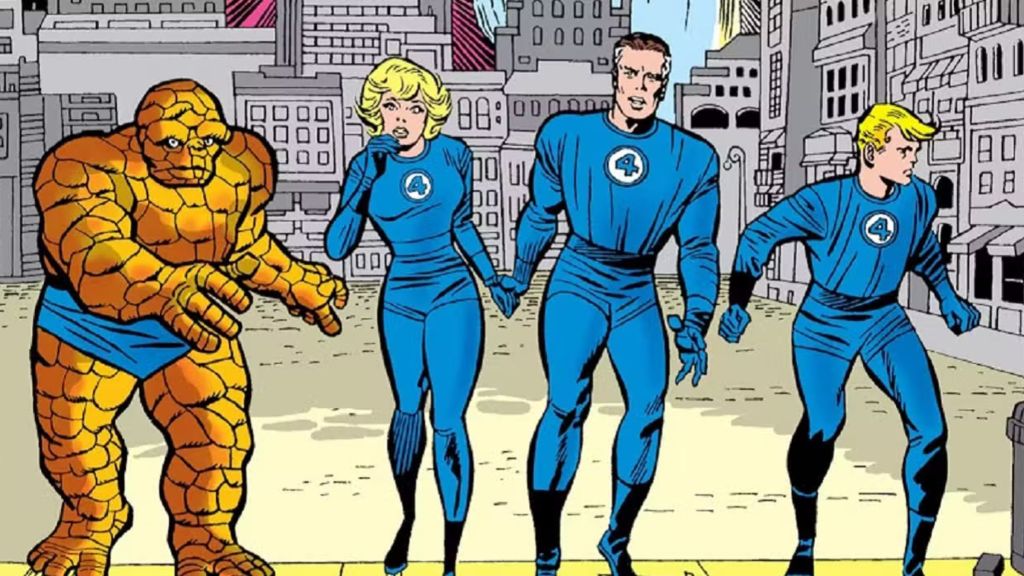
The creative team that started it all remains one of the most beloved in Fantastic Four, and Marvel Comics history. The first Marvel superhero comic ever created was Fantastic Four #1 in 1961 by writer Stan Lee and artist Jack Kirby. Together, they created the First Family of Marvel Comics, and while there are some things dated in their early work, it remains the comics that made fans fall in love with the superhero family.
This team helped introduce the Fantastic Four and Doctor Doom. They brought Namor into the modern-day Marvel Comics world. During this run, this creative team introduced the world the Inhumans, Silver Surfer, Galactus, the Skrulls, and Black Panther. It was Kirby’s visual imagination that helped create the Negative Zone, the Microverse, the Inhumans home of Attilan, and more. Jack Kirby drew the first 102 issues of Fantastic Four before leaving Marvel, one of the most impressive runs in comic history. Lee and Kirby created the foundational history that every creative team after them followed.
1) John Byrne
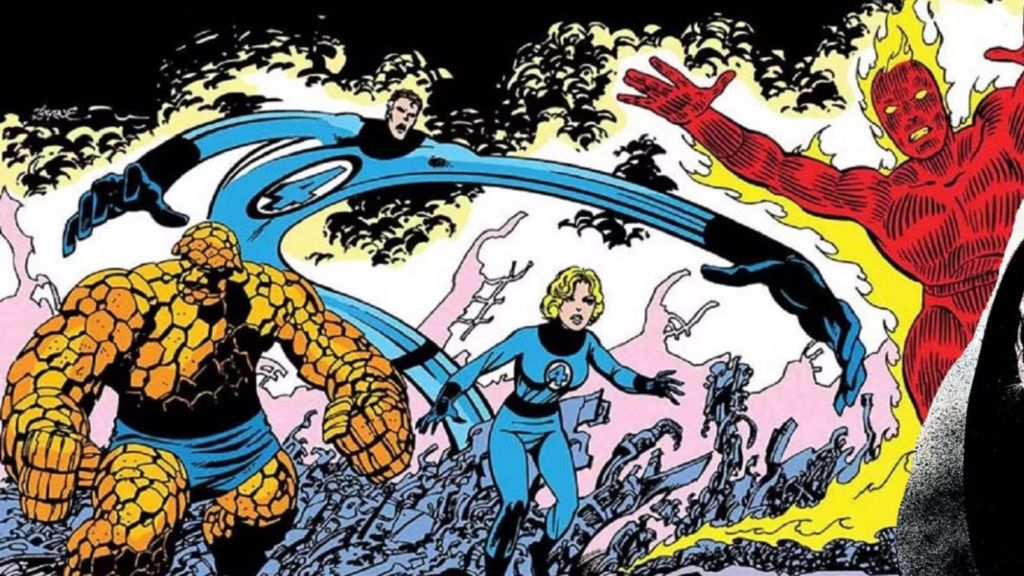
John Byrne started writing Fantastic Four with issue #209 (1979) and took over as the writer-artist starting with #232 (1981). He then worked on Fantastic Four through #293 (1986), an incredible seven year run on the title. To put it simply, John Byrne was to the Fantastic Four what Chris Claremont was to the X-Men. So much happened during Byrne’s run that several of the Fantastic Four’s most iconic moments were on his watch.
He brought about the biggest change in the team’s history when he had She-Hulk replace The Thing after the first Secret Wars, the first “non-family member” as part of the team. He turned the Invisible Girl into the Invisible Woman. Byrne wrote the “Trial of Reed Richards” storyline after Reed saved Galactus’s life. His art style remains what most people today think about when they envision the Fantastic Four in comics, and stands alongside Jack Kirby as the best in history.
What do you think? Leave a comment below and join the conversation now in the ComicBook Forum!
More Comics
-

Image Courtesy of Marvel Comics -
Image Courtesy of DC Comics -
Image Courtesy of Image Comics -
Image Courtesy of Marvel Comics -

Image Courtesy of Image Comics -
Image Courtesy of DC Comics -
Image Courtesy of Marvel Comics