DC Comics created the superhero as we know it, and also brought a concept to comics that has become very popular in superhero media in the 21 century — the multiverse. The DC Multiverse was a way to make sense of the adventures of Superman, Batman, and Wonder Woman after the premiere of Barry Allen, Hal Jordan, Aquaman, and the other new versions of the DC heroes created for the Silver Age. As the years went on, the DC Multiverse got bigger and bigger than just the original Earth-Two, with Earth-Three (the evil Earth), Earth -X (the Nazi Earth), Earth-S (the Shazam family Earth), and many, many more appearing over the rest of the Silver and Bronze Age. Marvel pulled ahead of DC in sales and the publisher decided that the best thing to do was to streamline everything because it got confusing. That’s where Crisis on Infinite Earths comes in.
Videos by ComicBook.com
Crisis on Infinite Earths is the best event book ever, full stop. Marv Wolfman, George Perez, and Jerry Ordway’s 12-issue classic is amazing, using the history of the DC Multiverse to tell a story that changed DC forever. The post-Crisis DC Universe was supposed to be better for new readers, but what it really accomplished was making DC continuity even more wonky than ever. In the years since, the DC Multiverse has come back, and it’s about time to say it — Crisis on Infinite Earths was never needed.
Crisis on Infinite Earths Fixed Something That Wasn’t Broken
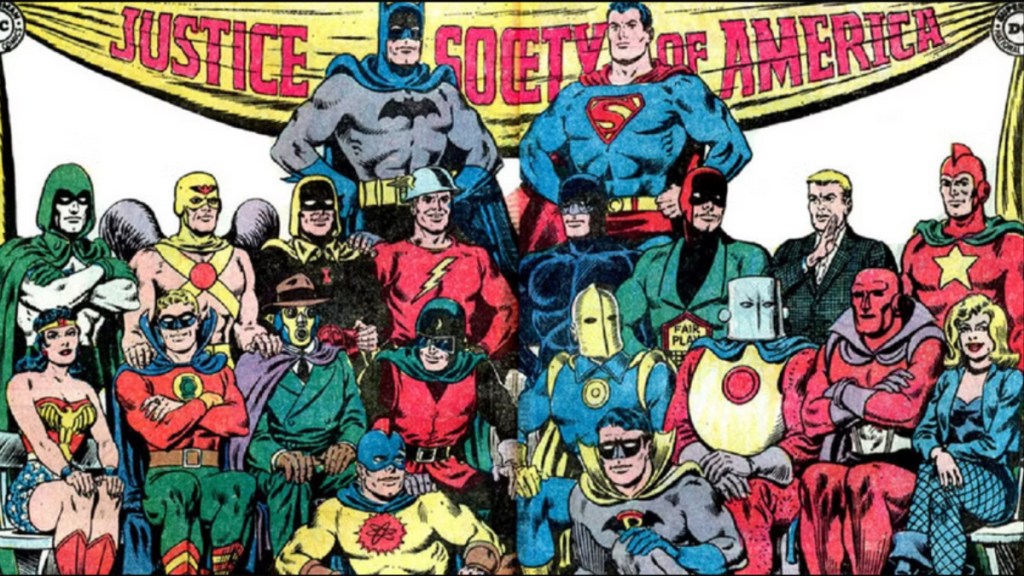
So, the logic behind Crisis on Infinite Earths was this — let’s say a new reader wanted to read a Superman comic, and picked up an issue of All-Star Comics or All-Star Squadron or Infinity Inc. or one of the other Earth-Two comics because Superman was on the cover. Instead of seeing the modern Superman, they’d be looking at the Golden Age Superman, which supposedly would confuse them. Now, there’s something to that. A new readers wouldn’t know about Earth-Two and there were differences between Earth-Two Superman and Earth-One Superman, but here’s the thing — the chances of this happening actually weren’t all that big. Newsstands of the day — where most kids bought their comics — really only stocked the bestselling comics, so if they picked up a Superman comic, they’d be picking up an Earth-One Superman comic. If a Superman from another Earth showed up, it would be explained in the story. It was honestly as simple as that. There were definitely other Earth-Two doppelgangers, but they had completely different costumes; a kid who watched SuperFriends and wanted to read the comics wasn’t going to confuse Barry Allen and Jay Garrick or Hal Jordan and Alan Scott.
So, right away, the reasoning for Crisis was flawed. Crisis wreaked havoc on multiple characters and teams. The Legion of Superheroes’ entire existence heavily depended on Superboy, and Superboy was gone. Hawkman became so confusing that it took decades to come up with a way to make the character work. Supergirl never existed at all until a shapeshifter from another universe took a form that looked like her. I’ve always liked the Golden Age heroes being on the same Earth as the later heroes, but DC smushing everything together did a huge amount of damage to the whole. Multiverses were never actually all that confusing when it came right down to it, at least not confusing enough to get rid of the whole thing. In fact, DC got more confusing after Crisis than it was before. I love Crisis on Infinite Earths; I’m a Crisis mark in general. However, looking at the history of DC before Crisis and looking at what we got after, it’s plain to see just how easy the DC Multiverse was to understand. There’s something about going back and reading those old multiversal crossovers in Justice League of America; they explained it all succinctly to new readers, and gave them stories that showed the vast scope of the threats in DC Comics. We never needed Crisis, which is something that is hard for me to admit.
Crisis Took Away the One Thing That Made DC Unique
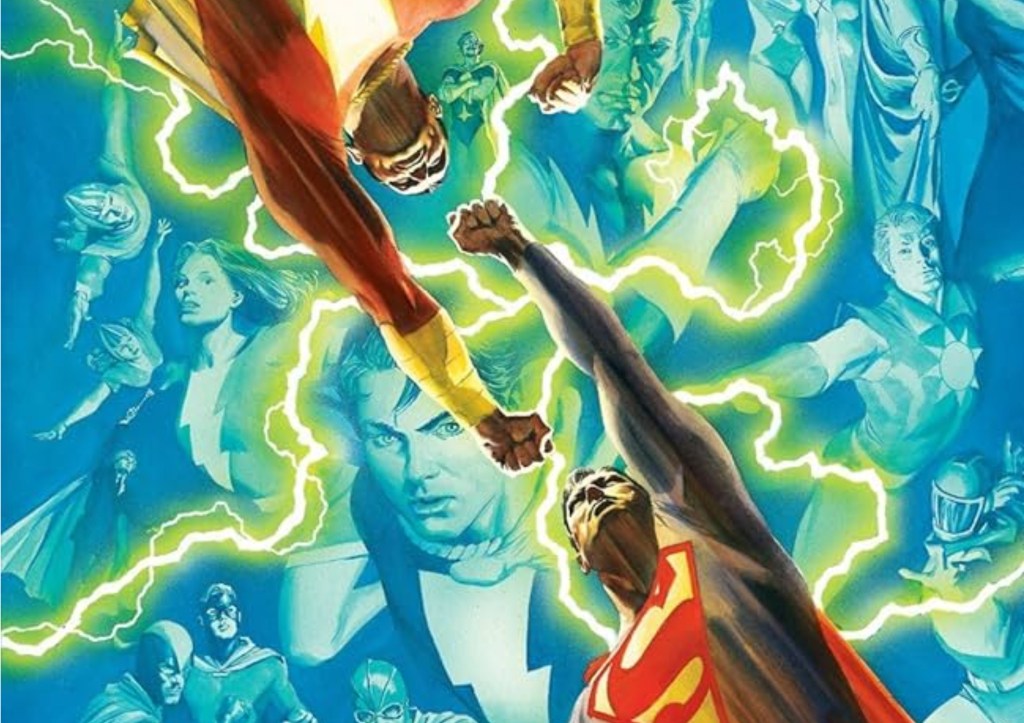
The multiverse was the biggest difference between Marvel and DC. Marvel was supposed to feel like the world outside your window. DC was more fantastic, and the DC Multiverse played into that. Marvel didn’t even introduce their multiverse until 1971’s Avengers (Vol. 1) #85, and they did it mostly so they could have the Avengers beat the Justice League pastiche team the Squadron Supreme. Alan Moore actually codified the Marvel Multiverse in the Marvel UK comic Captain Britain in the ’80s. DC’s multiverse made it different from Marvel. They traded that away in Crisis and DC has never felt the same.
DC was never all that hard to understand. There were never more than a handful of books set on alternate Earths. Earth-Two characters would sometimes appear in back-up stories and crossovers, but it would always be explained in the book itself. DC traded that away to create a Marvel-style singular universe that made everything more confusing than it was before. DC gave away what made it unique and left it with continuity snarls that would take decades to straighten out.
What do you think about the effects of Crisis on Infinite Earths? Sound off in the comments below.
Most Viewed
-

Image courtesy of Wizards of the Coast -

Courtesy of Bones Film