There have been many Mortal Kombat games from across different time periods, from the 2D early arcade days to the tag team match-ups we see in recent titles like Mortal Kombat 1 today. However, an often forgotten era of the series is the 3D era, 1v1 fights were on larger arenas with omnidirectional movement similar to the Tekken or Virtua Fighter franchises. Although never as robust as those other games, that period of Mortal Kombat games is still remembered fondly by veteran fans who appreciate how they changed the series’ formula across three titles.
Videos by ComicBook.com
From a focus on weapons to the ability to change stances, the gameplay of 3D Mortal Kombat games was far different from the arcade titles they evolved from. This made every 3D title somewhat divisive between players, but regardless of your preference, these games were the definitive Mortal Kombat experience on early home consoles. This 3D era of Mortal Kombat culminated in one original Xbox and PlayStation 2 title, which was a send-off for the series before it was revived by NetherRealm Studios at the turn of the 2010s.
Mortal Kombat: Armageddon Released In October 2006 With The Series’ Largest Character Roster

The 2006 release of Mortal Kombat: Armageddon marked the last 3D game in the series, after Mortal Kombat: Deadly Alliance and Mortal Kombat: Deception. After experimental 3D systems in MK4, MK: Armageddon really represents the endpoint of those innovations, combining features from pretty much every 3D game into one package. However, while the gameplay is a debated topic, the roster size of MK: Armageddon is where it truly stands out, as it includes all characters from the series up to that point. The base roster of Armageddon is 63 fighters, going up to 64 on the Nintendo Wii version of the game with Khameleon’s inclusion.
The only new characters in Armageddon are Taven and Daegon, as well as the joke character Meat from Mortal Kombat‘s previous secret roster members in past titles. Back in 2006, this made Armageddon the definitive way to play as your favorite Mortal Kombat character, if they weren’t available already in another title from the franchise’s history. Without modern collections of the arcade entries nor a good way to play the other 3D games on newer consoles, Mortal Kombat: Armageddon was also one of the easiest series projects to access for players of all kinds.
Even fighters from spin-off Mortal Kombat games were present in Armageddon, making characters from MK: Shaolin Monks or MK: Special Forces “canon” for the first time. The premise of this game to bring together all these characters was fairly simple — a giant pyramid rose from the ground and offers godlike power to all the Mortal Kombat characters, resurrecting everyone for the purpose of fighting to reach the top. The introductory cutscene for Armageddon is quite infamous in Mortal Kombat, showing a massive and chaotic battle between well established characters that reflected the game’s biggest selling point.
Having Every Character Available Made Very Little Room For Other Game Modes
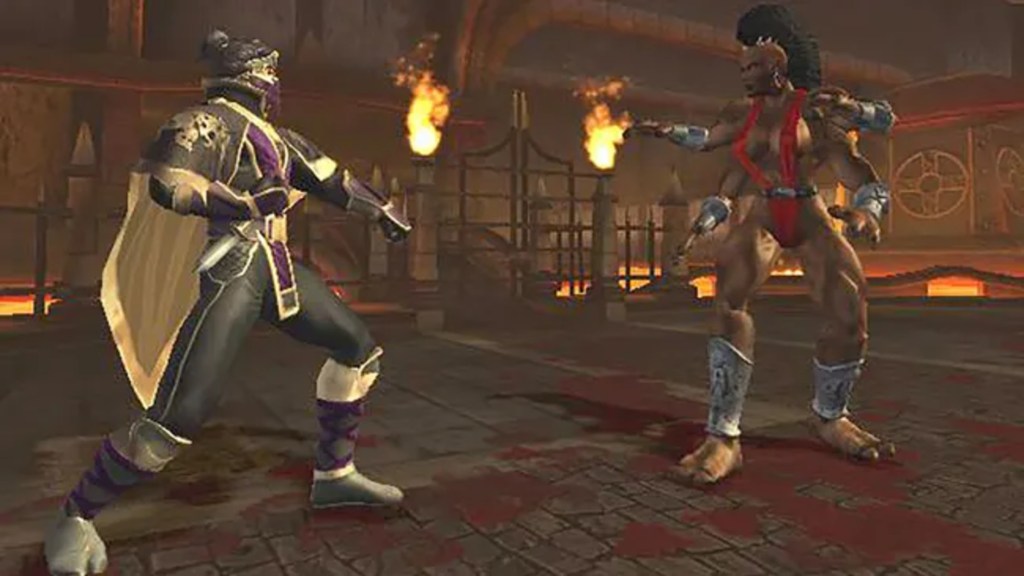
While the huge roster of Armageddon was part of the game’s success, it also limited it from presenting a variety of other content for players to explore. For example, Mortal Kombat: Deception was liked for its single-player Konquest mode, where players could embark on an open-world, RPG-like adventure similar to what Street Fighter 6 would refine in 2023 with its World Tour mode. While Konquest was also present in Mortal Kombat: Armageddon, it wasn’t nearly as detailed as Deception‘s version. At the same time, the Krypt area for collecting characters, artwork, or other media for the game was incredibly simplified, reducing how much players engage with it.
While MK: Armageddon did introduce players to a Mario Kart spin-off mode called Motor Kombat, that was fairly bare bones too. The most interesting feature in the game may have been the “Kreate A Fighter” system, which allowed players to build a custom character using features and traits from existing fighters on the roster. However, this could be attributed to the roster yet again, whose vast variety could help shape a player’s personalized combat style as a mixture of several fighters. While putting Sub-Zero’s ice ball with Raiden’s electric fly was appealing, the content outside fighting was somewhat shallow or rudimentary at best.
Armageddon Marked The End Of The 3D Era Of Mortal Kombat Before Its Modern Revival
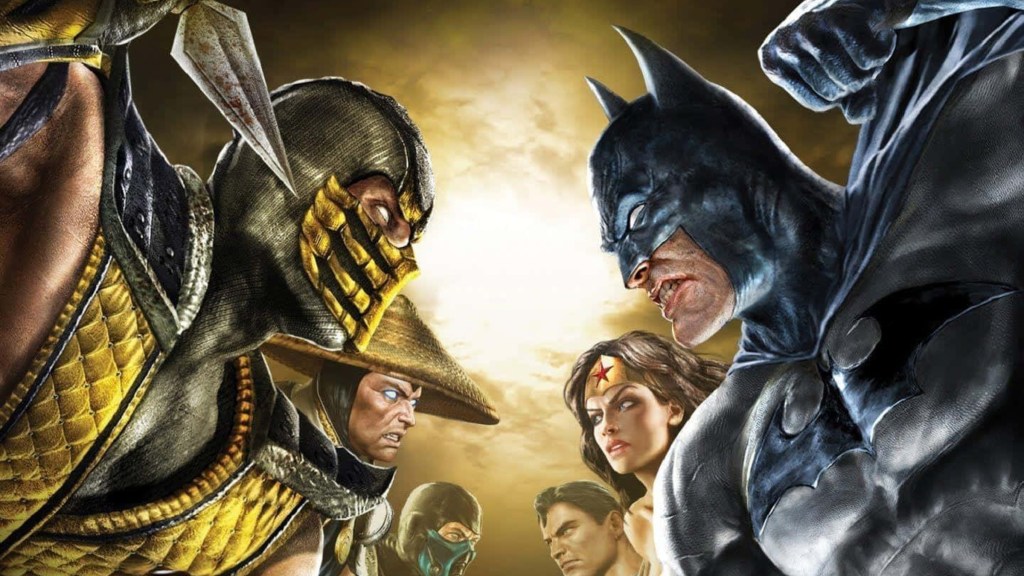
The next Mortal Kombat game after Armageddon would take two years to come out, but would mark a significant shift in the series’ future. Both Armageddon and Mortal Kombat vs DC Universe were criticized in different ways, but Armageddon was the last game in the series published by studio Midway. This group had been responsible for Mortal Kombat since the first 1992 arcade game, but the studio’s collapse caused NetherRealm Studios to be formed in its absence to steer the franchise forward. NetherRealm would experience tons of criticism for the toned down MK vs DC, yet find great success with a whole series reboot with Mortal Kombat (9) being released in 2011.
For many players, Armageddon was the final nail in the coffin for the struggling franchise, with the re-used 3D assets and huge roster signaling a final goodbye for the series as a whole. Even with MK vs DC, fans once believed that ending the 3D era was also going to leave the series in the dark with Midway shutting down. Thankfully, this didn’t end up being the case, but Mortal Kombat Armageddon still remains a fascinating game in the series’ timeline, representing a culmination of the 3D era encapsulated into a singular “everyone is here” mentality long before Super Smash Bros. Ultimate did the same thing.
What was your favorite Mortal Kombat game from the 3D era? Let us know in the comments below!
More Gaming
-
Image Courtesy of Lyrical Games