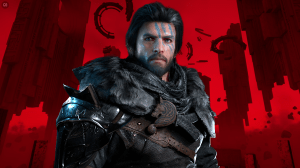
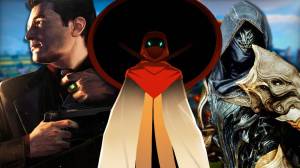
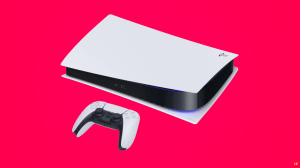
As someone who grew up during the 2000s, I have vivid memories of these times. Weekend rentals from video stores, agonizing over what to delete from my memory cards, and playing some of the best games ever made. This is the era of the PlayStation 2, Xbox, and GameCube, where these companies solidified mascots and gameplay decisions. It was also experimental, and this period has some of the most iconic games. And today, players now have more options than ever to play them.
Videos by ComicBook.com
The gaming industry has seen an incredible increase in remakes and remasters, specifically of games from the 2000s era. Not out of nostalgia alone, but because those games still have untapped potential that modern technology can finally do justice to. Now that we are in 2026, I fully expect to see developers continue this trend, and the year is starting strong with Dragon Quest VII Reimagined.
Today Is The Era Of Remakes And Remasters
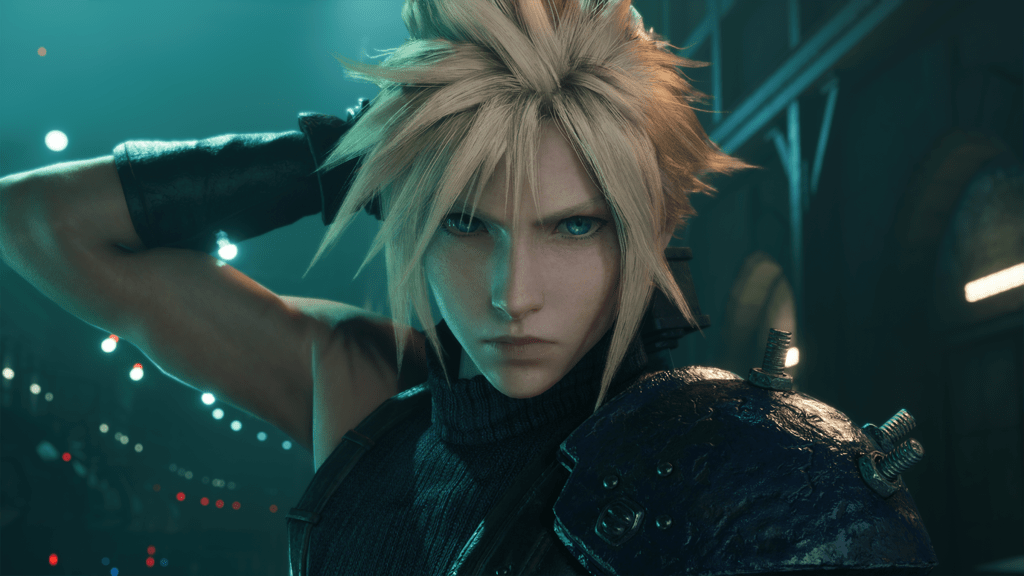
The success of modern remakes has proven that revisiting classic games can be more than a safe financial move. When done right, these projects feel like celebrations of gaming history rather than cash grabs. Titles like Resident Evil 2 Remake and Final Fantasy VII Remake showed that older games can be reimagined with modern mechanics while preserving the spirit that made them iconic. They honor beloved games while introducing them to a new audience in bold new ways.
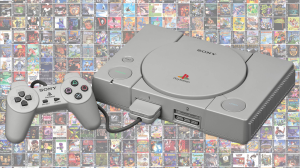
Even more faithful updates like Demon’s Souls and Dead Space demonstrated how powerful visual upgrades and refined controls can be. These games were not just prettier versions of the originals but respected pacing, atmosphere, and design while removing outdated frustrations. The result was critical acclaim and strong sales, proving there is a massive audience hungry for these experiences. It is amazing how far little changes can go for games two decades old.
This trend resonates deeply with 2000s gamers because it validates the era that shaped them. It tells players that their favorite games still matter and are worth preserving properly. In 2026, remakes are not just about nostalgia. They are about keeping foundational games playable and relevant for a new generation. 2026 has me more excited than ever, because between known projects like Halo: Campaign Evolved and unknown ones, there are plenty of games that still need remakes.
These 2000s Games Need Remakes

If publishers continue down this path, there is no shortage of deserving candidates from the 2000s. The rumors of the Fallout 3 remake is easily one of the exciting, and with the popularity of the show, it seems almost certain. Then there are some of the best JRPGs that have faded into obscurity, like Vagrant Story. Even mainstream games like Kingdom Hearts are prime for remakes. It doesn’t matter if the gameplay or graphics are outdated or not. Committing to these remakes gives the games new life and shares them with a wider audience.
Many games were limited by their hardware. With modern remakes, developers can take advantage of next-generation graphics and performance to showcase the original vision of these games. This is perfect for action titles like Prince of Persia: The Sands of Time. Another aspect that would evolve 2000s games is the inclusion of voice acting, something many games did not have back then.
For many players, the appeal is not just replaying old favorites. It is experiencing them as they felt in memory, without the technical barriers that time introduced. These remakes are a great way to honor the past and show how influential early games were. Many of the modern titles we have today wouldn’t exist without the 2000s era. Giving classic games a proper remake allows developers to take these lessons and reapply them to the genre leaders of the past, making development come full circle.
Remakes Should Be Passionate, Not Greedy
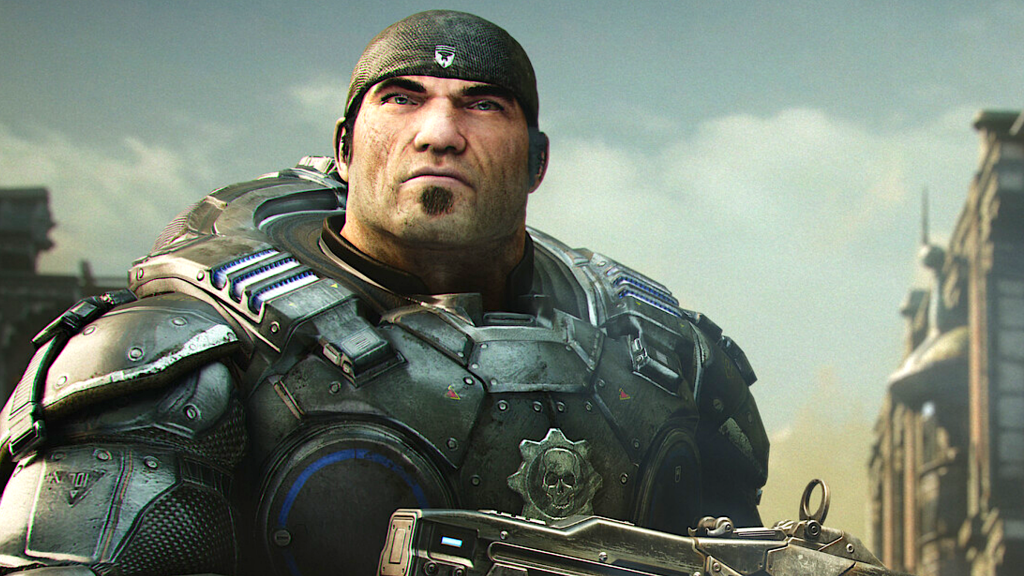
As exciting as this trend is, it comes with an important caveat. Too many projects settle for surface-level upgrades, relying on higher resolution textures and minor tweaks to justify full price releases. These efforts feel hollow and quickly erode player trust. I love Gears of War, but Gears of War: Reloaded just felt so unnecessary, especially when Microsoft already remade the game. The upgrades didn’t feel meaningful enough to justify the project.
The best remakes show clear passion. Developers study what made the original special and enhance it without taking away these things. Thoughtful redesigns, meaningful mechanical improvements, and a respect for the tone and pacing. Visual improvements and quality of life features are additional ways that help show players the effort is genuine and comes from a place of love.
There is also a responsibility to preserve history. Remakes should not replace originals entirely, but exist alongside them. Offering access to classic versions through collections or digital storefronts ensures that the legacy remains intact. Greedy remakes that lock players into a single definitive version undermine that goal. All too often, we see developers pull the original games, especially if they are discounted, and replace them with full-priced remakes that don’t deserve it.
For 2000s gamers, this matters deeply. These games were formative experiences, not disposable products. Seeing them handled with care feels like an acknowledgment of their importance. As 2026 continues, the remake and remaster trend shows no signs of slowing down.
What do you think? Leave a comment below and join the conversation now in the ComicBook Forum!
Most Viewed
-

Image Courtesy of Netflix -
Image Courtesy of Netflix -

Image Courtesy of Ufotable -
Image Courtesy of WIT Studio