Some games have an interesting journey, which could mean seeing the original team behind it disband and go their separate ways. But the series created can still live on, and long-awaited sequels provide an avenue for fans to continue enjoying these games. One such game is poised to release next year, nearly five years after its predecessor. This indie series has long been an icon in the genre, and this upcoming release marks a major moment for its bloody mascot.
Videos by ComicBook.com
Meat Boy debuted on Newgrounds, a website dedicated to Flash games, before becoming an official game in 2010. Super Meat Boy was born, and it hooked hardcore platforming fans like few games did before. Meat Boy, Band-Aid Girl, and Dr. Fetus made a change to an autorunner in Super Meat Boy Forever, and are now making their biggest jump next year with Super Meat Boy 3D.
Super Meat Boy’s Legacy and the Risk of Forever
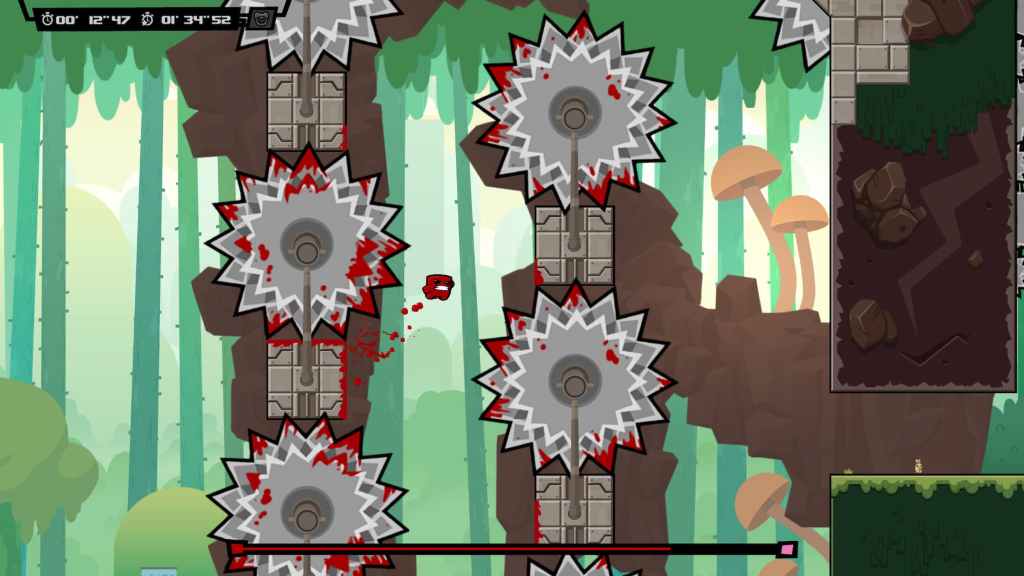
The original Super Meat Boy is one of the most important indie games ever made alongside Castle Crashers. It arrived during a time when downloadable games were still fighting for legitimacy, and it proved that small teams could create experiences as polished, demanding, and memorable as anything from major publishers. Its tight controls, instant restarts, and brutal difficulty created a new standard for precision platformers.

For many players, Super Meat Boy was personal. It was a game that taught patience, perseverance, and muscle memory. I still remember spending hours stuck on a single screen, dying dozens of times, only to finally clear it and feel unstoppable. That loop of failure and triumph defined the experience.
Super Meat Boy Forever took that legacy and made a risky choice. Instead of replicating the original’s exact structure, it reimagined the series as an auto-running platformer. For some fans, this felt like a downgrade. For others, it was a bold attempt to modernize the formula. Forever streamlined inputs and focused on timing rather than raw movement control, creating something familiar yet fundamentally different.
While reception was mixed, it showed that the creators were willing to take chances and shake things up. It kept the series alive and visible during a time when indie nostalgia could easily have turned it into a relic. That willingness to experiment laid the groundwork for what comes next, and Super Meat Boy 3D is the biggest experiment yet.
Super Meat Boy 3D Is a Bold New Direction
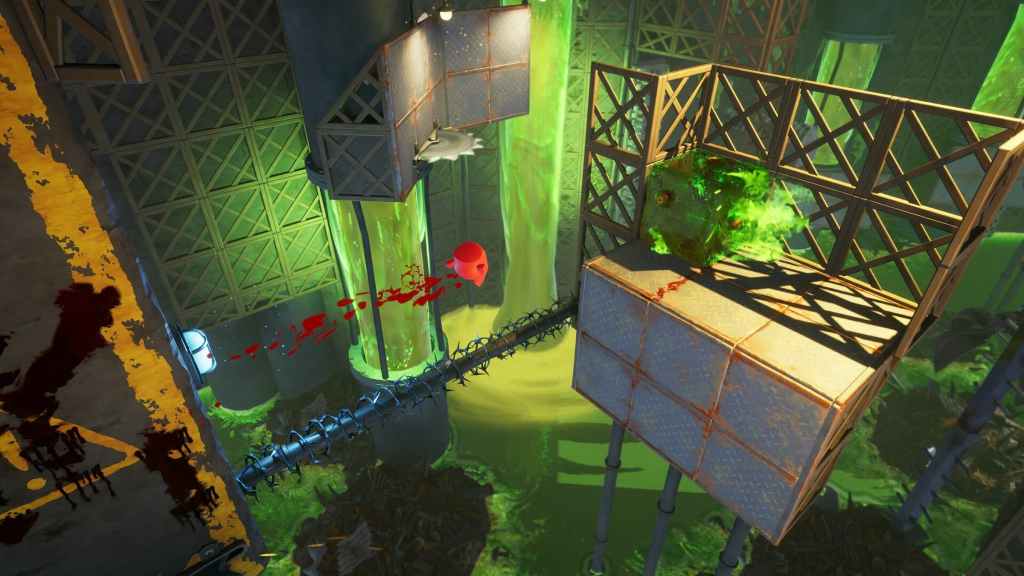
The announcement of Super Meat Boy 3D was a shock to fans, as many, myself included, didn’t expect anything more from eEam Meat. Moving from 2D to full 3D platforming is not just a visual shift. It changes how levels are designed, how players move, and how difficulty is communicated. For a franchise built on razor-sharp precision, that transition carries major risk.
Impressions from the demo are positive, and show that the developers understand what made the original so special and have found a way to translate that into 3D gameplay. The focus remains on tight control, quick retries, and levels that demand mastery. The difference is perspective. In 3D, depth perception, camera control, and spatial awareness become just as important as timing, adding new levels of challenge.
I can’t help but have excitement and apprehension. Precision platformers thrive in 2D because every movement is readable and deliberate. Translating that clarity into 3D is challenging, but not impossible. Games like Celeste showed how important feedback and responsiveness are. Super Meat Boy 3D seems poised to apply those lessons in a new dimension. Five years after Forever, the franchise is not retreating to safety.
Where Does Meat Boy Go From Here?

The move to 3D represents more than a technical evolution. It signals a new chapter in how the franchise defines challenge. In 2D, difficulty is often about memorization and execution. In 3D, it becomes about navigation, spatial judgment, and camera awareness. That shift could make the game more approachable for some players while remaining punishing for those chasing perfection.
This transition also opens creative doors. Level themes can become more dynamic. Environments can twist vertically as well as horizontally. Hazards can approach from unexpected angles, forcing players to rethink how they read levels. If done right, it could reinvigorate the genre in the same way the original did years ago.
Many long-running indie franchises are experimenting with form, refusing to be locked into nostalgia. Astro Bot proved how successful 3D platformers can be in this day and age, and Super Meat Boy 3D is angling for that same approach. No matter how it lands, the journey from 2D icon to 3D contender ensures that Super Meat Boy remains part of the conversation. I cannot wait to see the final product when Super Meat Boy 3D launches in 2026.
What do you think? Leave a comment below and join the conversation now in the ComicBook Forum!
Most Viewed
-

Image Courtesy of TOHO -

Image Courtesy of Crunchyroll