Certain patterns tend to appear in the JRPG genre, whether its having a four character party, turn-based combat, or similar systems of progression present in various games. Interesting twists on these “expected” features can make for a memorable JRPG, but it’s harder to break from the visual identity these games have across different titles. Thankfully, one unique approach to JRPG artstyles has proven to be an incredible way to craft worlds that players will get lost in.
Videos by ComicBook.com
As 2026 sees more JRPGs, many seem to be remakes or remasters of classic titles from years ago or completely new IPs for players to get excited for. Visually, there is plenty of variation in these games, from a smoother “anime” inspired 3D approach to nostalgic 2D pixel art that calls back to the first Final Fantasy titles. Recent rends, however, have seen a blend of these two graphical identities, striking a near-perfect balance between old and new.
Octopath Traveler Created A Trend Through Its Use Of Seamless 2D & 3D Art In 2018
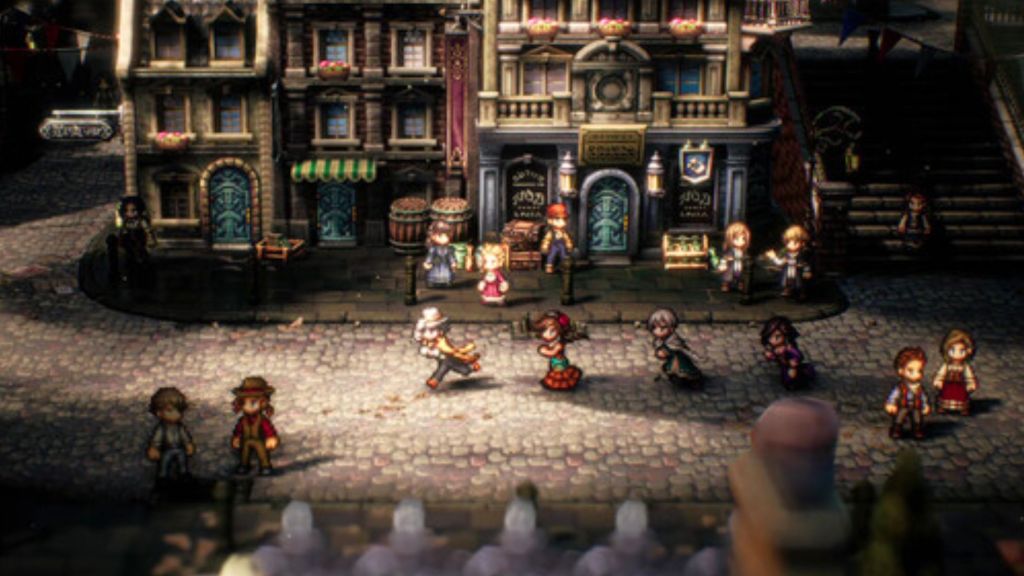
In 2018, Octopath Traveler was released by Square Enix as a JRPG with both traditional mechanics and new concepts to attract fans familiar with the genre and those completely unaware. This game introduced some fun aspects to JRPG gameplay, such as the ability to have a party of four from eight distinct characters, who you could choose from at your adventure’s beginning. Despite how choosing the game’s protagonist was a fresh feature to the genre, the stunning blend of 2D and 3D art is perhaps the most significant part of the game players remember.

Every character in Octopath Traveler and its sequel from 2023 are made entirely in pixel art, with 2D animations that reflect the same presentation you would see in early JRPGs like Final Fantasy 6. Meanwhile, the environments these characters travel through are entirely 3D, usually painted landscapes, cities, or other locations that shine with detail from top to bottom.
This “HD-2D” artstyle, as it was called, isn’t necessarily as innovative as it seems like a no-brainier for the genre. The original sprite work of older JRPGs is merely combined with modern lighting, shaders, volumetric fog, and other visuals, but this simple unity of ideas yields great results. The technical aspect of this work pairs with talented artwork to build something with a fantastic aesthetics that just looks pleasing to look at as you’re playing.
Dragon Quest Remakes Have Continued This Fantastic Formula With Stellar JRPGs
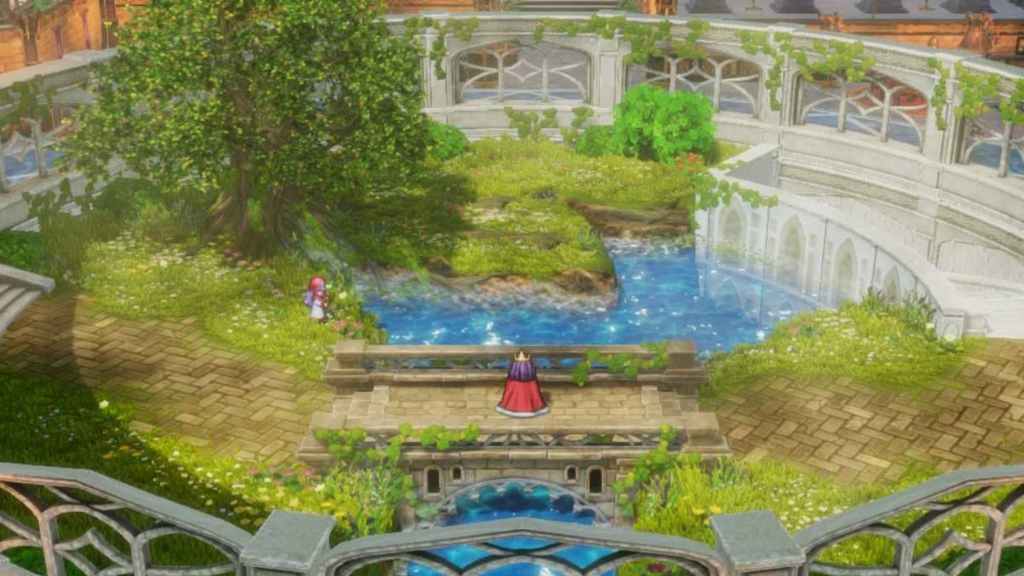
While Octopath Traveler has made a statement using the HD-2D style in its games, this artistic approach has also been seen to remake classic JRPGs too. Dragon Quest 1 & 2 HD-2D Remake took the pure pixel-art of the original games and enhanced them, keeping their nostalgic look for characters, but improving the visuals of environments at the same time. Dragon Quest 3 HD-2D Remake continued this trend, creating a faithful yet fresh experience with modern quality to its world.
Future Dragon Quest remakes could keep using the HD-2D artstyle, which makes a ton of sense considering the limitations those JRPGs faced upon original release. Expanded story content, new features, and combat improvements have helped these remasters turn into special returns to games who never needed to sacrifice their identity to be brought back. If anything, the HD-2D trend helped enhance experiences, benefiting new and old fans alike.
Enhanced 3D Visuals That Elevate Nostalgic 2D Pixel Art Should Be Applied To Future JRPG Remasters
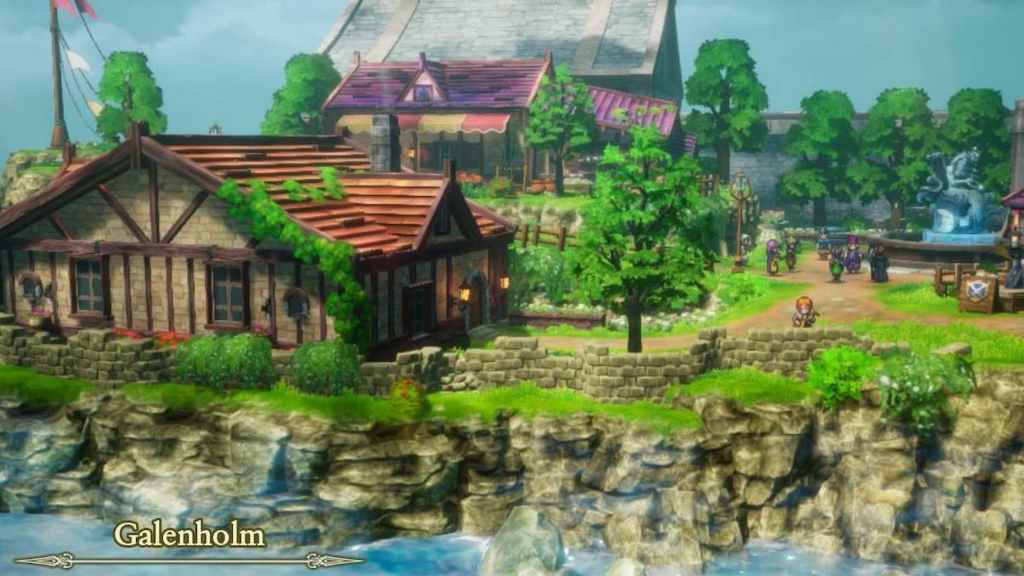
Other games like Triangle Strategy have adopted the HD-2D look too, but this artstyle should be a gold standard for what JRPG remakes can be. Even outside of Dragon Quest, remasters to games like Live A Live have been given impressive remodels through the HD-2D visuals, elevating their original content and almost repackaging it in a stunning way for new audiences to enjoy. For a recent example, Final Fantasy Tactics: The Invalice Chronicles takes some inspiration from this style without fully investing into it, overhauling and improving weaker aspects of an already impressive game for a solid remake.
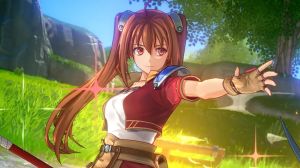
Although HD-2D isn’t perfect for every game, it manages to preserve parts of what made original titles successful by not changing the pixel art that players look back fondly on. By keeping sprite work from the past and just adjusting it slightly, developers can fully invest into the immersive world those sprites are put in, expanding the ambient feel of specific games to their full potential.
With how easy it is to alienate fans with a poor remake or remaster, blending past and modern concepts into a “2.5D” presentation strikes a healthy middle ground. Older JRPG fans can be reminded of why they fell in love with remade games through kept visual styles, while new fans can admire the integration of 3D that rivals even brand new IPs within the same genre.
What do you think about the HD-2D trend for JRPG visuals? Leave a comment below or join the conversation in the ComicBook Forum!
Most Viewed
-

Courtesy of Crunchyroll -

Images Courtesy of DC Comics