Role-playing games have come a long way since the genre’s creation. Many, such as myself, grew up playing 8-Bit turn-based RPGs. But today, many developers have opted for 3D graphics and open worlds. These have set growing expectations for player freedom, world design, and immersion. These games are not just remembered for their mechanics, but for the stories players created within them. One such game jumpstarted my love of RPGs and remains one of my most beloved games to this day, but the best part is that it still holds up.
Videos by ComicBook.com
20 years ago today, The Elder Scrolls IV: Oblivion launched and changed how I viewed RPGs forever. Final Fantasy had largely been my introduction to RPGs, and I was comfortable in that space. But after a friend convinced me to try Bethesda’s huge game, I fell in love with it. To this day, Oblivion sits as one of my favorite games, something not even Skyrim has managed to change. Even with modern RPGs offering larger maps and more complex systems, few have matched the balance that made Oblivion so unforgettable.
Player’s First Immersive World

When The Elder Scrolls IV: Oblivion launched in 2006, it immediately stood out for its open-world design. The province of Cyrodil felt alive in a way few games had achieved at the time. Players could walk in any direction, discover towns, explore caves, and stumble into quests without being guided every step of the way. That freedom became a defining feature of modern RPGs. Bethesda implemented it with Morrowind, but it didn’t really take off until Oblivion burst onto the scene.

One of the most talked-about systems was Radiant AI. NPCs followed daily routines, moving through towns, eating, sleeping, and interacting with each other. It sometimes led to strange or humorous moments, and it gave the world a sense of unpredictability. Players often remember small interactions just as vividly as major story beats. I remember playing as a thief and trying to learn these patterns so that I knew when to break into people’s houses, but I often got caught red-handed and had to resort to other means.
The game also excelled in environmental storytelling. Ruins, forests, and dungeons were placed in ways that encouraged curiosity. I spent hours ignoring my quests and just exploring, allowing my natural curiosity to lead me. That sense of discovery is something that many modern RPGs struggle to recreate. In a world bogged down with quest markers and hand-holding, it is refreshing to go back and experience an open world that allows you to move at your own pace.
Skyrim Was a Downgrade Compared to Oblivion
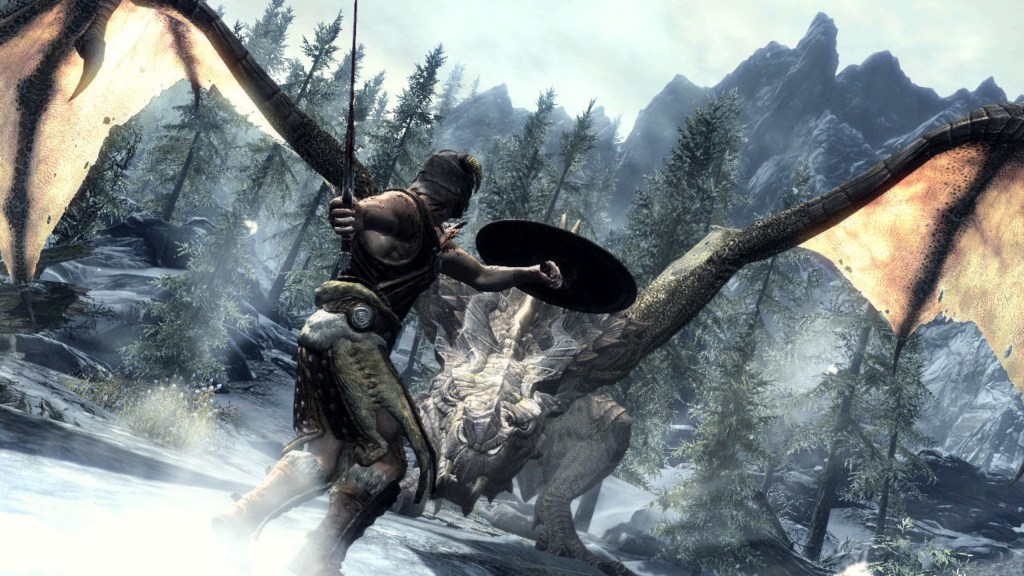
While The Elder Scrolls V: Skyrim is often seen as the peak of the series in terms of popularity, a significant portion of fans still prefer Oblivion. I never even finished the main quest in Skyrim, something I had done countless times in Cyrodil. One of the main reasons is its quest design. Guild storylines such as the Dark Brotherhood and Thieves Guild felt more impactful than they did in Skyrim, and throughout my playthroughs, I just felt more connected to the world and how my choices affected it.
The Dark Brotherhood questline in particular stands out for its creativity and variety. Even the method of joining this group showed how unique it was. Missions often encouraged players to think differently rather than simply fight enemies; objectives could involve stealth, manipulation, or unique conditions that made each task feel distinct. This level of design helped the game stand apart from more straightforward quest structures.
While Skyrim was a step up graphically, the gameplay couldn’t compare. Being able to create my own spells was the best part of playing a mage, but even outside of this, spellcasting was better. Playing a spell-slinging sword fighter didn’t require you to swap weapons or spells mid-combat, as you could have both equipped. In this way, Skyrim felt like a step back. Though admittedly, adding a sprint was an incredible feature, but looking back at how far ahead Oblivion was for its time makes me realize that I settled for Skyrim.
Oblivion’s Legacy Still Holds Strong
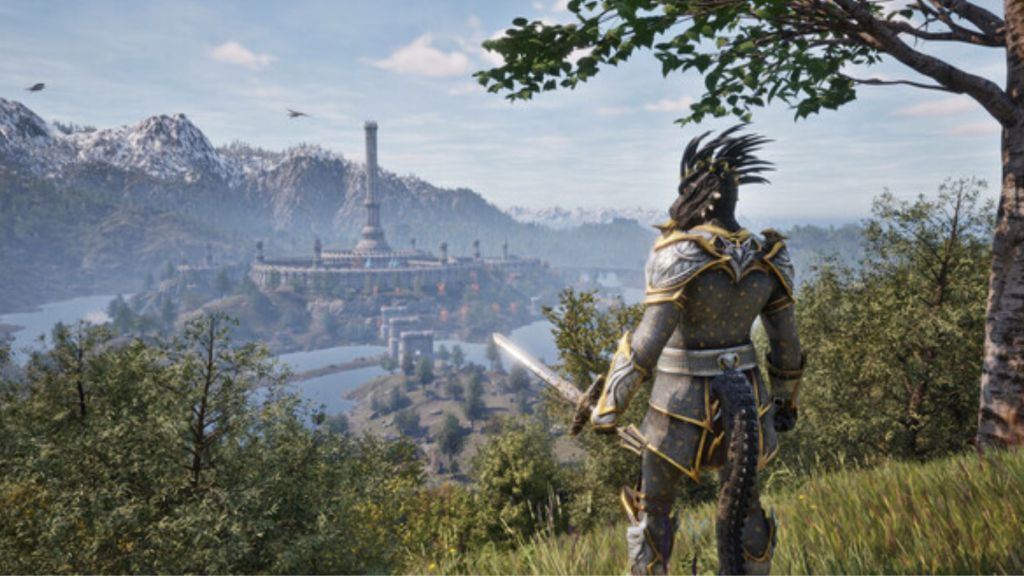
Two decades later, The Elder Scrolls IV: Oblivion remains one of the best examples of what makes a great RPG. Its systems may show their age in some areas, but the core experience still feels engaging. The combination of freedom, storytelling, and player choice continues to influence modern game design. The remaster showed how impactful it is and that it still holds up today. Updated visuals, new gameplay features, and performance improvements made it easier for new players to experience what made the original so special.
Bethesda’s rise in popularity can be traced directly back to Oblivion. It set the stage for the success of Skyrim and future titles like Starfield. Without it, the studio might not have reached the same level of recognition. That alone speaks to how important the game was at the time of its release. Even now, very few RPGs have managed to surpass what Oblivion achieved. It is not just about graphics or scale. It is about how the game made players feel like they were part of a living world. That experience is rare, and it is why the game continues to stand tall after 20 years.
So while many are jumping into their 1000th playthrough of Skyrim or eagerly anticipating The Elder Scrolls VI, I keep finding myself returning to Oblivion to explore Cyrodil. Before the meme came about, my stealth archer Wood Elf let me discover the joy of open-world RPGs. Looking back, I didn’t realize how impactful Oblivion was, but I can’t help but see it now. Even 20 years later, Bethesda has yet to top this iconic game, and I truly don’t think it will.
What do you think? Leave a comment below and join the conversation now in the ComicBook Forum!
Most Viewed
-

Courtesy of Shueisha / Kadokawa / Square Enix / Shogakukan