Dungeons & Dragons may have started as a tabletop RPG, but video game spinoffs from the fantasy franchise were basically inevitable. The lore and gameplay of D&D just naturally lend themselves to a video game format, so it’s no surprise that many officially licensed video game spinoffs have been released over the years. While many of the D&D video games have been solid, few are as well-known as Larian’s Baldur’s Gate 3. Yet it might never have come to be without a much earlier, and much different, game.
Videos by ComicBook.com
Gamers who came to the Baldur’s Gate franchise through Larian’s release may well not have played the original entries in the series. The first Baldur’s Gate game released 27 years ago, on December 21st, 1998. And while it, like Baldur’s Gate 3, received a ton of critical praise, this initial installment and its sequel were followed by many years of silence before the third entry burst onto the scene. Despite the gap, however, Baldur’s Gate 3 owes much to the first installment in the franchise.
Baldur’s Gate Spawned a Critically Acclaimed Series
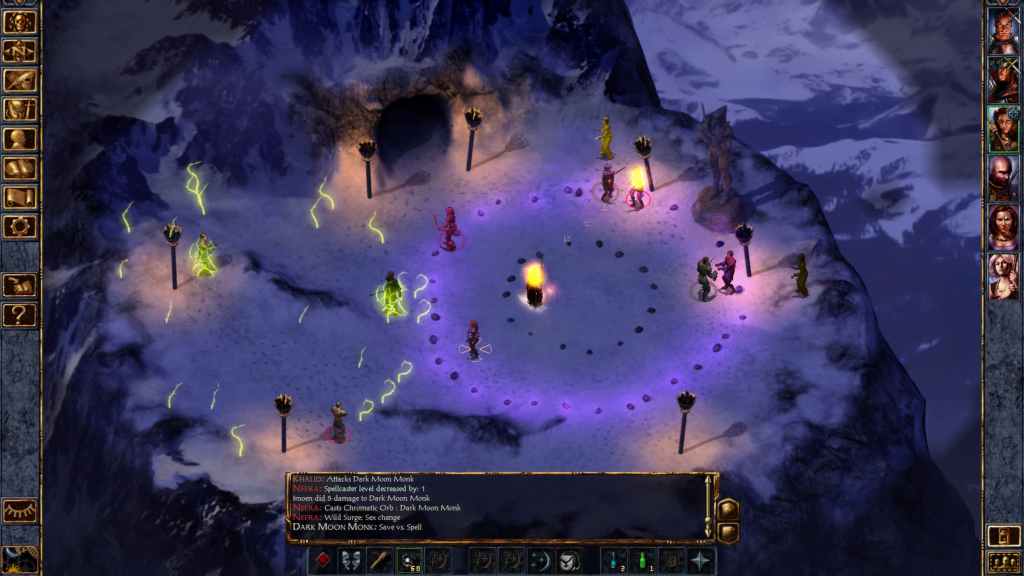
Released in 1998, the first Baldur’s Gate used the then-current 2nd edition rules for D&D. This alone means that stepping into this game will feel quite a bit different from Larian’s modern take, which uses the 5th edition ruleset. Though it may look and feel different from Baldur’s Gate 3, the first Baldur’s Gate nevertheless paved the way for many modern RPGs.
Baldur’s Gate 3 largely uses turn-based combat that mimics the action economy of D&D. The first game, however, uses real-time combat that can be paused for the player to consider next moves. This balance combines an action RPG flow with turn-based mechanics and inspired many similar battle systems to this day. Not only that, but the game leaned into choices matter storytelling long before this was common practice.
Though some aspects of BioWare’s CRPG would feel dated now, it was considered revolutionary for its time. The original installment in the Baldur’s Gate franchise received critical acclaim at launch, earning it a 92 Metacritic rating. The CRPG’s then-innovative approach to translating D&D mechanics to a video game format and compelling storytelling are widely credited with revolutionizing what an RPG video game can be. It is often cited as a source of influence for modern RPGs, leading up to the long-awaited newest entry in the series. And yet, it took a very long time for that latest installment to arrive.
Before Baldur’s Gate 3, The Series Took a 20 Year Hiatus
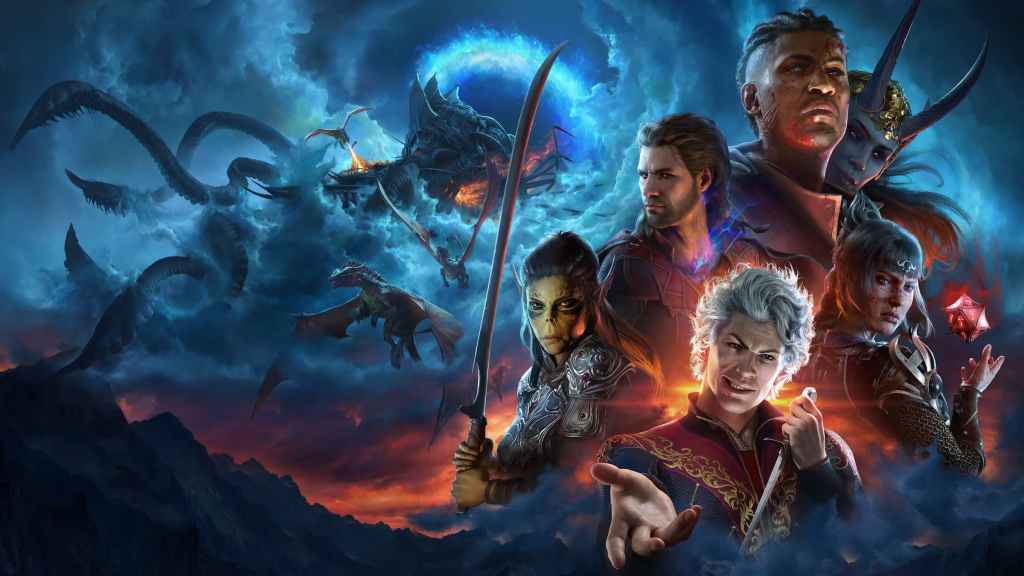
The first 2 Baldur’s Gate games were widely critically acclaimed. Baldur’s Gate earned a 91 Metacritic rating, and its sequel, Baldur’s Gate 2: Shadows of Amn, achieved a 95. And yet, the series went on something of a hiatus after the second installment launched in 2000. Both Baldur’s Gate and Baldur’s Gate 2 saw additional expansion content in the year after their release, but from there, the series went largely dormant.
Baldur’s Gate: Dark Alliance and Baldur’s Gate: Dark Alliance 2 were spin-off entries that brought the franchise to consoles. These games were slightly less well-received, as many felt they dumbed down the complex D&D mechanics in an attempt to translate the PC games to a console audience. But by virtue of being accessible to those more likely to play games on a PS2 or GameCube than a PC, these spinoffs were essential in defining D&D for a generation. Yet they were followed, largely, by years of nothing for the Baldur’s Gate franchise.
After Baldur’s Gate: Dark Alliance 2 in 2004, no new Baldur’s Gate titles arrived until Baldur’s Gate: Enhanced Edition in 2012. This and the enhanced version of Baldur’s Gate 2 remastered the original classics for a modern audience and even added new adventures. But it wouldn’t be until 2023 that we’d see a true new installment in the Baldur’s Gate franchise.
The franchise’s break from new installments wasn’t due to a lack of interest, but rather to the complexity of franchise rights. This, along with BioWare’s decision to shift focus to other games, meant there was a long gap between the conclusion of Baldur’s Gate 2 and the development of Baldur’s Gate 3. Even with so many years between them, however, Baldur’s Gate 3 would likely not be what it was without the foundation laid by the breakout CRPG hit that was Baldur’s Gate.
Did you play the original Baldur’s Gate? Leave a comment below and join the conversation now in the ComicBook Forum!
Most Viewed
-

Image Courtesy of Crunchyroll -

Netflix / Sony Pictures Animation -

Image Courtesy of Marvel Comics