Blood of the Dawnwalker is set to create a truly memorable RPG experience, with vampiric powers and a gothic tale made by former creators behind The Witcher 3: Wild Hunt. Unlike the CD Projekt Red title, though, developer Rebel Wolves are determined to make Blood of the Dawnwalker with almost no restrictions to player actions, even if it comes at a cost of potential story. While The Witcher 3 still stands the test of time as one of the best RPGs of its time, a limitation to its immersive qualities could be something the game inspired by it could correct.
Videos by ComicBook.com
Recently, The Witcher 3 has just revealed details behind a free remaster of the game, which includes a number of gameplay enhancements and a new expansion called Songs of the Past. This will likely change a variety of system within the game, beyond just graphics according to the team at CD Projekt Red behind the upgrades to the 2015 Game of the Year winner. With that in mind, any obstacles players may feel playing the RPG today could be corrected in due time, but not before Blood of the Dawnwalker comes out a few weeks ahead of the remaster.
Blood of the Dawnwalker Allows Major Characters To Die Permanently Based On Player Actions
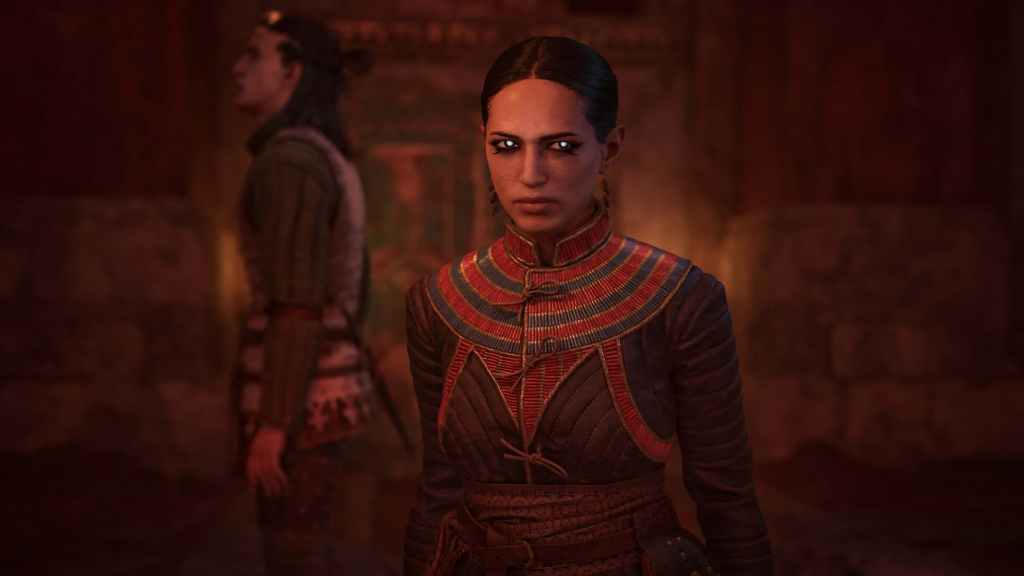
One of the biggest praises of The Witcher 3 was how you could fail quests often by letting certain characters die, especially in dangerous situations where you have to prioritize their safety. That being said, the same did not apply to main characters who had importance in the game’s story, as they had a unique immunity to death at various points. This created an odd double standard in that title, where your actions only had impactful consequences until a point. Even though important NPCs could also have their fates determined by your choices and dialogue, it never felt like those choices were organic decisions, but rather game-mandated outcome paths.
Meanwhile, Blood of the Dawnwalker subscribes to no such niceties, even with characters integral to the main plot of the game. Based on revealed gameplay details for Rebel Wolves’ title, you can kill anyone and everyone on your journey, regardless of their importance. This could be through direct conflict, as you make a choice to eliminate someone based on your own morals, or through an indirect outcome of a quest. For example, you may not choose to pursue a side quest for an amount of time, only to see an important NPC killed because you decided not to get involved.
Even though the map of Blood of the Dawnwalker is much smaller than The Witcher 3‘s, the density of content within that space makes the game’s relationship with NPCs feel more grounded. Since you are traveling in a smaller region, you get to see the impact of character death frequently. With a single main goal in Blood of the Dawnwalker, every other character might as well be side quests, giving the game more freedom to keep their fates up to you. Complex time systems also add to this, as choosing to invest in one NPC might mean losing another.
Severe Consequences In Blood Of The Dawnwalker Adds Even Greater Immersive Quality To The RPG

Having entire quest lines be snuffed out through one involuntary action adds tons of gravity to Blood of the Dawnwalker‘s world. Developers have called the game “unbreakable” despite this, as your main goal stays true no matter how many people you lose along the way, turning the RPG into one of the most immersive experiences out there. When compared to the linear paths The Witcher 3 can throw you at times for the main story, this pace is a breath of fresh air within the genre, at least for anyone tired of role-playing experience being devoid of real consequences.
In many ways, Blood of the Dawnwalker reflects other popular RPGs, such as Kingdom Come: Deliverance 2, which also applies the same philosophy toward world building and characters. This approach makes both games’ journeys feel like a direct result of your actions, with little framework other than your own. For example, one player might decide to grow stronger in Blood of the Dawnwalker by draining the blood of everyone they can find, while another could try to solve many NPCs’ problems to gather an army of friendly allies.
Some of the best CRPG games out there use open-ended features to drive player engagement, such as Baldur’s Gate 3, which has so many story paths based entirely around action and consequence. The “pen and paper” feel of Rebel Wolves’ game is strong and exciting, feeling less like a modern RPG and more like a TTRPG you would play with your friends. Although I will always look back on The Witcher 3 fondly, Blood of the Dawnwalker has me more excited to jump into its world, solely because it allows me to shape it almost however I want.
More Gaming
-

Courtesy of The Coalition -

Courtesy of Netflix -

Image Courtesy of Rockstar Games -

Nintendo Switch 2 games