Capcom is well-known for its varied library of games, ranging from sprawling fantasy adventures like Dragon’s Dogma to the iconic horror series Resident Evil. However, while it certainly enjoys a modicum of critical and commercial acclaim, sitting comfortably among the big players within the gaming industry, I feel as if it doesn’t quite get the flowers it deserves, desperately having to prove itself with an abundance of truly exceptional titles each year. Capcom isn’t perfect, of course, Monster Hunter Wild’s performance being a key example of why, but it has more than shown itself to be an expert in game development.
Videos by ComicBook.com
That is why it is perhaps of little surprise that Capcom has fixed the biggest issue with third-person shooters. Capcom’s ridiculously good 2026 line-up of games includes several third-person shooters, chief among them Pragmata, the transformative and exceptionally unique sci-fi title that looks to change our relationship with the genre. While many may see its gameplay and simply write it off as a fun gimmick, I’m here to tell you that not only is Pragmata’s gameplay so far beyond being a mere gimmick, but it also elevates a genre that has felt stifled for far too long.
Pragmata Is Breathing New Life Into Third-Person Shooters
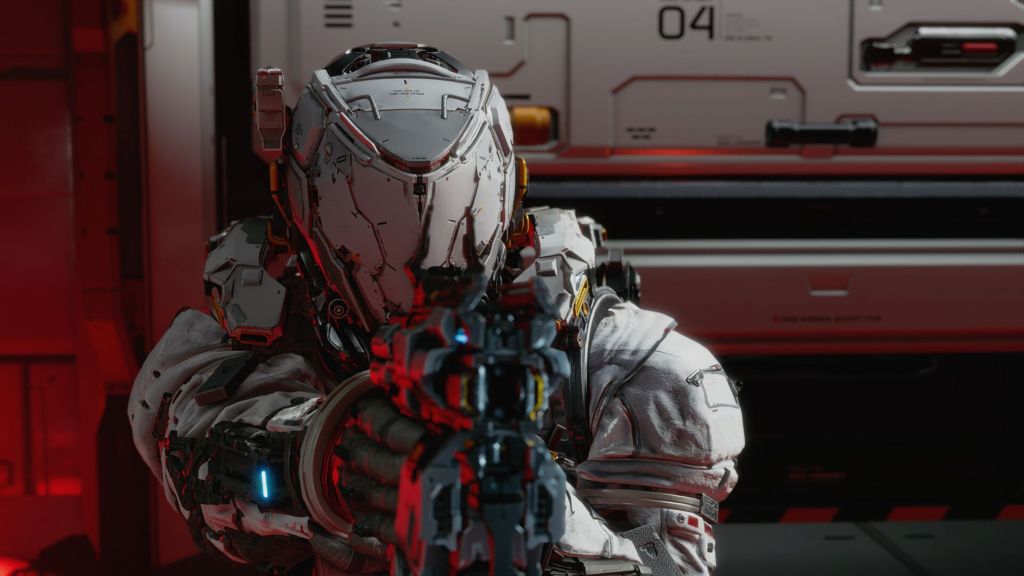
Pragmata’s short but all-encompassing demo was released recently, and it showcases exactly why the game has suddenly become one of 2026’s most anticipated titles. There are a few puzzles to solve, bad guys to blast, and a boss to overcome, all tied together with surprisingly good English voice acting and a script that is as tantalizingly mysterious as it is well-written. I’ve been interested in Pragmata since its first rather cryptic trailer was released, but I never could quite grasp just how it would feel to play it in the way one can watch a handful of gameplay clips of Animal Crossing, Pokémon, or even Monster Hunter.
However, having now finally gotten my hands on it, I can finally understand why Pragmata appealed to me all those years ago, and how it is swiftly becoming a genre-defining experience. Pragmata’s approach to gunplay is vastly different than anything I’ve seen before. It merges frantic puzzle design with clever enemy AI to create countless heart-pumpingly tense encounters. In order to deal real damage to any of the game’s large roster of foes, you’ll need to hack them first. The hacking minigame is just quick enough that it adds to the fast-paced nature of combat, while also requiring just enough effort and timing to cater to failure. That potential to fail, to be interrupted and hurt before you can execute the hack, is where much of Pragmata’s tension comes from.
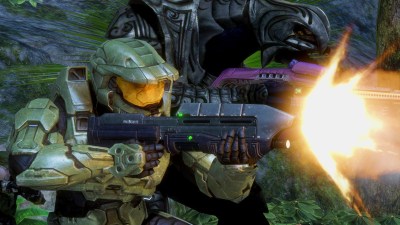
Crucially, it is that tension that promises to fix the monotony of third-person shooters. Even the best in the genre typically boil down to ducking behind cover and blasting foes from a distance or utilizing a litany of abilities to gain the upperhand. While they mechanically make combat more interesting, even the most advanced AI can’t increase the stakes or tension without artificially increasing the difficulty. Pragmata builds tension, increases difficulty, and makes combat more exciting by playing into Capcom’s survival horror strengths. It adds another dimension to combat that requires a heightened degree of input from the player, thus making them more invested in each encounter.
What prevents this from becoming a simple gimmick is the inclusion of Pragmata’s risk and reward system. Rather than just having players follow the correct path in the hacking minigame to exploit their enemy’s weakness, Pragmata throws in additional spaces on the hacking grid that can make enemies even more vulnerable, increase damage dealt, and more. Naturally, these are worth pursuing, but require more time and effort to activate. They are especially useful in boss battles, epic, lengthy, well-designed encounters that require players to be firing on all cylinders and utilizing every hack to its fullest potential. Frankly, I wish more third-person shooters would do something akin to what Pragmata has achieved.
Pragmata Should Serve As The Blueprint For Future Third-Person Shooters
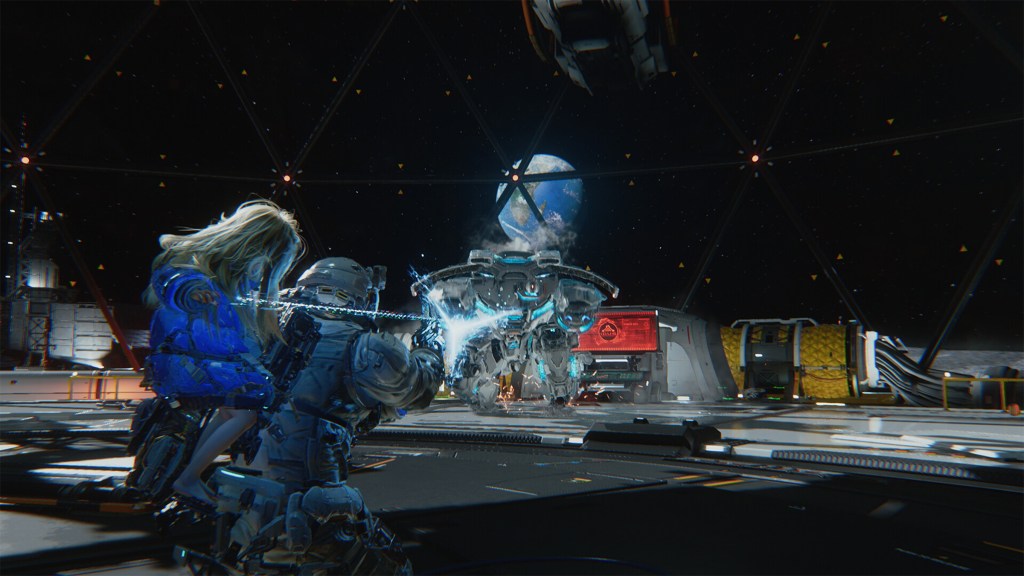
Pragmata’s melding of puzzle mechanics and third-person shooter combat feels like a natural evolution for the genre, an innovative move that enhances an otherwise competent approach to encounters. Of course, there have been plenty of revolutionary games within the third-person shooter framework, many of which remain iconic experiences to this day. However, few have gone as far as to genuinely elevate the act of blasting foes from an over-the-shoulder perspective as Pragmata has. This isn’t merely slapping a minigame on top and calling it a day; Pragmata’s approach completely changes how you interact with a combat model you’ve become overly familiar with.
Using a third-person perspective isn’t inherently tired or dull, as it is merely a framework through which a developer can implement additional ideas. However, simply using said framework to cater to the same tropey gameplay we’ve seen done a thousand times before is getting relentlessly uninteresting. Introducing a new element to that experience can revitalize it in a way that feels meaningfully transformative. To be clear, I’m not advocating for every third-person shooter to add some form of hacking minigame or puzzle element. That only works for Capcom, whose experience in designing tight and tense combat encounters through Resident Evil allows it to execute Pragmata’s dread-inducing battles so perfectly.
However, I am encouraging developers to look at their wheelhouse of expertise and past experiences to help elevate a rather simple combat model. They should take features and ideas from their other games and use them to elevate the base third-person shooter gameplay, whether that’s by implementing puzzles, speed, physics, destructible and interactive environments, or more.
I suspect many will hail Pragmata rather deservedly as one of the best sci-fi video games, but I also hope it gets the recognition it deserves when it comes to the broader third-person shooter genre. Much like how Breath of the Wild and Elden Ring paved the way for bigger and better open-world experiences, I sincerely hope that Pragmata can be seen as the blueprint for future third-person experiences, as its demo was so fun that I’ve struggled to return to even the greatest games in the genre.
Do you think Pragmata should serve as a blueprint for the future of the third-person shooter genre? Leave a comment below and join the conversation now in the ComicBook Forum!
More Gaming
-

Image Courtesy of Kwalee/New Blood Interactive/DreadXP -
Courtesy of Bandai Namco