Real-time strategy games were once the peak of gaming. Warcraft III, Heroes of Might & Magic III, and Warhammer 40,000: Dawn of War were some of my favorite games of all time, and easily rank among the best of the genre. They are far from the only gems among the genre, but many of these franchises have faded into obscurity. The gaming industry has largely shifted to favor other genres, leaving RTS fans hungry for a true return to form for the genre.
Videos by ComicBook.com
And that time seems to be now. We have already seen Heroes of Might & Magic: Olden Era aiming to bring back one iconic strategy series, but RTS fans have their own game to look forward to. Warhammer 40,000: Dawn of War 4 is poised to be the return the series needs, and it is looking like it will be the biggest in the franchise yet. If developer King Art is successful, Dawn of War 4 could see the return of one of the most beloved RTS series.
Warhammer 40,000: Dawn of War Is So Back
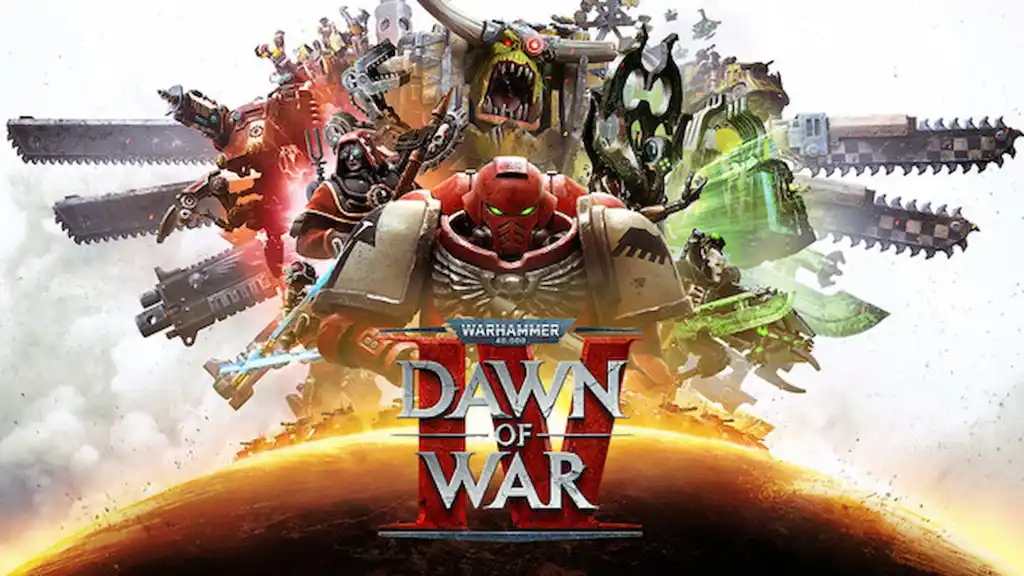
The moment gameplay footage hit the internet, one thing became immediately clear: Dawn of War 4 looks like a spiritual successor to the original Dawn of War, the one many fans still consider the pinnacle of the franchise. The new game embraces the brutality, weight, and battlefield readability that defined the first title, while still sporting modern production values. Units move with purpose, weapons feel violent and heavy, and the environments look like they’ve been torn straight from a grimdark diorama. King Art is known for Iron Harvest, and it looks like the developer is bringing that knowledge to this iconic series.
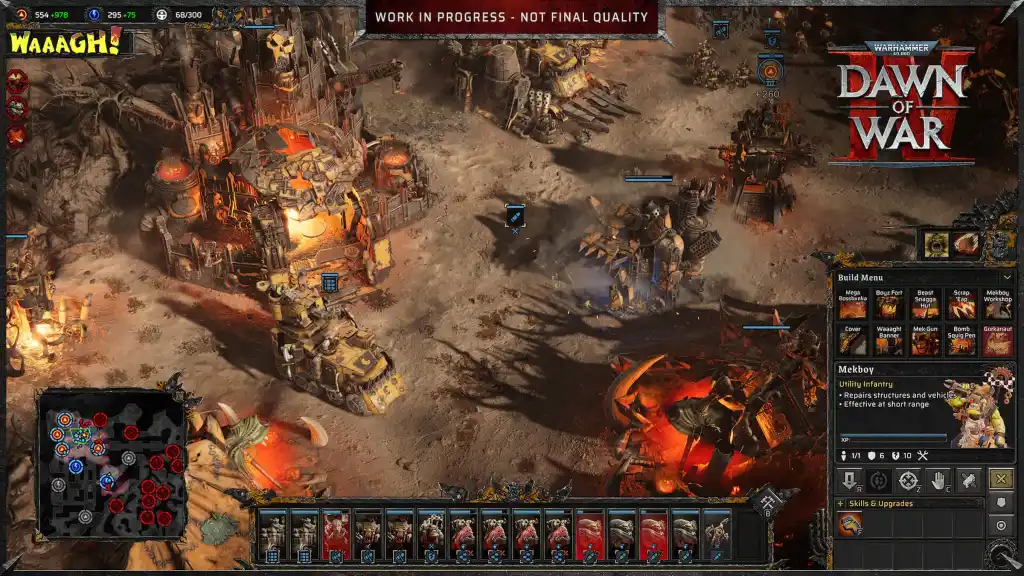
This isn’t an attempt to replicate Dawn of War 2’s tight squad micro or Dawn of War 3’s experimental MOBA-influenced structure. Instead, it presents itself as a classic RTS made for classic players: base building, territory control, and large-scale spectacle all seem to be back. Fans who loved the feeling of pushing forward with a mass of Space Marines, tanks, and walkers will immediately recognize the return of that old-school identity. And while nostalgia is part of the appeal, the execution looks genuinely modern, with strong lighting, tactical strategy, and animations that feel both faithful and fresh.
After Dawn of War 2 & 3, this feels like a course correction, and I am glad to see it. It’s not a rejection of experimentation, but a reminder that Dawn of War is strongest when it blends accessible strategy with the raw, over-the-top violence that defines Warhammer 40K. If King Art can maintain this balance, Dawn of War 4 could land not just as a comeback, but as one of the most celebrated RTS games of the generation.
Warhammer 40K: Dawn of War 4 Features the First Playable Primarch
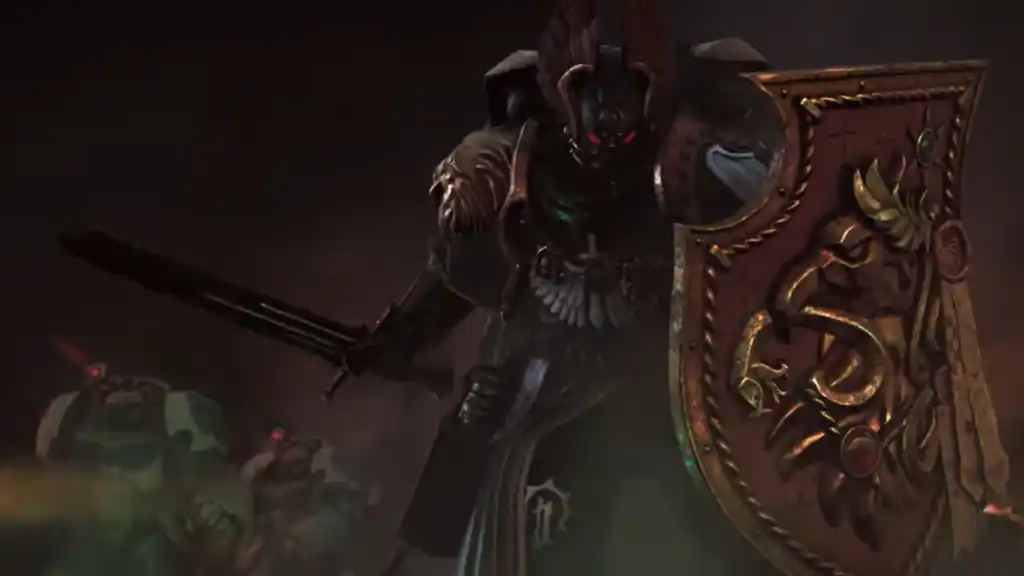
One of the most surprising and genuinely groundbreaking reveals is that Lion El’Jonson, Primarch of the Dark Angels, will be in Dawn of War 4. The latest trailer teased the legendary warrior, long thought to be dead but recently returned. While not confirmed, it heavily teases that Warhammer 40K fans may finally get to play a Primarch outside of tabletop. If the legendary Primarch of the Dark Angels makes a full appearance as a controllable hero unit, it would be a monumental moment for Warhammer gaming as a whole, considering Primarchs are usually reserved for tabletop lore, cinematics, or heavily scripted encounters.
Having Lion El’Jonson on the field dramatically changes what large-scale RTS combat can look like. Primarchs aren’t just powerful. They’re the embodiment of their Legion’s identity. Imagine a tactical nuke with the IQ of a brilliant war general. A playable Primarch could become the centerpiece of a faction’s entire strategy, tilting battles, shaping army compositions, and redefining the hero unit role in RTS design. It’s easy to imagine the sheer spectacle of watching a Primarch carve through enemy lines, tank damage that would annihilate entire squads, and create momentum swings that force players to adapt on the fly.
From a lore perspective, this inclusion is massive. The Dark Angels’ complex history, internal conflicts, and secretive nature create so many opportunities for storytelling, especially alongside the Blood Ravens. Lion’s presence speaks volumes about how important the planet Kronus is. King Art has the potential to tell one of the most moving and epic campaign stories in the franchise, especially considering John French, a legendary Warhammer 40K author, is co-writing the narrative. Not only that, but it leaves me eager to see how the other factions plan to counter and rival a Space Marine Primarch.
Warhammer 40,000: Dawn of War 4 May Be the Most Expansive Yet
Space Marines are a classic of any Warhammer 40K game, but having two chapters officially a part of the narrative and not just army painting is huge. For many players, the Blood Ravens are synonymous with the franchise. Their mystery-shrouded past, charismatic leaders, and rich campaign presence made them the emotional anchor of earlier titles. Bringing them back signals that King Art knows exactly what fans want from a modern Dawn of War sequel. But at the same time, including the Dark Angels shows the studio understands the lore and what is happening right now.
The most exciting aspect for me is the inclusion of the Adeptus Mechanicus. While I am sad the Eldar are not playable, the Adeptus are my second favorite faction and one that is criminally underused in Warhammer 40K games. Orks and Necron are other great choices, offering different playstyles that will satisfy most fans. But beyond that, I am excited to see how King Art supports the game and hopefully expands the playable factions with those seen in Dawn of War after each expansion has been released.
Beyond gameplay systems, the production value looks as ambitious as anything in the studio’s history. Environmental storytelling, faction-specific animations, and richly detailed units show how far the team is pushing modern RTS visuals. The scale of environments, the variety of unit types, and the emphasis on large battles hint at an RTS designed to feel both cinematic and strategic. Each faction is expected to have its own campaign, allowing for an incredibly varied storytelling approach.
Strategy games are resurging, from base-building revivals to massive sci-fi epics, and Dawn of War 4 arrives at the perfect moment. It’s familiar yet bold, nostalgic yet ambitious, and steeped in the grimdark spectacle that has made Warhammer 40K one of the most beloved settings in gaming.
What do you think? Leave a comment below and join the conversation now in the ComicBook Forum!
Most Viewed
-
Courtesy of TOHO Animation -

Image Courtesy of Marvel -

Image Courtesy of A-1 Pictures -
Image Courtesy of Marvel Comics