Control Resonant is a big step forward for the property. 2019’s Control was an ambitious title that placed players into the role of Jesse, with the sequel shifting towards her brother Dylan. This change also means the game is taking on a very different gameplay style, trading Jesse’s unique powers for a fast-paced hack-and-slash approach. It gives the game a very different sense of style, especially in combat. It’s a bold move by the team at Remedy Entertainment that has largely paid off.
Videos by ComicBook.com
ComicBook got the chance to try out Control Resonant during Summer Game Fest 2026, with the focus being on atmosphere and gameplay. While the latter will be familiar to anyone who played the previous game, the heavier focus on hack-and-slash-style action can come as a surprise — especially because of how much it leans into the floaty combat, where players rarely touch the ground. It’s also proven to be a pretty pleasant surprise, as the combat takes the free-floating natural combos of something like Kingdom Hearts, gives it a goth coat of paint, and delivers something really fun.
Control Resonant’s Flowy Airborne Combat Is Great
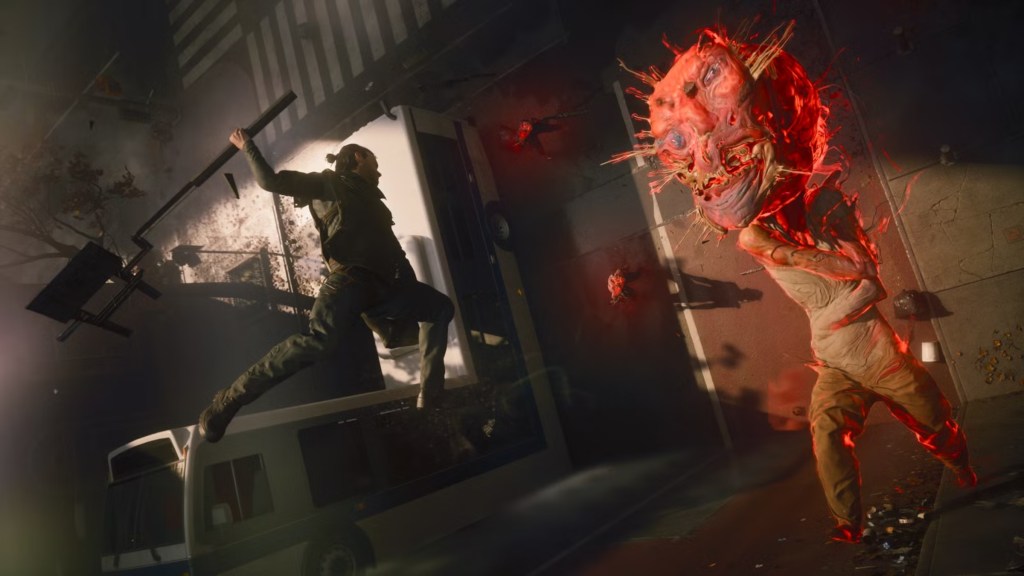
As opposed to Control‘s third-person combat, Control Resonant is a much looser action game that leans heavily into floaty, mobile combat. The early level that made up most of the demo highlighted how agile Dylan is, giving him a number of abilities that make it easy to stay in the air mid-combat. Juggling is a crucial skill to master as a result, especially when players can send enemies flying into the air by breaking their stamina and staggering them. That approach to airborne combat is only enhanced by the player’s ability to shift forward quickly with multiple dodges, take to the skies with a double-jump, and hang up there by floating. All of these abilities lend themselves well to that airborne style of combat. Honestly, it felt akin to Kingdom Hearts, where most of Sora’s action was done in mid-air while delivering impressive combos.
Control Resonant does something similar, giving players the ability to hop between targets and carry on the attacks even while shifting targets or even making their way clear across the stage. These chains of attacks lend the game a flighty edge in the fight scenes that comes as a slight surprise, given the otherwise dark and foreboding world design and enemy types. Instead, the gameplay really does take on an airborne kineticism that will appease fans of the Square Enix franchise or the juggle-heavy action of Devil May Cry 5. It’s quick to pick up, especially in the opening combat sequences where players have to damage increasing hordes of enemies while targeting specific brutes who keep bringing in reinforcements.
However, it also proves inherently challenging enough that complications like massive swarms or invisible enemies can catch the player by surprise. It’s the right balance for the game’s action, keeping the action fast-paced without letting it get too overwhelming. The tight controls keep the fast pace manageable, although over-eager players may find themselves careening over the side of a building if they’re not careful. Moving from enemy to enemy with quick bursts of speed and almost anime-level quick slashes was one of the most rewarding elements of the gameplay demo shown to members of the press.
Control Resonant’s Different Weapon Types Open Up A World Of Possibilities
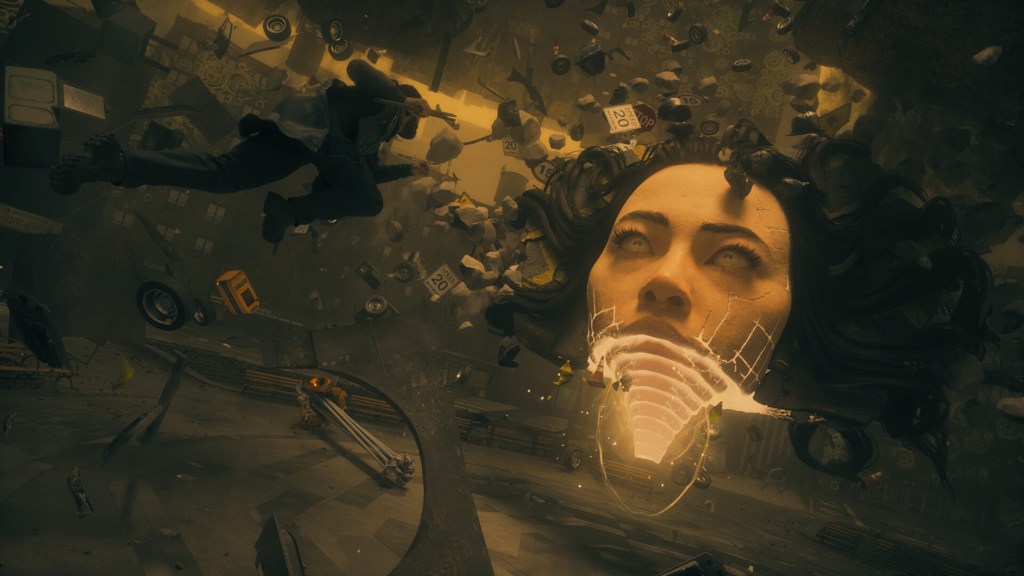
With combat such an obvious selling point for the game, Control Resonant‘s wide array of armaments makes perfect sense. One of the things that instantly stands out with Control Resonant is the way the game takes combat to the extreme. Upon entering the game and taking up the role of Dylan, players are given a handful of options for what their primary weapon — otherwise known as the Aberrant — will manifest as. This can range from a pair of short swords that allow for speedy attacks, a hammer that delivers bigger bursts of damage, or a scythe that extends the player’s reach. This option is promptly repeated with secondary attacks, which offer a bit more range and versatility.
Players can upgrade these principles at will, as well as easily respect them and try out different combat styles. The idea seems to be to allow players the chance to experiment with all the combat styles while looking for their idealized approach, leaving room open for players to take an entirely different approach after hours of gameplay. This approach was perfect for the demo, as members of the media got the chance to try out all the different approaches in fast succession.
It’s a deceptively effective way to deepen the gameplay and give players more reason to keep exploring, trying out new combat styles while perfecting their preferred approach to battles. It also makes sure that the combat, which could risk becoming samey over time, remains dynamic and engaging. It ensures that the fight scenes aren’t just wasted space in between the trippy visuals and the massive bosses. The combat may be a bit more airborne than some players were expecting, given the previous Control game, but there’s plenty to love about this new approach.
More Gaming
-

Courtesy of Ubisoft