November 2026 will see the release of Dungeons and Dragons‘ first Universes Beyond expansion, collaborating with World of Warcraft to create new changes to the game. From remixed core classes to match the MMO’s structure to brand-new enemies, bosses, and dungeons to reflect famous content in WoW, D&D pulls some big swings that they don’t normally do. There are more gameplay changes to D&D than even some official expansions in the crossover, pushing the game’s 5.5e rules in fascinating ways fans of the tabletop should pay attention to.
Videos by ComicBook.com
D&D has a Star Wars crossover planned after the World of Warcraft one, with roadmaps pointed toward sometime in late 2027 for that content to come out. This is part of the Universes Beyond collabs for D&D the game has adopted, mirroring Magic: The Gathering that also exists underneath Wizards of the Coast’s umbrella. However, instead of just adding a few WoW flavored subclasses and some stat blocks for famous creatures from that game series, designers have completely re-imagined some mechanics that should carry over into other future D&D expansions.
World of Warcraft Content for D&D Expands Upon the Renown & Crafting Systems From the 5.5e DMG
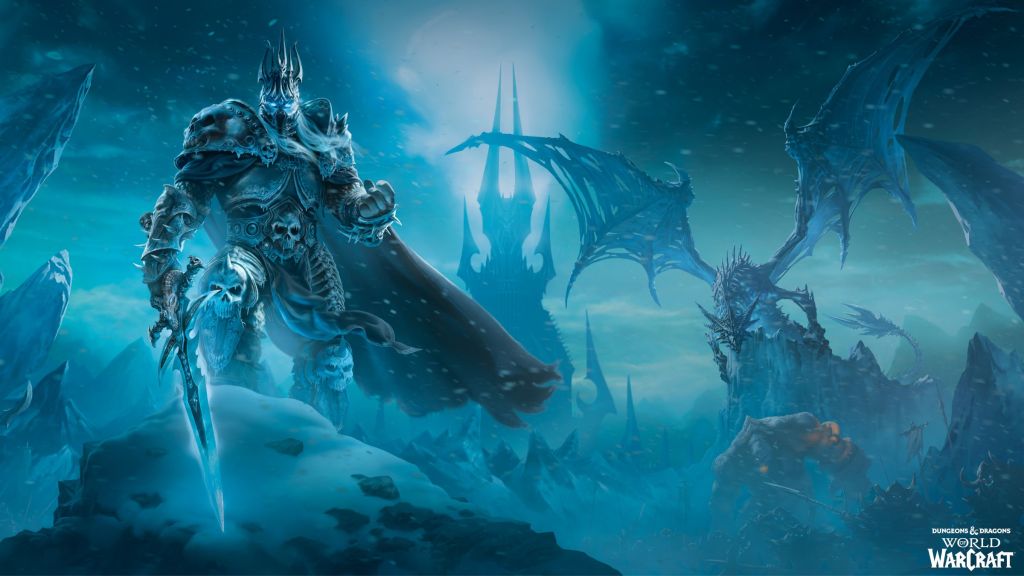
The character options for the D&D World of Warcraft book are likely going to draw the most attention, but there’s more to this expansion than just MMO-themed spins of the tabletop classic. Besides interesting WoW inspired adventures, the crossover focuses a lot on systems and rules established within the 2024 Dungeon Master’s Guide that helped set up 5.5e mechanics. Within this new expansion, players can do more with the obscure systems from that Guide, especially Renown. Two years ago, Renown was a system DMs could use to create arbitrary values related to a player character or party’s reputation within the D&D world, with high group Renown meaning they were perceived well in the eyes of the people.
This mechanic has always been incredibly bare bones in the DMG, with no real reward values for players to figure out. While new expansion books have given players more factions and regions to tie Renown too, the huge World of Warcraft content expands upon this system in great ways. For example, the sheer number of factions within World of Warcraft now track your party or character’s Renown actively, offering unique rewards for those who do various tasks for that group. While the means of gaining Renown are still somewhat up to a DM’s discretion, there are clear rewards for building Renown with different groups, giving players a desire to interact with Renown at all.
Similarly, the WoW crossover introduces a more in-depth way for crafting items than the 5.5e DMG does, listing specific item recipes through blueprints that require certain ingredients. This matches the gameplay of WoW first and foremost, but tweaks D&D in fun ways by making some tool proficiencies not locked to traditional classes. This lets players without magic still able to create magical items, broadening what builds they can make on their own. At the same time, the Forage action is expanded upon too, giving more meaning to exploration as players gather materials to craft the items they want.
Changes to Core Classes Combine With Major Adjustments to Enemies to Make WoW Adventures Feel Like the MMO
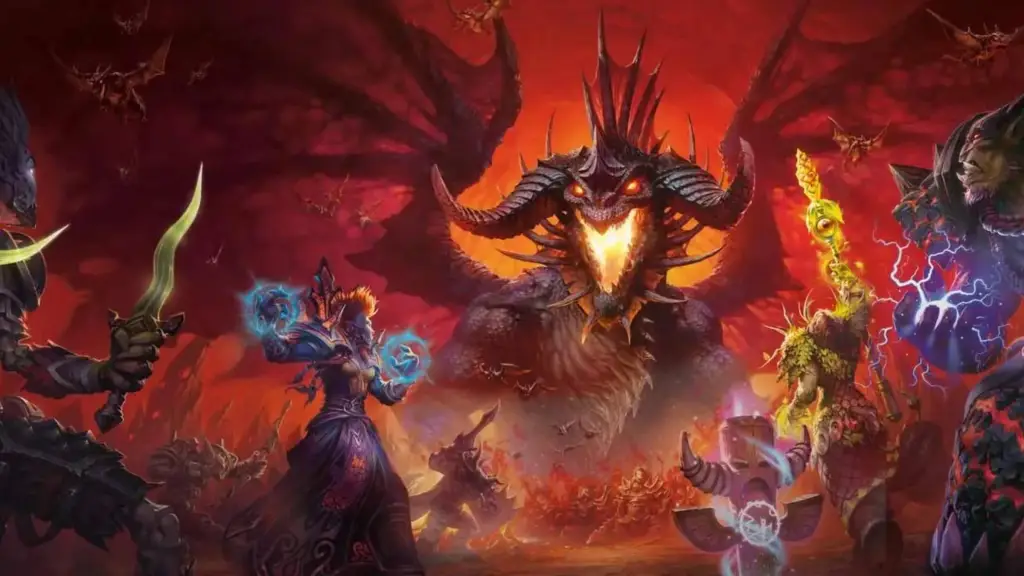
With Renown and crafting getting new features, the WoW expansion is already more extensive than players originally thought. Yet, these obscure changes are less abundant to the core shifts to D&D 5.5e the crossover focuses on the most, especially with classes. There aren’t the typical archetypes in the collaboration, with classes being replaced with WoW equivalents seen in the MMO throughout its many years of iteration. As an example, the Paladin has been reworked as the Death Knight, rather than making the Death Knight an alternate subclass for the larger Paladin. This gave D&D designers the creative room to change entire classes, rather than simply tacking on WoW character paths.
WoW‘s Heroic Classes are also integrated into D&D through this expansion, but in a way the MMO never presented them. These prestige archetypes were usually locked to tedious progression within the World of Warcraft games, being inaccessible to players unless they had several hours logged into the experience. In the D&D crossover, Heroic Classes can be played right away at Level 1, giving your party a library of creative ideas to build on for your hero. This is on top of the aforementioned class reworks, giving you ways to expand upon the Death Knights, Demon Hunters, Warlocks, or other familiar WoW character routes fans of the MMO are used to seeing.
Enemies in D&D are also given new tools through the WoW crossover, gaining mechanics that make them more akin to the MMO’s raid bosses. 5.5e already reintroduced systems like the Bloodied state for player characters and enemies reaching a certain health threshold, but the WoW crossover tied that state to “phases” of battles against strong foes. Some stat blocks unlock new abilities when a monster reaches the Bloodied state, representing them reaching a fresh phase to turn the tide of a D&D combat. At the same time, Mythic Actions return from past D&D content like Mythic Odysseys of Theros, giving the biggest bosses devastating skills that elevate them beyond basic monsters.
Future Universes Beyond Content Should Find Interesting Ways to Creatively Expand D&D’s Systems
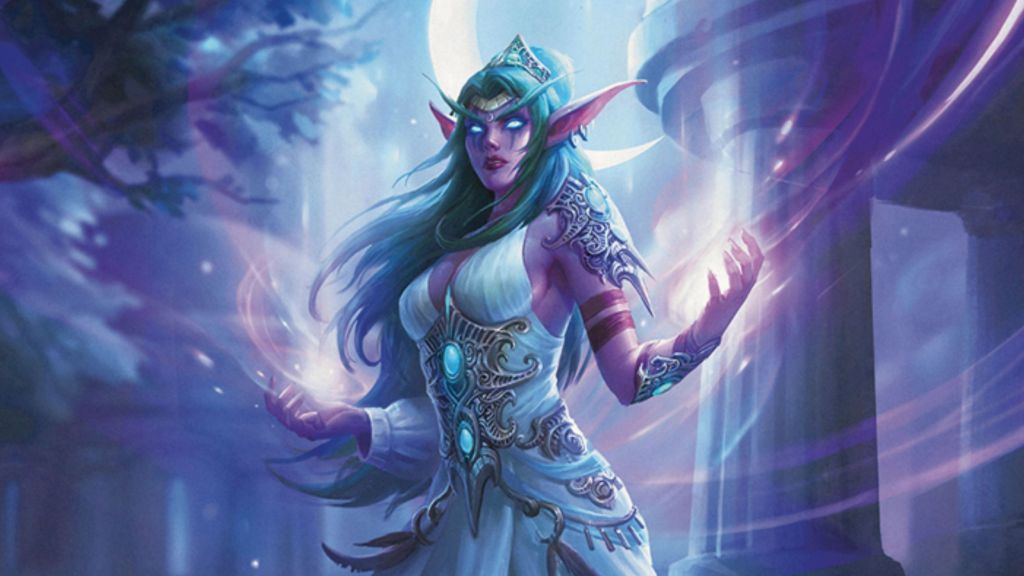
\With the variety of class changes and the enhancements to lesser-known 5.5e systems, the WoW expansion is packed with content useful beyond just the novelty of the crossover. While the collaboration is going to be mostly used for the World of Warcraft themed adventures, dungeons, and boss fights within it, the amount of gameplay modifications are truly impressive. Players can really feel like they are playing D&D and WoW at the same time, with rigid rules of the TTRPG being broken down or changed outright to fit the gameplay style of the MMO better.
Instant universal teleportation or WoW items like Potions of Mana to instantly recover spell slots for big MMO dungeon crawls would break normal D&D games, but they exist here nonetheless. In fact, some players might argue that the gameplay shifts in the WoW content would be suited in more “official” D&D expansions, such as the planned ones for Black Sun or Greyhawk in 2027. Regardless of whether you are a fan of WoW or not, the risks Wizards of the Coast is taking with Dungeons and Dragons‘ rules are exciting, and a trend that should persist in other Universes Beyond endeavors.
What gameplay system changes to you want to see in future D&D crossovers? Let us know in the comments below!
More Gaming
-

Courtesy of Rockstar Games